
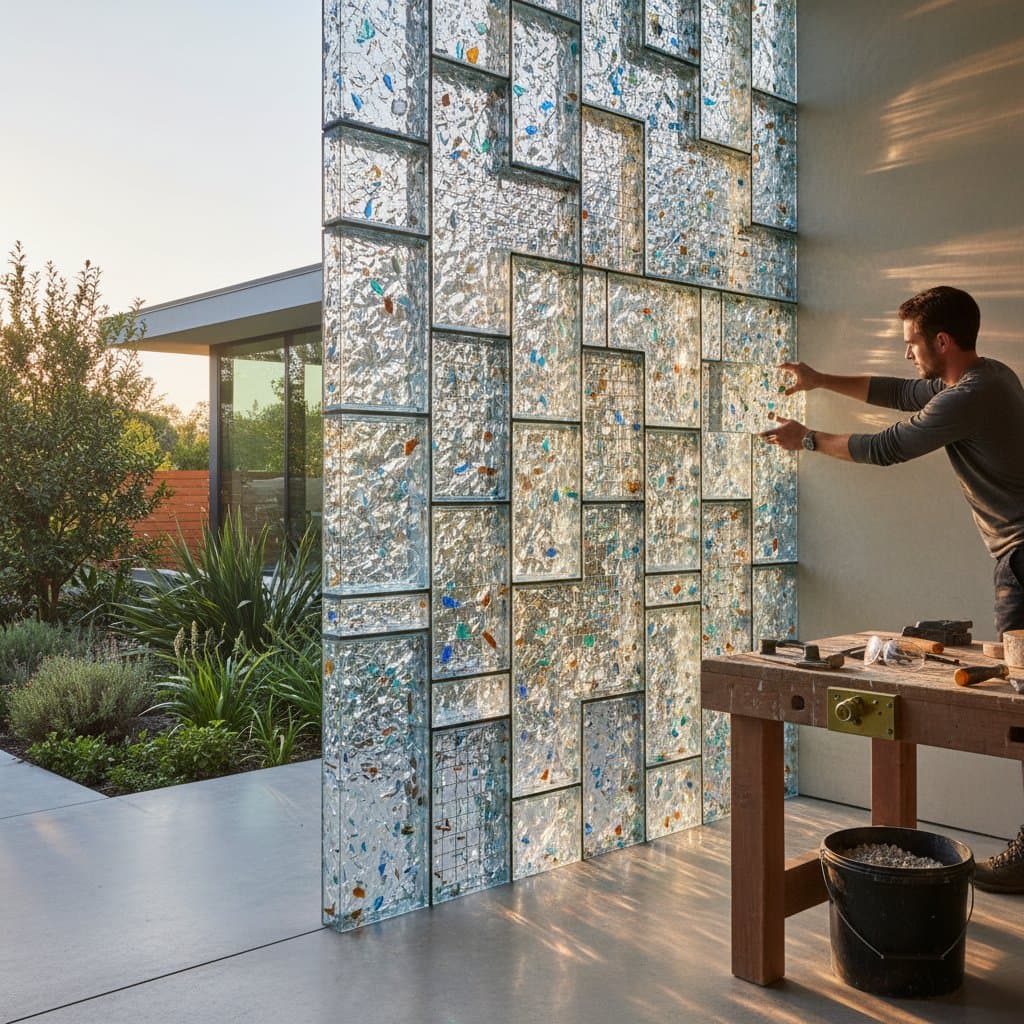
Why Recycled Glass Bricks Matter
Recycled glass bricks transform waste into a valuable building material, significantly reducing landfill contributions from non-biodegradable glass cullet. Production processes for these bricks demand less virgin aggregate and typically involve lower firing temperatures compared to traditional clay bricks. This approach conserves natural resources, cuts down on pollution emissions, and opens up new possibilities for innovative designs in construction projects.
Beyond environmental benefits, these bricks offer practical advantages in building applications. Translucent varieties allow natural light to filter through, which decreases reliance on electric lighting and creates inviting atmospheres. Their reflective qualities brighten otherwise dim spaces, while structurally sound blocks deliver compressive strength that matches or surpasses standard masonry requirements for load-bearing walls.
Planning Your Recycled Glass Brick Project
Assessing the Site
Begin by walking the proposed wall line to identify nearby structures, slopes, and drainage patterns. Ensure that water flows away from the wall base to prevent erosion or moisture buildup. For outdoor installations, steer clear of low-lying areas prone to pooling water, as these can undermine stability over time.
Conduct a basic soil drainage test by excavating a small hole and pouring in water. If the water disappears in a few minutes, the soil likely contains sand and calls for a broader footing to provide support. In contrast, if drainage takes hours, clay-heavy soil may necessitate gravel backfill to improve load distribution and prevent shifting.
Measurements to Take
Determine the wall's length, height, and thickness with precise tools like a tape measure. Calculate the required number of bricks and include a 10 percent buffer for cuts, breakage, and waste. Account for mortar joints, which standardly measure 3/8 inch in width, to avoid underestimating material needs.
For walls with curves, establish the radius using a string tied to a central stake; this method maintains uniform alignment during layout. Double-check measurements against your design sketch to confirm feasibility and material accuracy before purchasing supplies.
Environmental Factors to Consider
- Sun Exposure: Translucent glass bricks may intensify glare in direct sunlight; place them in positions where soft, diffused light improves ambiance without causing discomfort.
- Freeze-Thaw Cycles: Select frost-resistant blocks for exterior use in regions with harsh winters to avoid cracking from temperature fluctuations.
- Wind Loads: Reinforce taller freestanding walls with metal rods or ties to withstand lateral forces and ensure long-term durability.
Consider local climate data when selecting brick types, as these factors directly influence performance and longevity.
Obstacles to Expect
Anticipate challenges from buried utilities, encroaching tree roots, or irregular ground surfaces that could disrupt foundation preparation. Contact utility services via 811 at least a few days before excavation to mark lines and avoid costly damages. Clear away plants, debris, and unstable soil to create a solid starting point for the base layer.
If roots prove extensive, consult a professional for safe removal techniques that preserve site integrity. Document any unexpected findings during assessment to adjust plans accordingly.
Gathering Tools and Materials
Hand Tools
- Brick Trowel: Apply mortar uniformly across bed and head joints for secure bonding.
- Level: Verify vertical alignment and even courses at regular intervals during construction.
- Masonry Brush: Remove excess mortar from joints prior to final tooling.
- Rubber Mallet: Gently position bricks without risking chips or fractures.
- Joint Striker: Shape mortar joints to form a weather-resistant seal.
These essentials enable precise control, especially for beginners tackling detailed work.
Power Tools
- Wet Saw with Diamond Blade: Slice through glass bricks smoothly, ideal for angled cuts in corners or curved sections.
- Drill with Mixing Paddle: Combine mortar ingredients evenly, ensuring a workable consistency free of lumps.
- Angle Grinder: Refine edges or address minor imperfections for a seamless appearance.
Operate power tools with appropriate safety gear, such as goggles and gloves, to protect against dust and fragments.
Rental Equipment
- Masonry Mixer: Streamline batch preparation for projects exceeding three bags of mortar; rent to save time on large-scale builds.
- Scaffolding: Provide safe access for walls taller than shoulder height, prioritizing stability to prevent accidents.
- Plate Compactor: Firm up gravel bases under exterior walls for enhanced load-bearing capacity.
Evaluate project scale to decide on rentals, as they prove cost-effective for extensive endeavors.
Materials List with Buffer
- Recycled glass bricks, plus 10 percent extra for contingencies.
- Type S mortar or the adhesive recommended by the brick manufacturer.
- Leveling sand or gravel for the foundational base.
- Reinforcement rods, as specified for structural needs.
- Sealant or joint compound to complete the finish.
Purchase materials from reputable suppliers familiar with recycled products to guarantee quality and compatibility.
Pro Tips for Success
Prepare mortar with a firmer consistency than for clay bricks to adequately support the weight of glass units. In high temperatures, lightly mist bricks with water before placement to moderate the mortar's setting time and prevent premature drying. For exterior walls, angle the top course with a slight slope to direct rainwater away and reduce erosion risks.
Work in small sections to maintain control over alignment, and pause periodically to clean tools and check progress. These practices minimize errors and elevate the final outcome to professional standards.
Finishing Touches for a Professional Look
Select mortar in a contrasting color to accentuate the unique texture of glass bricks, or opt for a blending shade to achieve understated elegance. Integrate LED strip lights behind translucent panels to add functional glow after dark, enhancing both utility and aesthetic appeal. Top exterior walls with stone or concrete coping to shield against weather and create a cohesive visual transition.
On interior applications, buff exposed faces using a fine abrasive pad to amplify natural luster. Seal with clear acrylic to deepen hues and simplify future upkeep, ensuring the surface repels stains effectively.
Maintenance and Care
Examine mortar joints once a year for signs of cracking or separation, addressing issues promptly to maintain structural integrity. Reapply sealant every few years on outdoor installations to protect against environmental wear. Clean surfaces using a soft brush and neutral detergent solution, steering clear of harsh acids that might damage the glass finish.
For resin-bound variants, shield from prolonged sun exposure and refresh UV coatings as needed to preserve vibrancy. Inspect melt-formed bricks for chips, repairing small damages with clear epoxy to restore smoothness without compromising appearance.
Enhancement Ideas
Incorporate recycled glass bricks into garden partitions to create luminous dividers that highlight plantings while allowing light passage. For indoor spaces, build feature walls that serve as room separators, diffusing daylight to foster open, airy environments. Experiment with mixed-media designs by combining glass bricks with wood accents or metal frames for textured, modern facades.
Elevate patios with low retaining walls that reflect evening light, extending usable outdoor time. In commercial settings, use them for lobby accents that reduce energy costs through natural illumination while showcasing sustainability commitments.
Common Mistakes and Quick Fixes
One frequent error involves inadequate base preparation, leading to settling; fix by excavating deeper and compacting layers thoroughly before laying the first course. Overlooking utility lines can cause disruptions—always verify markings and dig cautiously with hand tools near suspected areas.
Applying mortar too thinly risks weak bonds; remedy by using the trowel to build up consistent 3/8-inch layers and test adhesion on a sample brick. Ignoring temperature guidelines may result in rapid curing; mitigate by working during cooler parts of the day or using retardant additives in the mix.
Forgetting expansion joints in longer walls invites cracking; insert them every 10-15 feet with flexible sealant. If cuts appear jagged, switch to a sharper diamond blade and maintain steady water flow during sawing to achieve clean edges.
Realizing Sustainable Strength in Your Builds
Recycled glass bricks empower builders to merge eco-consciousness with enduring performance, yielding structures that illuminate and inspire. By following these steps, you craft walls that withstand time while contributing to a greener future. Embrace this material to elevate projects with light, resilience, and responsible innovation.