
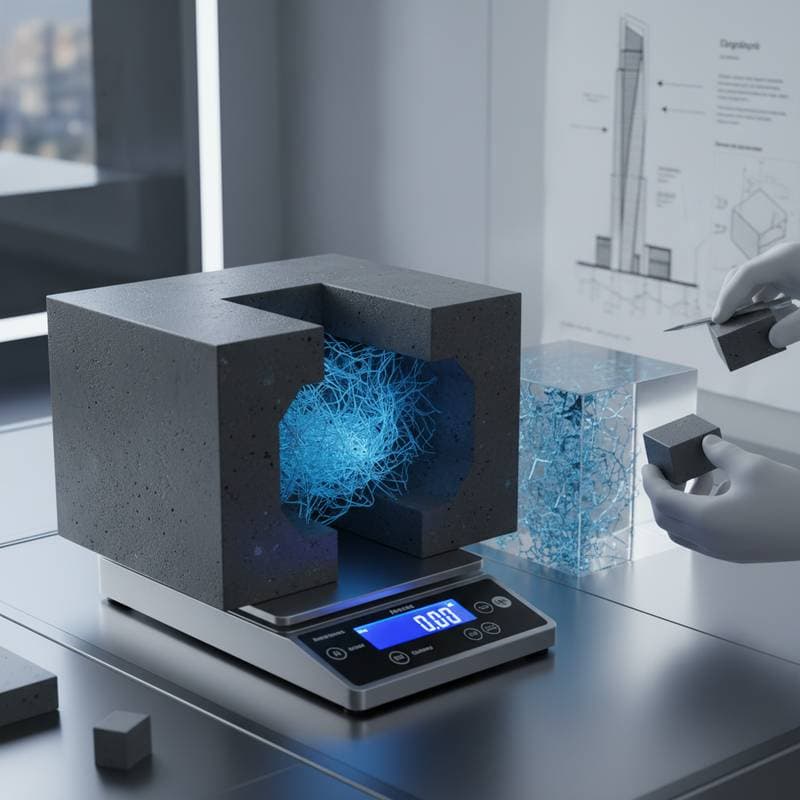
Build Stronger Foundations with Lightweight Graphene Concrete
Quick Overview
Graphene concrete redefines the balance between strength, weight, and longevity in foundation construction. This innovative material achieves higher compressive strength while minimizing overall mass, which eases the burden on underlying soils and diminishes the likelihood of cracks forming over time. Key factors influencing costs include the sourcing of graphene additives, precise mix formulation, and the contractor's experience with this specialized product.
Essential Quality Checks
Begin evaluation with observable and tactile assessments. Although graphene concrete remains uncommon in residential applications, early users can apply proven field techniques similar to those for traditional structural mixes.
- Verify that the supplier has conducted tests on batches to ensure uniform graphene dispersion.
- Request compressive strength results at 7 days and 28 days, regardless of claims for accelerated curing.
- Evaluate slump and workability against standard concrete benchmarks; excessively rigid or fluid mixes invite segregation.
- Examine cured samples for uniform surface density and absence of pinholes.
- Observe the initial curing phase closely, as graphene formulations may retain moisture in unique ways that influence the final finish.
- Test compatibility with existing reinforcement coatings or admixtures.
Common Warning Signs
- Irregular dispersion of graphene particles, creating vulnerable areas in the mix.
- Absence of documented mix proportions or independent third-party validation.
- Premature setting without managed curing, potentially locking in shrinkage-induced stresses.
- Contractor hesitation to modify slump adjustments or vibration techniques.
- Opaque pricing structures that fail to itemize the graphene additive expense per cubic yard.
Practical Solutions and Estimated Expenses
Surface crazing or delamination in graphene concrete typically requires mechanical surface removal followed by a full re-pour, as spot patching often fails to achieve reliable adhesion. Expenses for re-pouring a modest footing or slab segment range from moderate to substantial, varying with site access and reinforcement complexity. While graphene additives increase mix costs by 20 to 40 percent, the ability to use thinner sections can lower the total material volume needed. Long-term savings frequently emerge from decreased rework, smaller foundation footprints, or extended service intervals.
On-site addition of graphene powder without adequate dispersion serves only as a temporary cover-up, resulting in variable strength and material inefficiency. Such practices heighten the risk of project expansion focused on aesthetics rather than core structural integrity. Always adhere to validated batching protocols for consistent outcomes.
Deciding Between Repair and Replacement
Foundations: Reserve graphene concrete for fresh installations rather than as a patch for aging structures, unless a structural engineer validates compatibility. Address existing cracks through epoxy injection or carbon fiber strapping. Opt for full replacement only if settlement or movement exceeds safe limits, compromising stability or levelness.
Slabs and Floors: Graphene excels in slender slabs where weight reduction proves critical. Remedy superficial flaws with polymer-modified mortar, reserving deeper interventions for cases of structural impairment.
Walls and Retaining Structures: Select graphene concrete for applications involving significant height or loading where enhanced strength pairs with lower mass. Pursue replacement solely upon observing visible bulging or tilting that drainage improvements cannot rectify.
Assembling the Right Team and Workflow
Engage a structural engineer versed in advanced concrete technologies prior to finalizing designs. This expert will analyze load distribution and determine if graphene's enhanced properties support reduced section thicknesses. Architects must scrutinize details related to thermal isolation and surface finishes.
General contractors oversee batch preparation, transportation, and on-site placement to align with actual conditions. Concrete technologists provide lab analysis for dispersion and homogeneity assurance. Concurrent supplier evaluations minimize risks from additive-cement incompatibilities. Professional oversight, adding 10 to 20 percent to indirect expenses, coordinates efforts and averts budget excesses from the outset.
Prioritizing Project Scope
Target high-impact areas such as foundations and load-bearing components first. A graphene-fortified footing or slab enhances crack resistance and moisture barriers, safeguarding subsequent elements like framing and interior work. While air sealing and insulation remain essential for energy efficiency, robust structural foundations amplify their effectiveness.
Avoid low-yield applications, such as non-structural decorative veneers or superficial graphene toppings. These deplete premium resources without meaningful benefits. Concentrate efforts where loads, humidity, or wear pose the greatest challenges.
Retain viable existing concrete whenever feasible. Conduct compressive strength and moisture content tests before committing to removal. Graphene concrete maximizes utility in scenarios allowing reductions in thickness, reinforcement volume, or curing duration.
Budgeting and Phased Execution
Order tasks according to interdependencies. Initiate with drainage enhancements and subgrade preparation; even superior mixes falter against persistent water accumulation or freeze-thaw cycles. Inspect formwork and rebar placement for proper alignment and cleanliness, as minor lapses undermine graphene advantages.
Proceed to pouring and curing under regulated humidity and temperature controls to prevent rapid desiccation and microcracking. After achieving structural stability, apply waterproofing and insulation layers. Rough electrical and plumbing installations follow, with interior finishes and toppings concluding the sequence. Position graphene concrete as the foundational framework, distinct from surface treatments.
Safeguarding Long-Term Performance
Vigilantly observe the structure during the initial months post-curing. Scan for subtle fissures at high-stress locations, including corners and anchor bolt penetrations. Employ a moisture meter to verify surface readiness prior to coating or flooring applications; premature sealing can confine lingering dampness.
Assess drainage efficacy around the perimeter during intense rainfall. Superior strength offers no defense against erosion if water management lapses. Maintain unobstructed gutters and ensure site grading directs runoff away from the base.
Document any efflorescence or incipient cracks, tracking progression over seasons. Graphene concrete demonstrates greater resilience to such concerns compared to conventional options, yet diligent hydrology remains indispensable.
Regional concrete experts can extract core samples for in-depth analysis of density, permeability, and interfacial bonding.
Implementing Effectively
Commence with straightforward diagnostics. Test floor evenness by rolling a straightedge or marble to identify subtle settling. Verify downspout outlets for water stagnation. Retain and reference mix specification sheets for every placement in project records.
Graphene concrete demands integration within a rigorous construction framework, including thoughtful design and meticulous curing. When applied judiciously, it yields foundations that are lighter, more robust, and poised for extended durability.