#robotic

Articles tagged with robotic

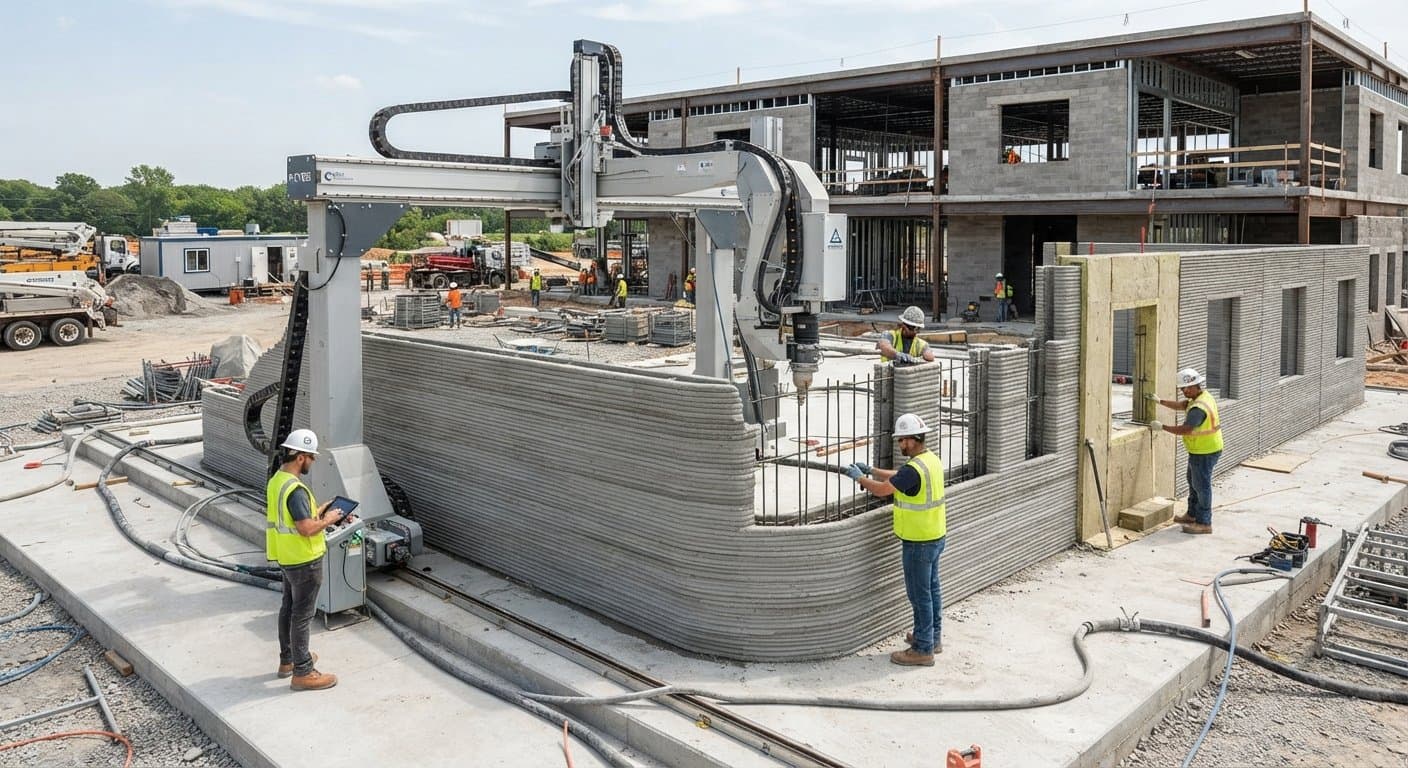
Featured image for 3D-Printed Masonry Walls: Benefits and Trade-Offs

3D-Printed Masonry Walls: Benefits and Trade-Offs

3D-printed masonry can speed wall construction, reduce formwork and waste, and enable distinctive designs, but it does not guarantee a faster or cheaper home. Costs, code approvals, finishing requirements, weather conditions, and contractor availability all matter. Learn how the technology works, what to verify in bids and engineering documents, and how to assess durability, repairs, and site readiness.

9 min read
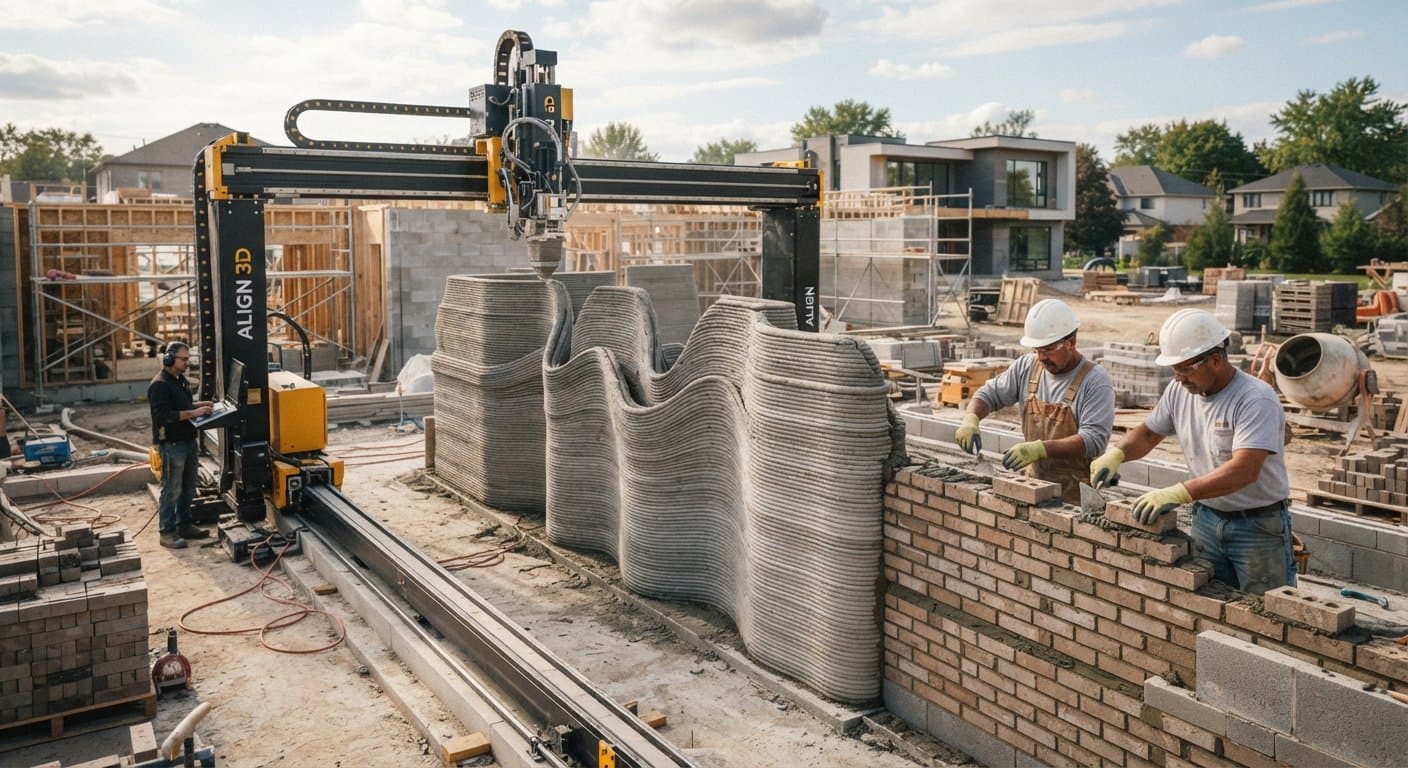
Featured image for What "Half the Build Time" Really Means for 3D-Printed Walls

What "Half the Build Time" Really Means for 3D-Printed Walls

Robotic 3D printing can speed up masonry wall placement, but half the build time rarely means a finished building arrives twice as fast. Site preparation, reinforcement, insulation, weatherproofing, inspections, and finishes still count. Before choosing a system, compare complete bids, verify engineering and code compliance, and confirm the contractor has experience and backup plans.

5 min read
Featured image for 3D-Printed Walls: Why 40% Savings Isn't Guaranteed

3D-Printed Walls: Why 40% Savings Isn't Guaranteed

Could 3D printing cut masonry costs by 40% in 2026? The savings are not guaranteed: project design, labor, equipment access, engineering, and permits all affect the final price. Learn when printed walls make sense, how they compare with block and brick, what to check before hiring, and why structural work requires qualified professionals.

5 min read
Featured image for 3D-Printed Concrete Homes Cut Build Costs 50%

3D-Printed Concrete Homes Cut Build Costs 50%

3D-printed concrete homes transform affordable housing through automation, sustainability, and precision engineering. These structures offer durable, energy-efficient options at around $99,000 by 2026. This comprehensive guide covers the construction process, essential materials, planning steps, and the balance between personal involvement and expert guidance for successful projects.

6 min read
Featured image for Why 3D-Printed Foundations Cut Build Time by 60%

Why 3D-Printed Foundations Cut Build Time by 60%

3D-printed foundations transform construction practices by substituting labor-intensive concrete pours with precise robotic printing. Robotic systems and specialized fast-setting concrete enable simultaneous form creation and base building, achieving 60 percent time savings, decreased material waste, and reduced overall expenses. Understand the role of digital precision, uninterrupted operations, and advanced materials in enhancing the pace and reliability of contemporary construction.

6 min read
Featured image for 3D-Printed Foundations Cut Build Time 60% by 2026

3D-Printed Foundations Cut Build Time 60% by 2026

By 2026, 3D-printed foundations will accelerate construction by up to 60 percent compared to traditional methods, lowering costs and enhancing accuracy. Effective outcomes require thorough soil preparation, proper drainage, and seamless collaboration among experts. Although the technology offers remarkable speed and efficiency, challenges like inadequate curing or imprecise calibration can undermine benefits. This guide details advantages, potential pitfalls, expenses, and proven practices for durable results.

6 min read
Featured image for 3D Printed Foundations Cut Costs in Half: What to Check First

3D Printed Foundations Cut Costs in Half: What to Check First

3D printed foundations offer remarkable efficiency, potentially cutting costs in half and doubling build speeds through precise, waste-minimizing techniques. However, achieving these benefits requires meticulous site preparation, thorough soil analysis, and a structured approach to integration. This guide provides practical steps to merge innovative printing with time-tested construction principles, ensuring foundations that stand strong, meet codes, and deliver long-term value.

7 min read
Featured image for 3D-Printed Foundations Cut Time and Labor Costs

3D-Printed Foundations Cut Time and Labor Costs

3D-printed foundations transform construction practices through accelerated build times, minimized labor requirements, and precise, low-waste designs. Robotic printers deposit concrete layers on-site based on digital blueprints, creating robust, adaptable bases for residential and commercial structures. Although challenges like equipment availability and regulatory hurdles persist, the advantages in efficiency, versatility, and durability position this technology as a pivotal advancement.

5 min read
Featured image for 3D Printed Foundations Cut Build Time by 70%

3D Printed Foundations Cut Build Time by 70%

3D printed foundations reduce construction timelines by up to 70 percent through robotic layering of concrete on site, ensuring durable and customizable bases. This method demands less labor, produces minimal waste, and supports innovative designs, yet requires careful site preparation, regulatory compliance, and expert handling for optimal results.

6 min read
Featured image for 3D Printed Concrete Builds Homes in Just 48 Hours

3D Printed Concrete Builds Homes in Just 48 Hours

3D printed concrete redefines home construction, enabling robust, tailored structures in under 48 hours. Robotic systems and advanced mixes slash labor, minimize waste, and control costs. This fusion of digital precision and physical efficiency empowers architects, engineers, and homeowners to pursue eco-friendly, accelerated housing.

6 min read
Featured image for 3D-Printed Foundations Cut Build Time 60% in 2025

3D-Printed Foundations Cut Build Time 60% in 2025

In 2025, 3D-printed foundations transform construction practices by reducing build time by 60 percent, minimizing waste, and achieving precision to within one-eighth inch. Robotic systems and digital modeling enable faster, more sustainable, and cost-effective foundations for residential and commercial buildings, marking a significant evolution in structural engineering.

5 min read