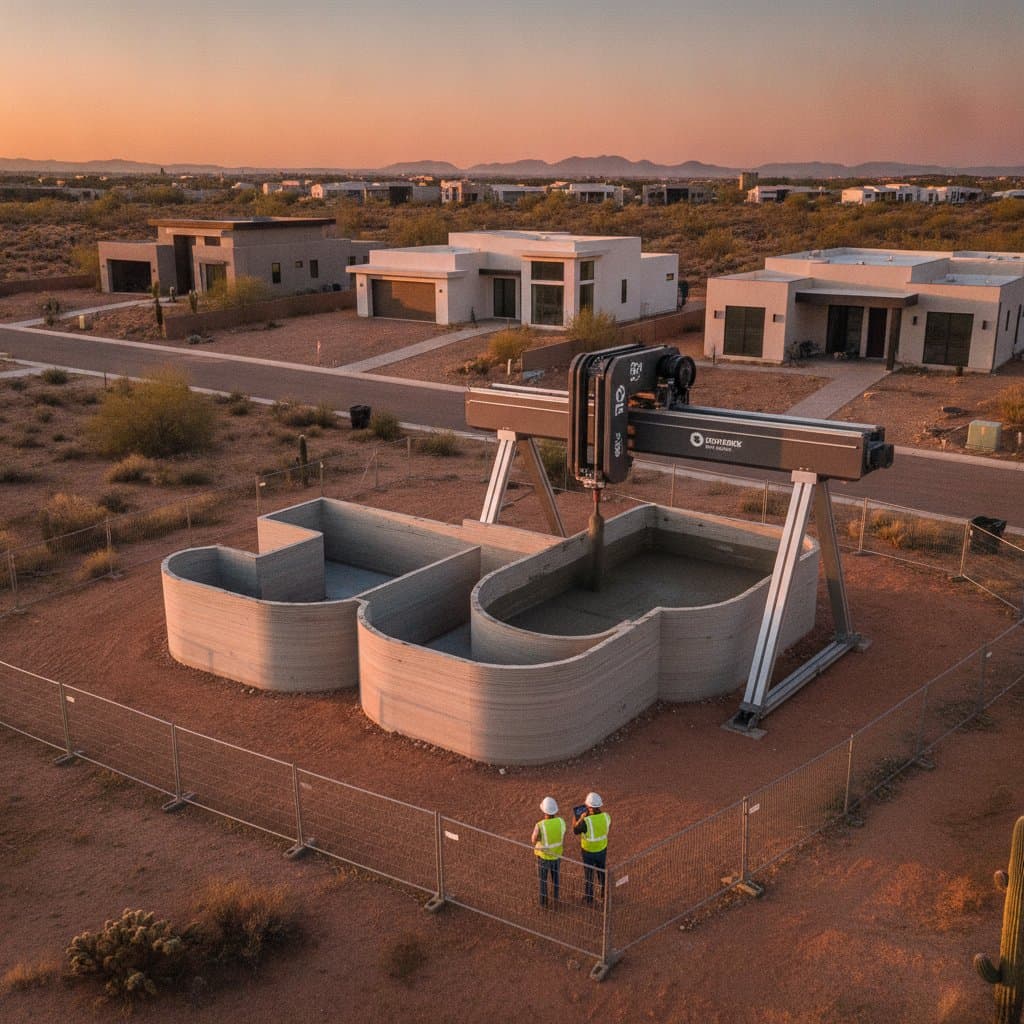
#automated

Articles tagged with automated

Featured image for 3D-Printed Foundations Cut Build Times 50-70%

3D-Printed Foundations Cut Build Times 50-70%

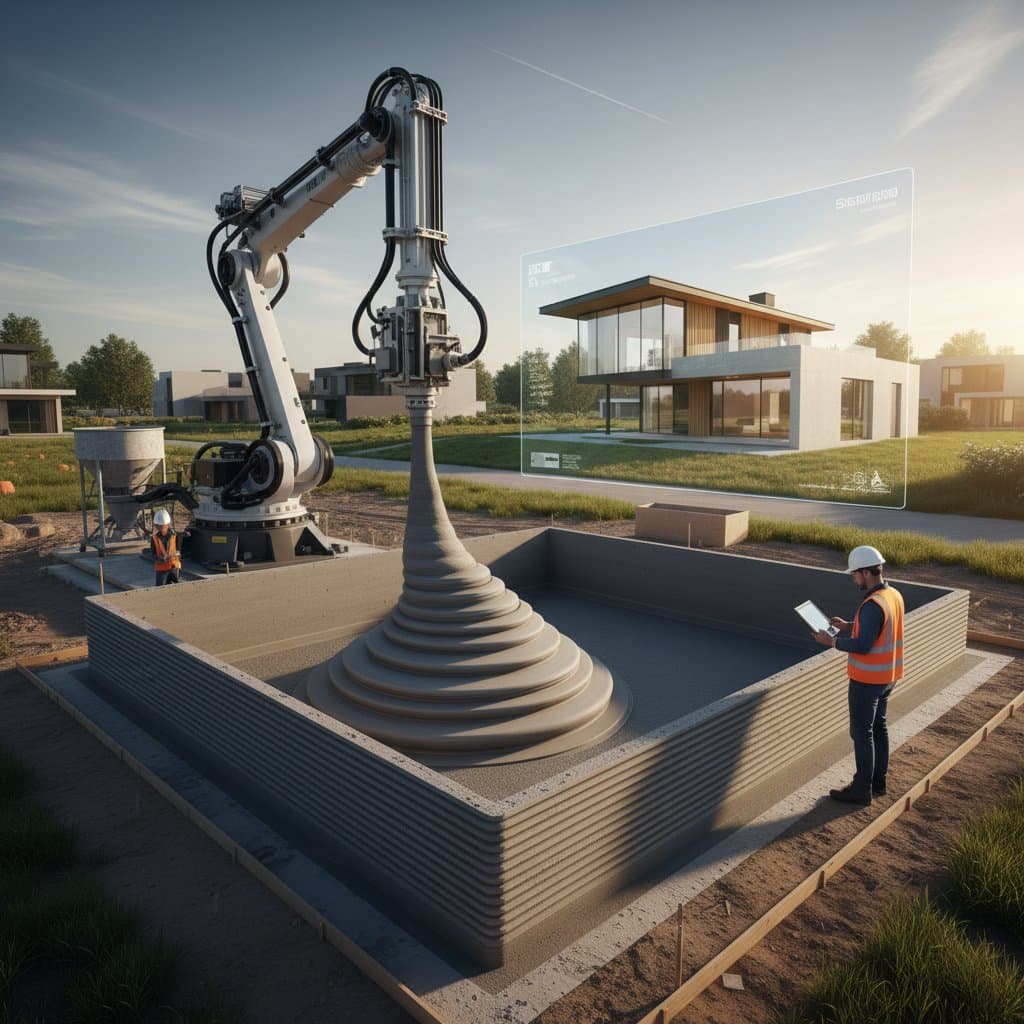
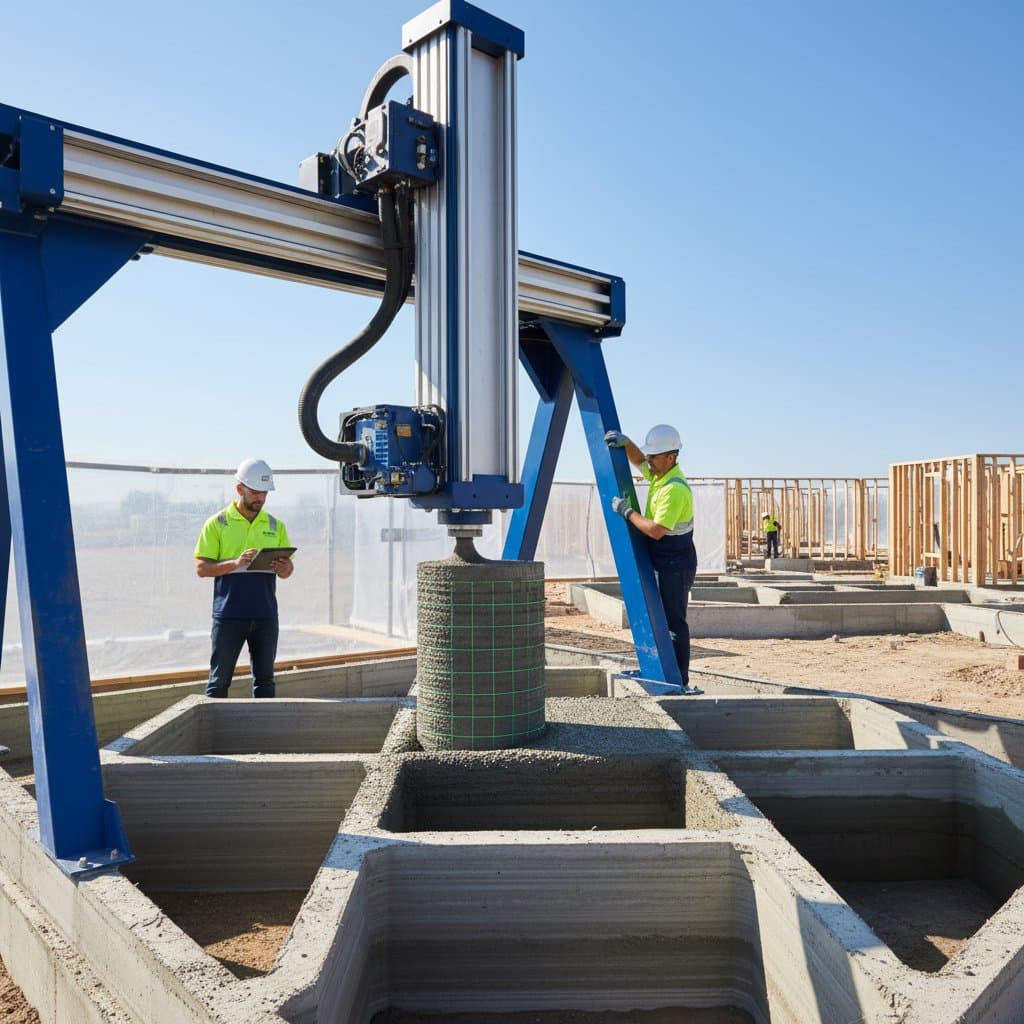
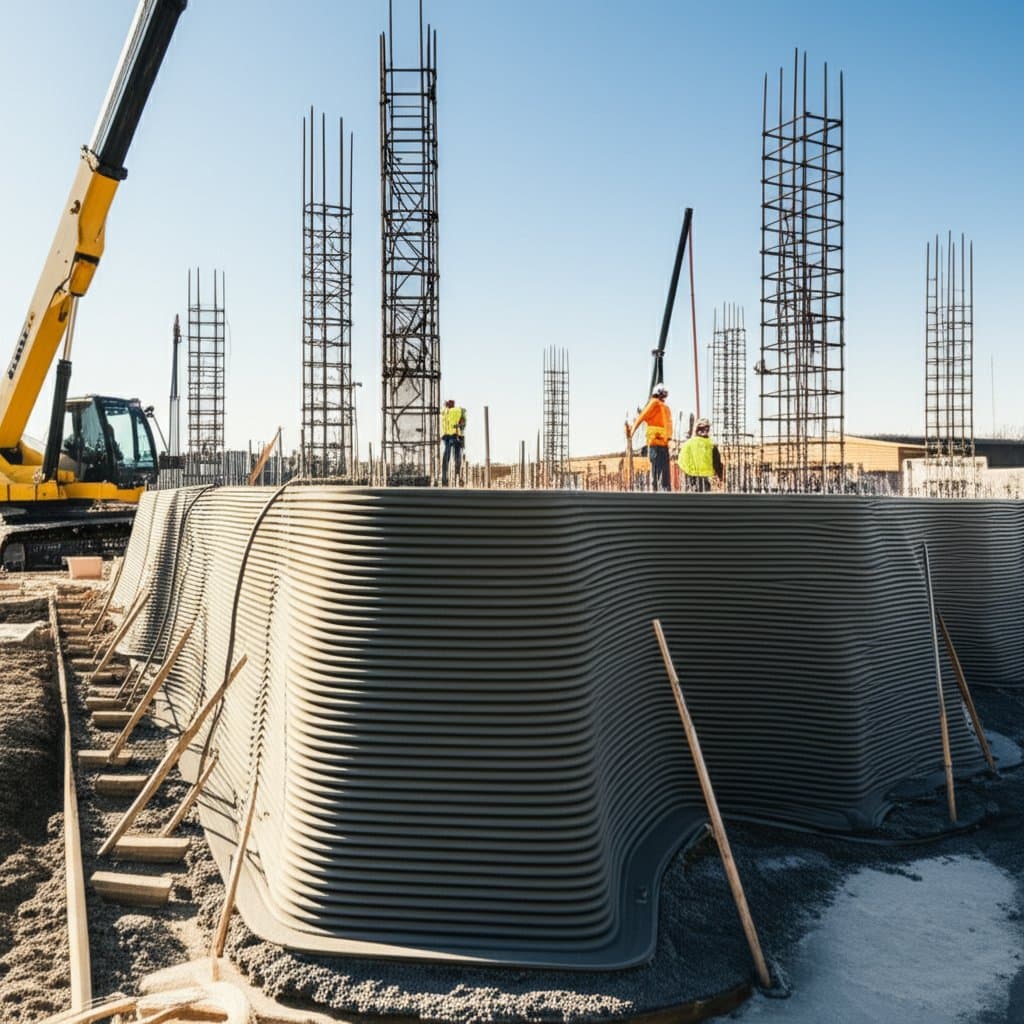
3D-printed foundations transform the construction industry by reducing build times up to 70 percent, minimizing waste, and lowering overall costs. Robotic systems apply specialized concrete with exact precision to create strong, compliant structures that require far less manual labor. This emerging technology, projected to become widespread by 2026, enhances construction speed, promotes sustainability, and improves structural integrity.

6 min read
Featured image for 3D-Printed Homes Cut Build Time to Days Not Weeks

3D-Printed Homes Cut Build Time to Days Not Weeks

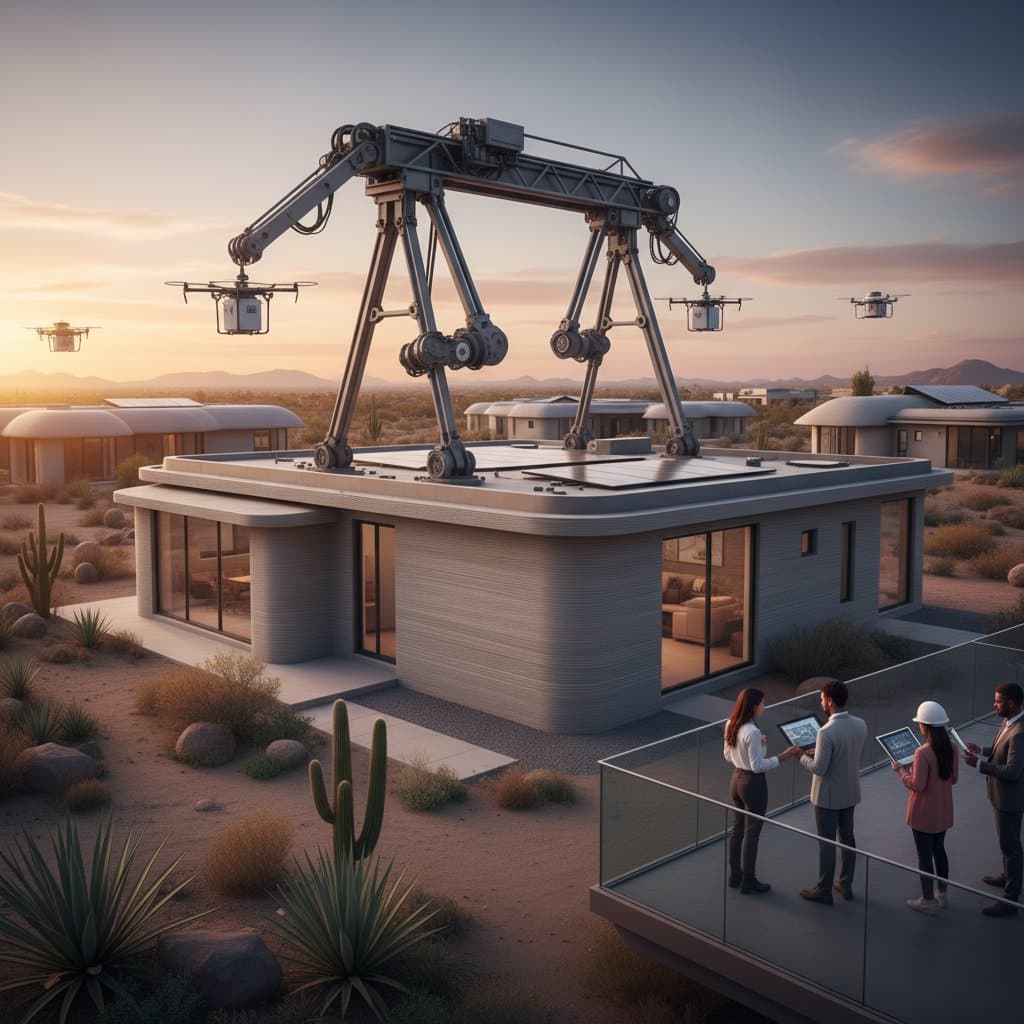
By 2026, 3D-printed concrete homes stand poised to redefine suburban construction through accelerated timelines, reduced waste, and creative architectural possibilities. Robotic printers layer concrete with precision, delivering robust, customizable structures that address labor shortages and environmental concerns. Although challenges like regulatory hurdles and skill gaps persist, this innovation promises to reshape housing affordability and community landscapes.

5 min read
Featured image for 3D Printed Foundations: Speed vs Structural Reality

3D Printed Foundations: Speed vs Structural Reality

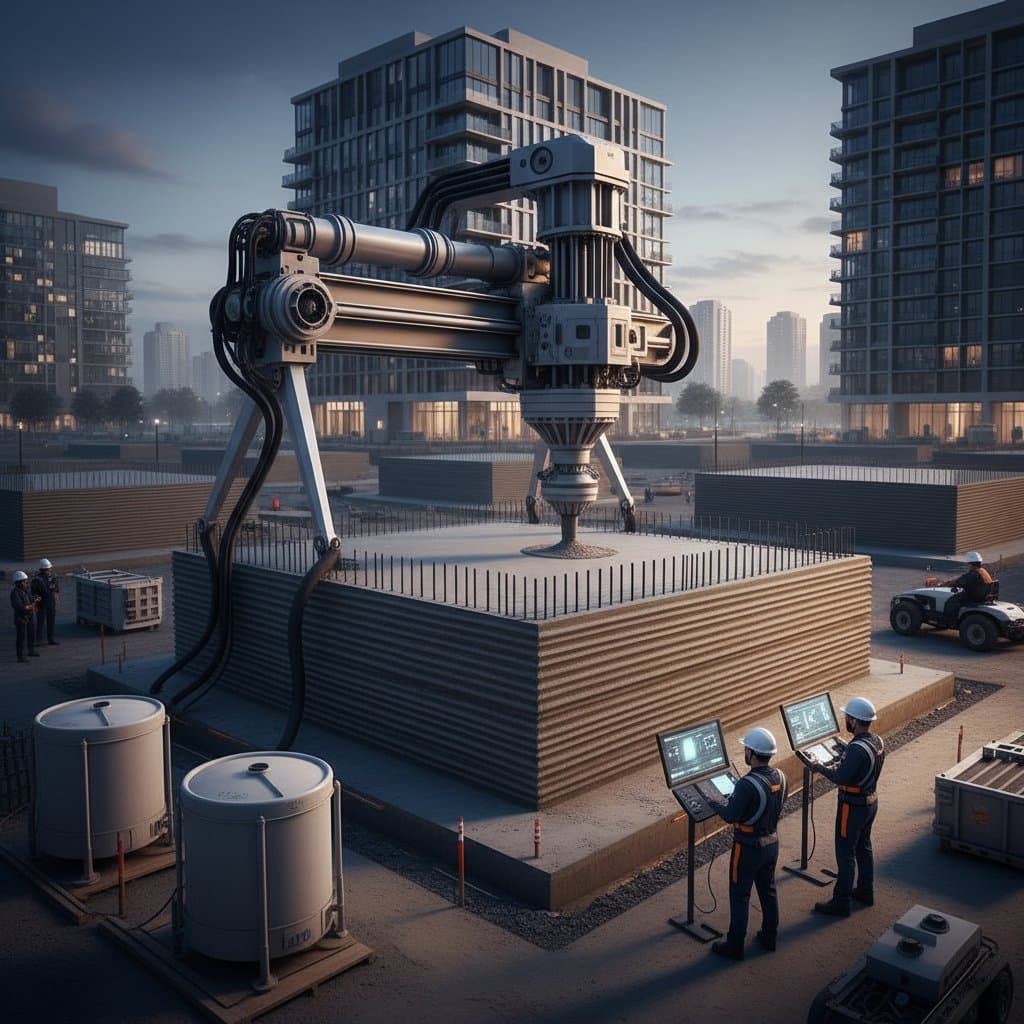
3D-printed concrete foundations promise speed and precision, completing in just 48 hours—but success depends on rigorous inspection, moisture control, and calibration. This guide reveals how to spot red flags early, manage costs, and coordinate teams so rapid construction doesn’t compromise structural integrity, durability, or long-term performance.

8 min read
Featured image for 3D Printing Cuts Foundation Time by 70 Percent

3D Printing Cuts Foundation Time by 70 Percent

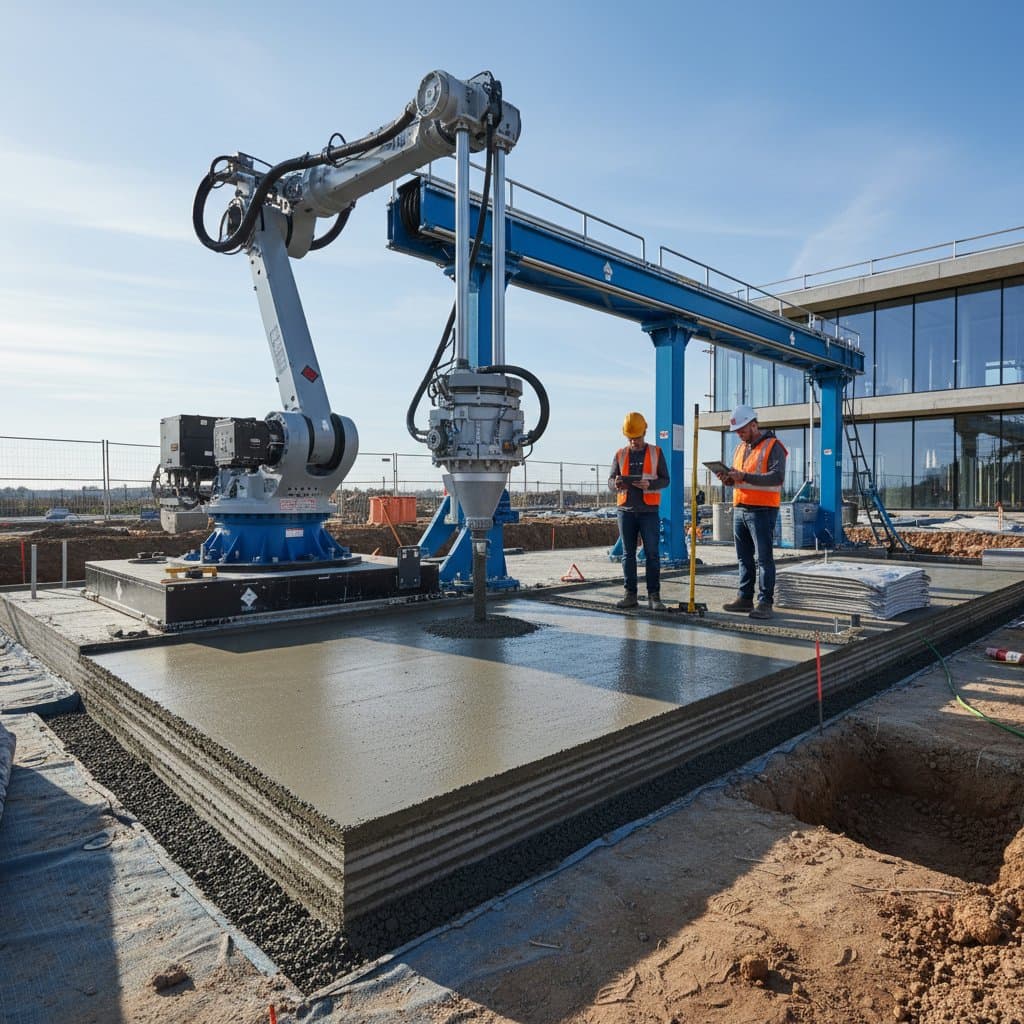
3D printed foundations revolutionize construction by slashing build times by up to 70 percent. Automated systems deliver precision layering with sustainable concrete mixes, resulting in stronger structures built faster and with less environmental impact. This guide details site preparation, material selection, printing steps, and finishing techniques to help you implement this innovative approach.

6 min read
Featured image for 3D Printed Concrete Cuts Housing Costs and Build Time

3D Printed Concrete Cuts Housing Costs and Build Time

3D printed concrete transforms residential construction by automating the process with precision and efficiency. This method layers specialized concrete mixtures based on digital blueprints, which reduces expenses, minimizes waste, and shortens project durations. Builders achieve cost-effective, long-lasting, and personalized homes that combine cutting-edge technology with practical accessibility.

6 min read
Featured image for Why 3D Concrete Homes Are Finally Ready for 2025

Why 3D Concrete Homes Are Finally Ready for 2025

By 2025, 3D concrete homes shift from innovative trials to practical realities. Accelerated printing, refined materials, and decreased expenses enable the creation of sturdy, personalized residences in days. These homes cut waste, labor needs, and pollution, revolutionizing accessible and green housing for builders, investors, and residents alike.

5 min read
Featured image for 3D Concrete Printing Cuts Foundation Time by 60%

3D Concrete Printing Cuts Foundation Time by 60%

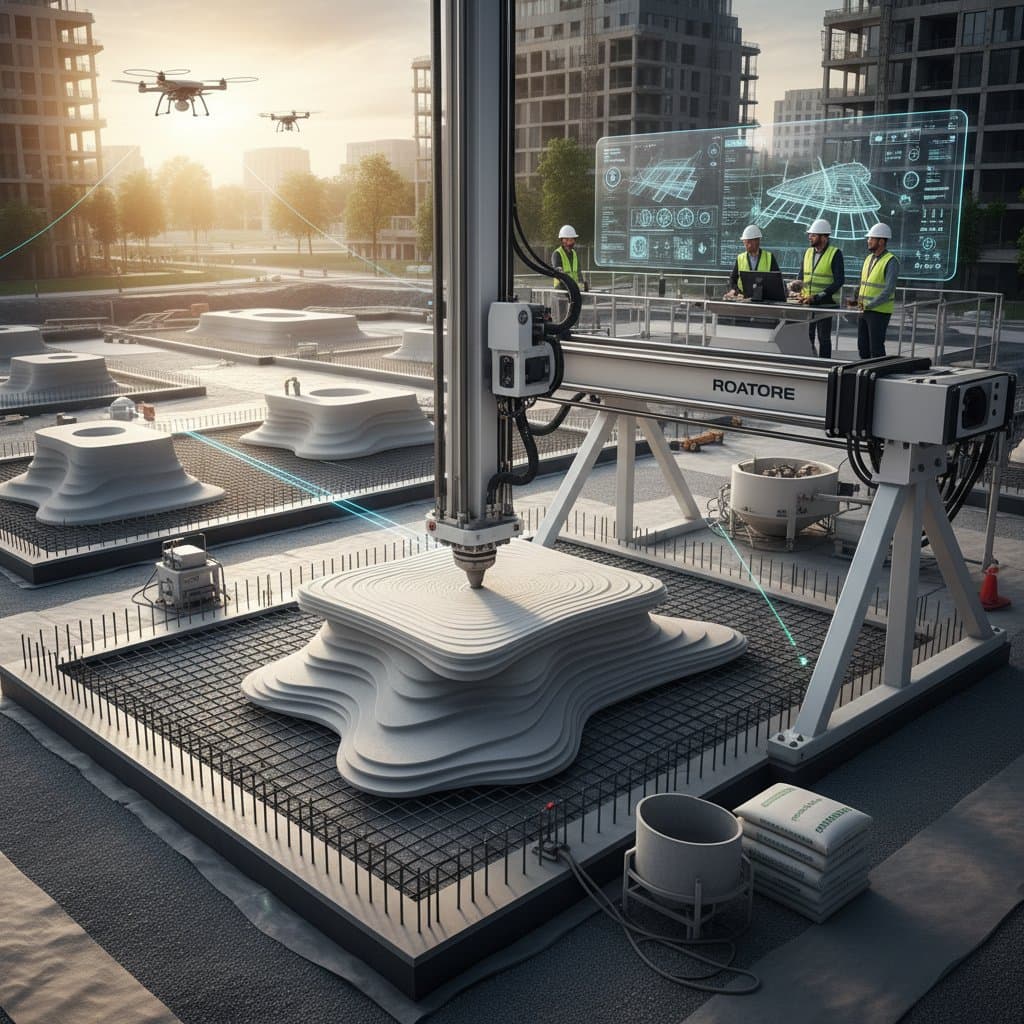
3D printed concrete foundations provide remarkable speed, accuracy, and environmental benefits by reducing construction time up to 60 percent. The automated layering process minimizes waste, labor requirements, and errors while enabling greater design versatility. Although initial setup expenses and regulatory hurdles may impede widespread use, the technology offers proven durability and efficiency that position it as a transformative approach to foundation building.

6 min read
Featured image for What to Check Before Buying a 3D-Printed Home

What to Check Before Buying a 3D-Printed Home

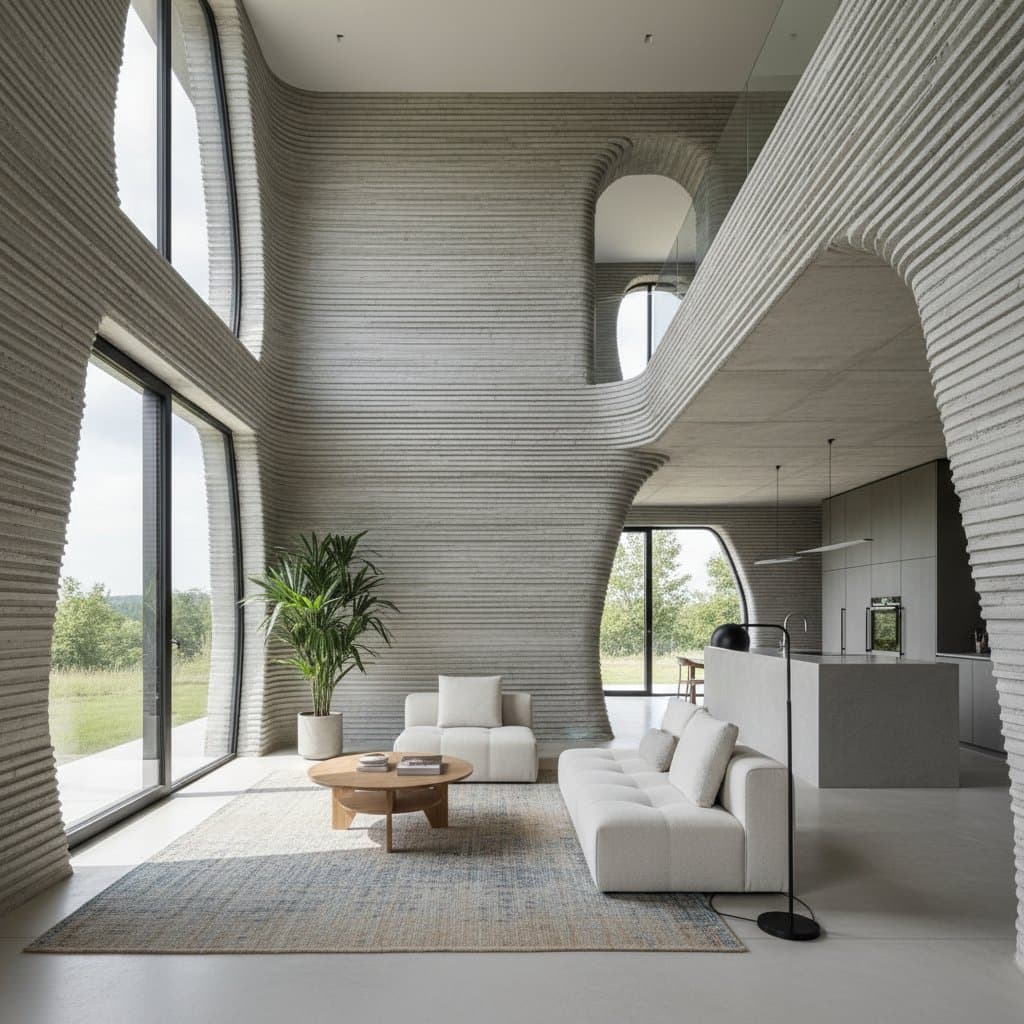
3D-printed concrete homes evolve from innovative concepts to conventional builds, delivering rapid construction and cost efficiencies while requiring meticulous evaluations. Key aspects include layer integrity, moisture barriers, and utility integrations. Thoughtful oversight and upkeep yield resilient, energy-efficient residences shaping tomorrow's housing landscape.

5 min read