#construction

Articles tagged with construction

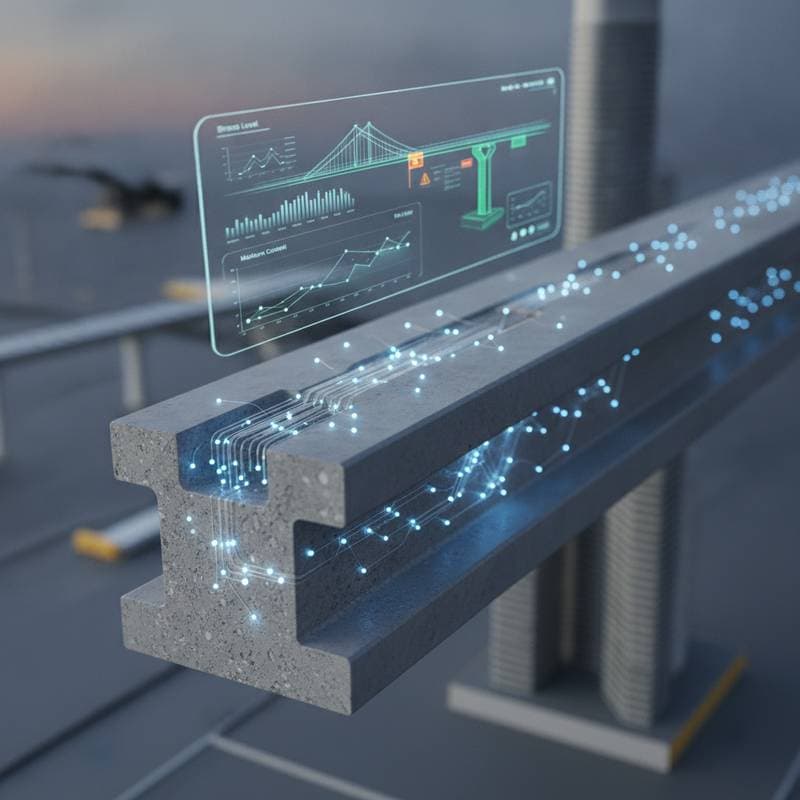
Featured image for Smart Concrete Sensors Extend Structure Life 20-40%

Smart Concrete Sensors Extend Structure Life 20-40%

Smart concrete embedded with IoT sensors enables real-time structural monitoring, predicting stress, corrosion, and potential failures before they occur. Though installation adds modest upfront cost, it extends lifespan, reduces maintenance, and enhances safety across bridges, buildings, and other infrastructure.

5 min read
Featured image for 3D Concrete Printing Slashes Construction Time 70%

3D Concrete Printing Slashes Construction Time 70%

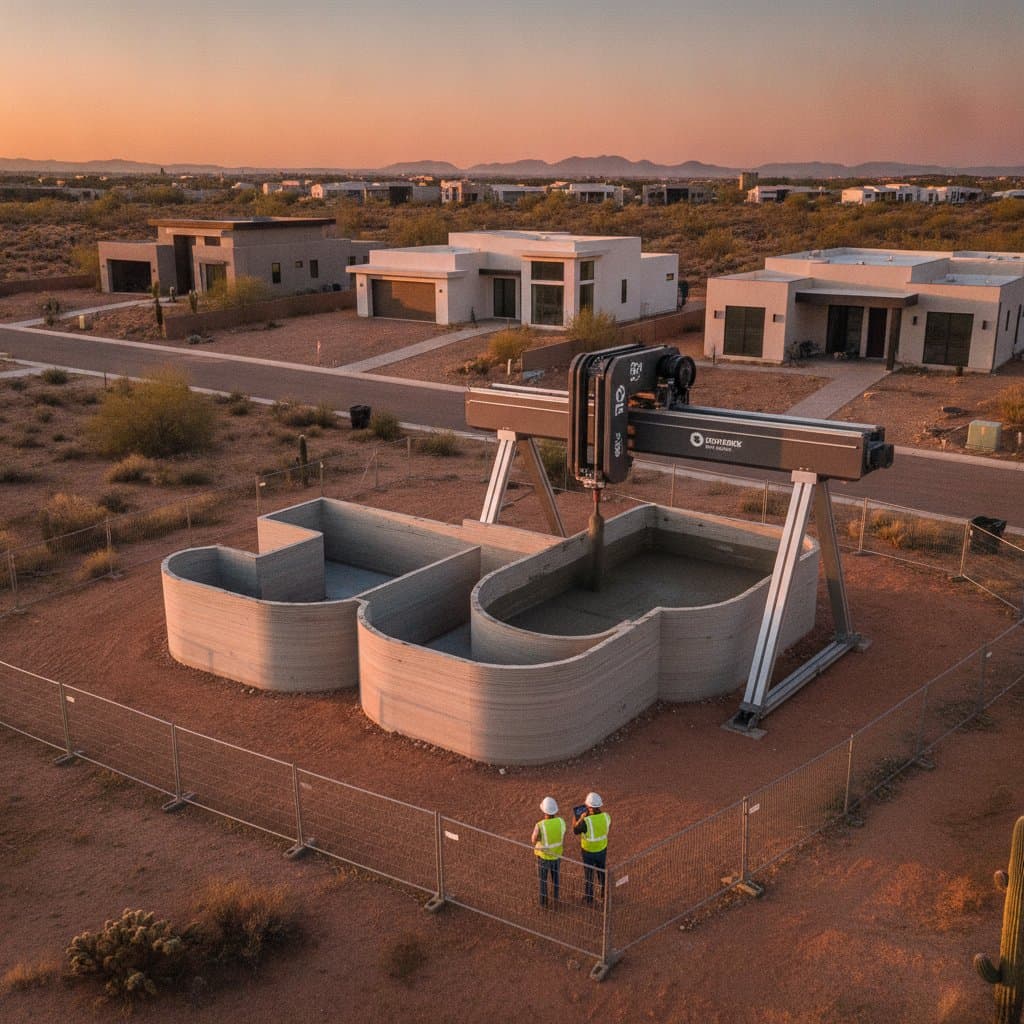
3D-printed concrete homes are revolutionizing construction, slashing build times by 70 percent while cutting costs and waste. Using robotic printing and specialized mixes, builders create durable, customizable structures in days. From permitting to curing, this guide explains the process, materials, and innovations shaping faster, stronger, and more sustainable housing.

3 min read
Featured image for IoT Sensors Catch Foundation Problems Before Cracks Form

IoT Sensors Catch Foundation Problems Before Cracks Form

IoT sensors are transforming home maintenance by detecting foundation shifts and moisture changes long before cracks appear. Coupled with smart inspection routines and expert guidance, they help homeowners prevent costly repairs, prioritize drainage and stability, and keep budgets predictable while ensuring structural health through data driven, proactive monitoring and timely intervention.

6 min read
Featured image for 3D-Printed Concrete Homes Cut Build Costs 50%

3D-Printed Concrete Homes Cut Build Costs 50%

3D-printed concrete homes transform affordable housing through automation, sustainability, and precision engineering. These structures offer durable, energy-efficient options at around $99,000 by 2026. This comprehensive guide covers the construction process, essential materials, planning steps, and the balance between personal involvement and expert guidance for successful projects.

6 min read
Featured image for Smart Sensors Catch Concrete Cracks Before They Form

Smart Sensors Catch Concrete Cracks Before They Form

Smart sensors embedded in concrete monitor strain, humidity, and temperature in real time, alerting users to potential issues before cracks develop. This preventive technology reduces costs, extends lifespan, and simplifies upkeep for residential and commercial properties. Discover setup strategies, troubleshooting, and alternatives to enhance your concrete management.

4 min read
Featured image for IoT Sensors Transform Concrete Into Intelligent Systems

IoT Sensors Transform Concrete Into Intelligent Systems

Embedding IoT sensors in concrete changes static structures into dynamic systems that track curing, stress, and corrosion in real time. This approach supports proactive maintenance, improves safety, and prolongs the life of infrastructure. Builders gain stronger, more sustainable projects through smart planning and data analysis, while minimizing costs and uncertainties in construction.

5 min read
Featured image for 3D-Printed Homes Built in Days, Not Weeks

3D-Printed Homes Built in Days, Not Weeks

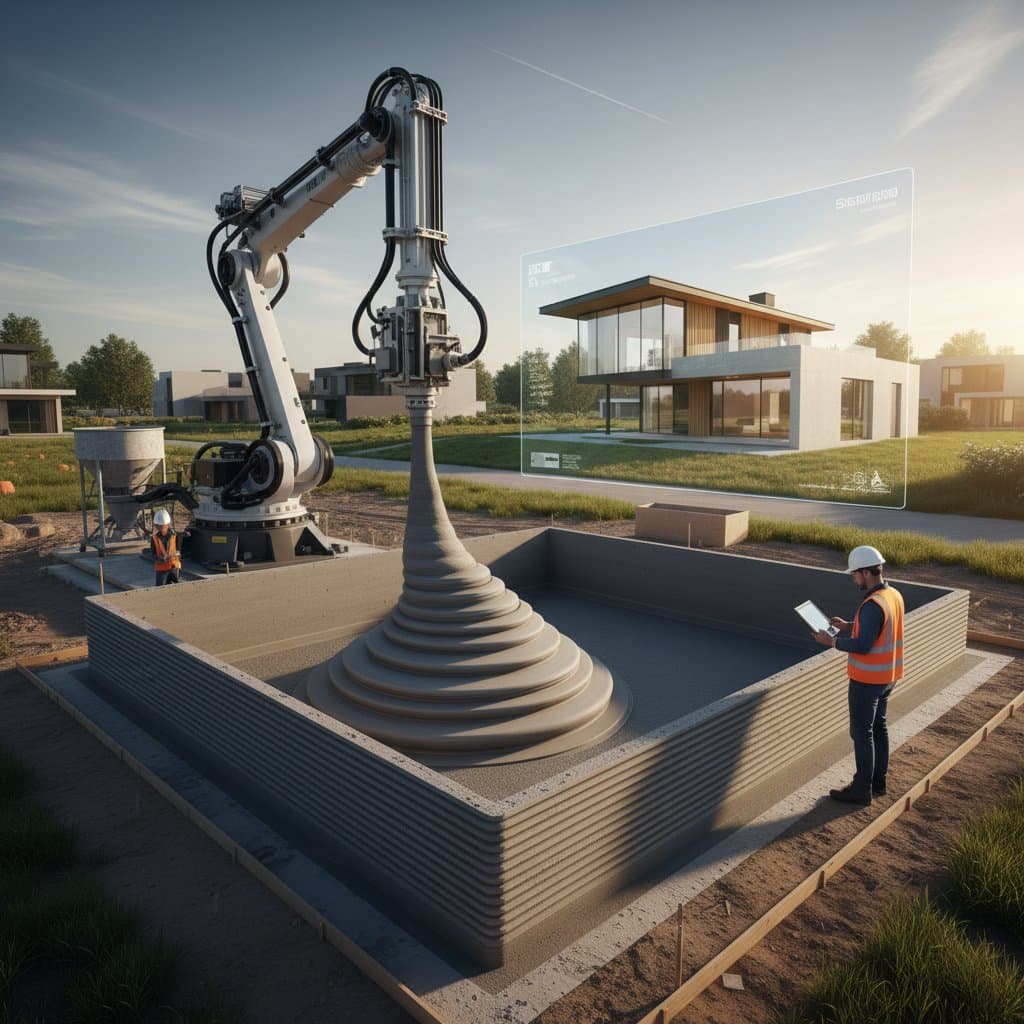
By 2026, 3D-printed concrete homes redefine suburban development through accelerated construction, labor efficiencies, and precise sustainability. Robotic systems craft resilient, tailored walls, fostering accessible housing. Despite hurdles in regulations and detailing, this innovation heralds a streamlined era for residential building.

5 min read
Featured image for Smart Pavers Catch Driveway Problems Before They Crack

Smart Pavers Catch Driveway Problems Before They Crack

IoT smart pavers elevate standard driveways into intelligent systems that continuously track moisture, pressure, and temperature levels. These innovations detect potential cracks, frost heave, or drainage issues before they worsen, thereby extending the surface's lifespan and minimizing repair expenses. Despite a higher initial investment, the predictive analytics, seamless smart home connectivity, and robust construction position them as a forward-thinking choice for discerning homeowners.

6 min read
Featured image for 3D-Printed Foundations Cut Build Times 50-70%

3D-Printed Foundations Cut Build Times 50-70%

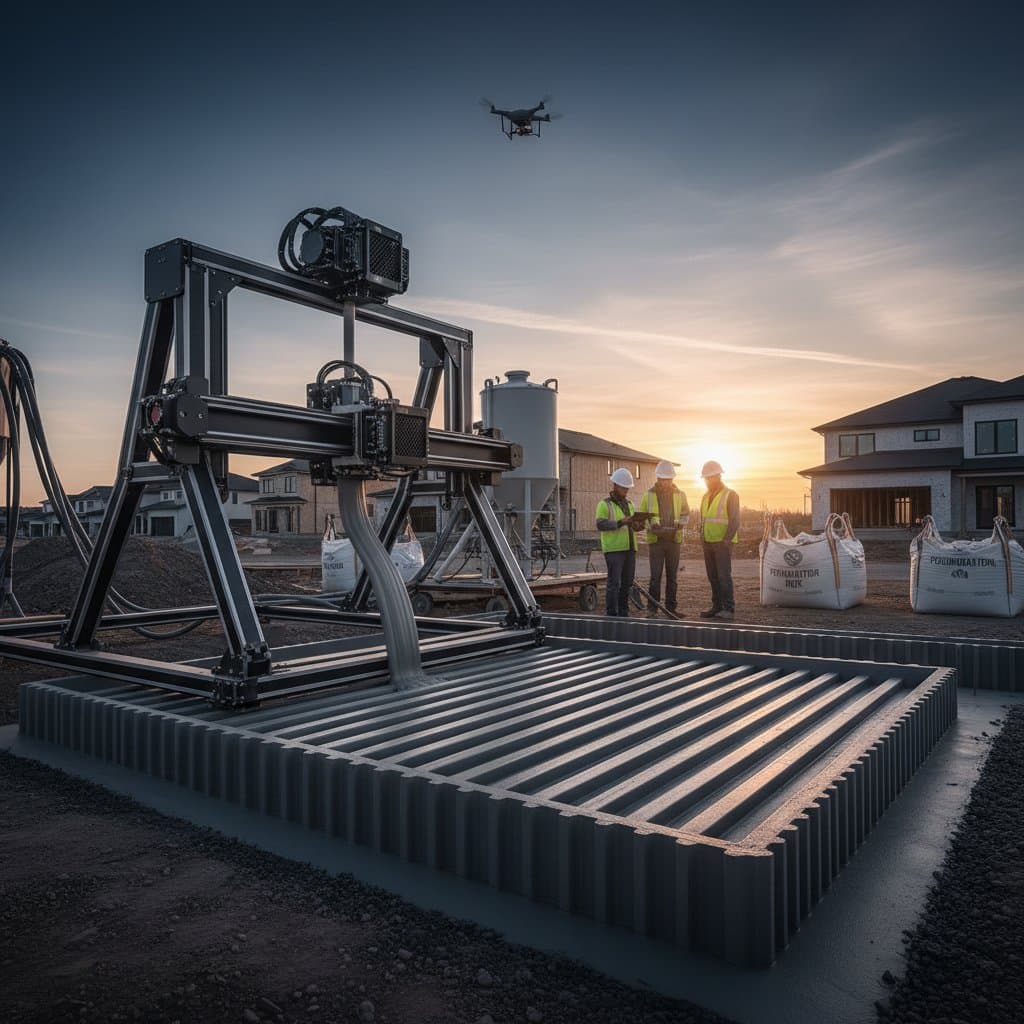
3D-printed foundations transform the construction industry by reducing build times up to 70 percent, minimizing waste, and lowering overall costs. Robotic systems apply specialized concrete with exact precision to create strong, compliant structures that require far less manual labor. This emerging technology, projected to become widespread by 2026, enhances construction speed, promotes sustainability, and improves structural integrity.

6 min read
Featured image for Zero-Cement Bricks Cut Carbon With Same Strength

Zero-Cement Bricks Cut Carbon With Same Strength

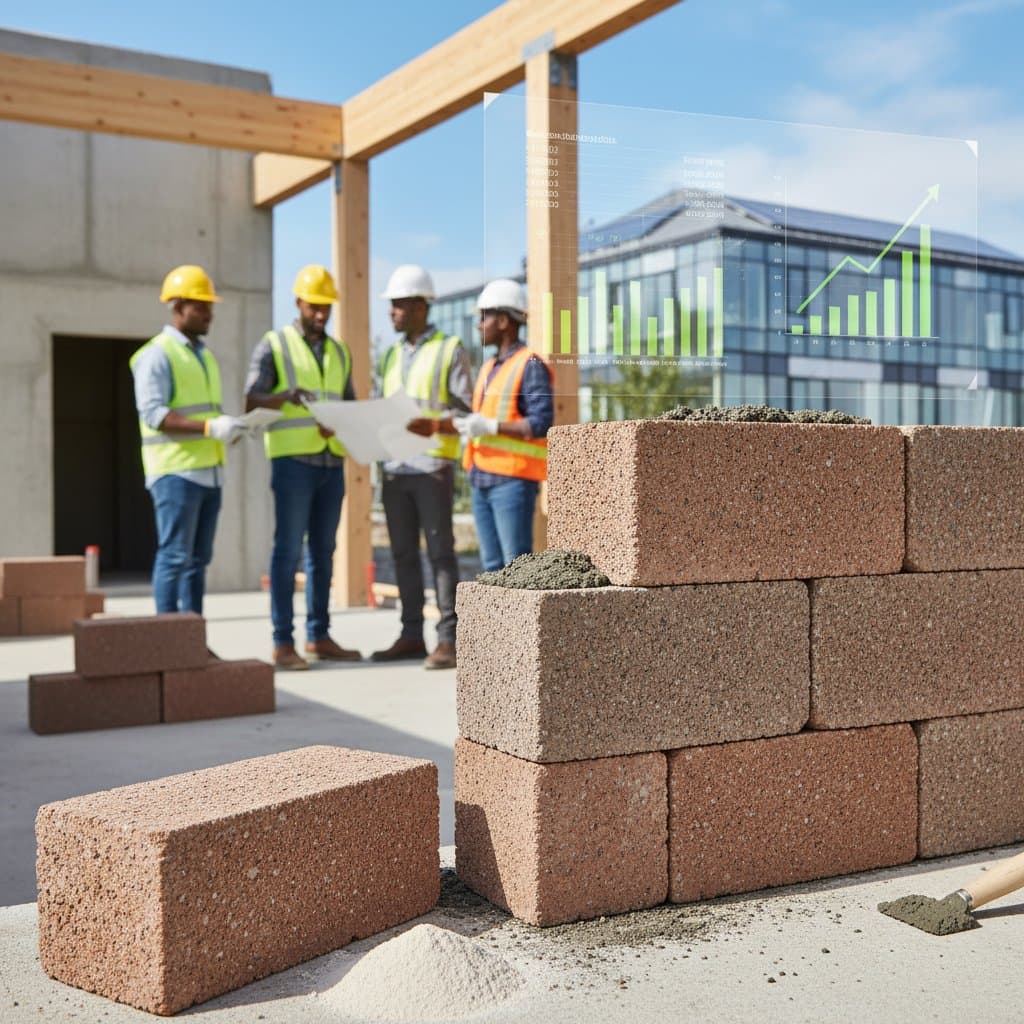
Zero-cement bricks, known as geopolymers, substitute Portland cement with industrial byproducts such as fly ash and slag. This innovation reduces carbon emissions significantly while providing comparable strength and durability to conventional materials. With potential lifespans exceeding 75 years, these bricks address supply and mixing hurdles, positioning them for widespread adoption in sustainable building by 2026.

5 min read
Featured image for 3D-Printed Homes Cut Build Time to Days Not Weeks

3D-Printed Homes Cut Build Time to Days Not Weeks

By 2026, 3D-printed concrete homes stand poised to redefine suburban construction through accelerated timelines, reduced waste, and creative architectural possibilities. Robotic printers layer concrete with precision, delivering robust, customizable structures that address labor shortages and environmental concerns. Although challenges like regulatory hurdles and skill gaps persist, this innovation promises to reshape housing affordability and community landscapes.

5 min read
Featured image for 3D Printing Cuts Foundation Time to 4-6 Days

3D Printing Cuts Foundation Time to 4-6 Days

3D printing revolutionizes foundation construction by reducing build times by up to 60 percent, while improving precision, sustainability, and cost savings. This detailed guide examines necessary equipment, materials, and regulatory requirements, along with a step-by-step process, troubleshooting advice, and maintenance strategies to assist builders in determining if this advanced method suits their upcoming projects.

5 min read