
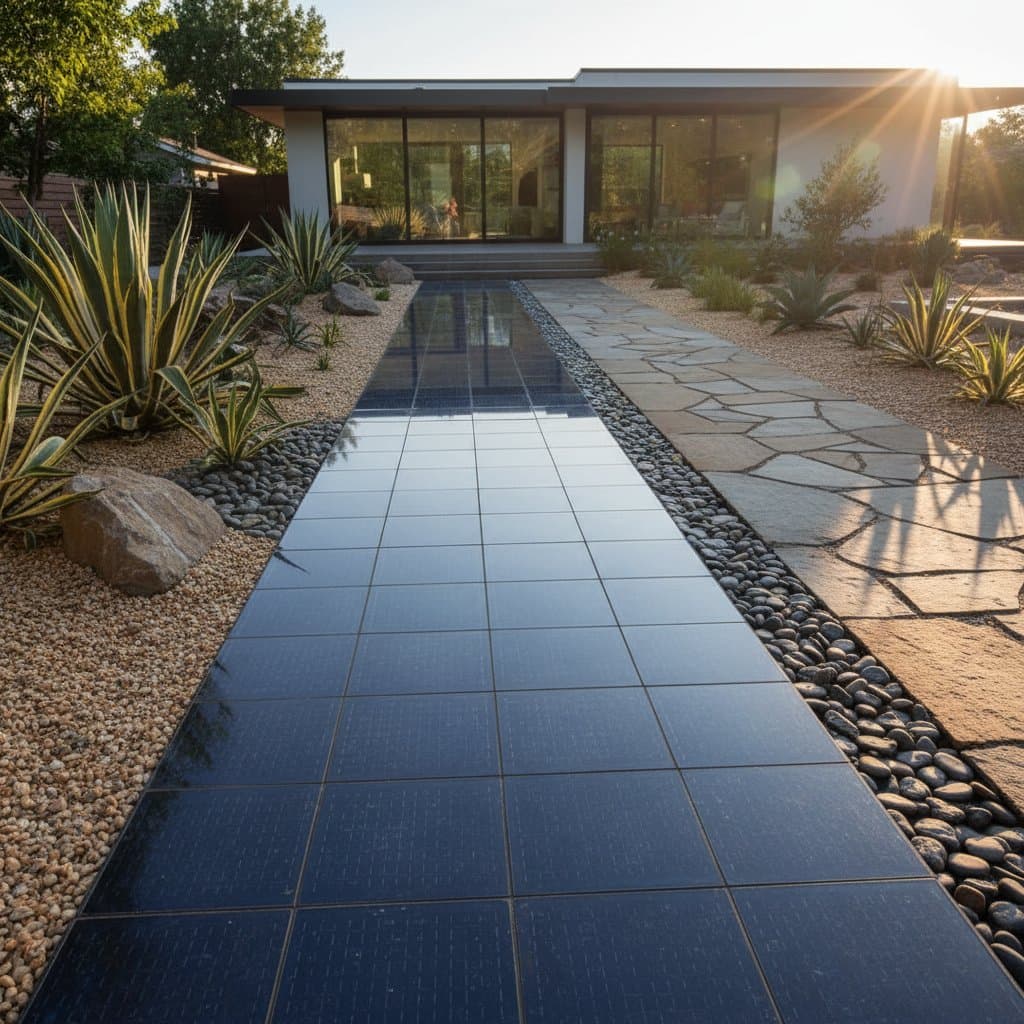
Understanding Solar Pavers
Solar pavers embed photovoltaic technology into paving materials, allowing walkways to generate electricity while supporting foot traffic. These systems appeal to homeowners seeking sustainable landscaping solutions that contribute to energy needs. However, their higher cost compared to conventional stone or concrete pavers stems from specialized components and installation demands.
The primary advantage lies in decentralized power production, which reduces reliance on rooftop solar in shaded properties. Output varies based on surface area and sunlight exposure, typically powering low-demand features like pathway lighting or outdoor outlets. Realistic planning ensures these investments deliver value without unexpected complications.
Initial Site Assessment
Begin evaluation by observing the pathway during peak sunlight hours. Note shadow patterns cast by trees, structures, or fences throughout the day. Areas receiving fewer than four hours of direct sun produce insufficient energy to offset the premium pricing of solar pavers.
Examine soil stability and drainage patterns next. Test for standing water after rain, as pooled moisture accelerates wear on panels and electrical connections. Verify the existing base layer supports even weight distribution to prevent shifting or cracking under load.
Measure the distance to the nearest electrical panel or outlet. Longer runs require extensive trenching, which elevates labor and material expenses significantly. Assess integration potential with existing low-voltage lighting to minimize new infrastructure needs.
Identifying Potential Issues
Shaded sections under tree canopies or building overhangs limit photovoltaic efficiency and inflate costs relative to output. Unstable bases with cracks or settling fail to maintain paver alignment, leading to frequent repairs.
Poor drainage that retains water along edges promotes corrosion in wiring and reduces panel lifespan. Lack of accessible electrical infrastructure demands costly extensions, while overambitious claims of powering entire homes from limited pathway areas set unrealistic expectations.
Surface treatments that compromise grip or durability in wet conditions pose safety hazards. Always prioritize systems with certified weatherproofing to withstand freeze-thaw cycles and heavy use.
Cost Considerations and Solutions
Solar pavers command prices two to three times higher than comparable stone installations due to integrated solar cells, wiring, and control systems. For a 200-square-foot pathway, expect total costs ranging from $15,000 to $30,000, including excavation, conduit placement, and inverters.
Retrofit options from select manufacturers allow insertion into existing paver grids, cutting demolition expenses by up to 40 percent. These modules yield slightly lower energy per unit area but simplify upgrades on stable surfaces.
Address low sunlight by selectively pruning overhanging branches rather than expanding the paved area, which saves on materials without sacrificing performance. Insist on isolated electrical setups to comply with safety standards and preserve warranty coverage.
Aesthetic add-ons, such as solar-integrated seating or bollards, often arise mid-project. Budget an additional 20 percent for these features and discuss them during initial design to control overall expenditure.
Upgrading Existing Infrastructure
Pathways
Stable, well-drained walkways suit partial solar conversions in high-sun zones. Address frost damage or root intrusion by excavating and recompacting the sub-base with gravel layers for uniform support. Avoid overlaying solar units on compromised ground, as movement risks damaging embedded electronics.
Electrical Components
Overloaded main panels necessitate subpanel additions or dedicated circuits to accommodate solar input safely. Replace deteriorated conduits and junction boxes to eliminate corrosion risks and ensure code compliance.
Lighting Systems
Direct solar pavers toward illuminating pathways or security features for practical energy application. Upgrade outdated fixtures to LED models before solar integration, maximizing efficiency gains from generated power.
Assembling the Right Team
Engage an electrician experienced in photovoltaic systems early to evaluate panel capacity, grounding requirements, and permit needs. Their input prevents costly code violations during later stages.
Partner with a landscape contractor skilled in powered hardscapes for precise base preparation and conduit installation. Coordination between trades ensures seamless integration of structural and electrical elements.
Involve a landscape architect to design paver layouts that optimize sunlight capture while maintaining visual harmony and drainage flow. For grid-tied systems, a certified solar professional handles final commissioning to avert interconnection errors.
Integrated project management incurs 10 to 20 percent extra fees but streamlines workflows and minimizes delays from inspections or revisions. Select all professionals simultaneously to align on critical details like routing paths before any ground breaking occurs.
Setting Project Priorities
Focus first on practical energy applications, such as illuminating walkways, operating gate mechanisms, or running irrigation pumps. These uses align output with realistic generation capacities from pathway surfaces.
Emphasize durability by selecting pavers with textured surfaces for slip resistance and robust seals against environmental exposure. Test system performance through a complete seasonal cycle before pursuing ornamental enhancements.
Retain functional borders or curbs from prior installations if they remain intact. Cosmetic replacements seldom justify the added expense unless tied to broader site improvements.
Planning Budget and Installation Sequence
Establish a structured timeline to manage costs effectively.
- Verify sunlight and drainage conditions on-site.
- Repair or reconstruct the base layer, then install protective conduits.
- Place pavers and complete electrical terminations.
- Conduct output tests prior to applying joint fillers or protective coatings.
- Integrate monitoring equipment and controls as the final step.
Prioritize water management throughout, as accumulation undermines both structural integrity and electrical safety. Post-installation, shield joints from erosion and remove debris to sustain module efficiency.
Ensuring Long-Term Performance
Conduct seasonal inspections for surface haze, fractures, or exposed wiring. Swap out individual underperforming or damaged units promptly to maintain overall system output.
Maintain clear sightlines by trimming encroaching foliage and clearing overhead obstructions that cause afternoon shading. Schedule professional checks for voltage stability and insulation integrity to detect early signs of water ingress.
As one veteran installer in Oregon observed, “Moisture finds every weak point. Keep the joints tight and the grade right, and the system will run for decades.”
Solar pavers offer a dual-purpose solution for design-conscious property owners aiming to incorporate renewable energy. Conduct thorough site walks to map shade and runoff patterns, determining suitability before committing resources. With measured goals, solid preparation, and expert oversight, these pathways deliver sustained environmental and economic benefits.