
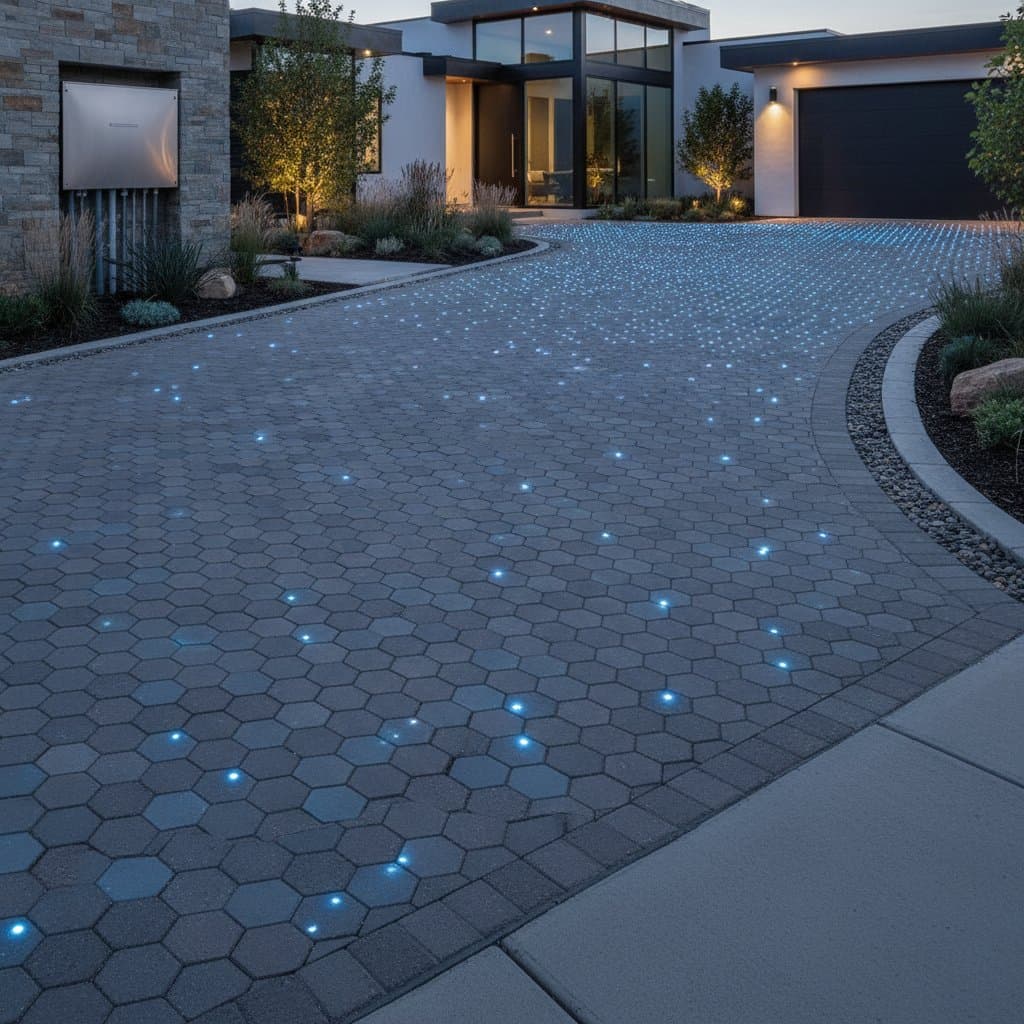
Smart Solar Pavers: Check These 6 Things First
Smart solar pavers integrate photovoltaic cells and LED lighting into durable surfaces, creating driveways that generate power and illuminate paths without external wiring. These systems offer convenience and efficiency, yet their performance hinges on proper site preparation. Moisture intrusion, unstable bases, and inadequate electrical planning pose significant risks that can lead to failures and increased costs.
Success requires evaluating drainage, sunlight exposure, and structural integrity from the outset. With careful checks, homeowners achieve long-lasting installations that enhance safety and reduce maintenance. The following sections outline essential considerations for a reliable setup.
Essential Site Checks
Before installing smart solar pavers, perform these field assessments to identify potential issues.
- Surface slope: Verify that the driveway slopes away from the house foundation. Water pooling accelerates wear on pavers and introduces electrical hazards.
- Existing base stability: Insert a screwdriver into the driveway edges. If the material shifts or disintegrates, the base requires reinforcement to support solar modules.
- Sun exposure: Observe shadows throughout the day. Obstructions like trees or buildings that shade over 50 percent of the area reduce energy output substantially.
- Temperature fluctuations: Examine the current surface for cracks or heaving caused by freeze-thaw cycles. Composite materials expand and contract, demanding a resilient substructure.
- Electrical capacity: Inspect the main panel for available space and service amperage. Even low-power systems need dedicated circuits and breakers.
- Drainage paths: Ensure downspouts direct water away from the driveway. Separating water flow from electrical components prevents corrosion and shorts.
These evaluations determine if the site supports the installation without extensive modifications.
Warning Signs to Address
Certain indicators signal underlying problems that escalate expenses or compromise safety.
- Subgrade that releases water under foot pressure after rain, indicating poor compaction.
- Fine cracks in concrete or asphalt that allow moisture seepage.
- Pavers that shift or tilt with minimal force, suggesting base instability.
- Efflorescence or white mineral deposits, evidence of trapped moisture.
- Overhanging branches casting shade for extended periods.
- Puddles forming along edges where wiring conduits would be placed.
- Signs of rodents or insects near potential wiring routes.
- Lack of available breaker slots in the electrical panel.
Addressing these early avoids cost overruns; ignoring them can double the project budget.
Common Fixes and Cost Estimates
Installation costs begin at levels comparable to high-end concrete or stone driveways, rising with site challenges. Key components include:
- Base reconstruction: Remove unstable material and recompact gravel, costing 6 to 10 dollars per square foot.
- Solar paver units: Prices range from 20 to 35 dollars per square foot, varying by energy capacity and aesthetic finish.
- Wiring and controls: Allocate 2 to 5 dollars per square foot for conduits, connections, and inverter integration.
- Lighting features: Incorporate LEDs, motion sensors, and controllers at 1 to 3 dollars per square foot.
- Battery storage option: Add 1,500 to 4,000 dollars for overnight lighting capacity.
Opt for thorough preparation over shortcuts, such as overlaying weak bases or overloading circuits. Such approaches lead to premature failures under load or moisture stress. Additional expenses often arise from drainage adjustments and conduit rerouting.
Strategies for Repair or Replacement
Base and Drainage Improvements
Prioritize drainage corrections to safeguard the entire system. Rebuild bases showing softness or pumping; superficial patches fail under traffic. Establish clear water outflow to prevent long-term erosion.
Paver Upgrades
Retrofit solar and LED elements into existing modular pavers if the base remains stable and drainage functions well. Reserve full replacement for scenarios requiring uniform power generation or aesthetic cohesion.
Electrical Enhancements
Retain recent, grounded wiring suitable for outdoor use. Replace outdated or undersized conduits with dedicated low-voltage lines to enhance safety and compliance.
Lighting Replacements
Swap out LED inserts or strips with ease. Systems enabling individual module access minimize disruption during repairs.
Control System Adjustments
Select accessible mounting locations for hubs, such as garage interiors. Buried units complicate future maintenance and increase replacement costs.
Assembling the Right Team
Engage a site inspector or engineer versed in outdoor electrical and paving systems for initial assessments of slope, drainage, and soil conditions. Consult an architect or landscape designer to integrate the driveway with surrounding features like paths or terraces.
A licensed electrician ensures panel adequacy, conduit paths, and adherence to codes for low-voltage setups. Coordinate through a general contractor for excavation, compaction, and layout execution. In regions with severe weather, involve a civil engineer or drainage expert to mitigate freeze-thaw or flood risks.
Parallel consultations prevent sequential errors that inflate budgets. Professional oversight typically increases costs by 10 to 20 percent but averts expensive revisions.
Prioritizing Project Elements
Focus on high-impact actions:
- Regrade and compact the base to achieve optimal slope.
- Install perimeter drains or dry wells to manage runoff.
- Secure wiring conduits before placing pavers.
- Position solar modules in consistently sunlit areas.
- Select control hubs compatible with expandable smart home integrations.
Avoid low-value efforts, such as replacing shaded sections entirely or introducing intricate patterns that demand custom wiring. Retain compatible existing materials to streamline the layout.
Installation Sequencing and Budgeting
Adhere to this sequence to minimize rework:
- Address water management: Grade surfaces, dig trenches, and verify drainage routes.
- Build structure: Compact the base to eliminate depressions under weight.
- Install electrical infrastructure: Lay and test conduits prior to surfacing.
- Place pavers: Start from low points to preserve alignment and slope.
- Connect controls: Install sensors, wire connections, and verify lighting function.
- Apply finishes: Seal surfaces and fill joints once systems operate fully.
Reversing steps buries defects. Conduct tests at each phase before proceeding.
Ensuring Durability Against Moisture
Water poses the primary threat to solar pavers. Opt for permeable bedding like coarse gravel over fine sand to allow drainage. Seal joints thoroughly to block infiltration.
Conduct biannual inspections for clogs, algae, or seal cracks. Promptly clear debris and replace damaged components to protect internal wiring from corrosion.
Safety and Structural Standards
Verify paver compression ratings exceed 6,000 psi to withstand vehicle loads. Request manufacturer test data for confirmation.
In snowy climates, confirm compatibility with deicing methods; certain coatings degrade under salt exposure. Design lighting for uniform, non-distracting illumination, incorporating dimming sensors to comply with regulations and conserve energy.
Realistic Energy Expectations
Driveway solar systems generate limited power, sufficient for lighting and minor devices but not home-scale needs. Value derives from eliminated wiring and enhanced safety.
Factors like shade, debris, and weather reduce efficiency. Maintain surfaces with gentle cleaning; avoid high-pressure methods that compromise seals. Replace clouded panels entirely.
Connecting to Home Automation
Choose open-protocol hubs for seamless links to security, weather, or lighting networks. Battery additions sustain illumination during outages.
For grid-tied exports, secure utility permissions and documentation to ensure safe inverter operation.
Ongoing Maintenance Practices
Seasonally review joints, seals, and LED functionality. Swift LED replacements seal out moisture. Protect hubs from pests and dust.
Anticipate module swaps every 10 years; stock matching spares for uniformity. Track inverter output to detect corrosion or new shading issues.
Assessing Long-Term Value
Payback varies with local rates and solar availability, often covering only lighting expenses. Benefits include wiring savings, upkeep reductions, and safety gains.
Quality installations endure 20 years with routine care; subpar ones succumb quickly to environmental stresses.
Steps to Launch Your Project
After rain, survey the driveway for pooling, instability, or foundation-directed flow. Correct grading issues promptly.
Map daily sunlight patterns; confine solar elements to unshaded zones. Have an electrician evaluate panel and circuit readiness, then consult a contractor for base verification.
Share site data across the team for designs rooted in reality. A prepared foundation yields a driveway that powers and lights reliably, ensuring safe navigation for years ahead.