
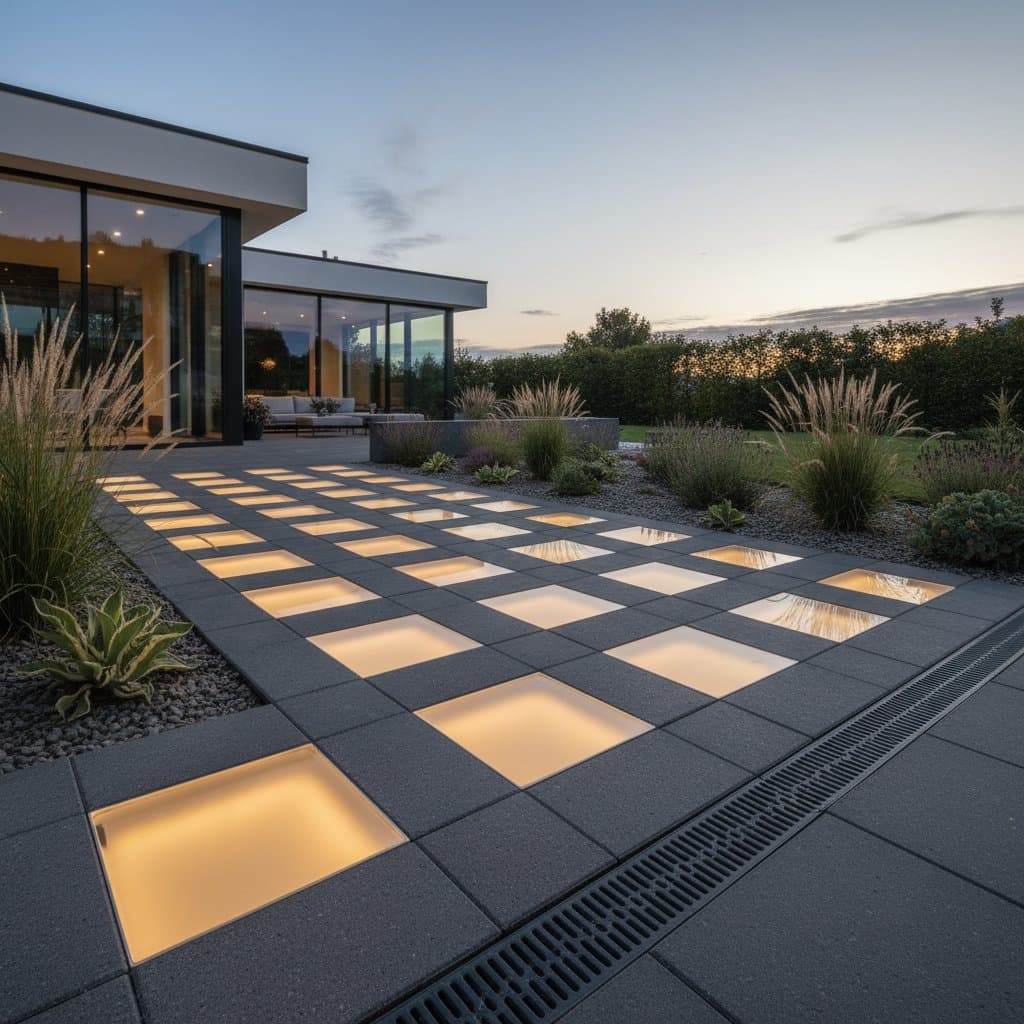
Understanding Solar Pavers
Solar pavers integrate lighting into walkway and patio designs, harnessing sunlight to power subtle glows that activate at night. These units eliminate the need for electrical wiring or extensive digging, offering a clean alternative to traditional path lights. However, their performance hinges on proper site preparation, particularly stable foundations and effective water management, to prevent premature failures from moisture or shifting soil.
Key advantages include energy efficiency and low maintenance, but challenges arise from environmental factors like shade or poor drainage. Homeowners often overlook these during initial planning, leading to uneven lighting or shortened lifespans. Addressing these elements upfront ensures reliable operation and enhances property value through improved outdoor usability.
Initial Site Assessment
Begin by observing your outdoor space during transitional times, such as dusk, to pinpoint areas lacking illumination or posing potential hazards. Identify zones that receive consistent direct sunlight throughout the day, as partial shade from overhanging branches or structures can reduce charging efficiency by up to 50 percent. Measure the terrain's incline using a simple level tool; slopes greater than 5 percent may require additional stabilization to avoid paver displacement.
Examine soil conditions by applying pressure to potential installation spots. Areas that yield or move underfoot indicate unstable subsoil, which demands correction before proceeding. Document obstacles like underground utilities, sprinkler lines, or tree roots, as these influence paver placement and may necessitate professional surveys to prevent damage during installation.
Identifying Potential Issues
Scan for visible signs of water accumulation in proposed paver locations, as pooled moisture accelerates component degradation. Inspect the existing ground cover for instability, including loose gravel, fractured concrete, or soil erosion that could undermine the structure over time. Evaluate how surrounding contours channel water; improper grading that funnels runoff toward foundations risks structural damage to both the pavers and the home.
Consider product inconsistencies, such as varying light outputs from mixed manufacturer units or discrepancies in hue temperature. Budget models often feature inadequate protection, like unsealed enclosures that allow water ingress, leading to battery corrosion within months. Look for organic growths, such as moss or salt deposits on current surfaces, which signal persistent dampness and predict similar problems for new installations.
Test prototype units in situ: after a day of full exposure, weak illumination points to insufficient solar capacity or faulty internals. These red flags warrant immediate attention to avoid costly overhauls later.
Preparing the Foundation and Addressing Fixes
Establish a firm base using layered compacted gravel, followed by a leveling course of coarse sand, typically 4 to 6 inches deep for residential paths. For minor regrading, rent a plate compactor to achieve uniform density, preventing future settling that disrupts alignment. Professional services for this phase on a 100-square-foot area generally range from $200 to $500, depending on site complexity and material transport.
Select pavers constructed with impact-resistant materials, such as reinforced polycarbonate lenses over aluminum frames, priced between $15 and $45 per unit based on lumen output and aesthetic finishes. Anticipate battery replacements every 2 to 5 years, costing $2 to $5 each, and opt for accessible designs that facilitate easy swaps without disassembly. Steer clear of flimsy alternatives with exposed wiring or minimal weatherproofing, as they succumb to elemental wear rapidly.
When addressing drainage concerns, prioritize subtle modifications like installing French drains—perforated pipes buried in gravel trenches—along edges to redirect flow. Resurfacing with impermeable sealants offers only temporary relief and can exacerbate subsurface moisture buildup, especially in freeze-thaw climates where it contributes to heaving. During larger projects, such as patio expansions, integrate lighting plans early with hardscaping teams to synchronize base work and minimize disruptions.
Deciding on Repairs or Full Replacements
For established stone or concrete surfaces, incorporate solar pavers selectively by cutting precise recesses to match existing dimensions and tones, preserving the original layout's integrity. This approach suits minor upgrades, avoiding the expense and labor of total resurfacing. Reserve complete overhauls for scenarios involving foundational instability or when achieving cohesive visual appeal demands uniformity across the expanse.
Transitioning from outdated wired systems involves capping redundant cables securely and positioning solar units to replicate prior coverage without circuit overloads. Such swaps reduce ongoing electrical demands and simplify future adjustments. When individual components falter, prioritize targeted interventions: replace degraded batteries or seals in otherwise sound housings to extend usability, rather than discarding functional frames.
Assembling the Right Team
Engage a landscape professional experienced in illumination and hydrology to oversee site mapping and earthwork. If historical settling or flooding patterns exist, consult a geotechnical expert for soil analysis and tailored drainage solutions prior to any excavation. Hybrid setups blending solar and wired elements occasionally require an electrician's input for safe integration, though pure solar installations rarely do.
Coordinating multiple specialists increases upfront expenses by 20 to 30 percent but streamlines execution, reducing errors like misaligned grading. Maintain communication with paver suppliers to verify part interoperability, ensuring seamless sourcing for ongoing needs.
Prioritizing Installation Elements
Tackle hydrology challenges at the outset, as excess moisture compromises electronics within weeks of exposure. Verify substrate firmness and gradient alignment next, using laser levels for precision in larger areas. Prioritize robust models featuring shatterproof glass faces and comprehensive rubber gaskets that withstand submersion tests.
Postpone aesthetic enhancements, like intricate mosaics or RGB capabilities, until basic performance proves reliable through initial trials. Retain viable legacy materials, such as intact brick edging, to blend new elements harmoniously and control costs.
Planning Budget and Installation Sequence
Allocate initial funds to preparatory tasks: excavate, grade, and compact the subbase to support even weight distribution. Position pavers in a dry run to evaluate gaps and projected light patterns, adjusting for optimal overlap without crowding. Secure solar inserts final, post-filling joints with polymeric sand that locks units while permitting minor flex.
Conduct a validation test following 24 hours of peak solar intake, measuring output consistency across the array. Install perimeter barriers, such as plastic edging strips, to curb lateral movement from foot traffic or weathering. This methodical progression typically spans 1 to 3 days for modest projects, yielding a durable setup ready for seasonal use.
Long-Term Care for Optimal Performance
Periodically clean paver surfaces with a soft brush and mild detergent to remove accumulated dirt, ensuring maximum light transmission. Clear obstructions like fallen foliage from solar faces weekly during autumn to sustain charge rates. Inspect internal compartments annually for signs of oxidation, applying dielectric grease to terminals as preventive maintenance.
Promptly address underperforming units by isolating and swapping components, preserving the pathway's uniform glow. Regular vigilance extends the system's lifespan beyond a decade, delivering sustained savings on energy and repairs.
Enhancing Outdoor Safety and Enjoyment
Your pathway to brighter evenings starts with a deliberate walkthrough: after twilight falls, catalog shadowy zones where added light would deter accidents and invite lingering. Cross-reference these with daytime sun maps to align placements effectively. This targeted evaluation informs purchases, transforming routine yard navigation into a secure, welcoming experience year-round.