
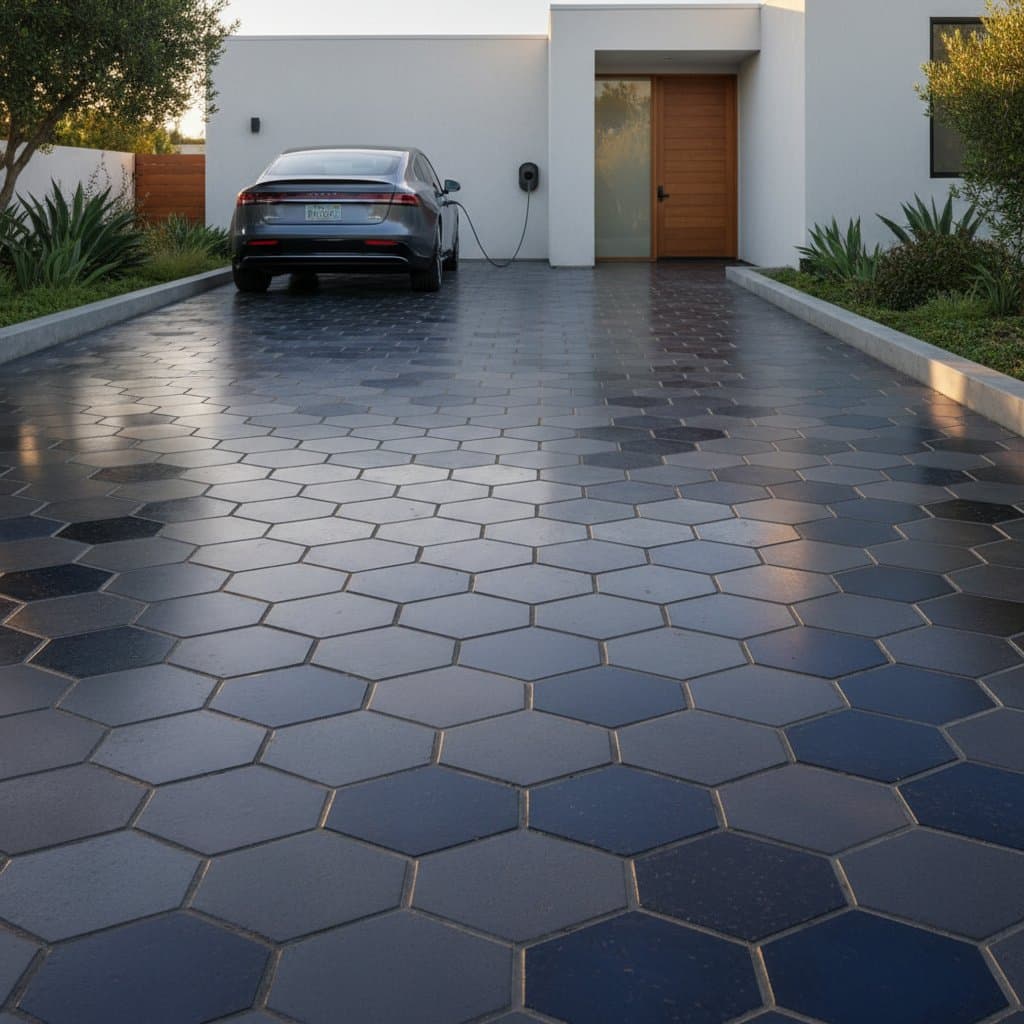
Major Decision Factors: Climate conditions, budget constraints, local permitting requirements, and average daily sunlight hours influence the viability of a solar paver installation.
Planning Your Solar Driveway Project
Before initiating the installation, evaluate the technical specifications and regulatory requirements of the site. Solar pavers demand precise planning to guarantee electrical performance alongside structural integrity.
Permits and Codes
Municipalities typically mandate electrical and building permits for any photovoltaic setup. Connections adhere to the National Electrical Code (NEC) and prevailing local building regulations. Certain regions enforce inspections to verify slip resistance, load-bearing strength, and effective drainage.
Site Considerations
Examine these elements prior to finalizing the project:
- Sun Exposure: Orientations toward the south or west maximize sunlight capture. Steer clear of zones with substantial shading from trees or structures.
- Soil Conditions: Clay-heavy or drainage-poor soils necessitate enhanced base layering for stability.
- Slope and Drainage: Establish a 1 to 2 percent gradient to facilitate water runoff. Accumulated water diminishes efficiency and accelerates wear on components.
- Power Connection Access: Integrate the system with the home's primary electrical panel via a dedicated inverter or battery storage solution.
Cost Analysis
For a standard 500-square-foot driveway, expect installation expenses ranging from $9,000 to $14,000. Savings on energy bills vary by consumption patterns and solar availability, with many owners recouping the investment within 8 to 12 years. Adding battery storage elevates costs by 20 to 30 percent, yet it enables self-sufficiency during power disruptions.
Executing the Installation
Solar paver placement merges conventional paving methods with electrical wiring protocols.
1. Lay the Solar Modules
Commence at one corner and proceed systematically, preserving even gaps between units. Employ spacers for consistent joint widths. Alignment ensures both aesthetic patterns and uninterrupted electrical flow.
2. Route and Connect Wiring
Adhere strictly to the manufacturer's wiring schematics. Each paver features interlocking male and female connectors that engage below the surface. Direct cables through embedded conduits to the central junction box adjacent to the inverter.
3. Compact and Stabilize
Upon completing the layout, apply a rubber-plate compactor lightly to embed the pavers without scratching the glass surfaces. Fill joints with polymeric sand and sweep excess material away to secure the assembly.
4. Electrical Integration
Engage a certified electrician to link the inverter and synchronize with the home's electrical system. Grid-connected setups require utility company authorization prior to energizing the array.
5. Test and Calibrate
After integration, measure voltage production and assess overall efficiency using the system's smart controller or companion application. Verify that the surface withstands minor vehicle traffic while remaining level and secure.
Maintaining Long-Term Efficiency
Solar pavers demand less upkeep than conventional rooftop panels, though consistent attention sustains appearance and output levels.
Regular Cleaning
Apply a solution of mild soap and water with a soft-bristle brush every two to three months. Accumulated grime or residues can impair generation by as much as 10 percent. Refrain from high-pressure washing to protect sealing integrity.
Seasonal Checks
Conduct examinations of wiring and seals biannually. In regions with winter precipitation, remove snow using plastic-edged tools exclusively. Avoid de-icing salts that risk corroding electrical contacts.
Lifespan and Replacement
Premium solar pavers endure 20 to 25 years, experiencing an annual efficiency decline of approximately 0.5 percent. Damaged units permit individual substitution without dismantling the full installation, supporting extended modular service.
Pro Tips for Success
- Plan Wiring Access Early: Install conduits during initial site preparation to eliminate future disruptions.
- Combine Functions: Limit solar pavers to sun-drenched sections and pair with conventional pavers in shaded areas to control expenses.
- Monitor Performance: Equip with a smart controller for real-time tracking of generation metrics and early anomaly detection.
- Protect Edges: Install concrete borders around the perimeter to resist shifting and enhance durability.
- Design for Drainage: Integrate a gentle incline to avert water pooling, which obstructs light absorption and fosters microbial buildup.
Sustaining Your Solar Driveway Investment
Beyond vehicular support, a solar paver driveway reclaims idle space as a renewable energy asset, mitigating utility expenses and elevating property worth. Through diligent inspections, methodical cleaning, and timely interventions, owners secure reliable operation across decades. Advancing innovations in modular design facilitate output enhancements without comprehensive overhauls.