Smart Sensors Catch Foundation Movement Before Cracks Form
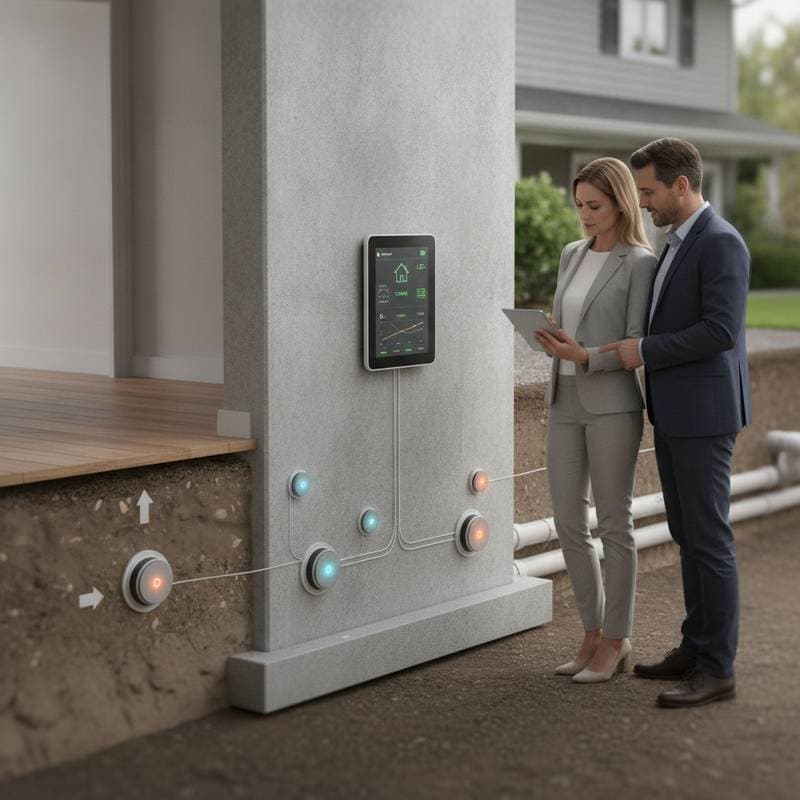
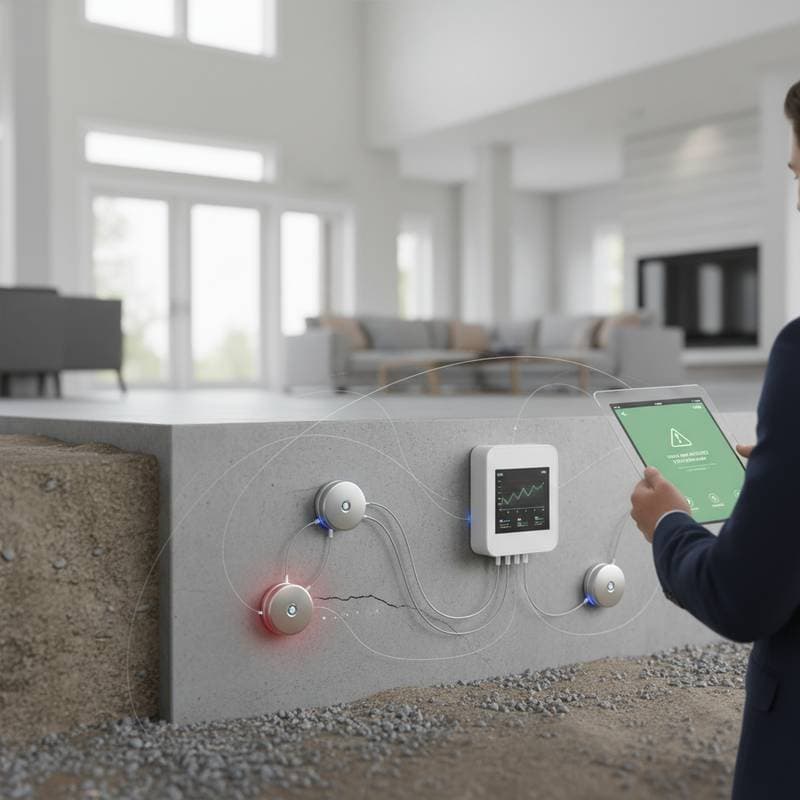
Smart sensors identify foundation shifts through precise tilt and moisture tracking long before cracks appear. Homeowners gain time to correct drainage and stabilize soil at lower cost.
Loading...
Articles tagged with structural
Smart sensors identify foundation shifts through precise tilt and moisture tracking long before cracks appear. Homeowners gain time to correct drainage and stabilize soil at lower cost.
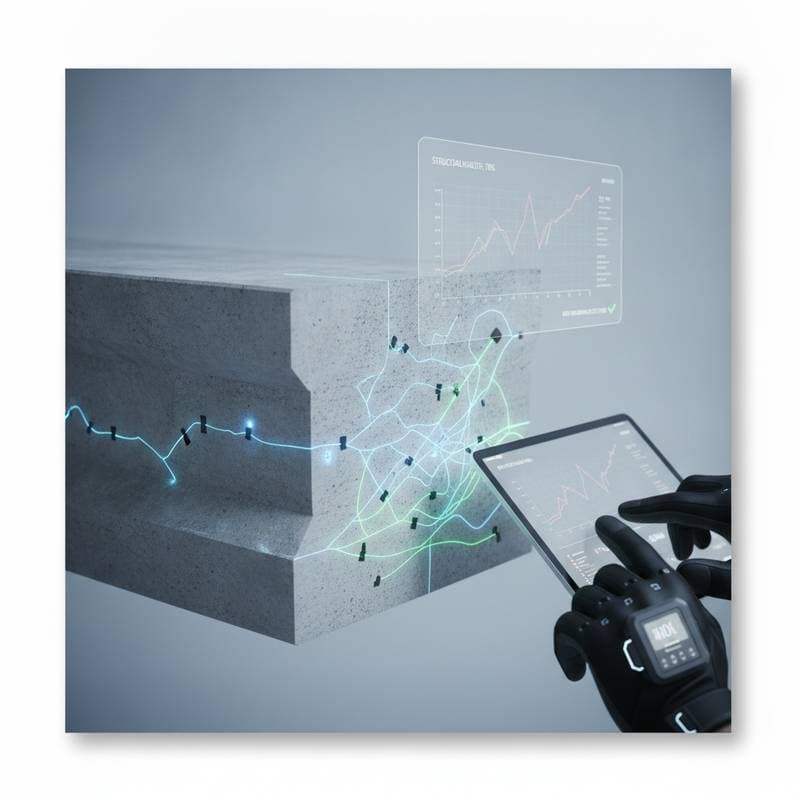
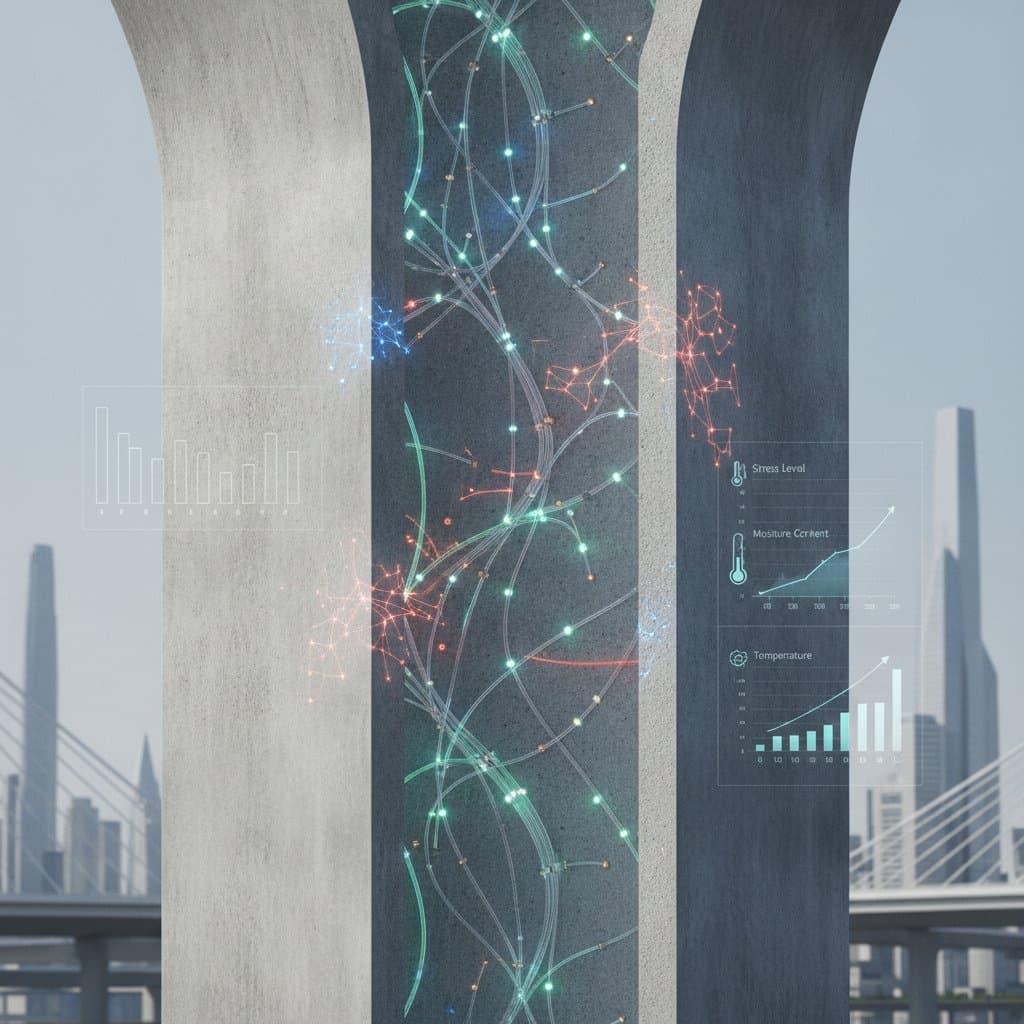
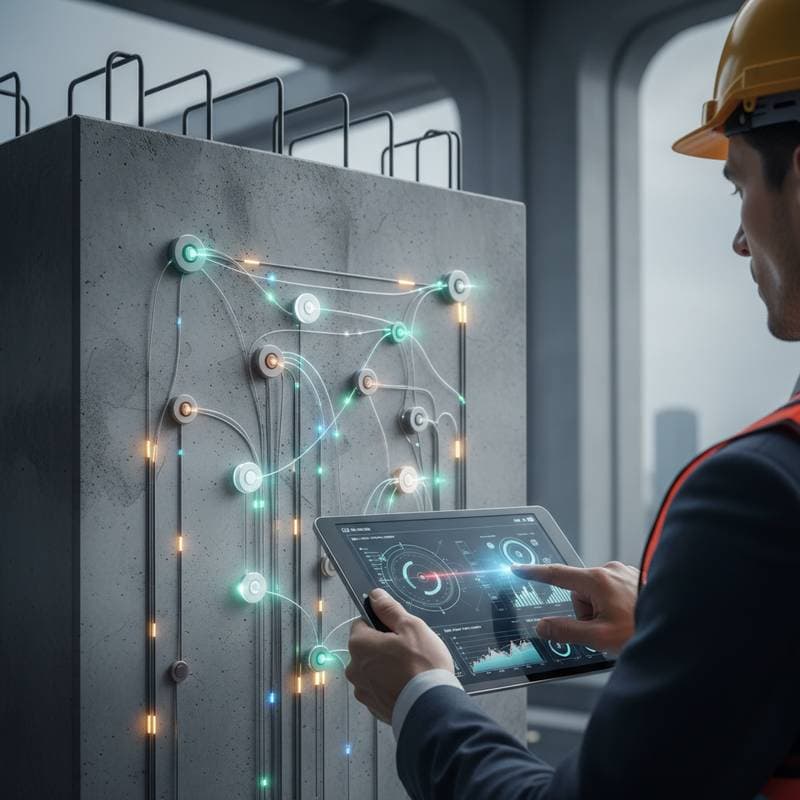
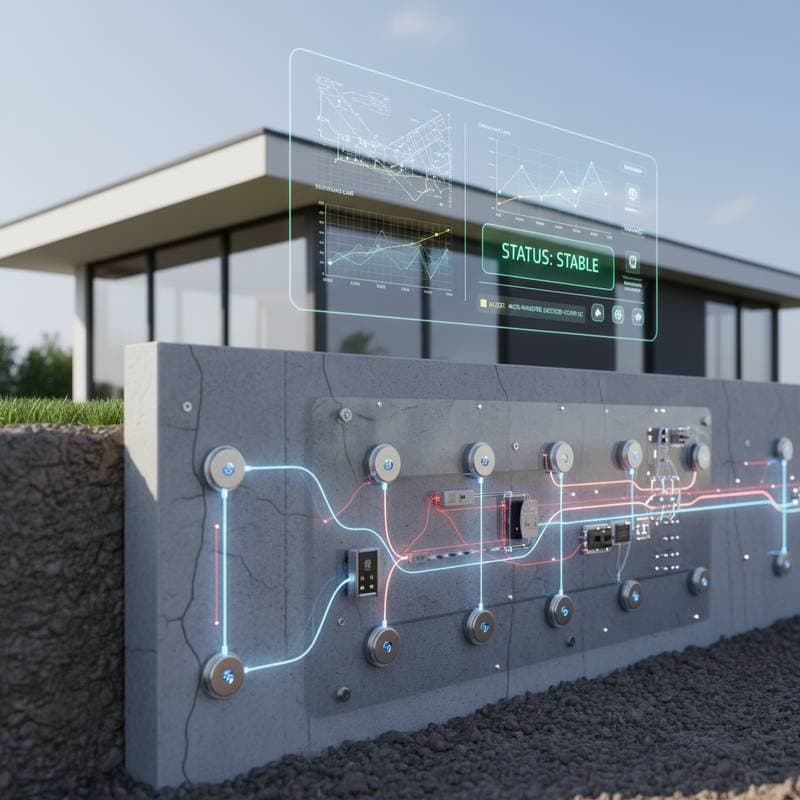
Smart concrete embeds sensors that track stress, moisture, and temperature continuously. This technology supports early detection, data-driven maintenance decisions, and reduced repair costs when properly calibrated and integrated.
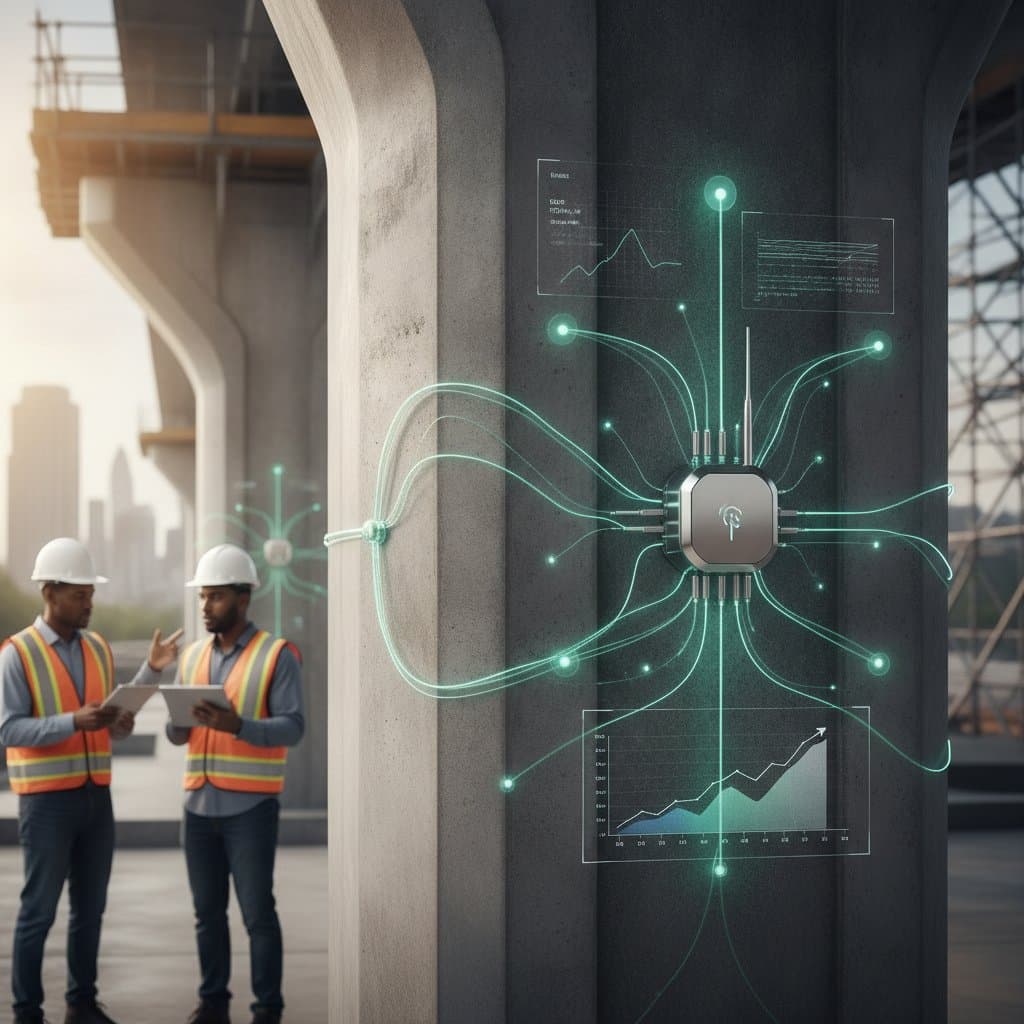
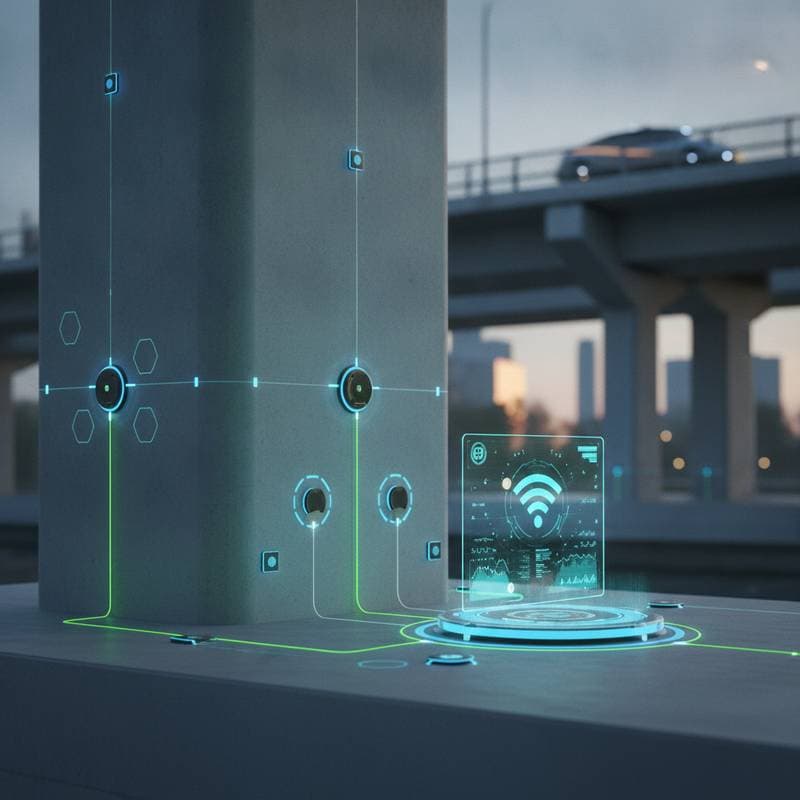
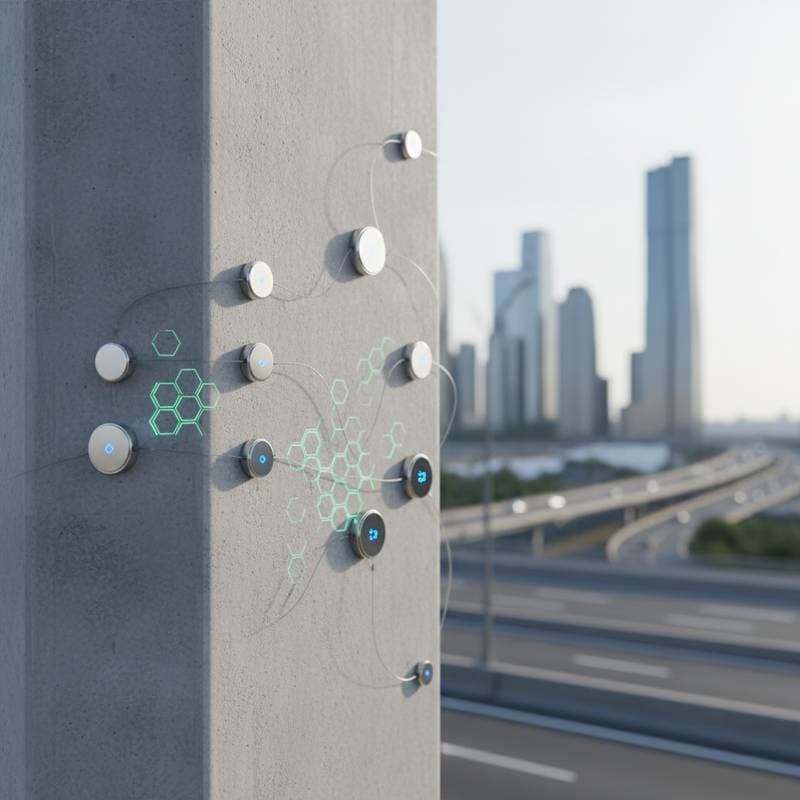
IoT sensors embedded or mounted on concrete structures track hidden stress, moisture, and corrosion. Real time data enables predictive maintenance that cuts costs and extends service life.
Smart concrete embeds IoT sensors to monitor internal conditions continuously. This technology enables early detection of stress and damage, lowers maintenance expenses, and improves long-term safety for buildings and infrastructure.
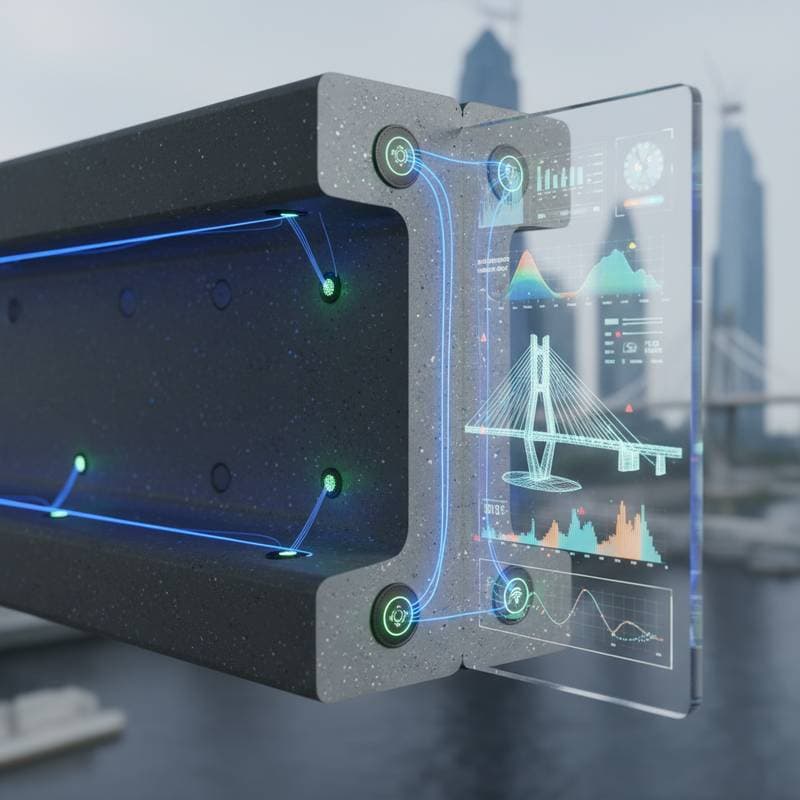
Smart concrete embeds IoT sensors to track strain, temperature, and corrosion continuously. The technology improves safety, lowers long term maintenance costs, and supports proactive infrastructure decisions across project scales.
Foundation sensors provide early alerts to soil movement, transforming potential structural failures into routine upkeep.
Smart concrete integrates robust traditional materials with advanced digital monitoring. IoT sensors embedded within detect moisture, stress, and temperature fluctuations, uncovering potential problems before they worsen. Paired with on-site inspections, this data enables precise repairs, controls maintenance expenses, and supports informed choices between repair and replacement, transforming concrete into an intelligent, responsive structural element.
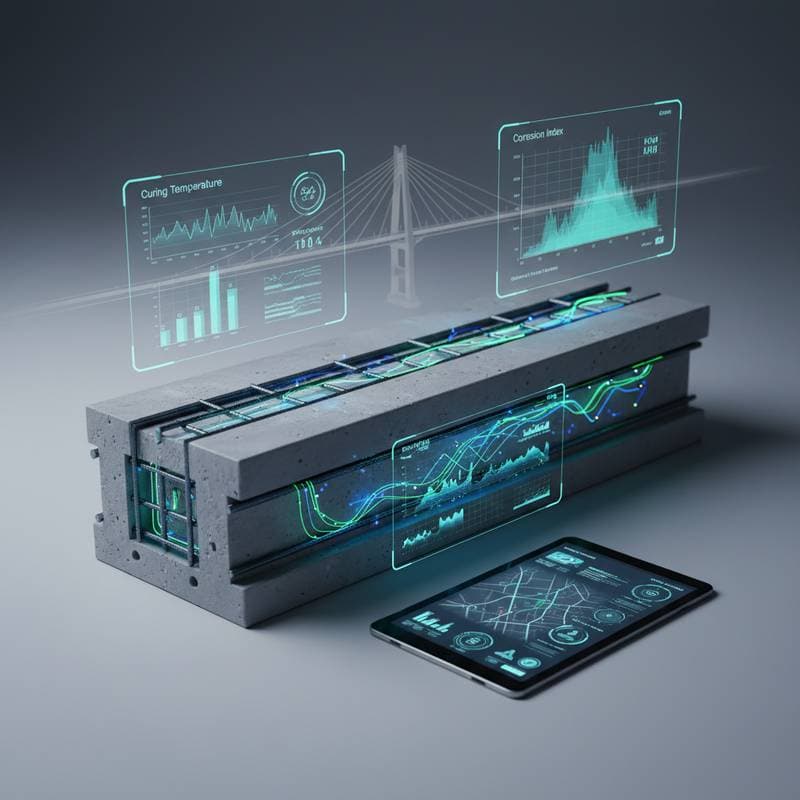
Embedding IoT sensors in concrete changes static structures into dynamic systems that track curing, stress, and corrosion in real time. This approach supports proactive maintenance, improves safety, and prolongs the life of infrastructure. Builders gain stronger, more sustainable projects through smart planning and data analysis, while minimizing costs and uncertainties in construction.
IoT smart concrete integrates sensing technology into traditional materials, creating intelligent structures that track stress, temperature, and moisture continuously. Embedded sensors deliver real-time data to detect potential damage early, allowing engineers to extend structure lifespans, lower maintenance expenses, and improve overall safety. This innovation drives a shift toward data-informed practices in construction, promoting sustainability and reliability.
Smart sensors revolutionize concrete maintenance through early detection of stress, vibrations, and moisture issues that precede visible cracks. This proactive approach averts expensive repairs, prolongs structural durability, and enables efficient budgeting. Success hinges on accurate installation, precise data analysis, and prompt interventions, transforming concrete into a proactive, self-monitoring material.
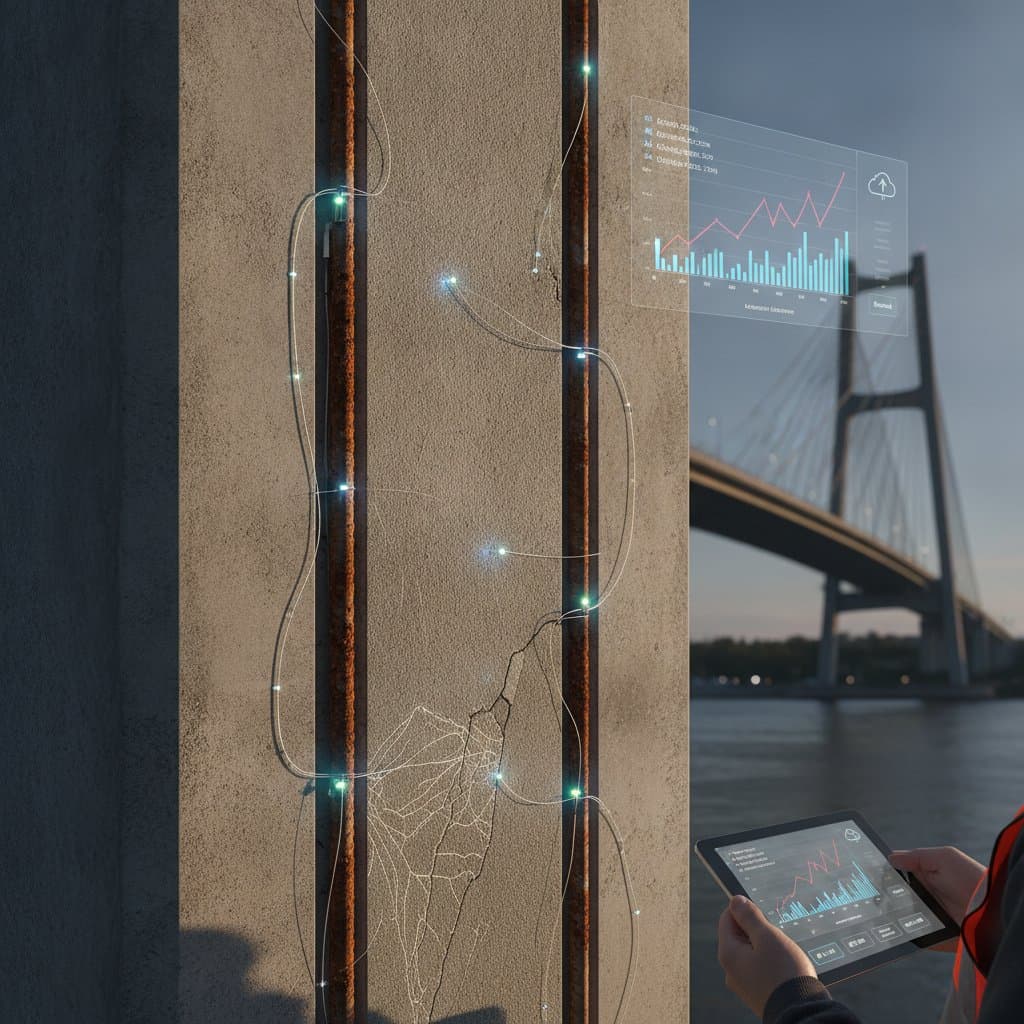
Embedded IoT sensors in smart concrete monitor structural stress, moisture levels, and corrosion well before damage becomes visible. This approach integrates data insights with routine inspections to help owners avoid expensive repairs, focus on essential maintenance, and achieve safer, more durable structures through vigilant oversight.
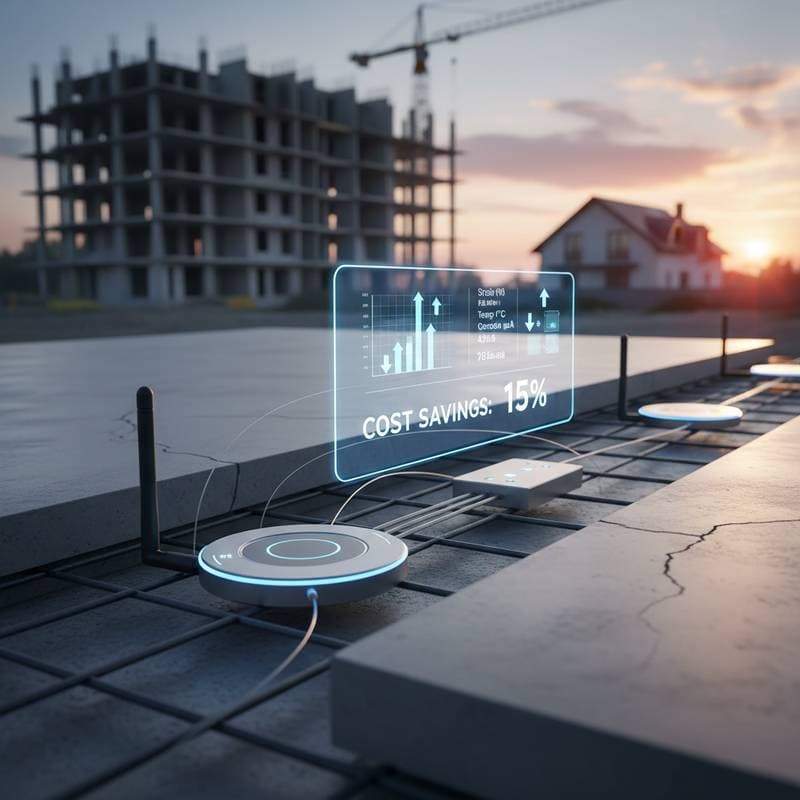
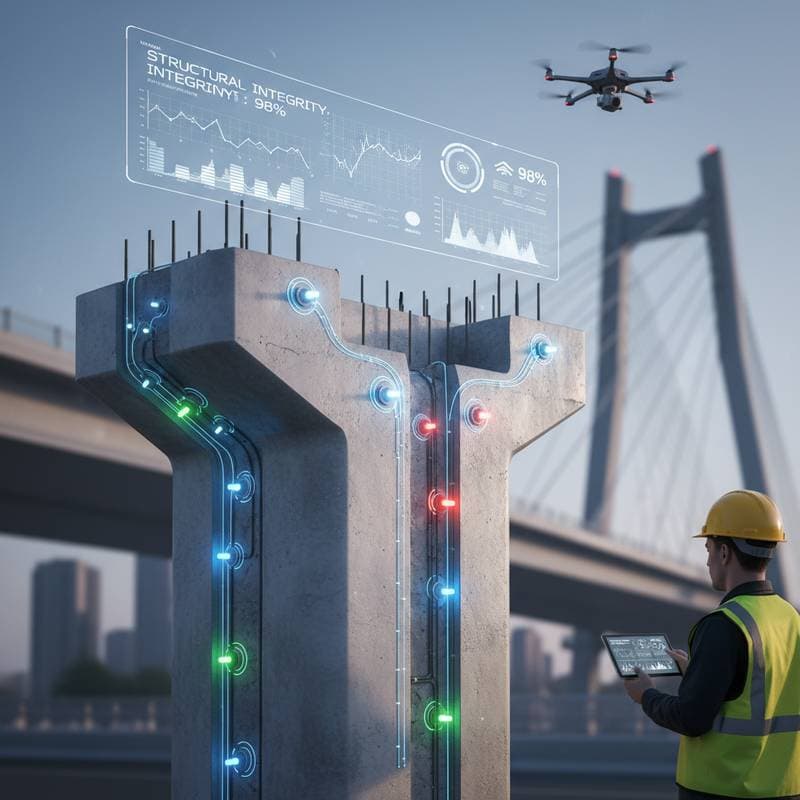
IoT-infused smart concrete sensors transform infrastructure management with real-time monitoring. Despite a 10-20% initial cost increase, they deliver up to 30% longer service life via predictive maintenance. Discover the role of embedded sensors, analytics, and strategic implementation in building durable, cost-effective structures like bridges and high-rises.
Smart concrete integrates embedded sensors and IoT technology to monitor stress, moisture, and temperature shifts in real time, preventing cracks and corrosion from escalating into major failures.
Smart sensors revolutionize concrete maintenance by monitoring internal stress, moisture, and temperature to forecast cracks early. These embedded or attached devices provide actionable data, preventing damage, improving safety, and delivering substantial long-term savings despite higher initial costs.
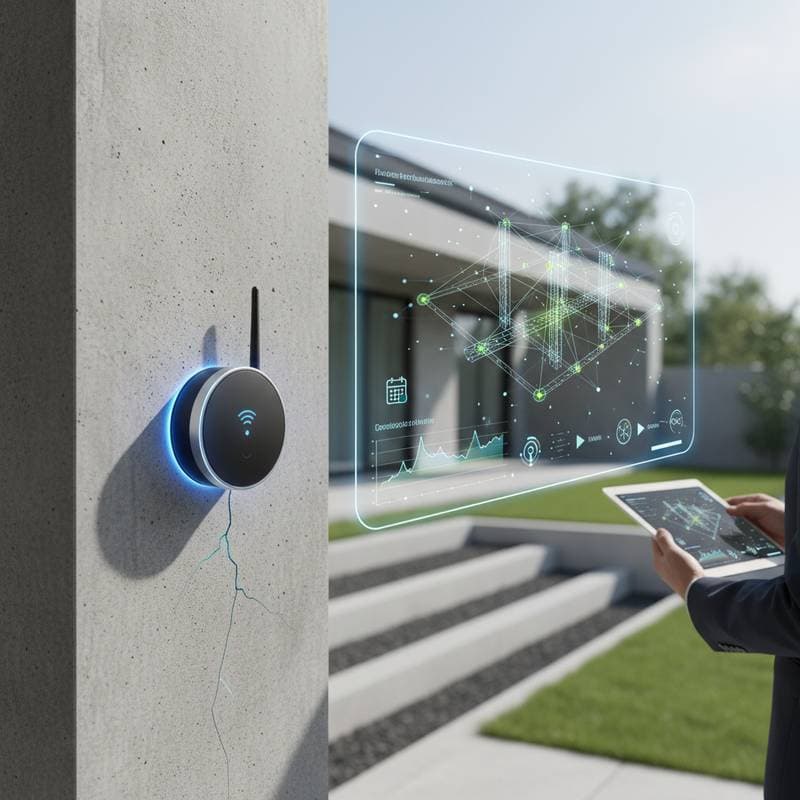
Smart foundation sensors identify shifts as small as 0.01 inches well before cracks develop or repairs become necessary. Through IoT technology, these devices track tilt, movement, and moisture in real time, sending alerts to homeowners about potential risks. Simple to install and powered by ongoing data analysis, the systems preserve structural integrity, reduce expenses, and promote enduring home safety.
Smart sensors transform foundation care by tracking shifts, moisture, and stress before cracks appear. Real-time alerts and analytics empower proactive maintenance, delivering structural security and financial benefits for property owners and professionals.
Smart concrete incorporates embedded sensors to provide real-time monitoring of stress, temperature, and strain within structures, enabling early detection of potential failures. Although initial costs range from 15 to 25 percent higher than those of traditional concrete, this technology offers long-term advantages in safety, predictive maintenance, and overall durability for buildings and bridges.
Smart concrete integrates sensors directly into the material to monitor stress, cracks, and moisture in real time. This innovation allows engineers to address issues before they lead to failure, extending the lifespan of infrastructure and improving safety for bridges, buildings, and foundations.
IoT smart concrete embeds sensors to track stress, moisture, and corrosion in real time, transforming buildings into self-diagnosing assets. This guide covers selection, installation, and maintenance for durable, intelligent infrastructure that minimizes risks and costs.
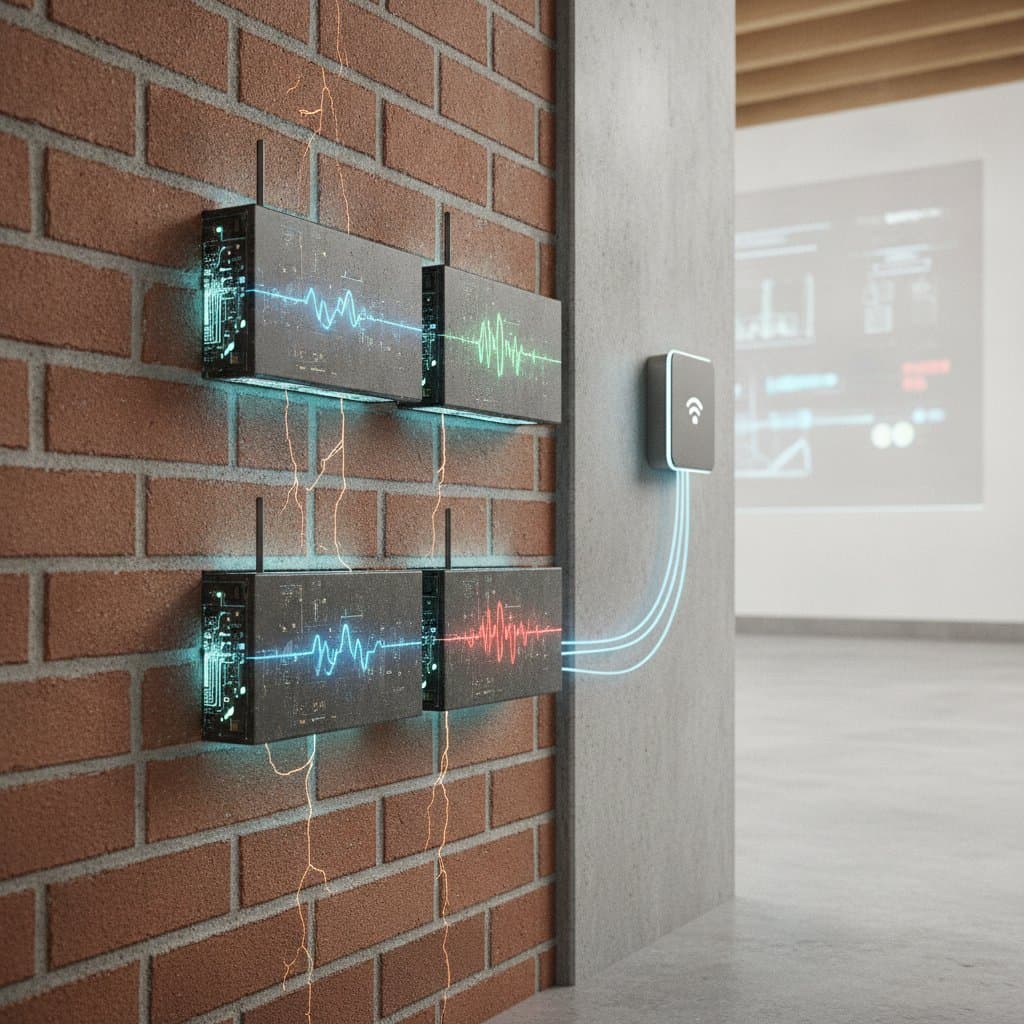
Smart sensors revolutionize concrete maintenance by providing real-time insights into stress, moisture, and corrosion. These devices, embedded in structures, allow engineers to anticipate issues and perform targeted repairs.