#materials

Articles tagged with materials

Featured image for Zero-Cement Bricks Cut Emissions 80% While Staying Strong

Zero-Cement Bricks Cut Emissions 80% While Staying Strong

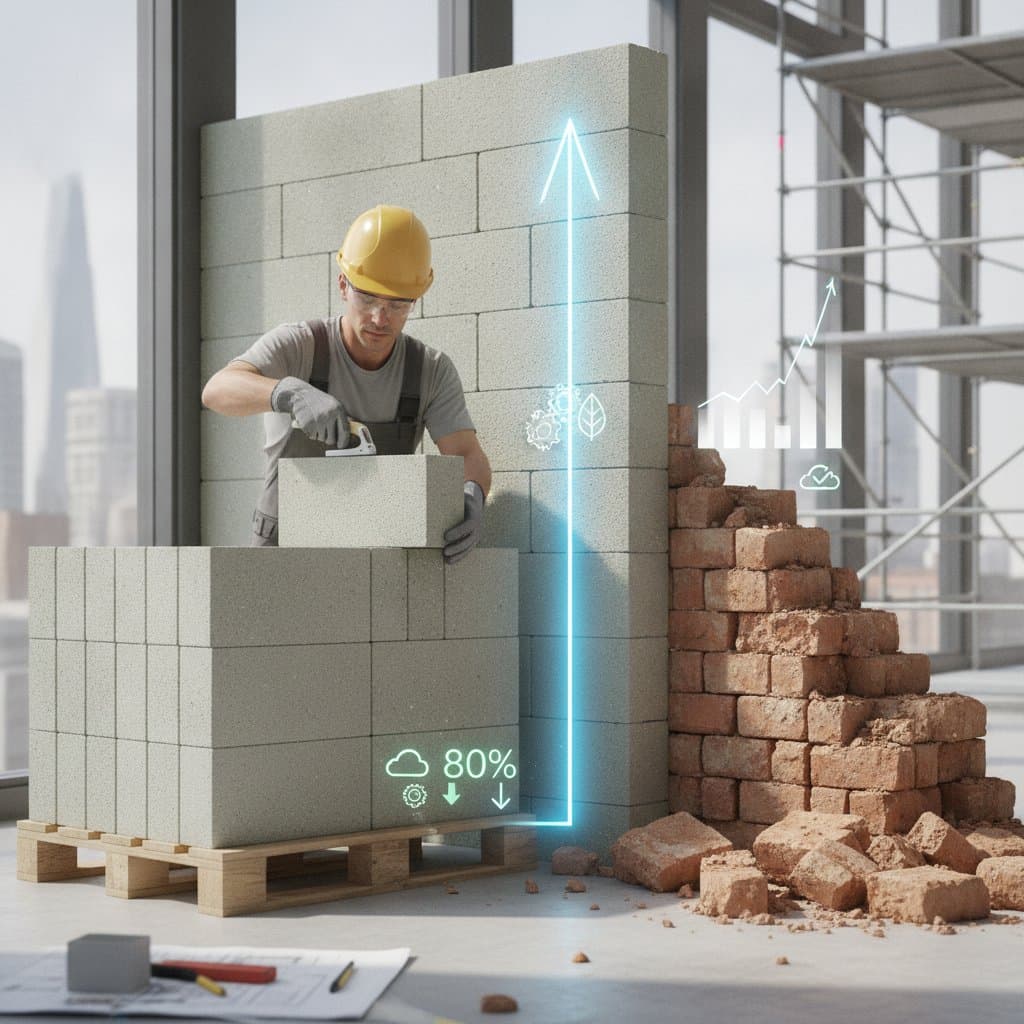
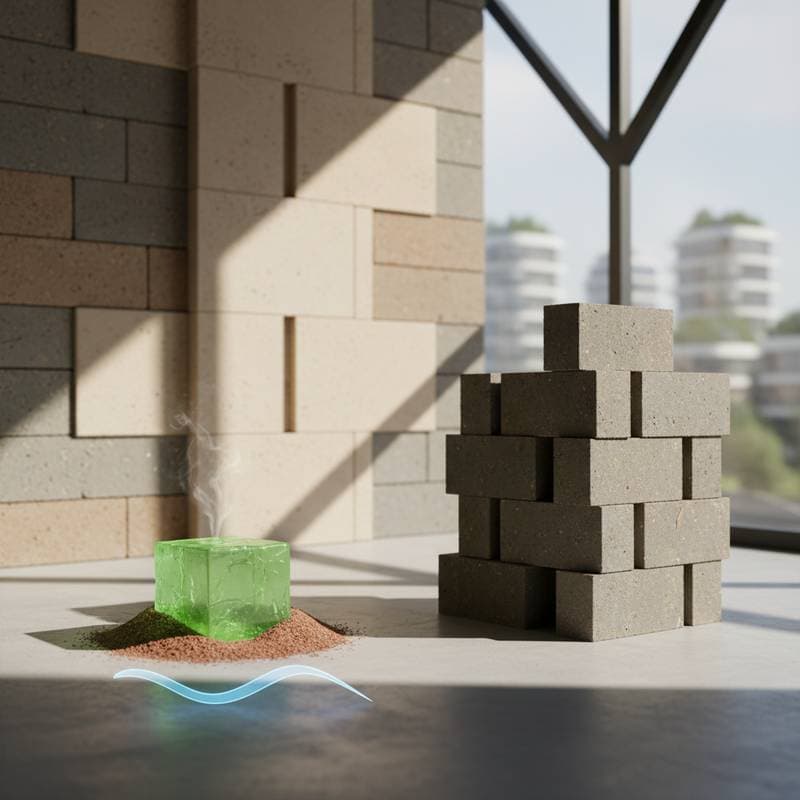
Geopolymer bricks, free of cement, redefine sustainable building by utilizing industrial waste to replace high-emission materials. They provide enhanced strength, quicker curing, and emissions reductions of up to 80 percent, merging efficiency with environmental stewardship. Discover their cost benefits, waste reduction potential, and role in creating a more sustainable built world.

4 min read
Featured image for Why Recycled Glass Bricks Glow for 2025 Builds

Why Recycled Glass Bricks Glow for 2025 Builds

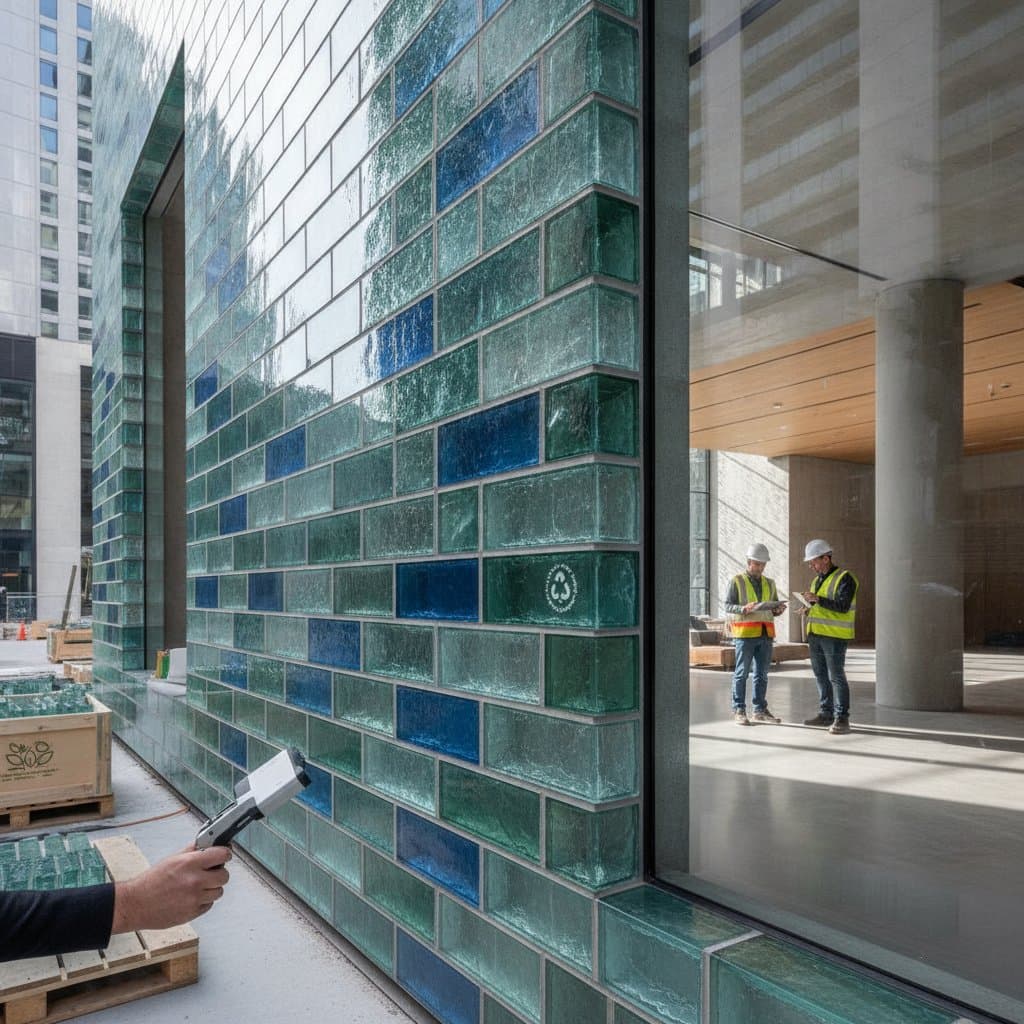
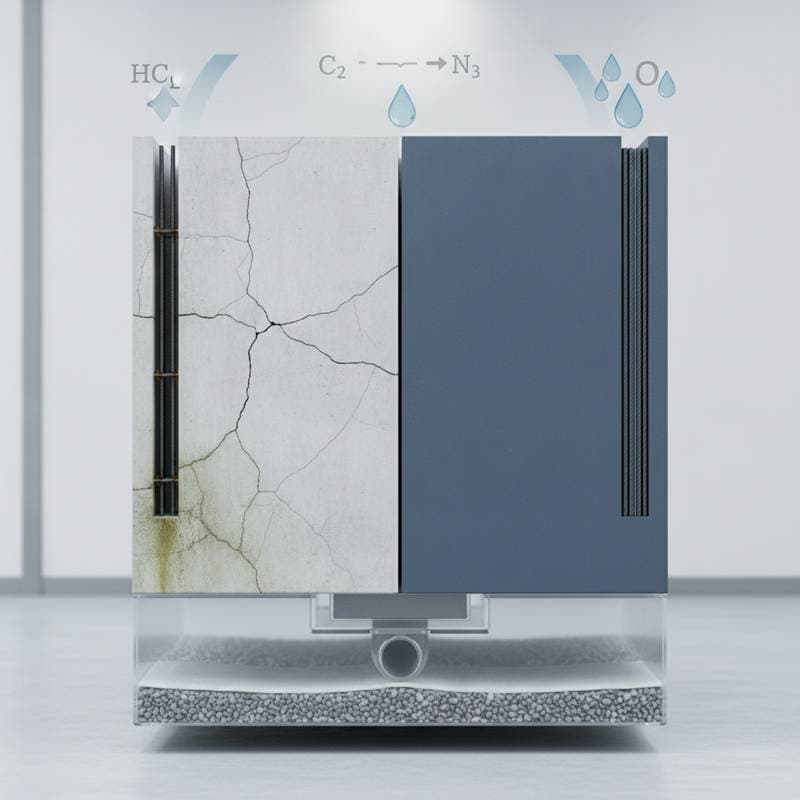
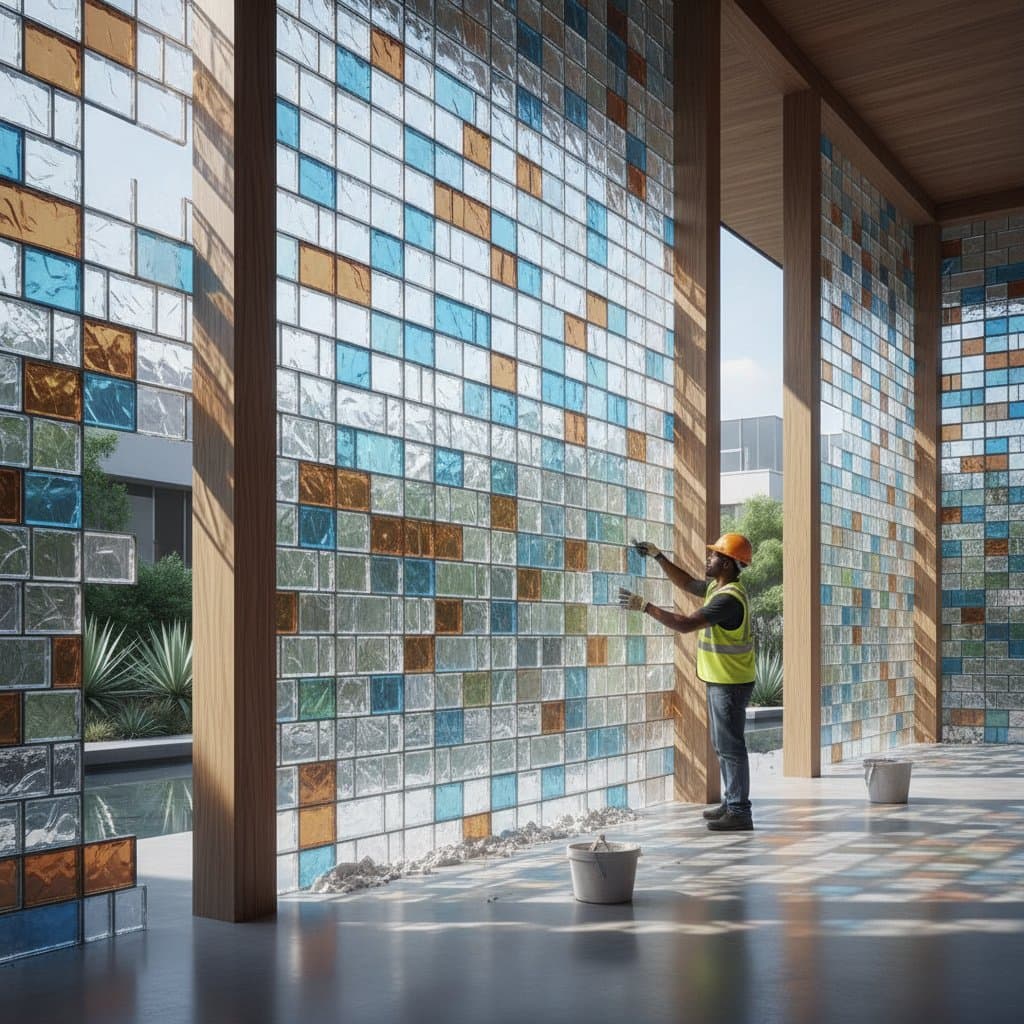
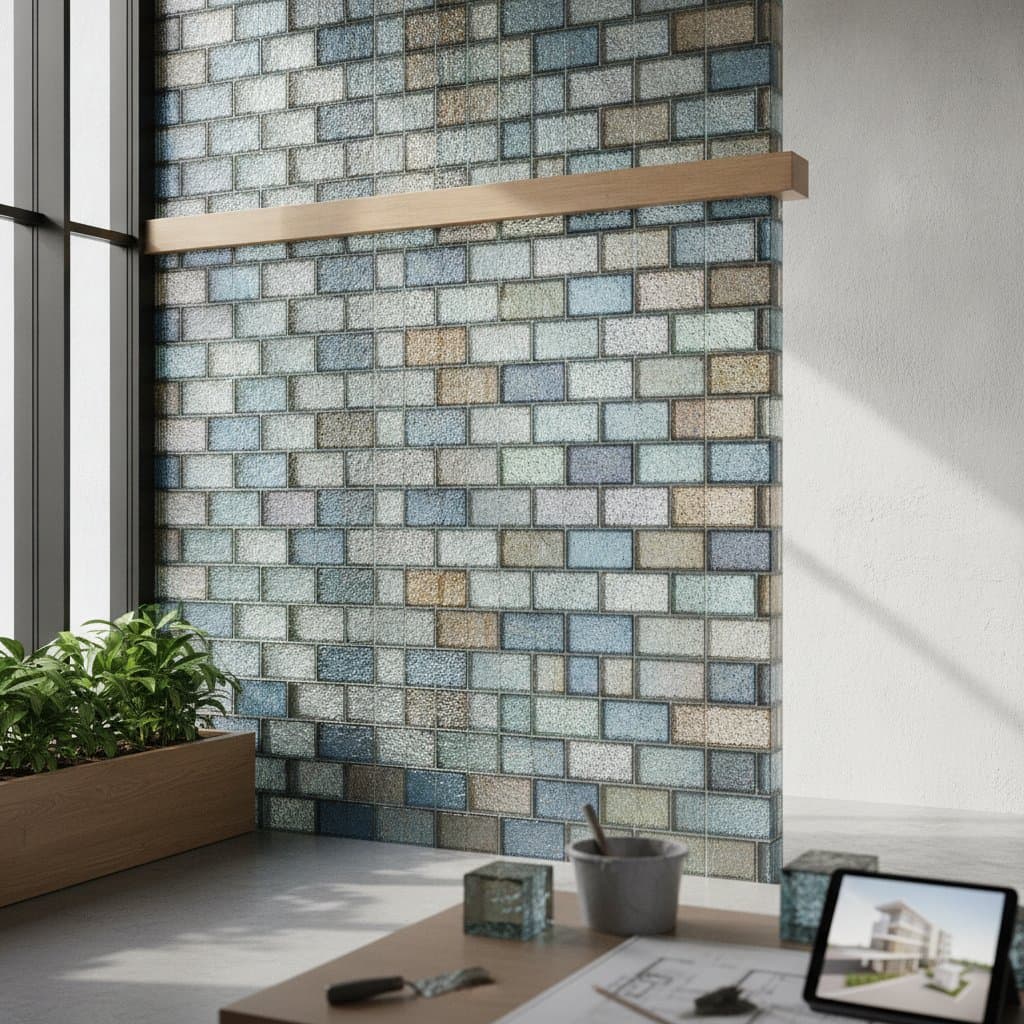
Recycled glass bricks transform 2025 construction with their luminous strength and sustainable design. Master moisture barriers, installation precision, and team coordination for enduring results. Despite higher initial costs, their longevity, light efficiency, and recyclability yield substantial returns. Discover essential inspections, pitfalls to avoid, and strategies for success.

7 min read
Featured image for Zero-Cement Bricks Cut Carbon and Boost Strength

Zero-Cement Bricks Cut Carbon and Boost Strength

In 2025, zero-cement bricks leverage geopolymer binders from fly ash and slag to eliminate Portland cement's environmental toll. Offering exceptional durability, faster curing, and versatile applications, these bricks enable builders to create resilient, low-emission structures. This guide covers material selection, project planning, installation techniques, and maintenance tips for integrating them effectively.

5 min read
Featured image for Zero-Cement Bricks Cut Carbon Without Losing Strength

Zero-Cement Bricks Cut Carbon Without Losing Strength

Zero-cement bricks redefine masonry in 2025 through geopolymer innovation that eliminates carbon-intensive cement. Crafted from industrial byproducts, these bricks offer comparable strength and longevity to traditional options while minimizing environmental impact. Although initial costs and curing requirements differ, their extended durability and ecological advantages position them as an ideal selection for builders pursuing resilient, low-carbon building practices that shape the future of construction.

6 min read
Featured image for Why Zero-Cement Bricks Cut Emissions by Half

Why Zero-Cement Bricks Cut Emissions by Half

Zero-cement bricks lead 2025 masonry innovations by reducing carbon emissions by half, decreasing expenses, and enhancing durability via geopolymer technology. Professionals select them for rapid curing, superior strength, and water resistance. Optimal results require attention to mixture quality, curing processes, and expert guidance to achieve sustainable, reliable construction.

6 min read
Featured image for Why Geopolymer Bricks Outperform Traditional Cement

Why Geopolymer Bricks Outperform Traditional Cement

Geopolymer bricks revolutionize construction by replacing cement with industrial byproducts, offering zero-cement sustainability, superior durability, and lower environmental impact. This guide details their benefits, production process, and practical implementation for creating resilient, green structures.

5 min read
Featured image for Why Geopolymer Blocks Outlast Traditional Bricks

Why Geopolymer Blocks Outlast Traditional Bricks

Geopolymer blocks, crafted from industrial waste like fly ash and slag, cure at room temperature to form a durable, stone-like material. They provide unmatched compressive strength, low water absorption, and zero kiln emissions, outlasting clay bricks by decades. This guide covers their advantages, costs, installation, and maintenance for sustainable building projects.

6 min read
Featured image for Zero-Cement Bricks Cut Carbon While Boosting Strength

Zero-Cement Bricks Cut Carbon While Boosting Strength

In 2025, zero-cement bricks utilize geopolymer binders derived from industrial byproducts to replace high-carbon Portland cement. These bricks offer exceptional strength, longevity, and energy efficiency while minimizing environmental impact. Ideal for professional builders and adept DIY enthusiasts, they merge high performance with ecological stewardship, establishing a superior standard in contemporary building.

7 min read
Featured image for Zero-Cement Bricks Cut Building Emissions by 90%

Zero-Cement Bricks Cut Building Emissions by 90%

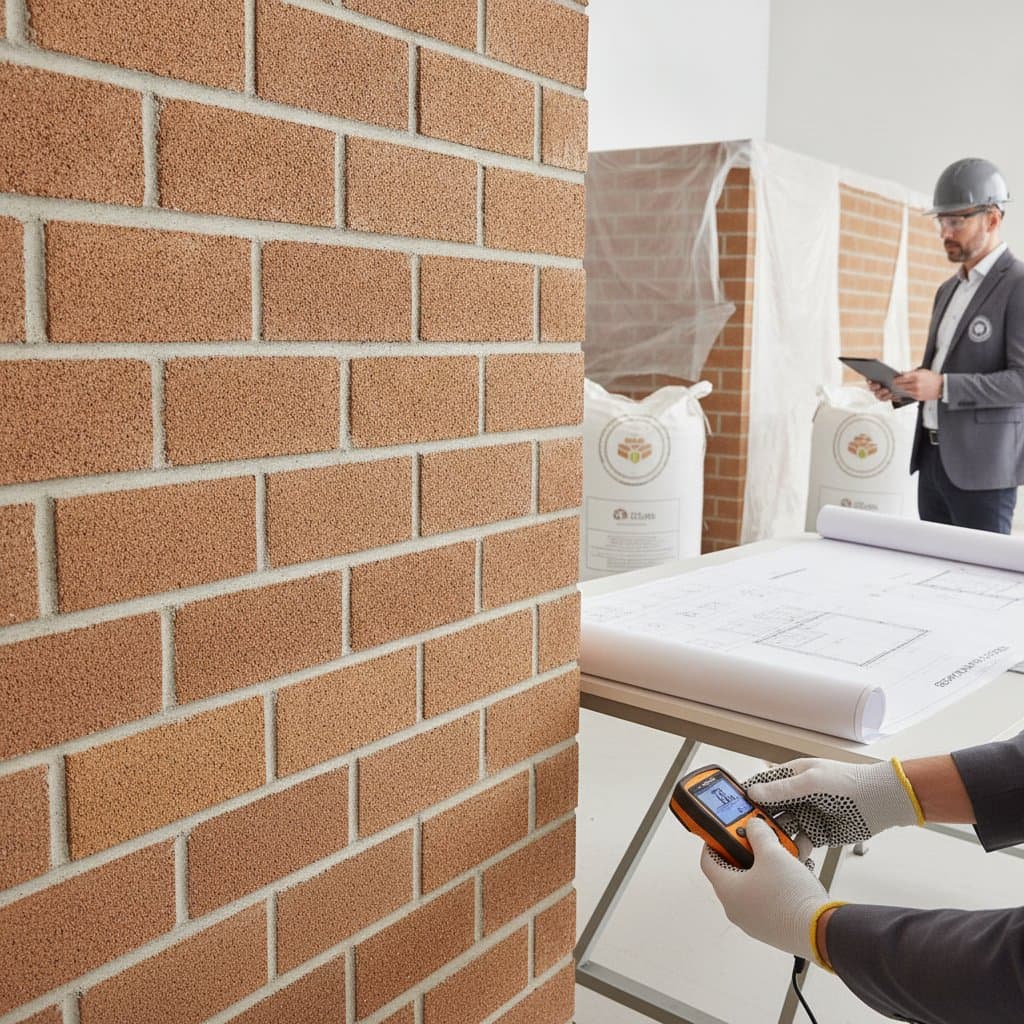
Zero-cement bricks revolutionize eco-conscious construction by substituting Portland cement with fly ash or slag binders, achieving emission reductions of up to 90%. These resilient, high-performance units provide extended durability and minimal upkeep, positioning them as a viable option despite varying availability and costs.

7 min read
Featured image for Why Mycelium Bricks Beat Concrete on Weight and Waste

Why Mycelium Bricks Beat Concrete on Weight and Waste

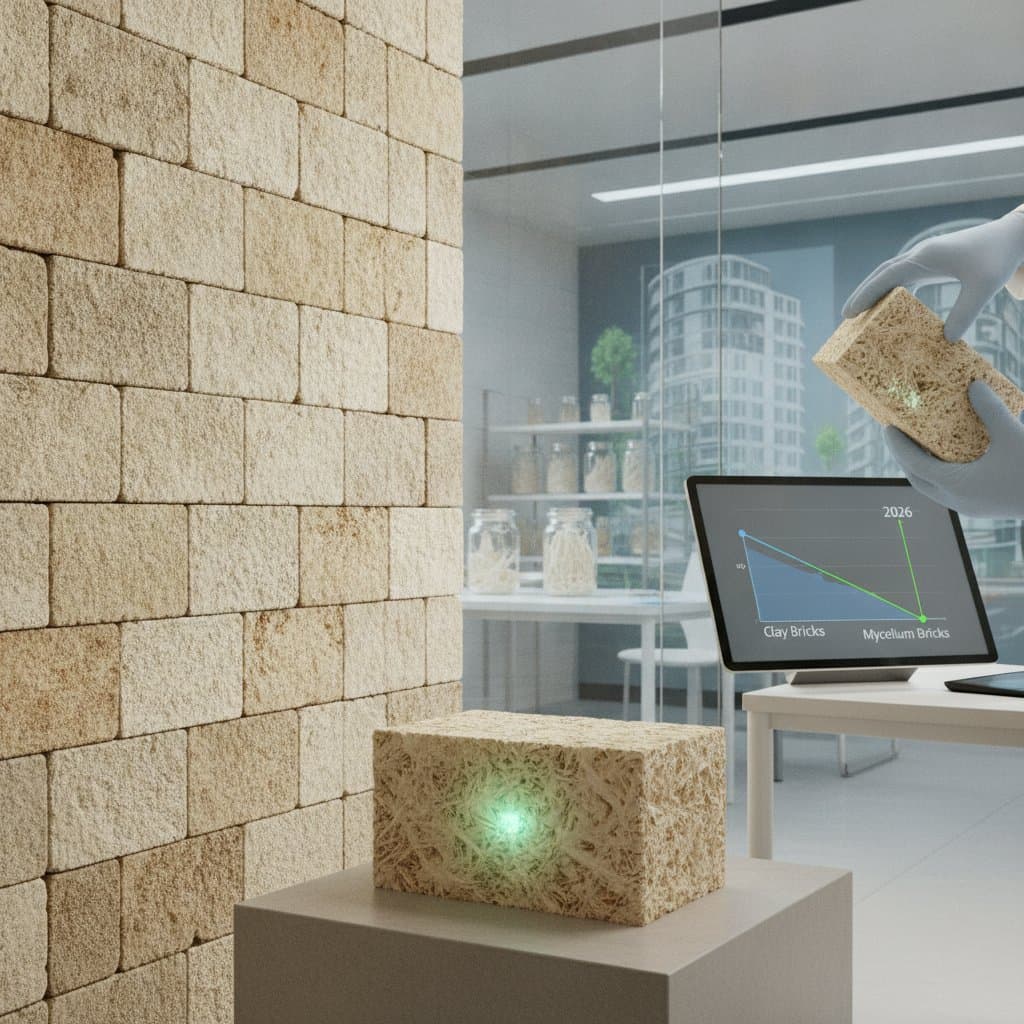
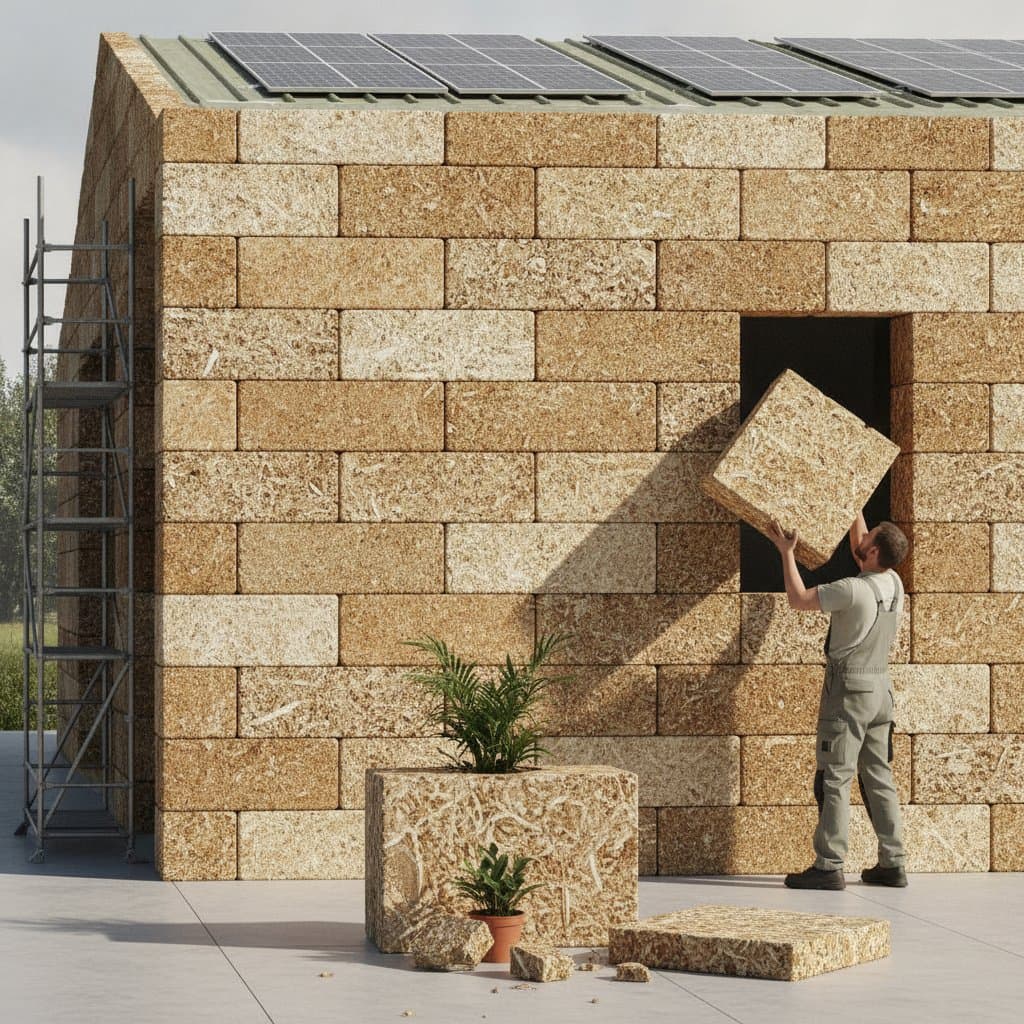
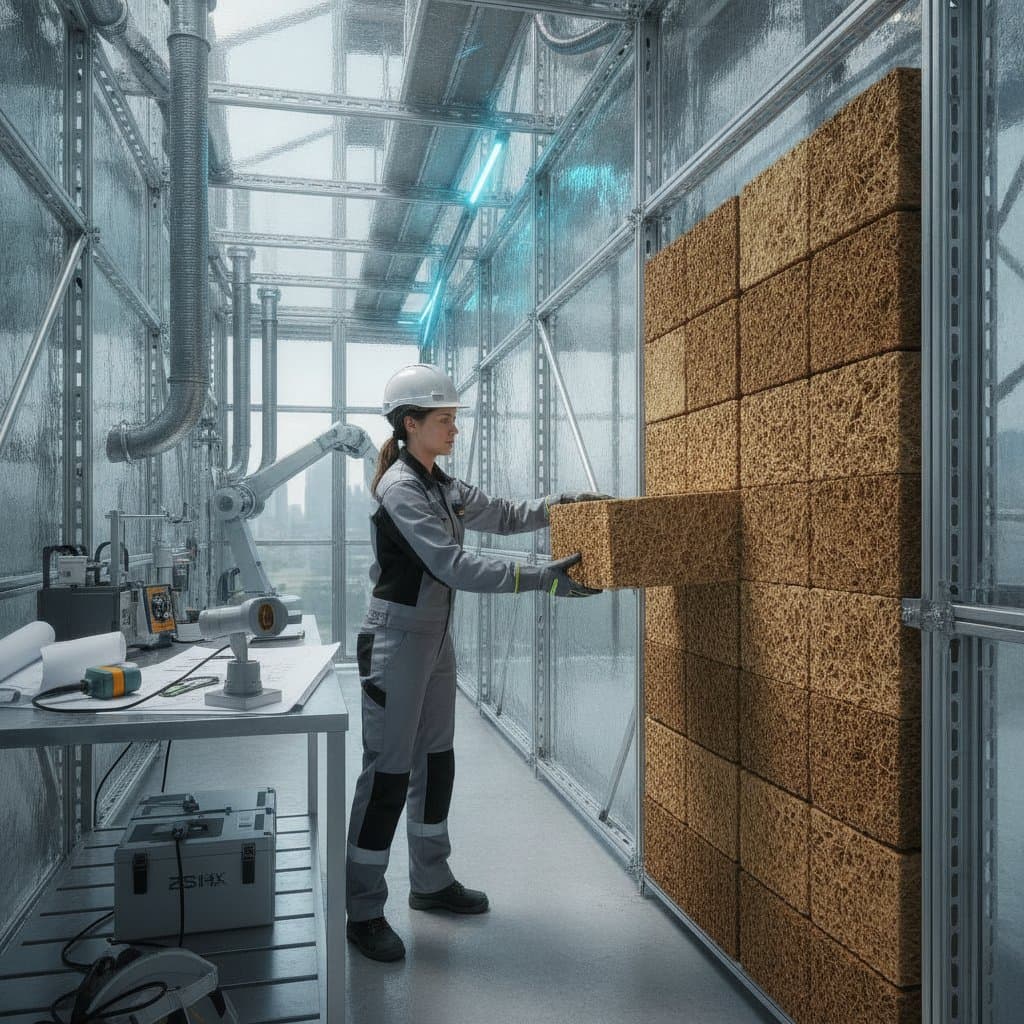
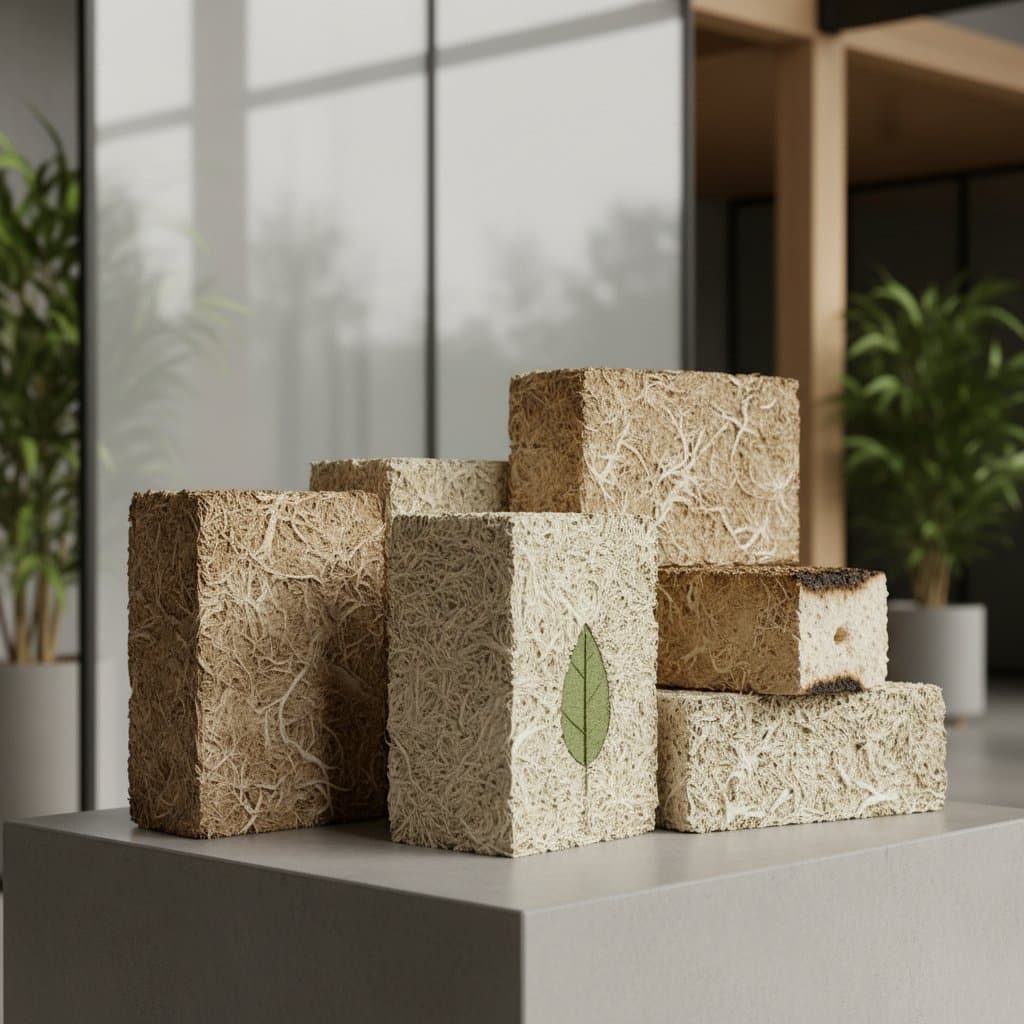
Mycelium bricks utilize fungal networks and organic waste to create lightweight, low-carbon building units. These materials deliver sustainability, superior insulation, and acoustic advantages, yet require rigorous moisture management, permeable coatings, and precise installation. Through thoughtful design, rigorous testing, and expert collaboration, mycelium bricks can transform sustainable construction by optimizing durability, affordability, and ecological impact.

6 min read
Featured image for Recycled Glass Masonry Cuts Waste While Adding Shimmer

Recycled Glass Masonry Cuts Waste While Adding Shimmer

Recycled glass masonry redefines sustainable construction by turning waste into durable, visually striking elements. This guide covers material options, detailed installation steps for DIY and pro applications, essential safety measures, and long-term care tips. See how it supports eco-friendly designs entering 2025.

5 min read
Featured image for Zero-Cement Bricks Cut Emissions Without Compromise

Zero-Cement Bricks Cut Emissions Without Compromise

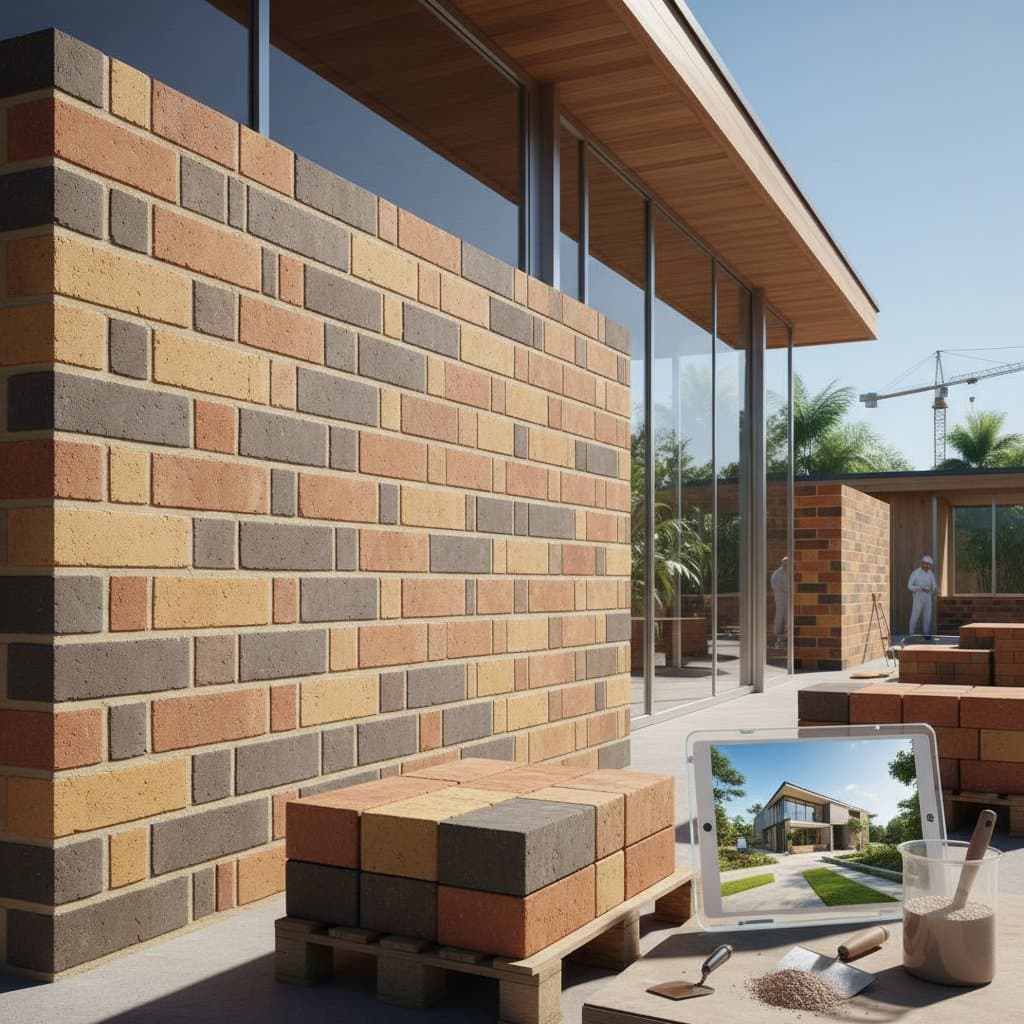
Zero-cement geopolymer bricks utilize industrial byproducts to replace Portland cement, achieving superior strength, durability, and aesthetic finishes while minimizing carbon emissions. Although supply chains and standards continue to develop, these bricks enable sustainable masonry that integrates seamlessly with conventional techniques and contemporary designs.

7 min read
Featured image for Mycelium Bricks: Low-Carbon Alternative to Fired Clay

Mycelium Bricks: Low-Carbon Alternative to Fired Clay

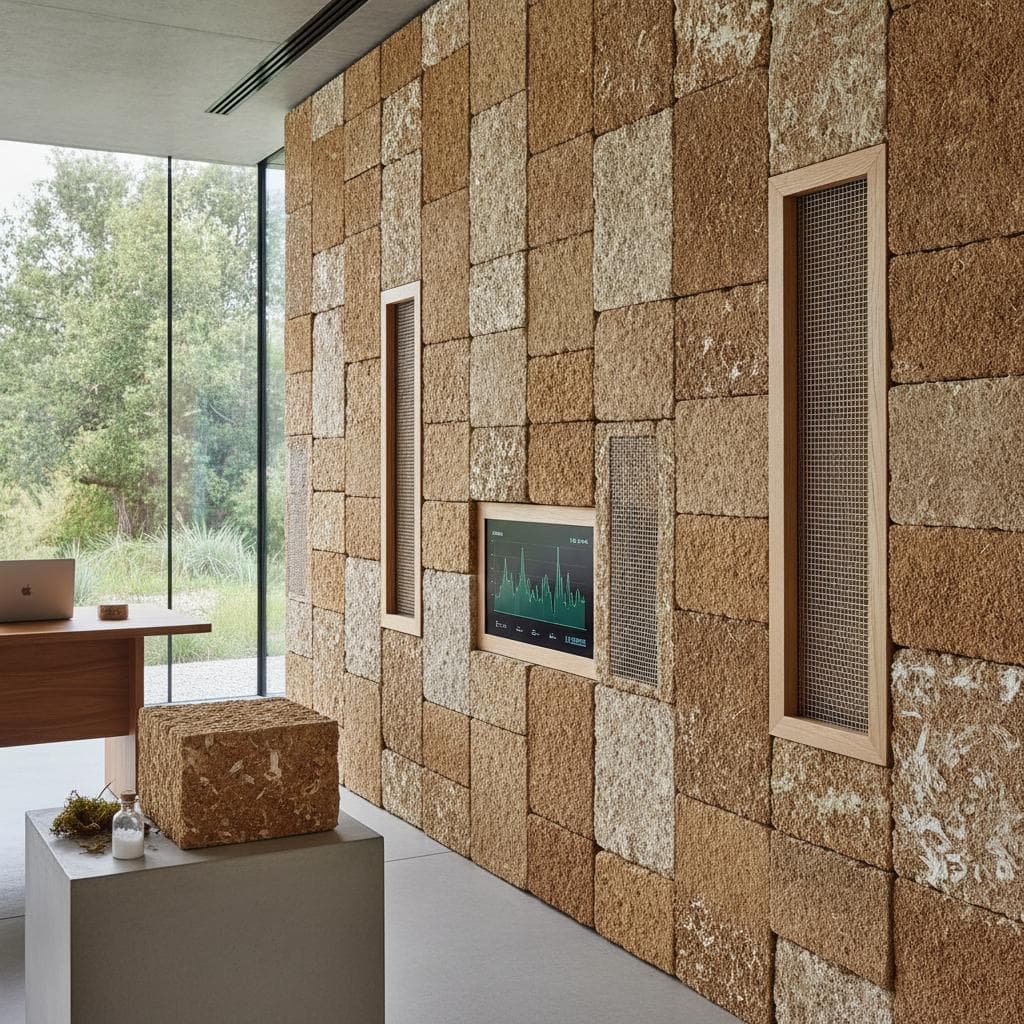
Mycelium bricks, cultivated from fungal networks on organic waste, present a renewable and low-emission choice over fired clay. They deliver insulation and compostability while cutting energy demands, though sealing against moisture and code adherence remain key. This overview covers fabrication, expenses, efficacy, and implementation for sustainable architecture.

6 min read
Featured image for Why Geopolymer Bricks Beat Concrete by 140%

Why Geopolymer Bricks Beat Concrete by 140%

Geopolymer bricks lead the way in 2025 masonry innovation, delivering 140% superior compressive strength to concrete blocks, accelerated curing times, and reductions in carbon emissions by up to 80 percent. Derived from industrial by-products, these bricks excel in durability, affordability, and environmental responsibility.

5 min read
Featured image for Why Geopolymer Bricks Replace Cement in 2025

Why Geopolymer Bricks Replace Cement in 2025

Geopolymer bricks represent a transformative shift in masonry, offering a robust, quick-setting, and environmentally superior option to cement. With emissions reduced by up to 80 percent, exceptional durability, and energy efficiencies reaching 30 percent, these materials enable faster builds and lower expenses. Learn how this innovative solution redefines eco-conscious construction and diminishes cement's role by 2025.

5 min read