#building

Articles tagged with building

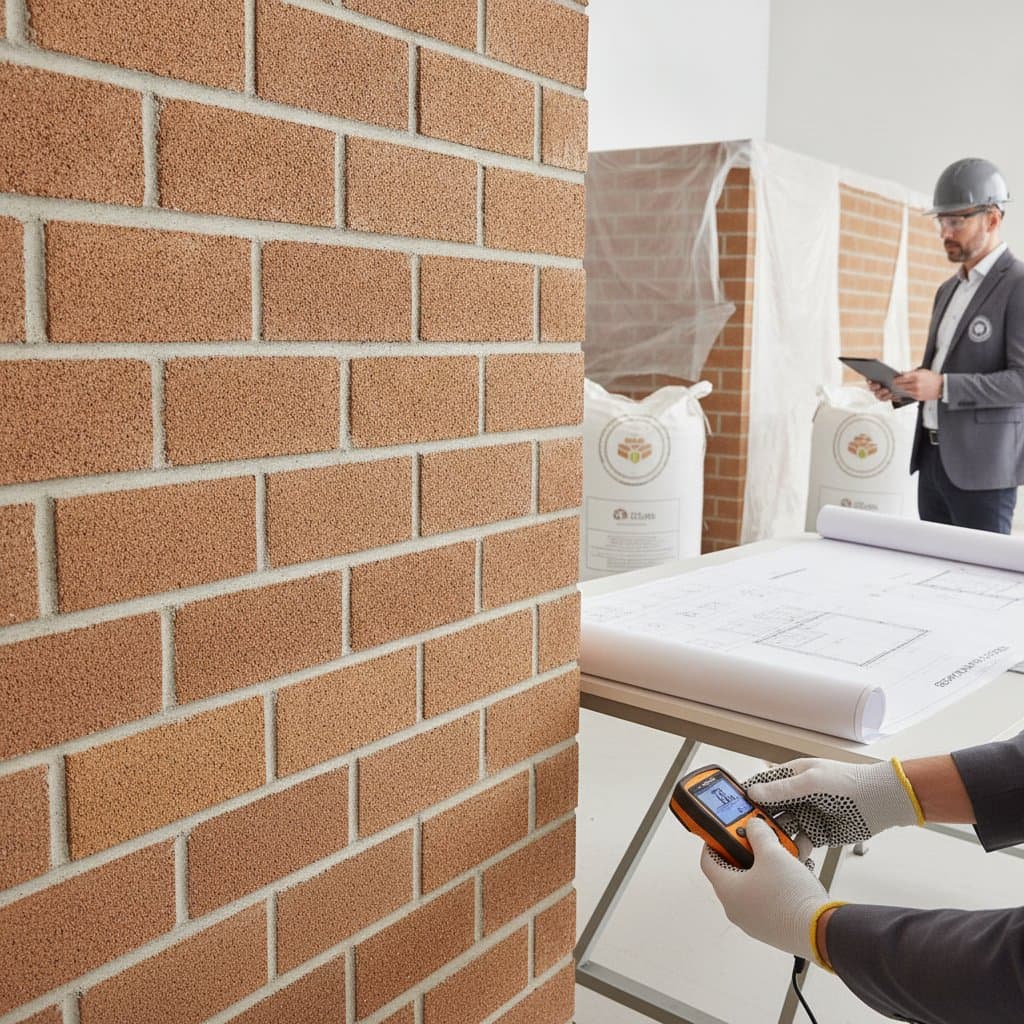
Featured image for Why Geopolymer Bricks Outperform Traditional Masonry

Why Geopolymer Bricks Outperform Traditional Masonry

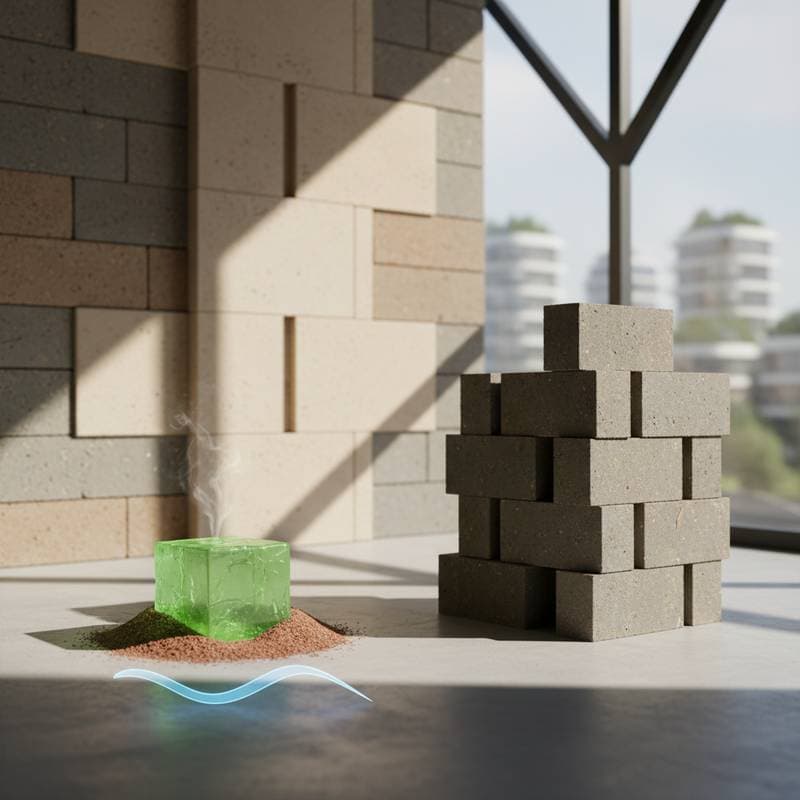
Geopolymer bricks, made from zero-cement formulations using fly ash and slag, outperform traditional masonry by slashing emissions, boosting durability, and simplifying sustainable builds. Discover their advantages, project planning essentials, and step-by-step guidance to integrate this innovation into your next construction by 2026.

4 min read
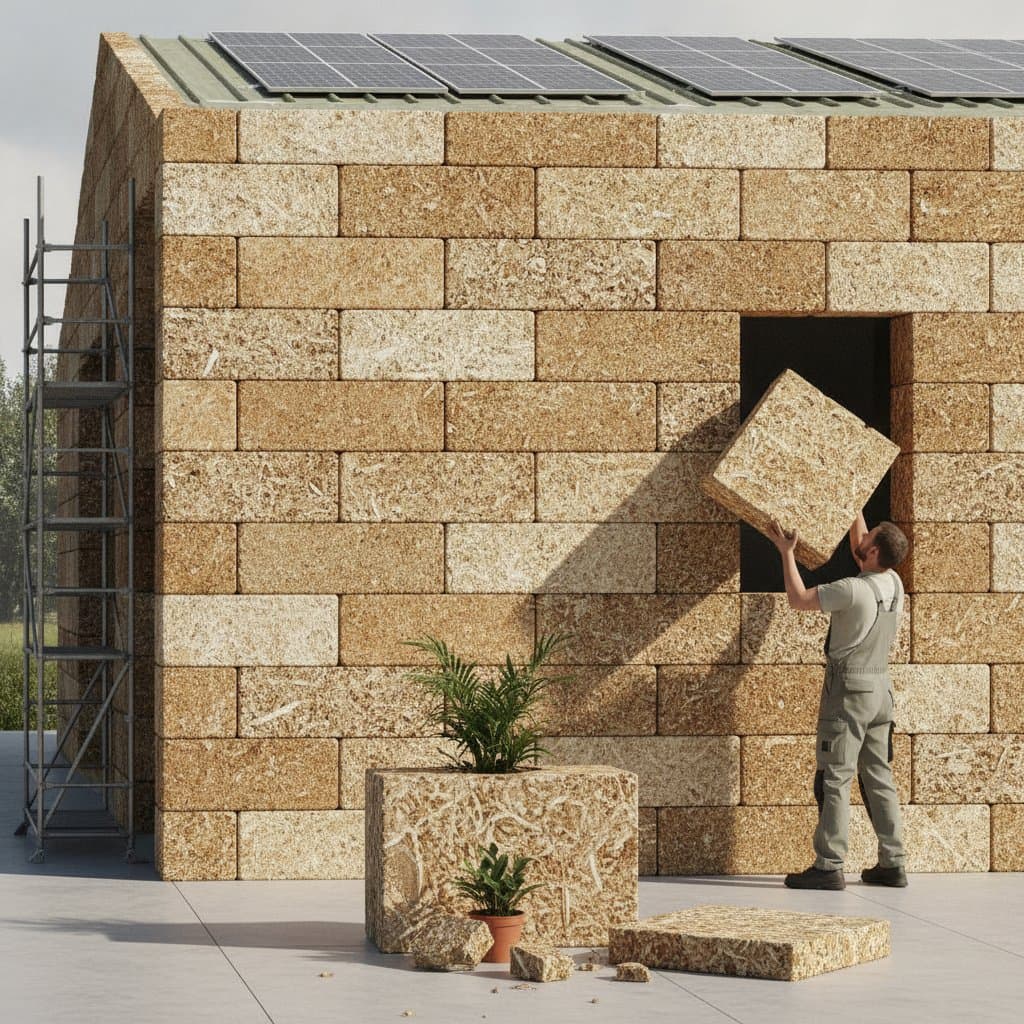
Featured image for What to Check Before Buying Mycelium Bricks

What to Check Before Buying Mycelium Bricks

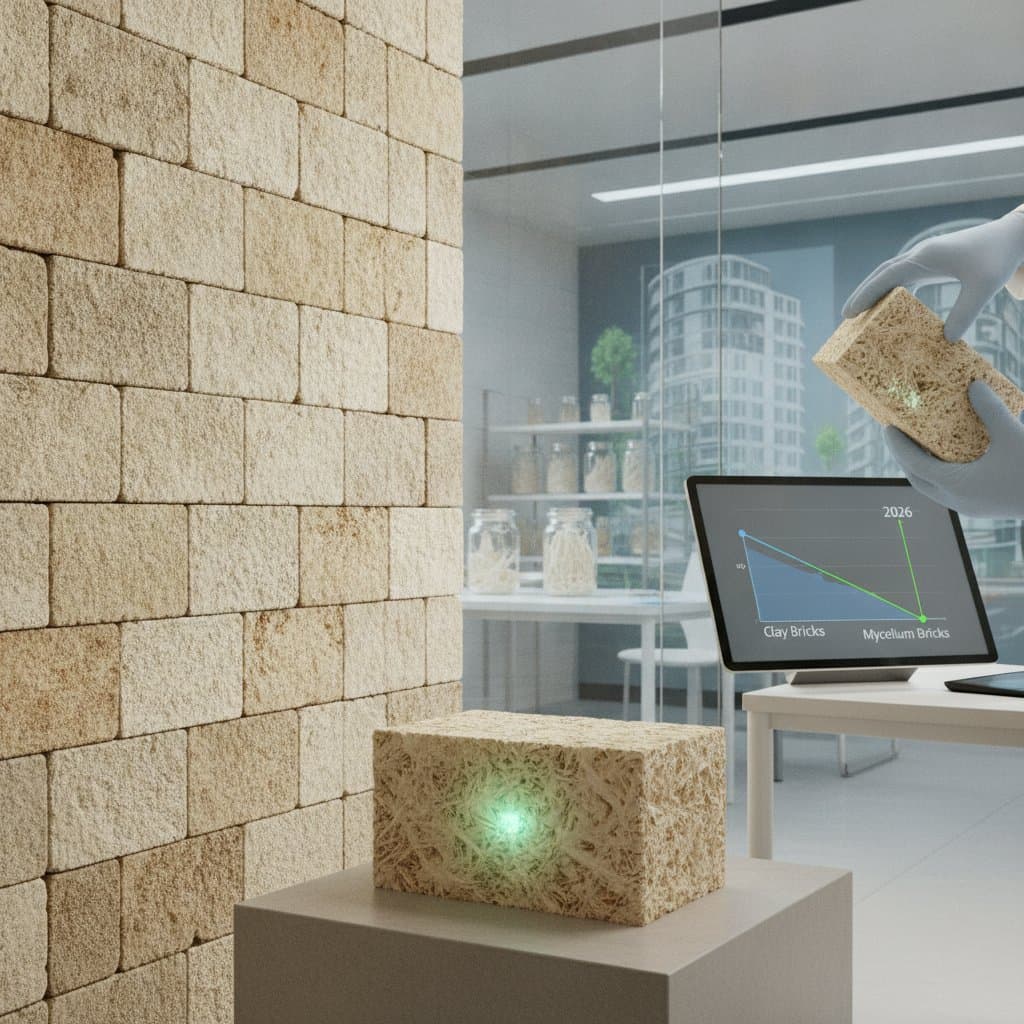
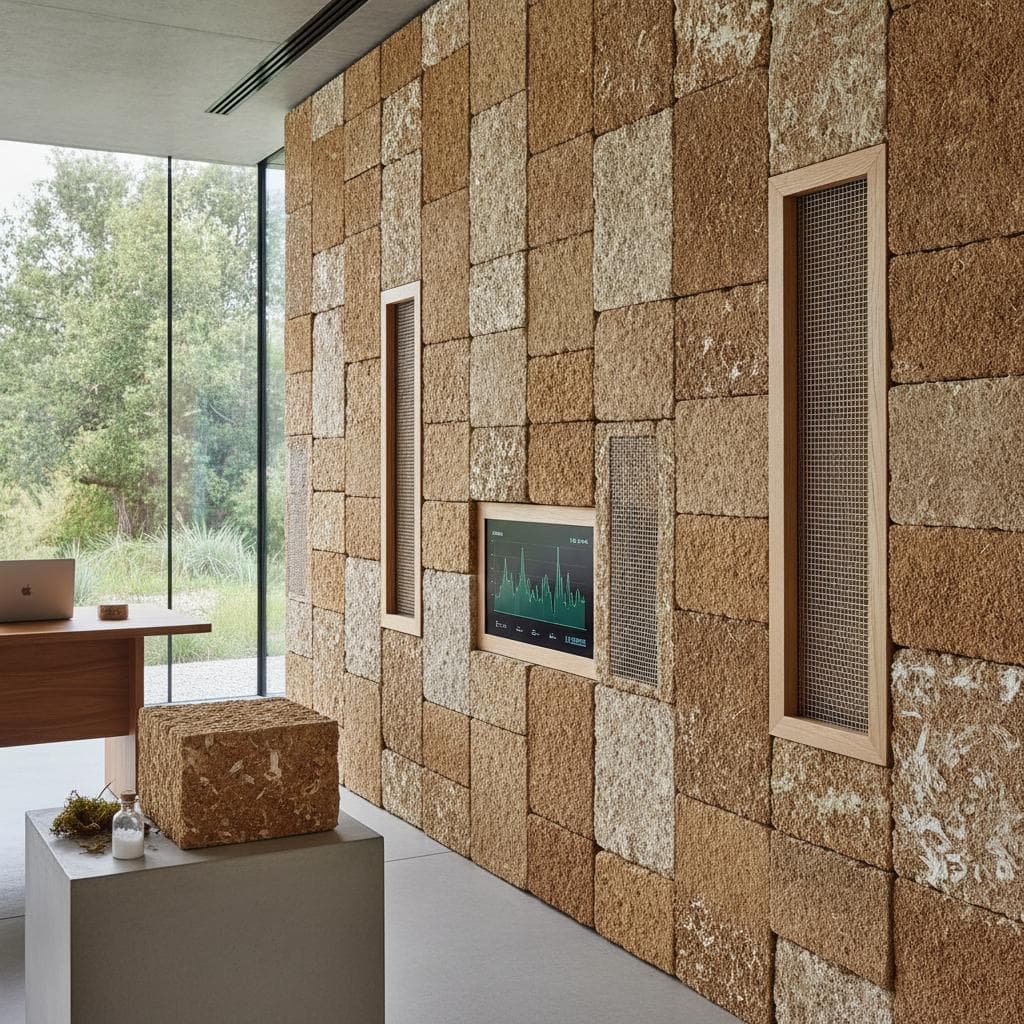
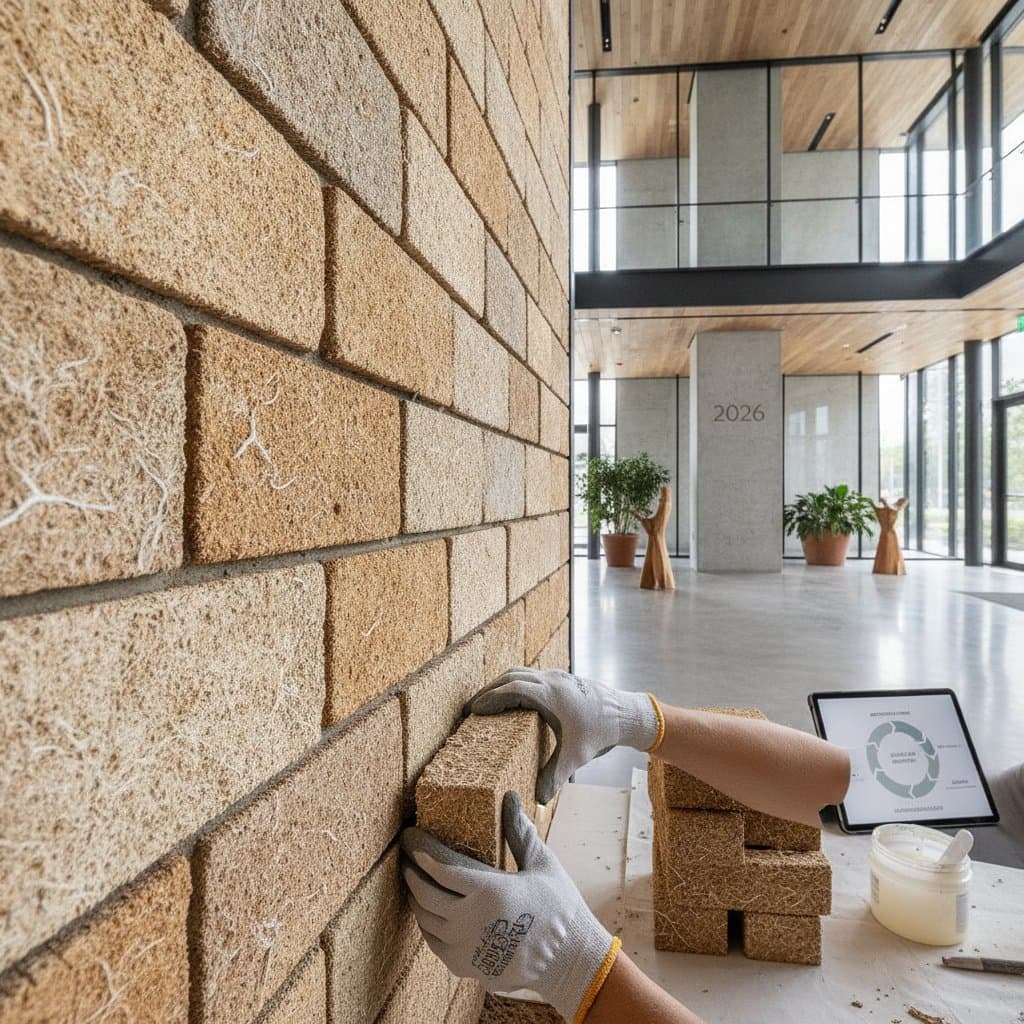
Mycelium bricks represent a sustainable, low-energy alternative to clay and concrete, formed from fungal roots into lightweight, compostable blocks. Success hinges on effective moisture control, appropriate coatings, and careful application. Suited for interiors and hybrid systems, these bio-based materials offer innovation when designers honor their organic nature and environmental needs.

7 min read
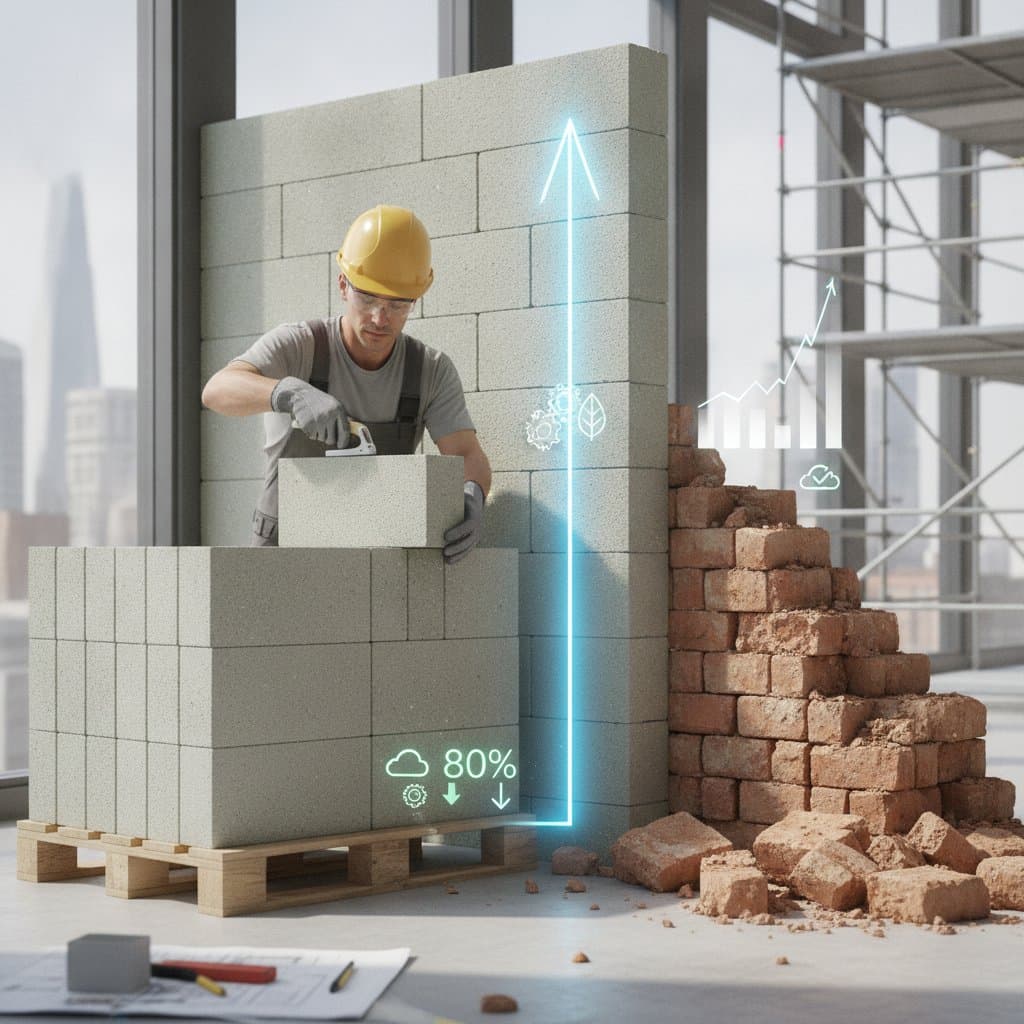
Featured image for Zero-Cement Bricks Cut Emissions 80% by 2026

Zero-Cement Bricks Cut Emissions 80% by 2026

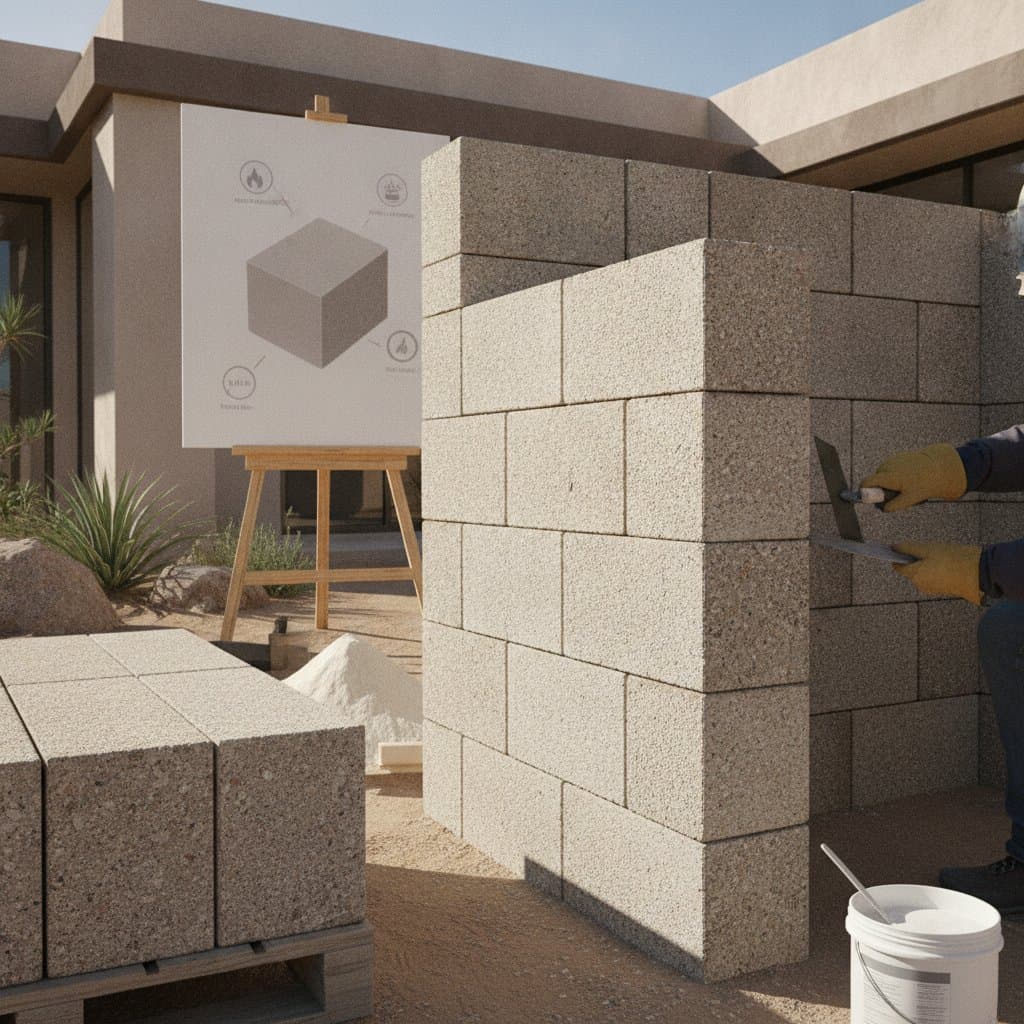
Zero-cement bricks leverage geopolymer technology to replace Portland cement entirely, reducing emissions by up to 80 percent while offering superior strength, reduced costs, and rapid 48-hour curing. These bricks repurpose industrial waste into resilient building materials, setting new benchmarks for eco-friendly construction worldwide by 2026.

5 min read
Featured image for Why Mycelium Bricks Beat Clay for Green Builds

Why Mycelium Bricks Beat Clay for Green Builds

Mycelium bricks revolutionize sustainable building by providing lightweight, compostable alternatives to traditional clay masonry. These bio-based materials reduce energy consumption and carbon footprints, yet require careful moisture management, protective coatings, and skilled installation. Perfect for interior walls and insulation, they enable eco-friendly designs when builders address curing, protection, and upkeep needs effectively.

6 min read
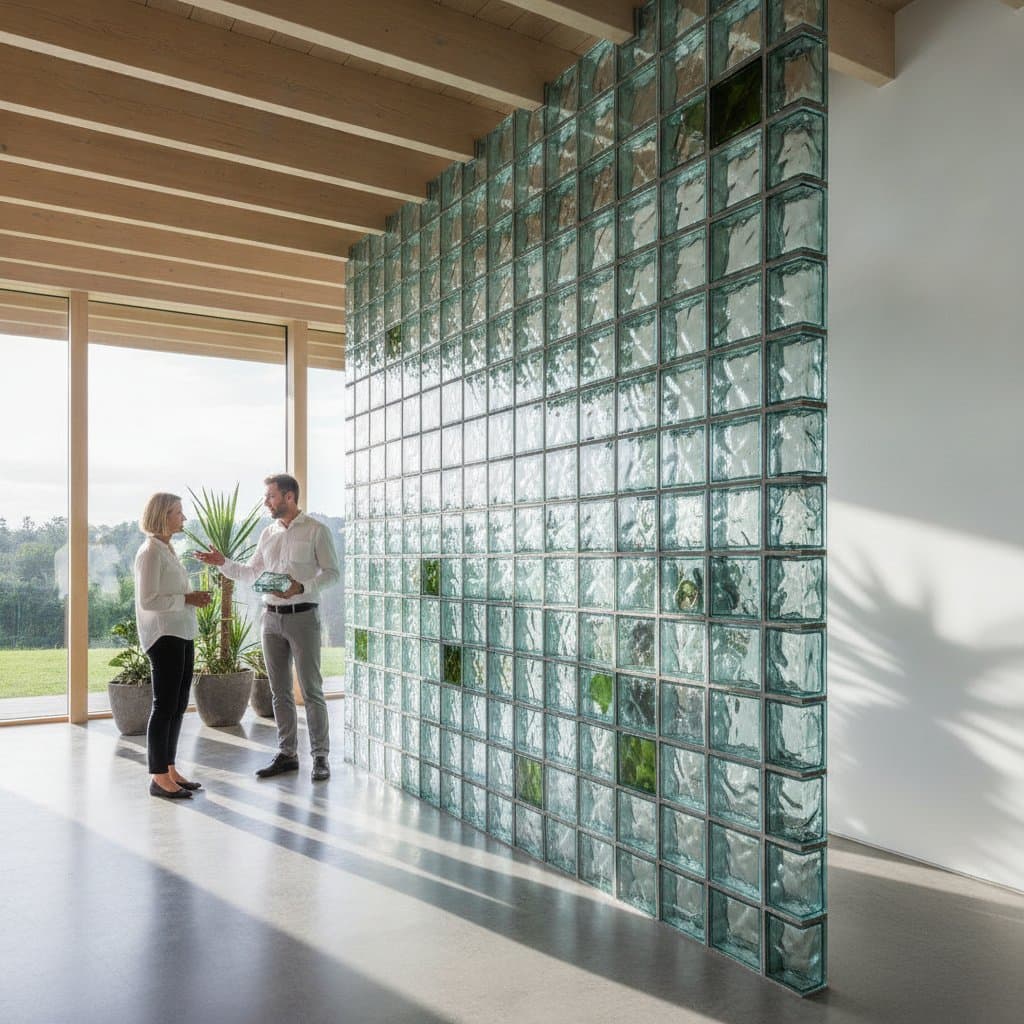
Featured image for Recycled Glass Walls: 85% Sustainable at $80-$150/Sq Ft

Recycled Glass Walls: 85% Sustainable at $80-$150/Sq Ft

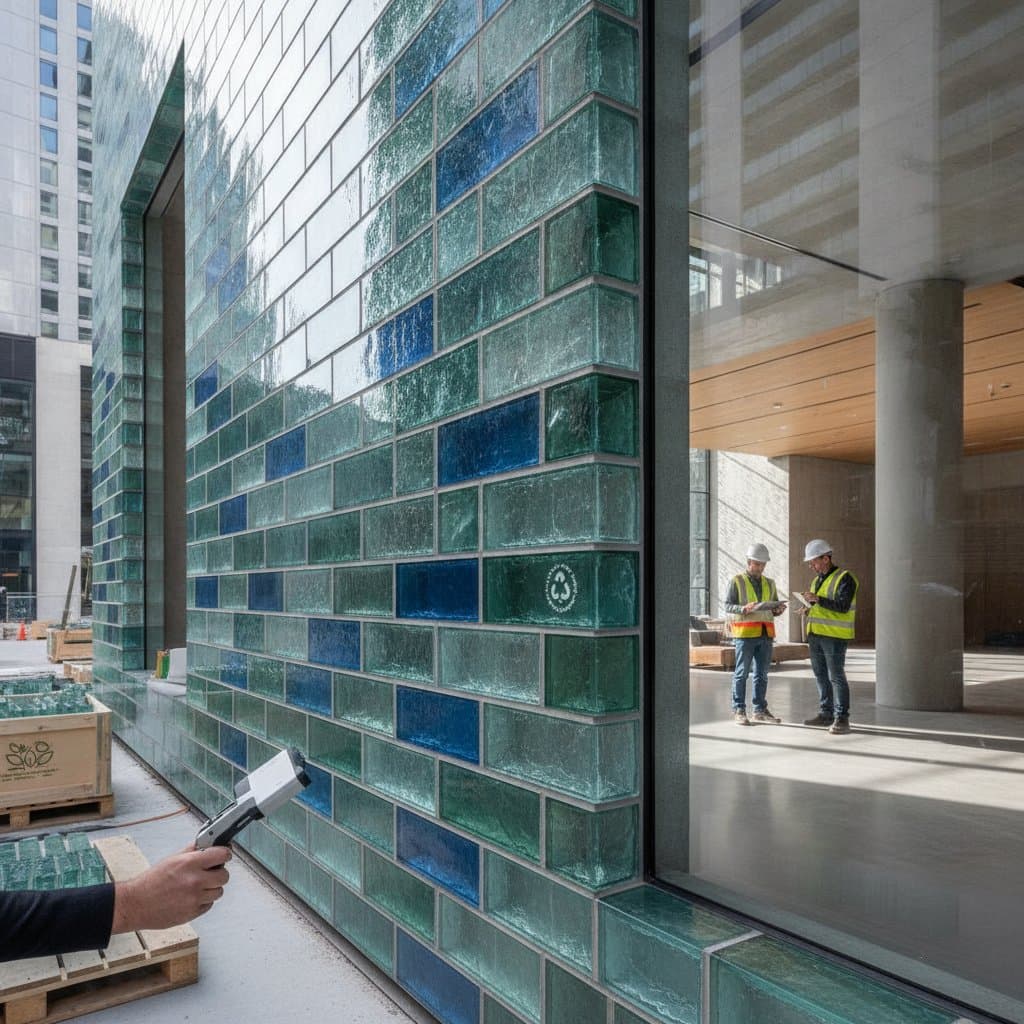
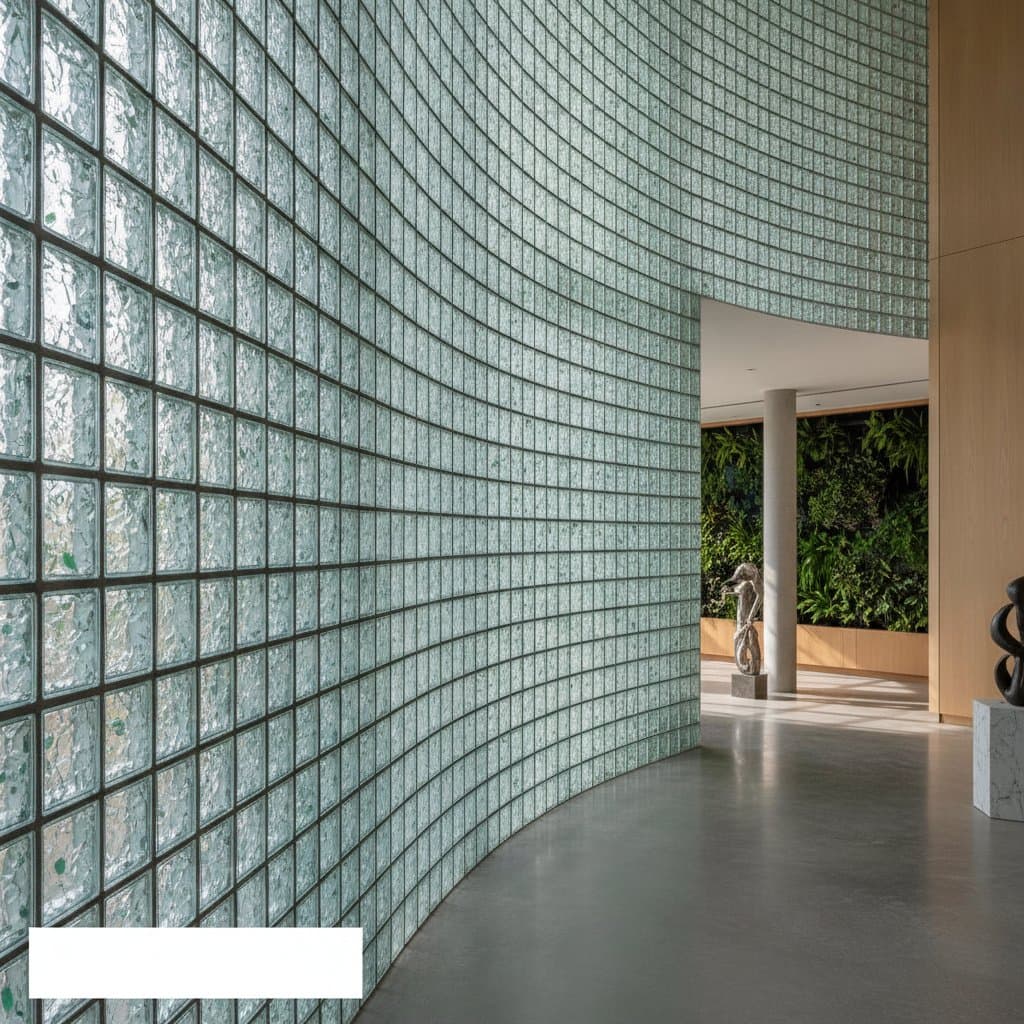
Recycled glass elevates architecture through sustainable, light-diffusing walls that blend eco-responsibility with elegance. This resource outlines production methods, installation steps, expense breakdowns, and upkeep advice, showcasing how glass masonry boosts illumination, durability, and versatility while curbing environmental impact. Uncover data-driven details, real-world applications, and specialist recommendations for crafting resilient, glowing, green environments.

5 min read
Featured image for Recycled Glass Bricks Cut Waste While Matching Concrete Strength

Recycled Glass Bricks Cut Waste While Matching Concrete Strength

Recycled glass bricks innovate sustainable construction by delivering strength, translucency, and efficiency through the reuse of waste glass in durable blocks. This overview details their manufacturing process, pricing, installation methods, and performance edges, showing how they minimize landfill contributions, boost energy savings, and expand design options for architects, contractors, and environmentally aware homeowners.

5 min read
Featured image for Zero-Cement Bricks Cut Carbon and Boost Durability

Zero-Cement Bricks Cut Carbon and Boost Durability

Geopolymer bricks offer a cement-free alternative for masonry, significantly reducing carbon emissions while enhancing durability and moisture resistance. Builders face challenges in cost, building codes, and quality consistency, yet field tests demonstrate substantial promise. Through careful planning, targeted training, and rigorous quality controls, construction professionals can pioneer sustainable, resilient building methods by 2026.

7 min read
Featured image for Zero-Cement Bricks Pass Structural Codes for Builds

Zero-Cement Bricks Pass Structural Codes for Builds

Code-approved zero-cement geopolymer bricks offer a low-carbon alternative for structural applications in construction. These innovative materials require precise curing protocols, compatible mortars, and effective moisture management to perform optimally. While initial costs may exceed traditional options by 10 to 20 percent, scaled production promises parity, with benefits in durability and environmental impact.

4 min read
Featured image for Why Mycelium Bricks Cut Carbon Without Kiln Firing

Why Mycelium Bricks Cut Carbon Without Kiln Firing

Mycelium bricks transform sustainable building practices by leveraging fungal networks to create low-carbon, renewable materials. These lightweight, resilient units minimize energy consumption and ecological footprint. Effective implementation requires precise curing, moisture management, and collaboration with specialists to ensure reliability in construction applications.

6 min read
Featured image for Why Mycelium Bricks Outperform Traditional Masonry

Why Mycelium Bricks Outperform Traditional Masonry

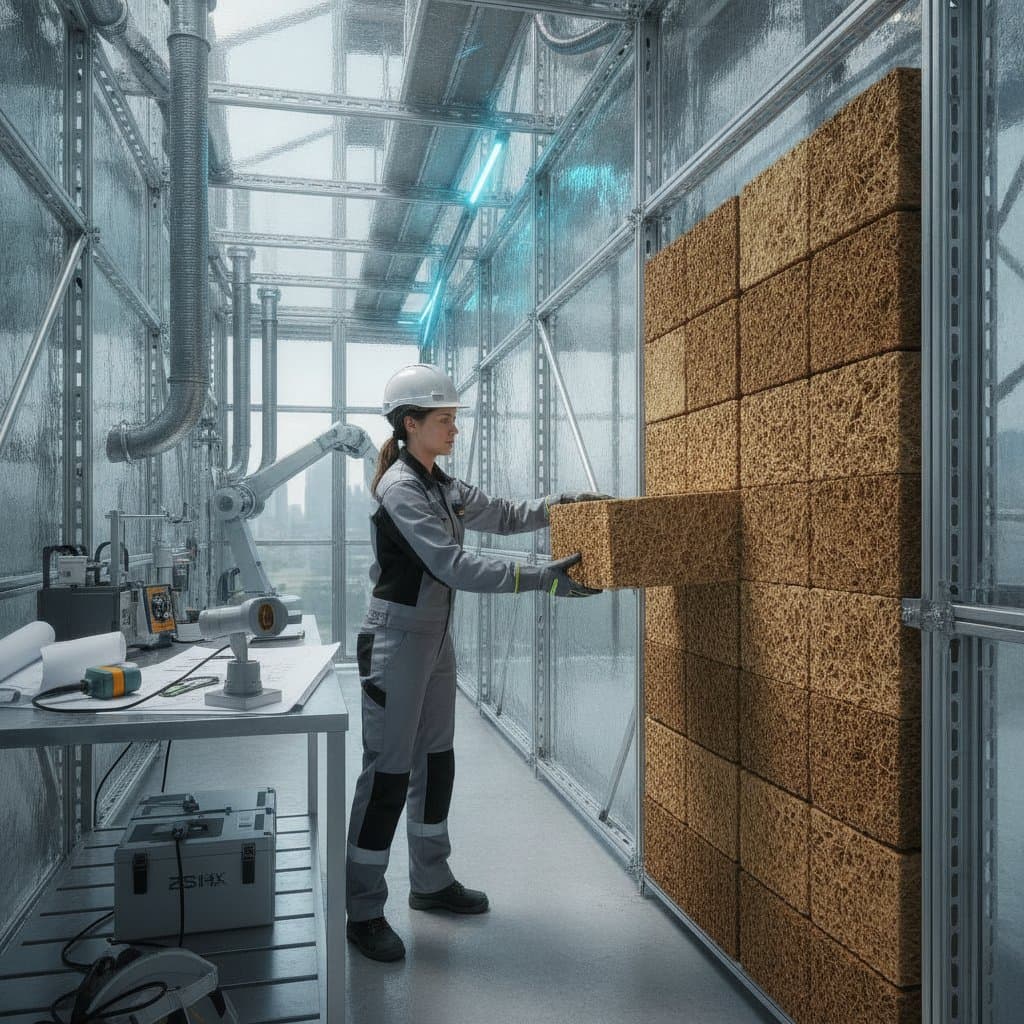
Mycelium bricks, cultivated from fungal networks and agricultural byproducts, provide a compostable, energy-efficient substitute for concrete and clay. Their lightweight design, superior insulation, and natural decomposition make them ideal for green building, though considerations for strength and moisture are essential in advancing eco-architectural solutions.

5 min read
Featured image for Smart Sensors Detect Concrete Damage Before It Shows

Smart Sensors Detect Concrete Damage Before It Shows

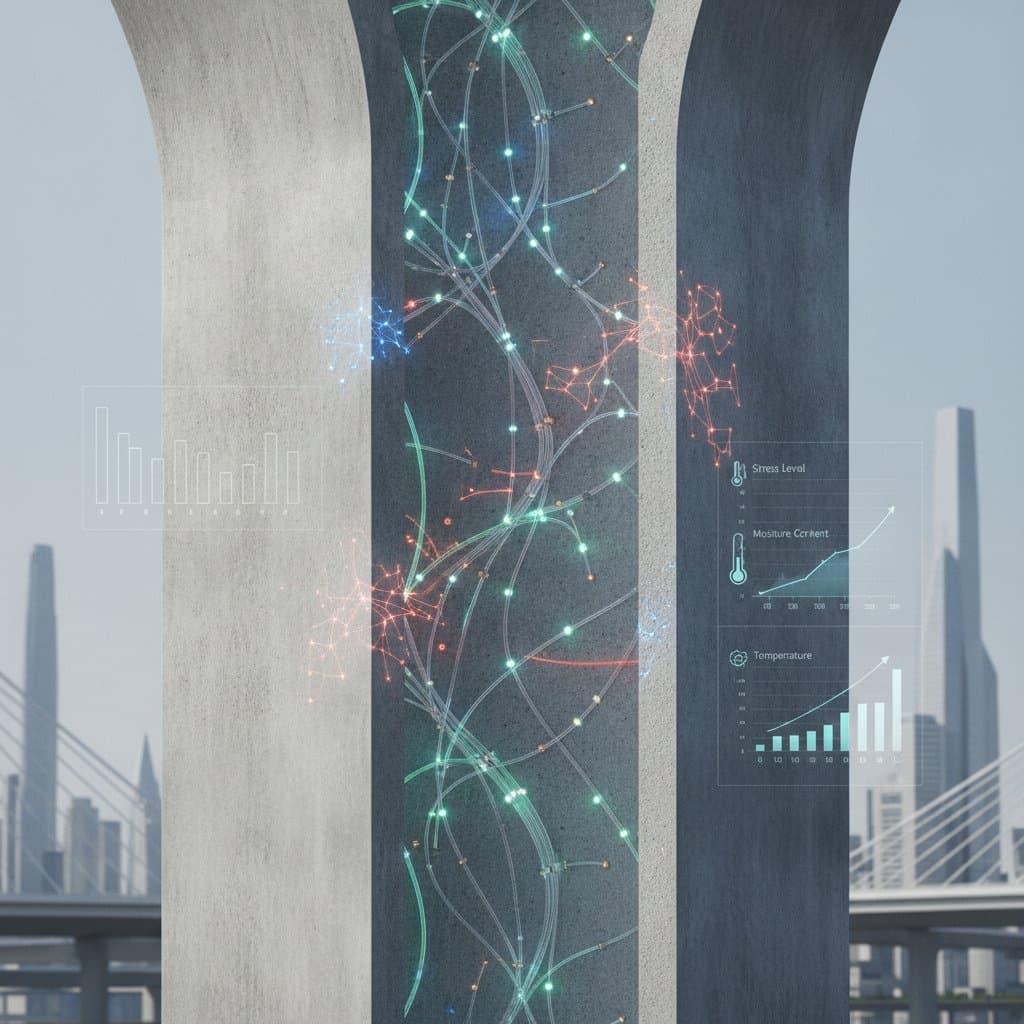
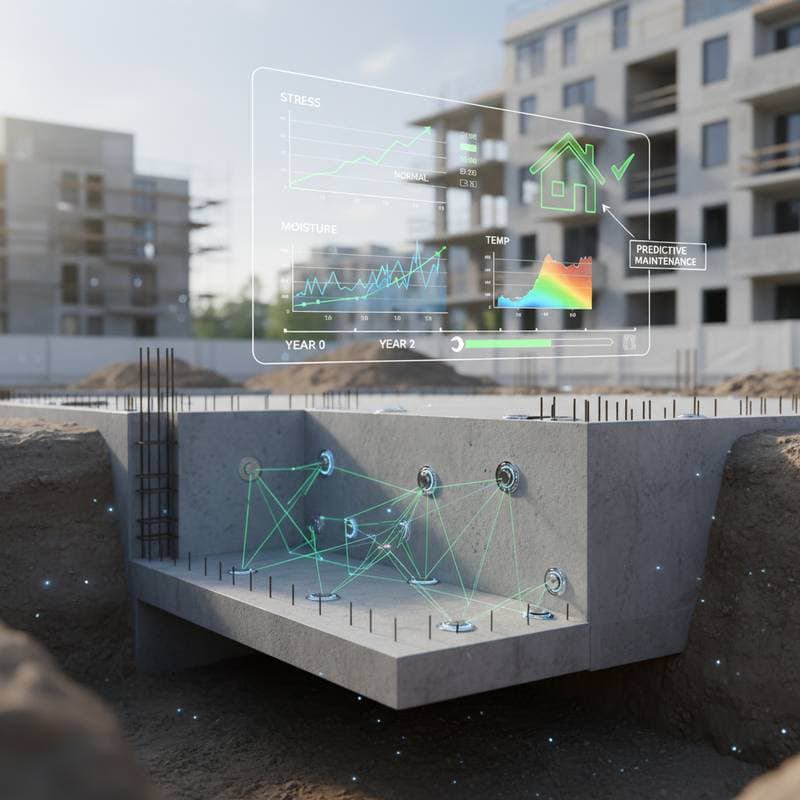
Smart sensors transform concrete upkeep by revealing invisible flaws early through embedded or attached devices that monitor temperature, strain, corrosion, and moisture. Real-time cloud analysis delivers predictive insights, prolonging asset life, boosting safety, and shifting infrastructure toward dynamic surveillance.

6 min read
Featured image for Fungus Bricks Cost $2 vs Traditional Clay Masonry

Fungus Bricks Cost $2 vs Traditional Clay Masonry

Fungus bricks, derived from mycelium and agricultural waste, present a lightweight, low-carbon substitute for conventional clay masonry. These bricks grow naturally without firing, deliver superior insulation, support composting at end-of-life, and yield substantial energy efficiencies. Ideal for non-load-bearing applications, they illustrate the potential of biological materials to redefine sustainable architecture.

5 min read
Featured image for What to Check Before Installing Glass Bricks

What to Check Before Installing Glass Bricks

Recycled glass bricks convert discarded materials into radiant, sustainable building elements that combine aesthetics with functionality. This resource details evaluation methods, repair strategies, and upkeep techniques for these environmentally conscious structures, addressing moisture management, structural integrity, and financial aspects to help architects and contractors maintain transparency, longevity, and energy performance in future light-permeable facades.

4 min read
Featured image for Geopolymer Bricks Cut Curing Time to 48 Hours

Geopolymer Bricks Cut Curing Time to 48 Hours

Geopolymer bricks redefine sustainable construction through cement-free composition, swift 24-48 hour curing, and emissions reduced by up to 80 percent. Crafted from fly ash and alkaline activators, they offer unmatched durability, thermal resistance, and economic advantages. Understand their role in elevating masonry practices for environmentally aware projects in 2026.

5 min read
Featured image for Smart Concrete Cuts Failure Risk with Embedded Sensors

Smart Concrete Cuts Failure Risk with Embedded Sensors

Smart concrete incorporates embedded sensors to provide real-time monitoring of stress, temperature, and strain within structures, enabling early detection of potential failures. Although initial costs range from 15 to 25 percent higher than those of traditional concrete, this technology offers long-term advantages in safety, predictive maintenance, and overall durability for buildings and bridges.

6 min read
Featured image for Smart Concrete Detects Hidden Damage Before It Fails

Smart Concrete Detects Hidden Damage Before It Fails

Smart concrete integrates sensors directly into the material to monitor stress, cracks, and moisture in real time. This innovation allows engineers to address issues before they lead to failure, extending the lifespan of infrastructure and improving safety for bridges, buildings, and foundations.

4 min read
Featured image for Zero-Cement Bricks Cut Carbon Without Losing Strength

Zero-Cement Bricks Cut Carbon Without Losing Strength

Zero-cement bricks substitute traditional cement with geopolymer binders derived from industrial by-products, significantly reducing emissions while improving strength and longevity. Although initial costs and regional availability present challenges, these sustainable bricks offer exceptional durability, weather resistance, and eco-conscious performance. By 2026, they hold the potential to reshape the masonry sector, fostering a more environmentally responsible and resilient construction landscape.

6 min read
Featured image for Zero-Cement Bricks Hit 8,000 PSI at Half the Cost

Zero-Cement Bricks Hit 8,000 PSI at Half the Cost

Zero-cement bricks redefine sustainable construction through superior strength reaching 8,000 PSI, rapid curing, and carbon emissions reduced by up to 80 percent. Crafted from industrial byproducts rather than cement, these geopolymer bricks offer enduring durability, economic advantages, and environmental benefits.

6 min read