
Quick Overview
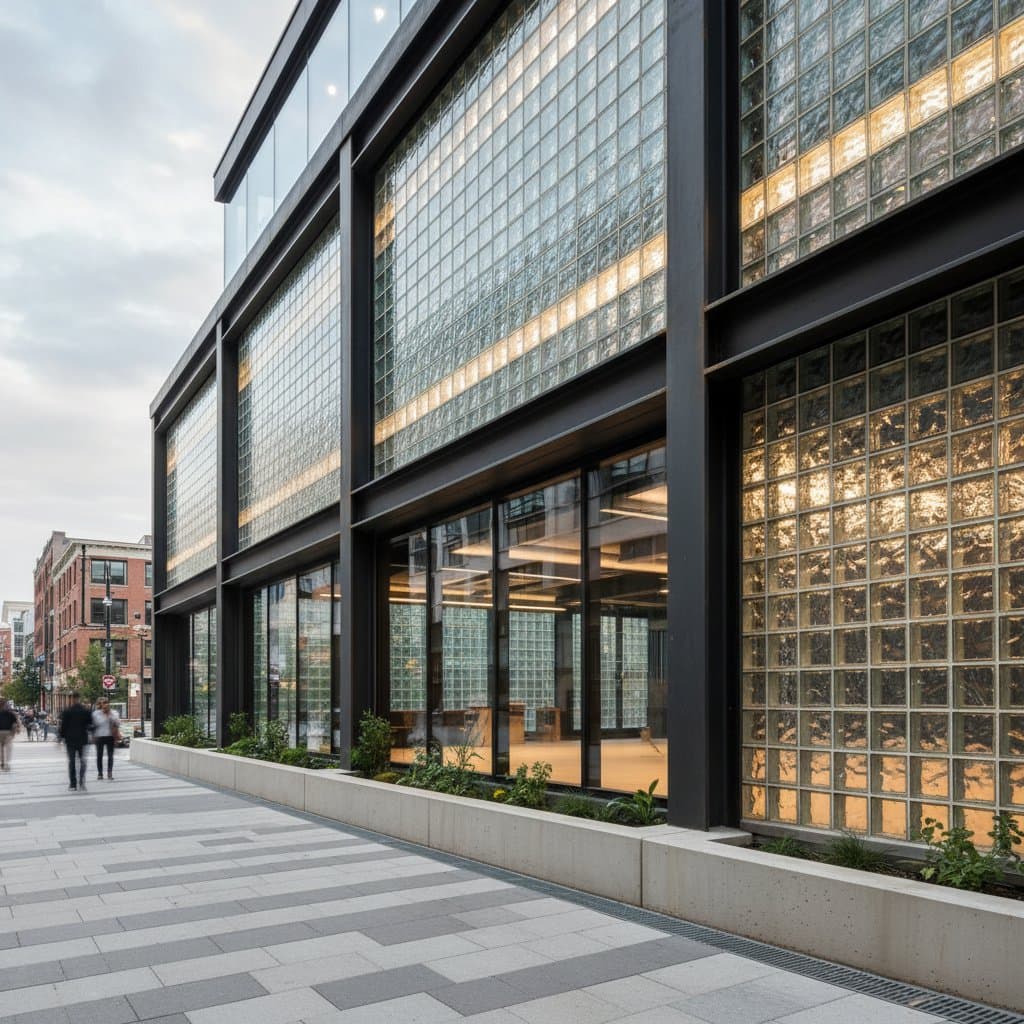
Recycled glass bricks redefine masonry by infusing opacity with translucence, allowing light to permeate while maintaining structural integrity. Builders must avoid viewing them solely as ornamental elements, as their performance hinges on robust engineering and water resistance. Anticipate elevated labor for installation, along with custom mortars and precise detailing to accommodate thermal shifts and moisture dynamics.
Site Assessment Essentials
Prospective users should survey the project area considering light patterns and water flow. Observe how sunlight traverses walls throughout the day and identify zones where moisture accumulates near bases or barriers. These bricks intensify the effects of both light and water, making strategic positioning and sealing paramount.
Evaluate these factors prior to proceeding:
- Light exposure and views: Pinpoint walls receiving direct sunlight versus those in shadow. Units with light-emitting properties excel in areas that capture daytime rays for evening luminescence.
- Support framework: Confirm that underlying walls or frames stand level and secure. Glass units demand uniform backing and spacing to avert stress fractures.
- Water runoff routes: Examine nearby soil levels or flashing setups. Stagnant water or inadequate inclines compromise mortar durability.
- Heat expansion areas: Note that glass thermal response differs from traditional masonry. Identify high-heat zones and incorporate expansion joints.
- Indoor illumination effects: In spaces like bathrooms, hallways, or lower levels, assess potential for daylight to cut energy use. These blocks scatter light softly, minimizing harshness while preserving seclusion.
Warning Indicators
Specific conditions signal that recycled glass bricks might demand extra investment or prove impractical.
- Fractured or irregular backing structures that could transfer strain to the glass.
- Ongoing moisture in walls or deficient flashing risking surface fogging or joint degradation.
- Shifting bases or tilting edges indicating uneven settlement.
- Zones with significant vibrations, near roads or machinery.
- Exposed outer walls in freeze-thaw climates lacking sufficient runoff or thermal barriers.
- Enclosed internal spaces prone to moisture buildup behind the units.
These issues elevate expenses and hazards. Though appearing resilient, glass masonry reacts sharply to movement or enclosed dampness.
Common Solutions and Estimated Expenses
Recycled glass bricks vary as solid forms, hollow light-transmitting variants, or resin-bound panels from crushed glass. Installed costs span 25 to 60 dollars per square foot, influenced by density, design, and site. Structural upgrades or bespoke shaping can double this figure.
Standard approaches encompass:
- Base preparation: Align and seal support surfaces prior to placement. Budget 4 to 10 dollars per square foot for barriers and alignment aids.
- Joint materials: Select polymer-enhanced or silicone mortars suited for glass interfaces. Standard mixes lead to failures. Allocate 15 to 25 dollars per square foot for supplies and work.
- Movement accommodations: Space expansion joints at 10 to 12 feet intervals to curb splits. Flexible fillers run 2 to 4 dollars per linear foot.
- Illumination features: Certain bricks incorporate LED pathways or glow-enhancing layers. Electrical setup adds 8 to 15 dollars per square foot.
- Protective treatments: Gentle sealers prevent staining and buildup. Annual renewal costs 1 to 2 dollars per square foot.
Opting for shortcuts like ordinary mortar or omitted joints may delay issues briefly before abrupt breakdowns. Fixing shattered units proves expensive and intrusive. Prioritize quality from the outset and define extent and features upfront to sidestep modifications.
Repair Strategies Versus Full Renewal
Wall Assemblies and Facades
For subtle surface haze or shifting joints in established walls, opt for thorough cleaning and re-pointing. Pursue replacement solely if numerous units fracture or infiltration damages supports. Localized restorations carry high costs due to color matching challenges. Targeted fixes and barriers typically amount to one-third of total overhaul expenses.
Glazing Elements and Infill
These bricks frequently act as light portals in wet areas or vertical transitions. If surrounds stay true and water diversion works, refresh seals and barriers instead of demolition. Renew only for chronic leaks or code violations on safety or airflow.
Bearing Components
In weight-supporting roles, position recycled glass as non-structural facing over solid cores. Retain intact foundations. Avoid wholesale substitution with glass, which proves inefficient and precarious. Address fissures, enhance diversion, and limit custom elements to highlights.
Collaborative Approach and Workflow
Proactive coordination averts costly adjustments. Assemble a core group comprising:
- Evaluator versed in glass-masonry interfaces to assess bases and water strategies.
- Designer to outline motifs, spacing, and glow schemes. Initial sketches distinguish load-bearing from visual applications.
- Project lead to validate budgets, delivery, and handling protocols. Specialized equipment and precautions apply for glass manipulation.
- Experts in illumination, regulatory adherence, and heat simulation for glow or warmth impacts.
Concurrent reviews outperform sequential engagements. Architects, builders, and specialists should cross-check plans early. Discrepancies in visuals and execution spawn leaks or inconsistent radiance. Oversight adds 10 to 20 percent to totals yet curbs excesses through unified efforts.
Allocation Focus Areas
Direct funds to top-impact items initially:
- Water control and barriers: Prioritize hydrology over visuals. Moisture infiltration dulls even superior glass.
- Vapor barriers and thermal layers: Block dew formation that obscures or ices surfaces.
- Load supports: Align beams, fasteners, and braces with glass mass and fragility.
- Glow systems: Route cabling ahead. Later additions disrupt seals.
- Edge treatments: Apply final. Nearby activities risk chipping.
Marginal gains arise from applying in dim or unprotected zones. Concentrate on accessible, moderated settings where diffusion enhances utility and allure.
Funding and Phased Execution
Effective endeavors adhere to protective timelines minimizing disruptions.
- Manage hydrology: Direct earth from structure, fix eaves, mend barriers. Resolve entries before glass phases.
- Validate stability: Ensure plumb, firm, augmented surfaces. Base corrections preempt panel damage.
- Apply barriers and gaps: Concealed defenses determine endurance.
- Position units: Maintain uniform gaps, clear residues promptly, stabilize during setting.
- Embed lighting: Align circuits pre-final barriers for LED or enhancers.
- Barrier and polish: Coat post-cure. Shun harsh agents.
- Complete surrounds: Resume other crafts only upon glass finality.
Dependencies enforce order. Deviations invite dampness or tension reducing viability.
Longevity and Upkeep
These bricks demand less frame care than alternatives yet vigilant joint and finish monitoring. Use mild cleaners and gentle tools. Check seals biannually for splits or growth. Renew where adhesion fails.
Batch variations in hue occur. Retain extras from matching runs for fixes. Ensure access to illuminants via panels or conduits.
Heat transfer differs: Dense units conduct more than layered ones but boost natural light. Gains include lower power needs and 40 to 50 year spans with sound methods.
Sustainability Returns
Each unit repurposes pounds of refuse, often from reused containers reformed precisely. Energy input trails virgin glass yet exceeds clay. Durability offsets: No decay, corrosion, or discoloration shortens intervals.
Shipping hides consumption. Favor local sources. Confirm additives as safe and light-resistant.
A regional craftsman noted, “The biggest surprise is weight. Glass bricks are dense but not forgiving. If the wall flexes, they tell you right away.” This captures the precision required and enduring vibrancy.
Harmonizing Form and Utility
Beyond visuals, these walls ease indoor-outdoor flows, provide fixture-free security glow, and ensure veiled views sans coverings. Day-capturing surfaces near paths yield dusk radiance. In public venues, motifs supplant elaborate exteriors.
Temper diffusion judiciously. Excess chills ambiance. Confine to focal planes, cores, or thresholds. Complement with organics like timber or finishes for warmth. Insulate metal contacts to avert dew.
Safeguarding Long-Term Value
View these installations as dynamic interfaces to surroundings. Hydrology, climate, and rays shape responses. Sustain flows, regulate air, restore seals proactively.
In upgrades, shield margins from impacts. Employ precise tools with coolant for penetrations. Permit flexible buffers for additions.
Enduring gains stem from resilience and efficiency. Sound setups defy flames, pests, decay. Radiance cuts energy, bolsters safety. Upfront costs recoup via steadfastness and minimal care.
For legacy or fresh projects, fundamentals persist: Govern water, affirm framework, sequence deliberately. Precision earns reciprocity in illumination and endurance.