#bricks

Articles tagged with bricks

Featured image for Recycled Glass Walls: 85% Sustainable at $80-$150/Sq Ft

Recycled Glass Walls: 85% Sustainable at $80-$150/Sq Ft

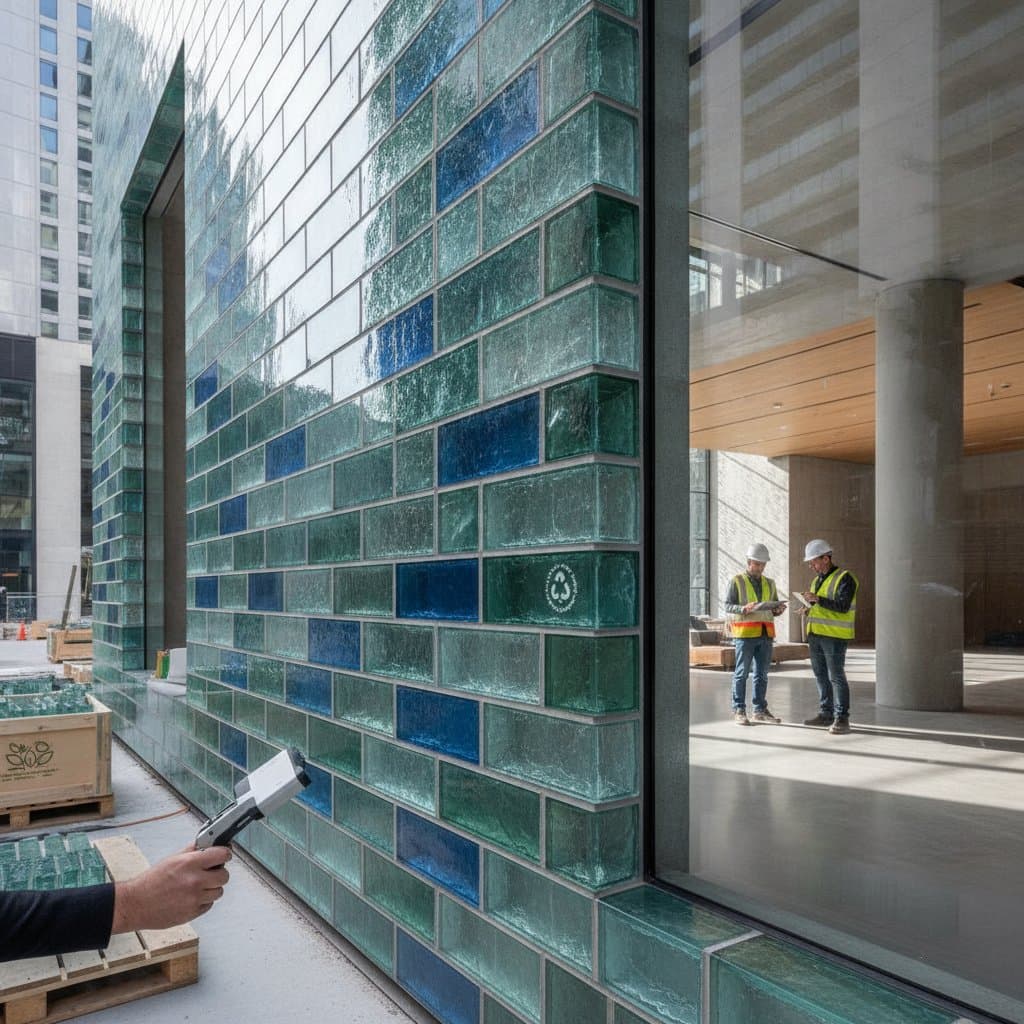
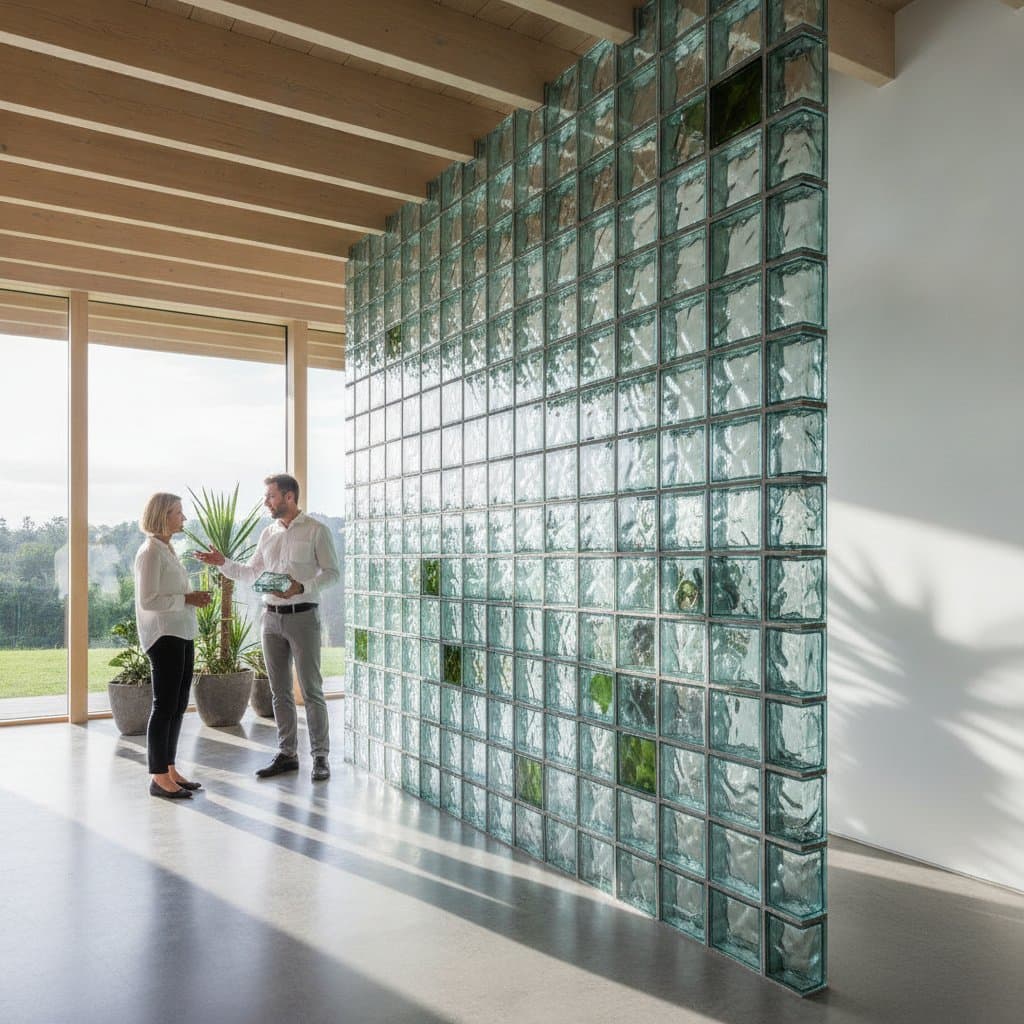
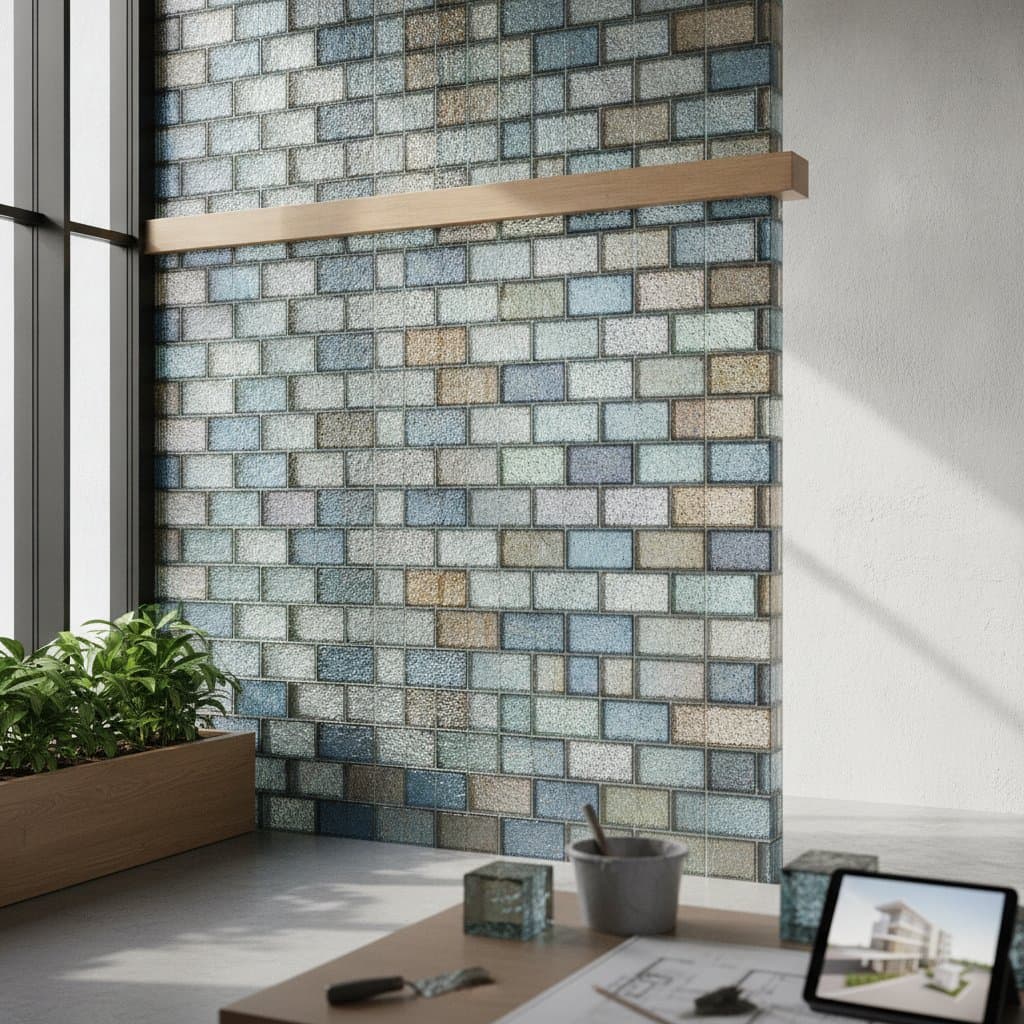
Recycled glass elevates architecture through sustainable, light-diffusing walls that blend eco-responsibility with elegance. This resource outlines production methods, installation steps, expense breakdowns, and upkeep advice, showcasing how glass masonry boosts illumination, durability, and versatility while curbing environmental impact. Uncover data-driven details, real-world applications, and specialist recommendations for crafting resilient, glowing, green environments.

5 min read
Featured image for Recycled Glass Bricks Cut Waste While Matching Concrete Strength

Recycled Glass Bricks Cut Waste While Matching Concrete Strength

Recycled glass bricks innovate sustainable construction by delivering strength, translucency, and efficiency through the reuse of waste glass in durable blocks. This overview details their manufacturing process, pricing, installation methods, and performance edges, showing how they minimize landfill contributions, boost energy savings, and expand design options for architects, contractors, and environmentally aware homeowners.

5 min read
Featured image for Recycled Glass Bricks Cut Waste by 2026

Recycled Glass Bricks Cut Waste by 2026

Recycled glass bricks repurpose waste into robust, light-permeable structures that propel zero-waste building forward by 2026. Offering durability, aesthetic versatility, and eco-benefits, they minimize landfill contributions and resource extraction. Delve into pricing, technical specs, installation techniques, and care tips for integrating them into sustainable designs.

6 min read
Featured image for Zero-Cement Bricks Match Concrete Strength Without Emissions

Zero-Cement Bricks Match Concrete Strength Without Emissions

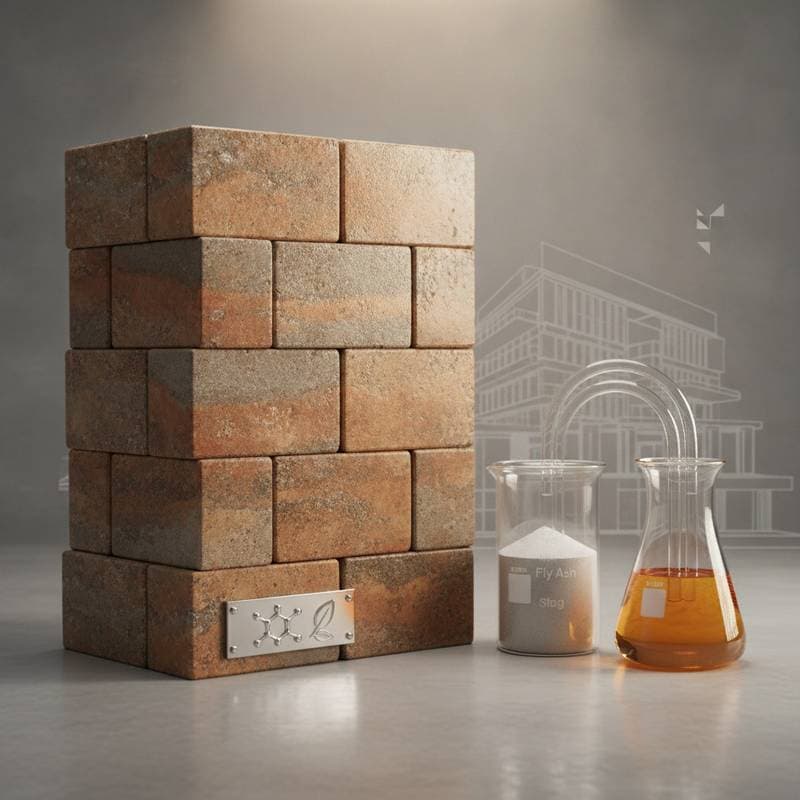
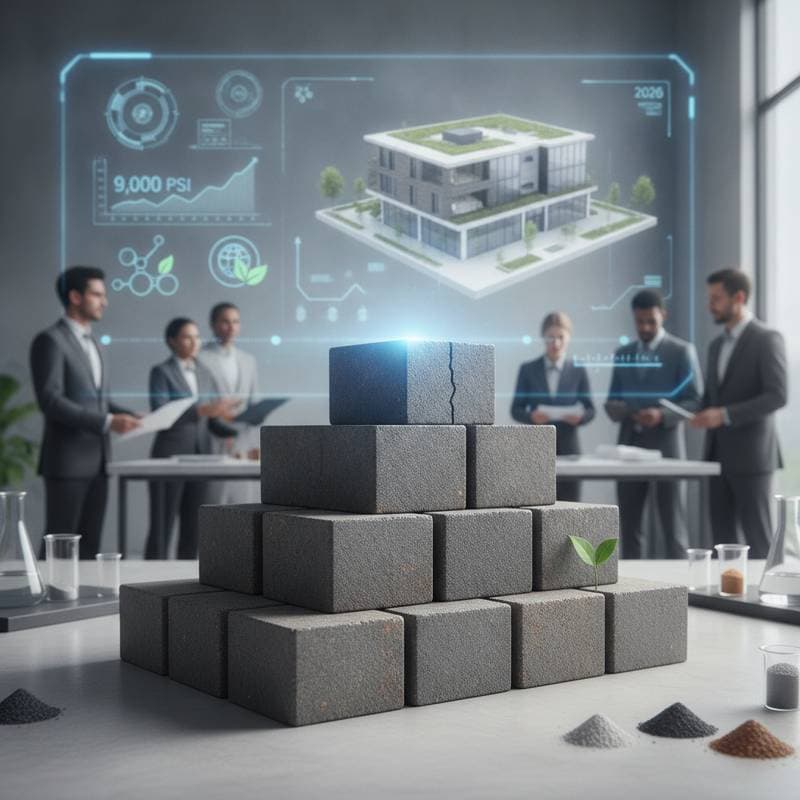
Zero-cement bricks transform masonry by substituting high-emission cement with geopolymer binders derived from industrial byproducts. These units provide superior strength, enhanced durability, and environmental benefits, reducing waste and emissions. As standards evolve and costs align with traditional options, they stand ready to reshape walls, pathways, and residential structures.

6 min read
Featured image for Zero-Cement Bricks Cut Carbon and Boost Durability

Zero-Cement Bricks Cut Carbon and Boost Durability

Geopolymer bricks offer a cement-free alternative for masonry, significantly reducing carbon emissions while enhancing durability and moisture resistance. Builders face challenges in cost, building codes, and quality consistency, yet field tests demonstrate substantial promise. Through careful planning, targeted training, and rigorous quality controls, construction professionals can pioneer sustainable, resilient building methods by 2026.

7 min read
Featured image for Zero-Cement Bricks Pass Structural Codes for Builds

Zero-Cement Bricks Pass Structural Codes for Builds

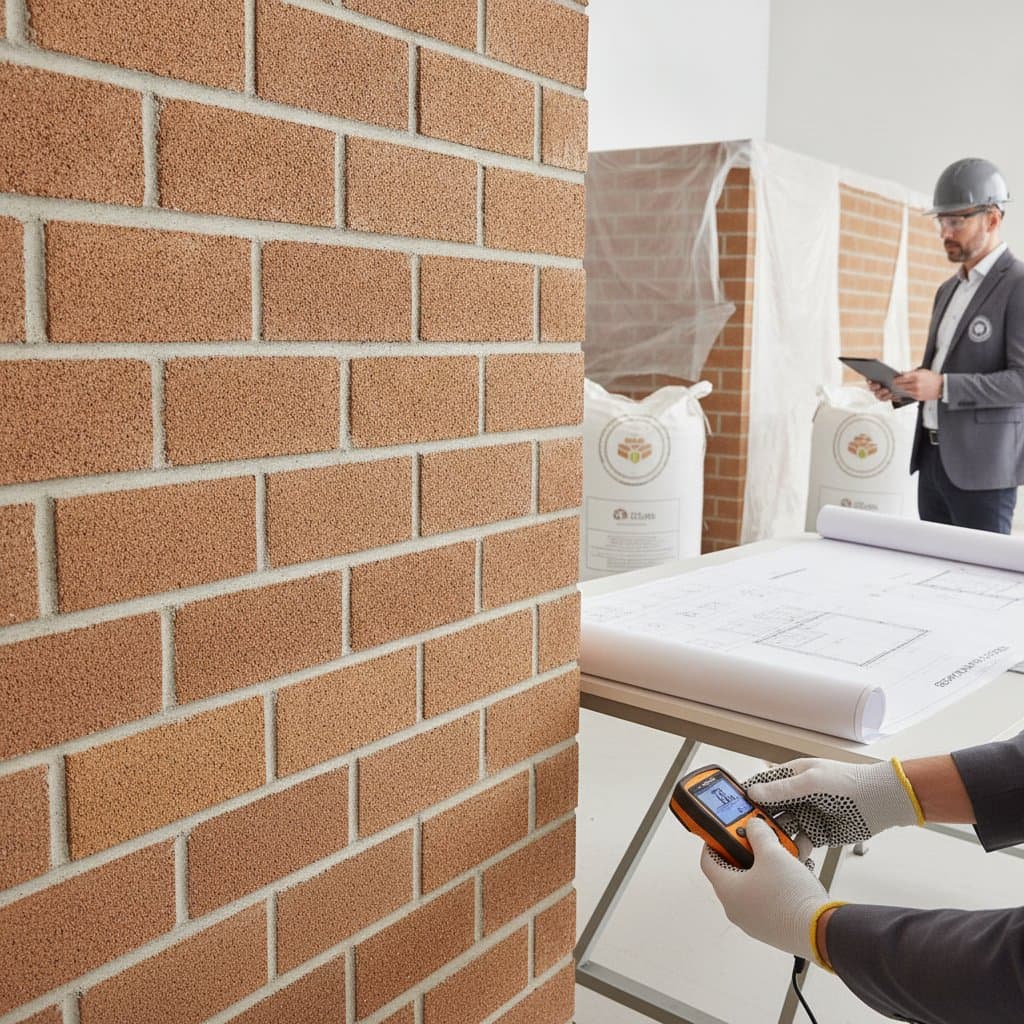
Code-approved zero-cement geopolymer bricks offer a low-carbon alternative for structural applications in construction. These innovative materials require precise curing protocols, compatible mortars, and effective moisture management to perform optimally. While initial costs may exceed traditional options by 10 to 20 percent, scaled production promises parity, with benefits in durability and environmental impact.

4 min read
Featured image for Why Mycelium Bricks Cut Carbon Without Kiln Firing

Why Mycelium Bricks Cut Carbon Without Kiln Firing

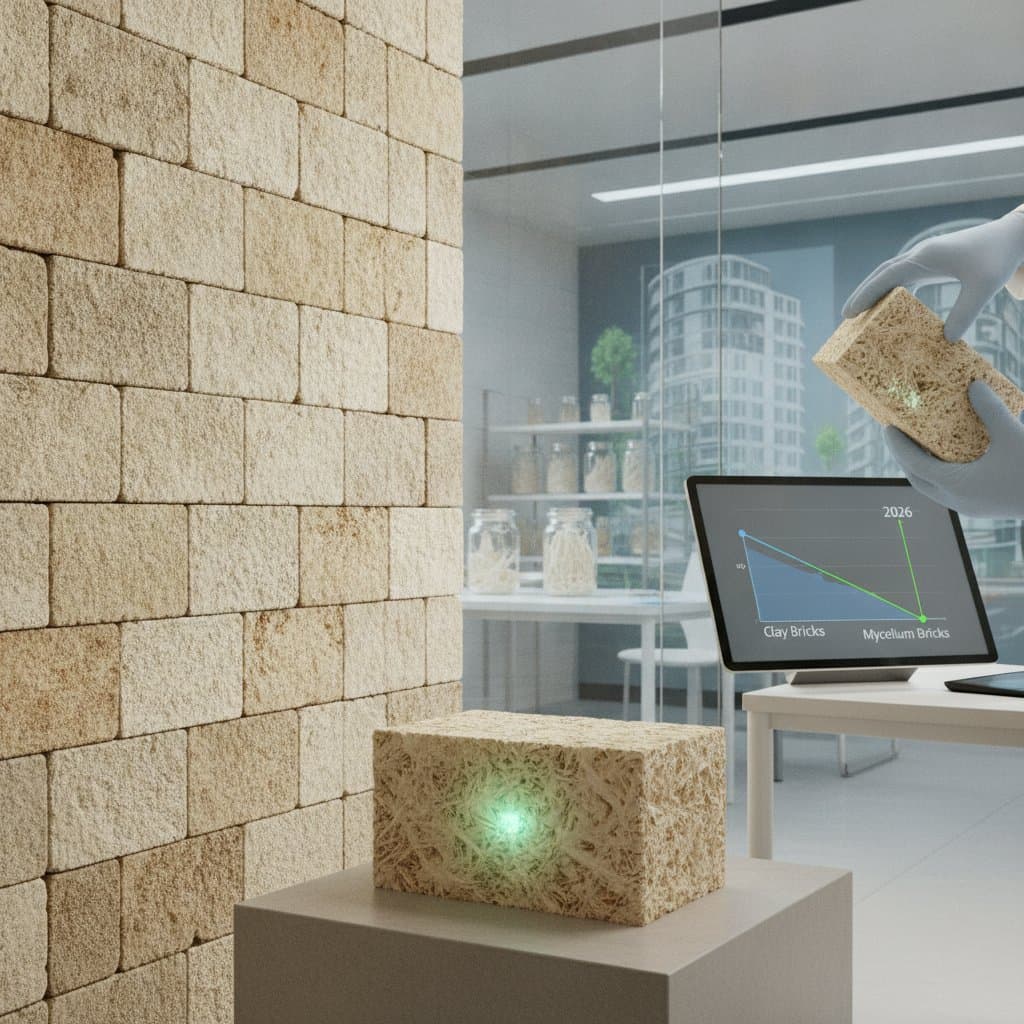
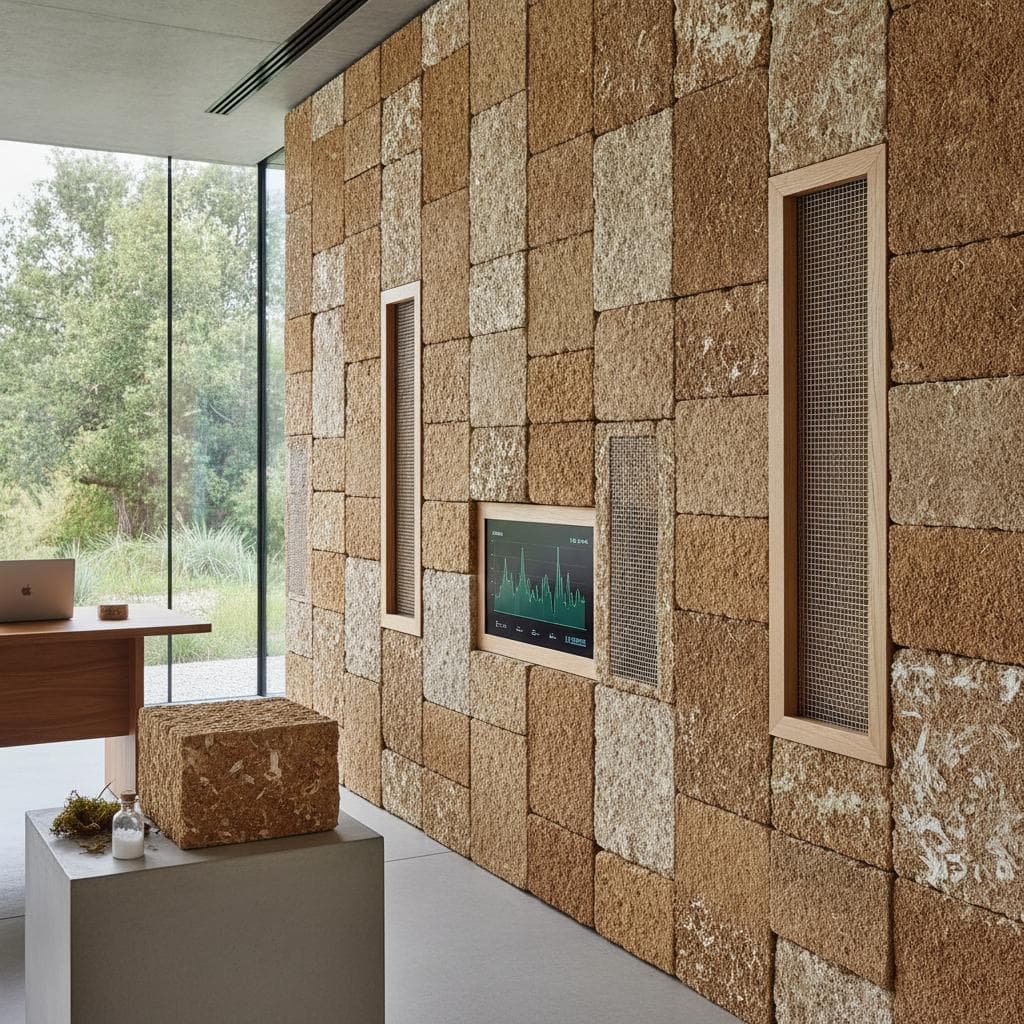
Mycelium bricks transform sustainable building practices by leveraging fungal networks to create low-carbon, renewable materials. These lightweight, resilient units minimize energy consumption and ecological footprint. Effective implementation requires precise curing, moisture management, and collaboration with specialists to ensure reliability in construction applications.

6 min read
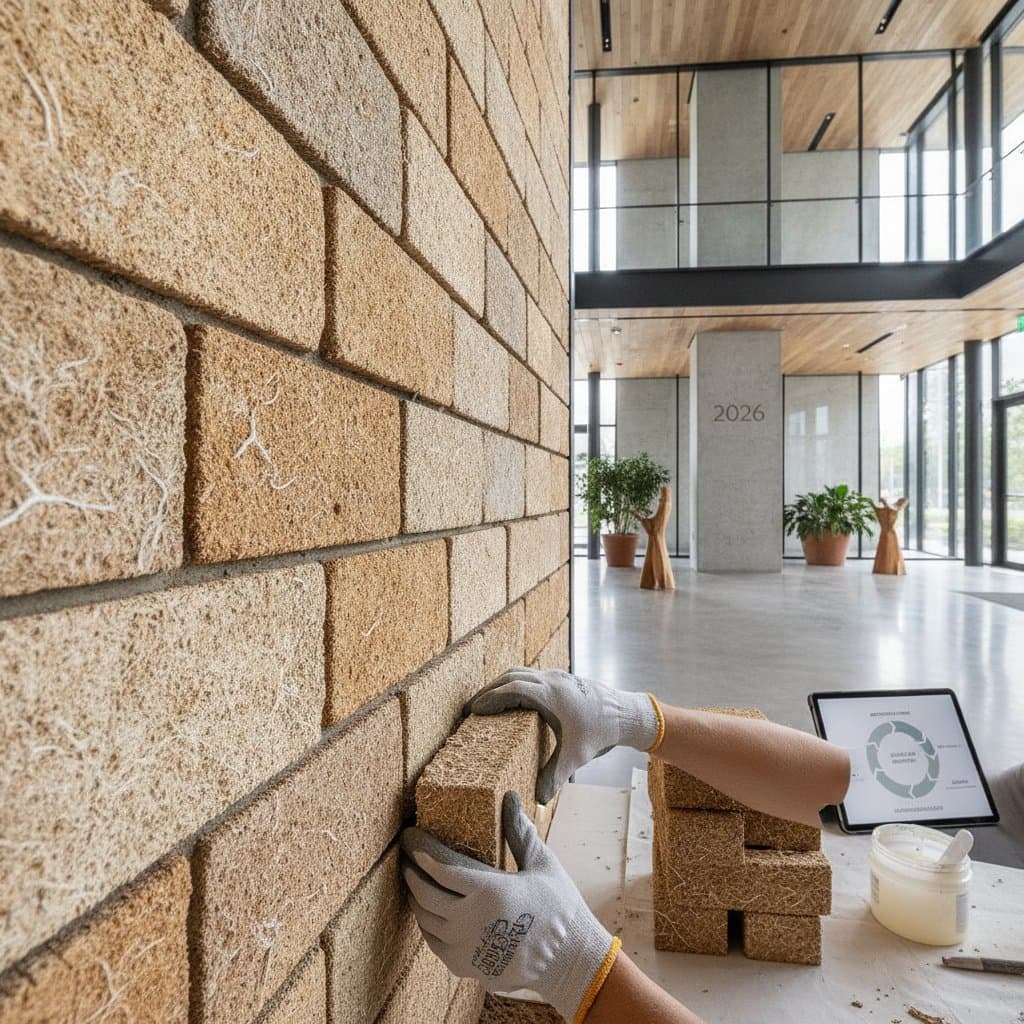
Featured image for Why Mycelium Bricks Outperform Traditional Masonry

Why Mycelium Bricks Outperform Traditional Masonry

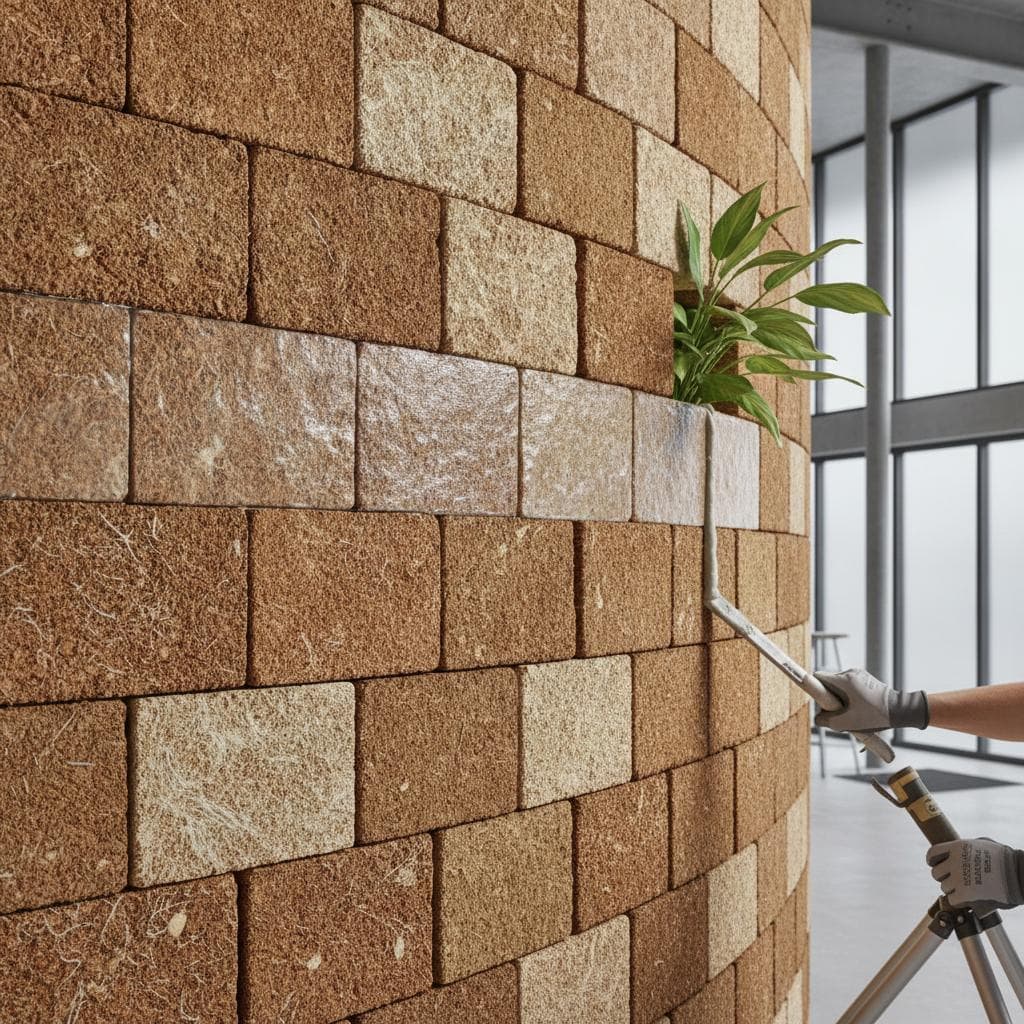
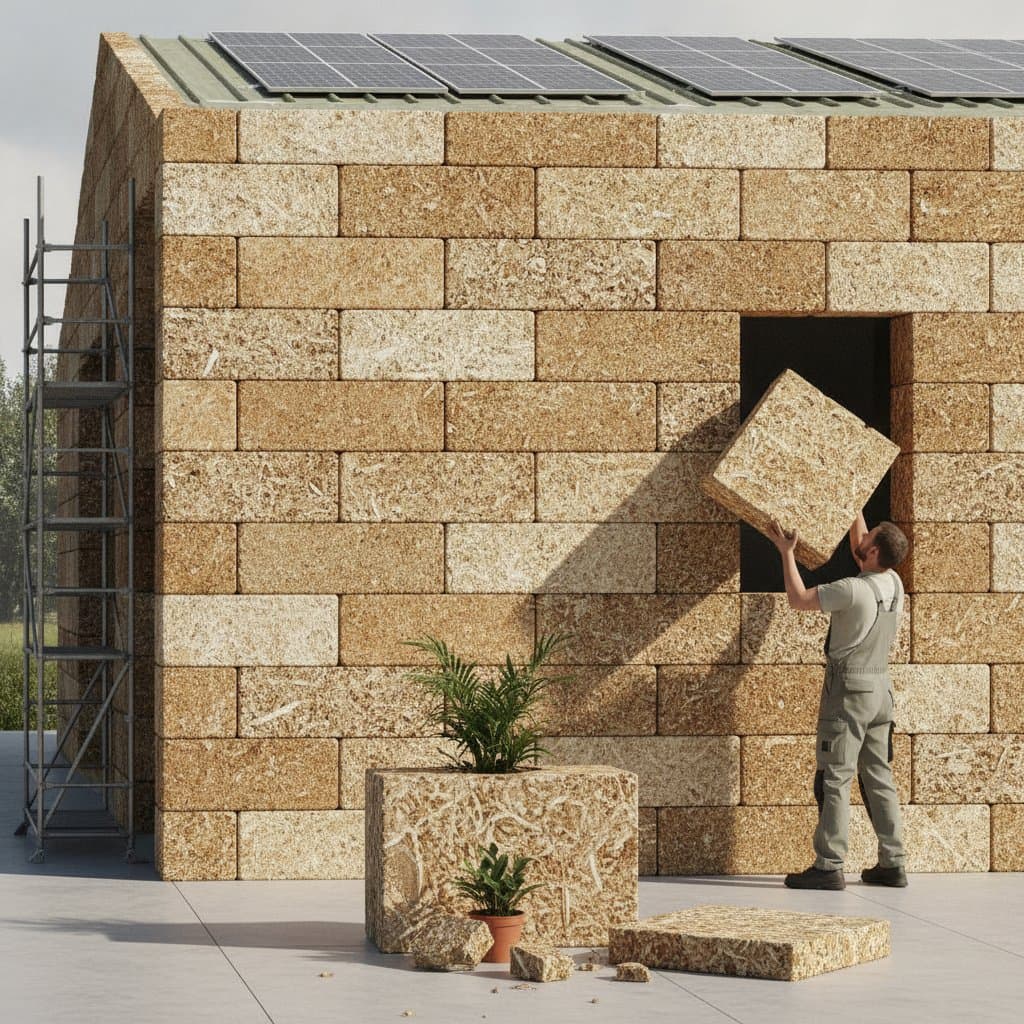
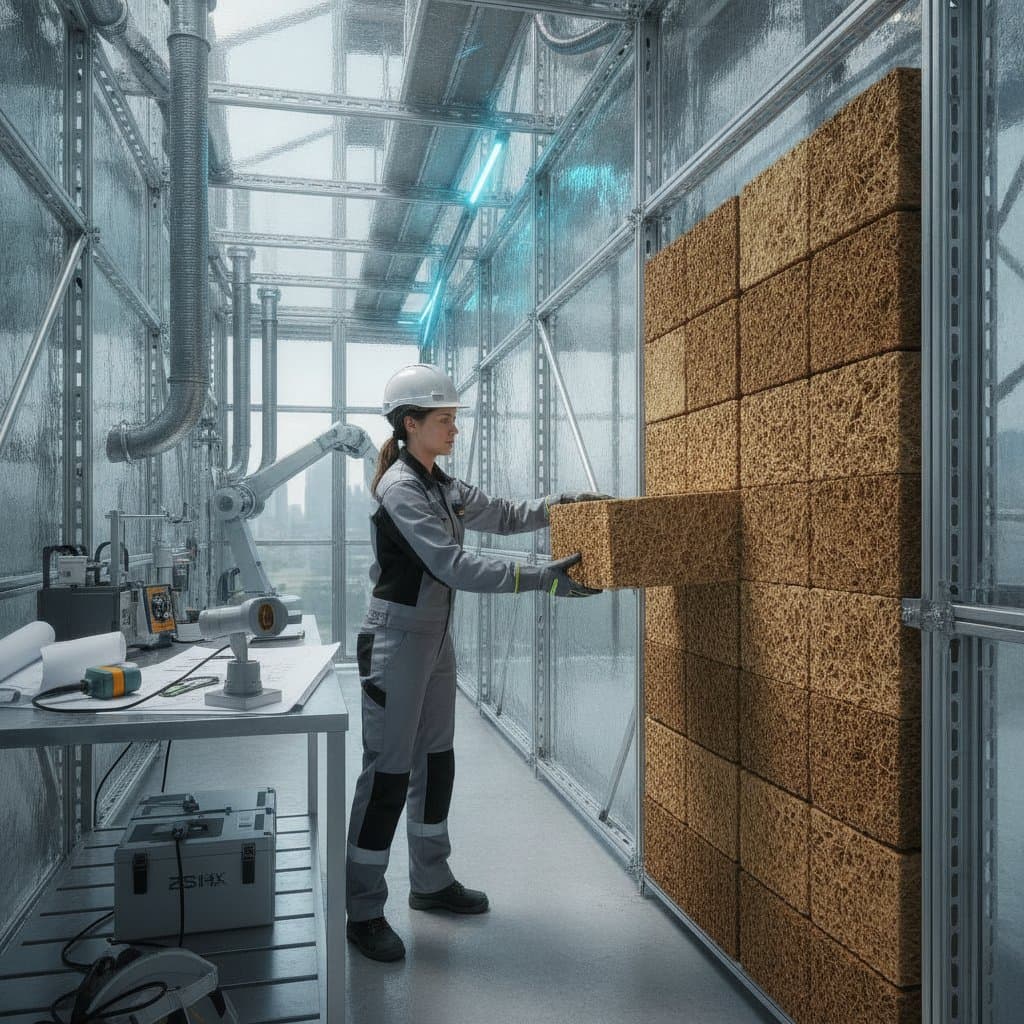
Mycelium bricks, cultivated from fungal networks and agricultural byproducts, provide a compostable, energy-efficient substitute for concrete and clay. Their lightweight design, superior insulation, and natural decomposition make them ideal for green building, though considerations for strength and moisture are essential in advancing eco-architectural solutions.

5 min read
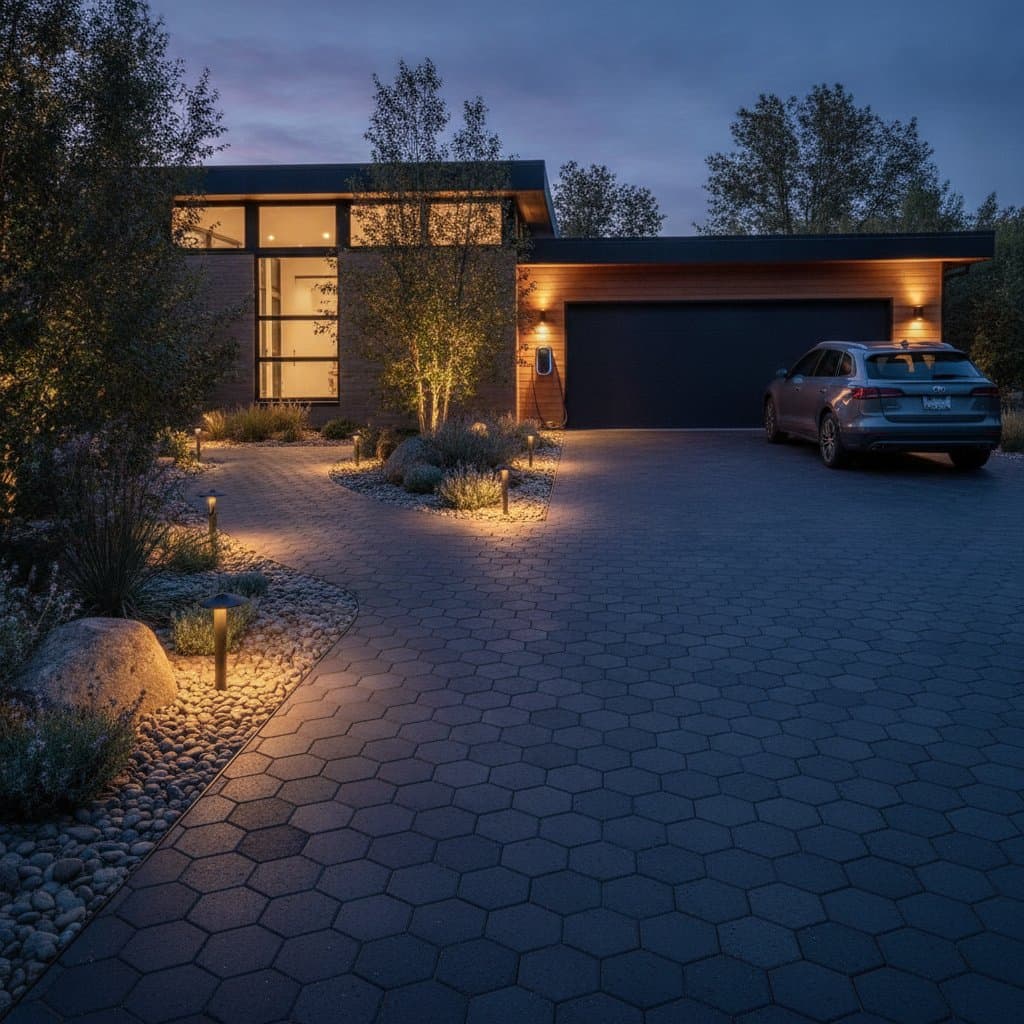
Featured image for Building Solar Pavers: Self-Lighting Pathways

Building Solar Pavers: Self-Lighting Pathways

Elevate your outdoor walkway with solar pavers that integrate durable construction, innovative lighting, and sustainable energy. This comprehensive guide covers site assessment, material selection, installation steps, and upkeep to create secure, environmentally conscious paths that charge by day and light up after dark.

6 min read
Featured image for Zero-Cement Bricks Cut Carbon While Matching Strength

Zero-Cement Bricks Cut Carbon While Matching Strength

Zero-cement bricks leverage geopolymer chemistry to replace high-carbon Portland cement with fly ash, slag, and minerals. These bricks reduce emissions, enhance durability, and repurpose waste. Discover planning strategies, material sourcing, and construction methods for high-performance, sustainable masonry shaping the industry by 2026.

7 min read
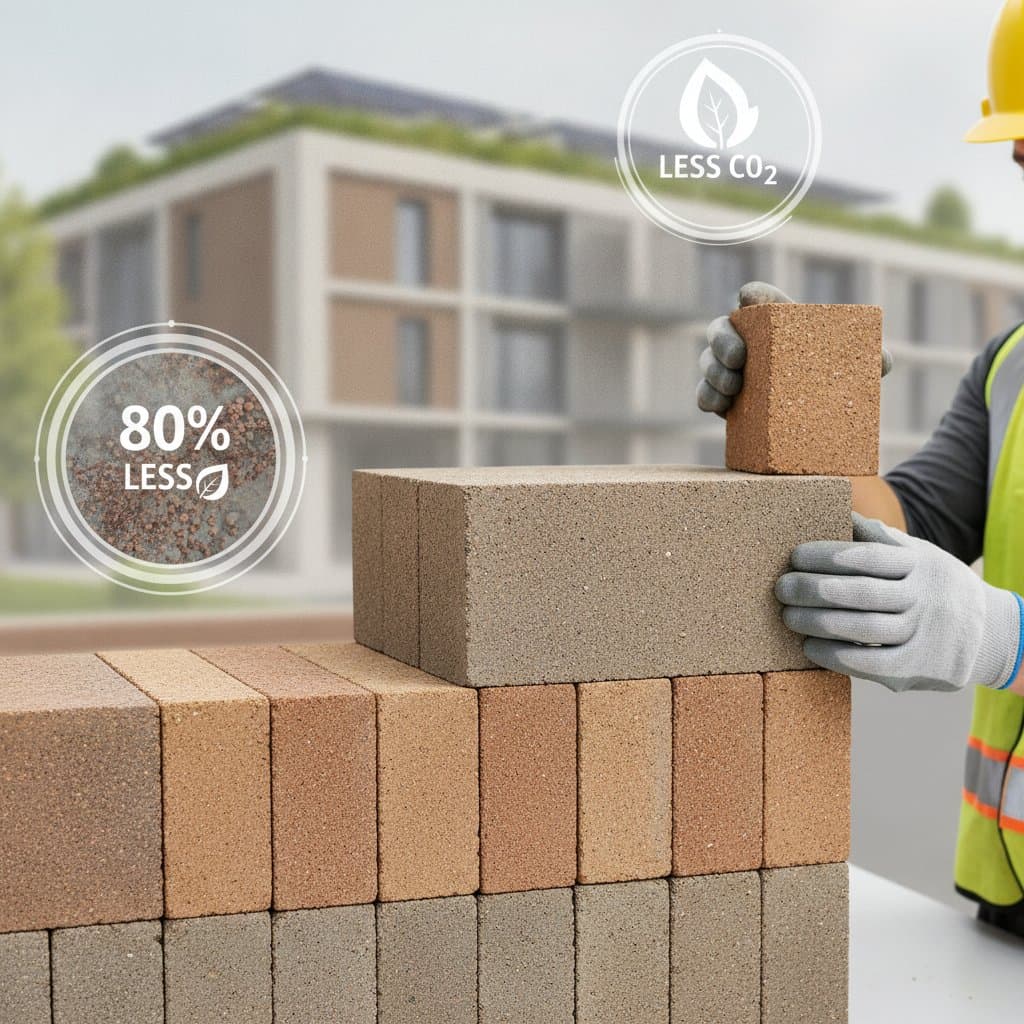
Featured image for Why Geopolymer Bricks Will Dominate Masonry by 2026

Why Geopolymer Bricks Will Dominate Masonry by 2026

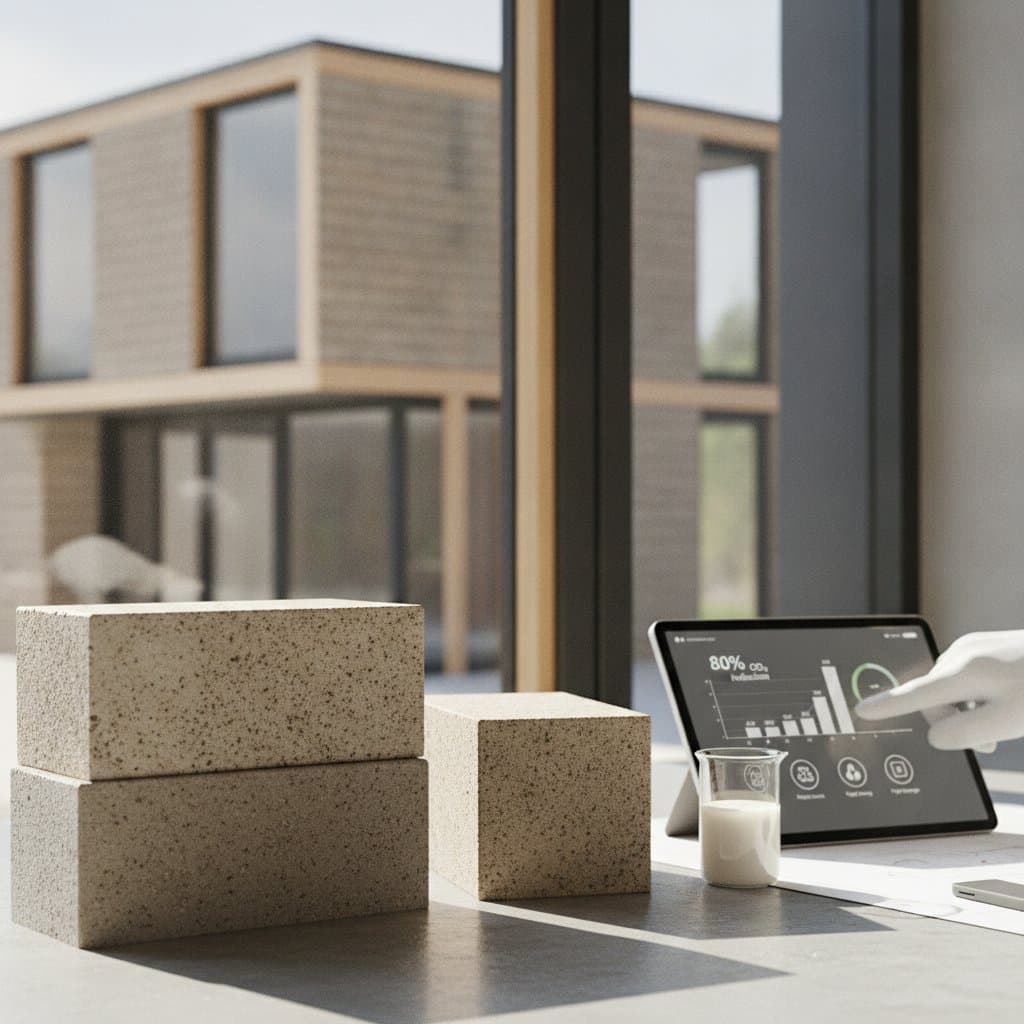
Geopolymer bricks transform masonry through exceptional strength, rapid curing, and carbon emissions reduced by up to 80 percent compared to conventional materials. Derived from industrial by-products, these bricks provide improved insulation, longevity, and economic benefits. With evolving building regulations, they position themselves to lead in sustainable building practices by 2026.

5 min read
Featured image for Zero-Cement Bricks Cut CO₂ by 90% and Cost Less

Zero-Cement Bricks Cut CO₂ by 90% and Cost Less

Zero-cement bricks leveraging geopolymer binders will transform the masonry sector by 2026. They deliver reduced costs, rapid curing, and emissions cuts of up to 90 percent. These bricks surpass traditional options in strength and longevity, making them ideal for eco-conscious builders and homeowners preparing for a greener future.

3 min read
Featured image for Zero-Cement Bricks Cut Emissions Without Losing Strength

Zero-Cement Bricks Cut Emissions Without Losing Strength

Zero-cement bricks transform masonry through sustainable geopolymer binders that replace traditional cement. These bricks provide comparable strength and longevity while minimizing emissions. This guide details their advantages, required materials, and a complete building process to help homeowners and builders adopt high-performance, environmentally responsible construction by 2026.

6 min read
Featured image for Zero-Cement Bricks Cut CO₂ by 80% While Matching Concrete Strength

Zero-Cement Bricks Cut CO₂ by 80% While Matching Concrete Strength

Zero-cement bricks leverage geopolymer technology to supplant Portland cement, slashing carbon emissions by up to 80 percent. These bricks provide exceptional strength, longevity, and resource efficiency for sustainable builds. This overview details planning, construction, and upkeep strategies for these game-changing materials set to influence masonry through 2026.

4 min read
Featured image for Zero-Cement Bricks Cut Carbon by 80% in 2026

Zero-Cement Bricks Cut Carbon by 80% in 2026

Geopolymer technology drives zero-cement bricks to transform sustainable construction. These bricks offer rapid curing, exceptional durability, and carbon emissions reduced by up to 80 percent. Evolving building regulations and balanced economics position them to lead masonry applications by 2026, revolutionizing residential and commercial builds globally.

6 min read
Featured image for Zero-Cement Bricks Cut Emissions by Half in Masonry

Zero-Cement Bricks Cut Emissions by Half in Masonry

Zero-cement bricks utilize geopolymer binders derived from industrial byproducts to replace traditional cement, slashing emissions while delivering comparable strength and longevity. These bricks offer cost savings over time, superior performance, and seamless integration into green construction projects. This guide details their specifications, installation process, and key considerations for adopting them in 2026.

6 min read
Featured image for Zero-Cement Bricks Cut Carbon 60% by 2026

Zero-Cement Bricks Cut Carbon 60% by 2026

Geopolymer-based zero-cement bricks innovate construction with unmatched strength, rapid curing, and 60-80% reduced carbon footprint. Leveraging waste materials and advanced chemistry, they ensure durability, energy savings, and quick ROI, poised to lead eco-friendly building by 2026.

5 min read
Featured image for Fungus Bricks Cost $2 vs Traditional Clay Masonry

Fungus Bricks Cost $2 vs Traditional Clay Masonry

Fungus bricks, derived from mycelium and agricultural waste, present a lightweight, low-carbon substitute for conventional clay masonry. These bricks grow naturally without firing, deliver superior insulation, support composting at end-of-life, and yield substantial energy efficiencies. Ideal for non-load-bearing applications, they illustrate the potential of biological materials to redefine sustainable architecture.

5 min read
Featured image for What to Check Before Installing Glass Bricks

What to Check Before Installing Glass Bricks

Recycled glass bricks convert discarded materials into radiant, sustainable building elements that combine aesthetics with functionality. This resource details evaluation methods, repair strategies, and upkeep techniques for these environmentally conscious structures, addressing moisture management, structural integrity, and financial aspects to help architects and contractors maintain transparency, longevity, and energy performance in future light-permeable facades.

4 min read