Mycelium Bricks Grow Into Walls Without Firing
Mycelium bricks offer a renewable masonry option grown from fungal networks and agricultural waste. They provide insulation, fire resistance, and full compostability for circular construction projects.
Loading...
Articles tagged with masonry
Mycelium bricks offer a renewable masonry option grown from fungal networks and agricultural waste. They provide insulation, fire resistance, and full compostability for circular construction projects.
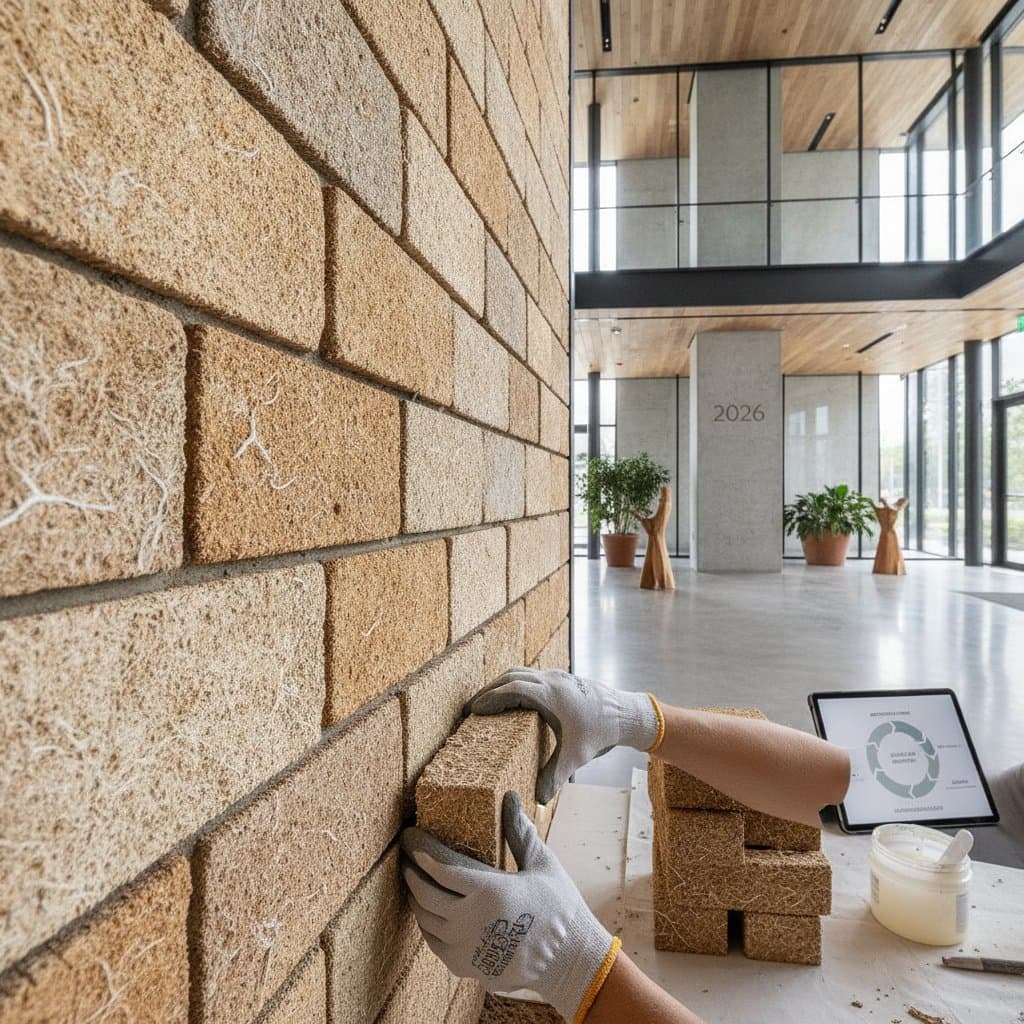
Mycelium bricks grow from fungal filaments on agricultural waste in days, offering insulation and low emissions without kiln firing. Current uses focus on interior partitions while standards evolve.
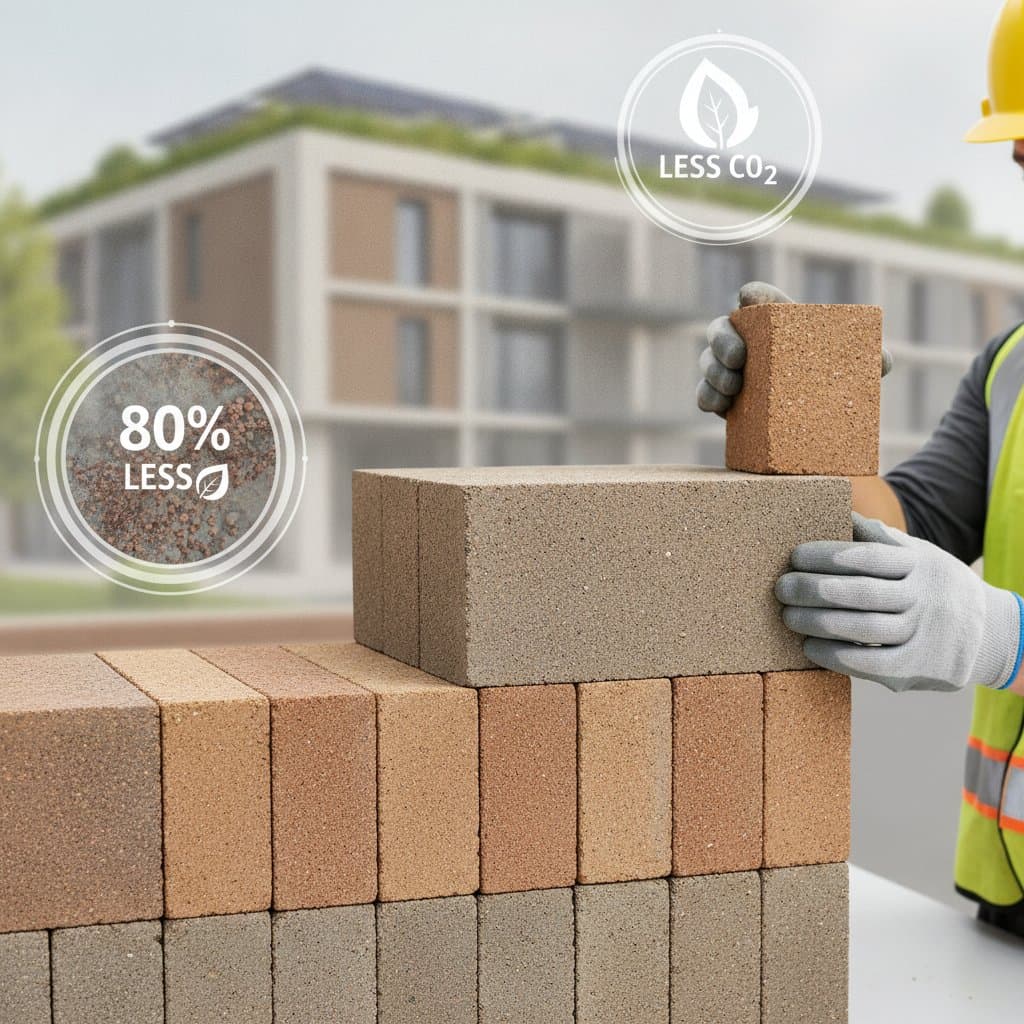
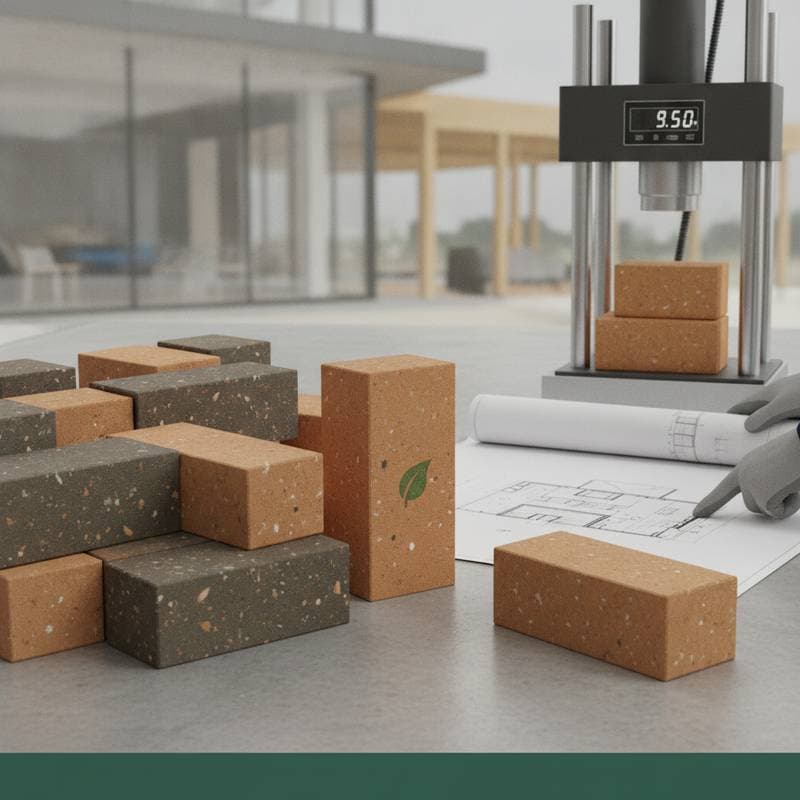
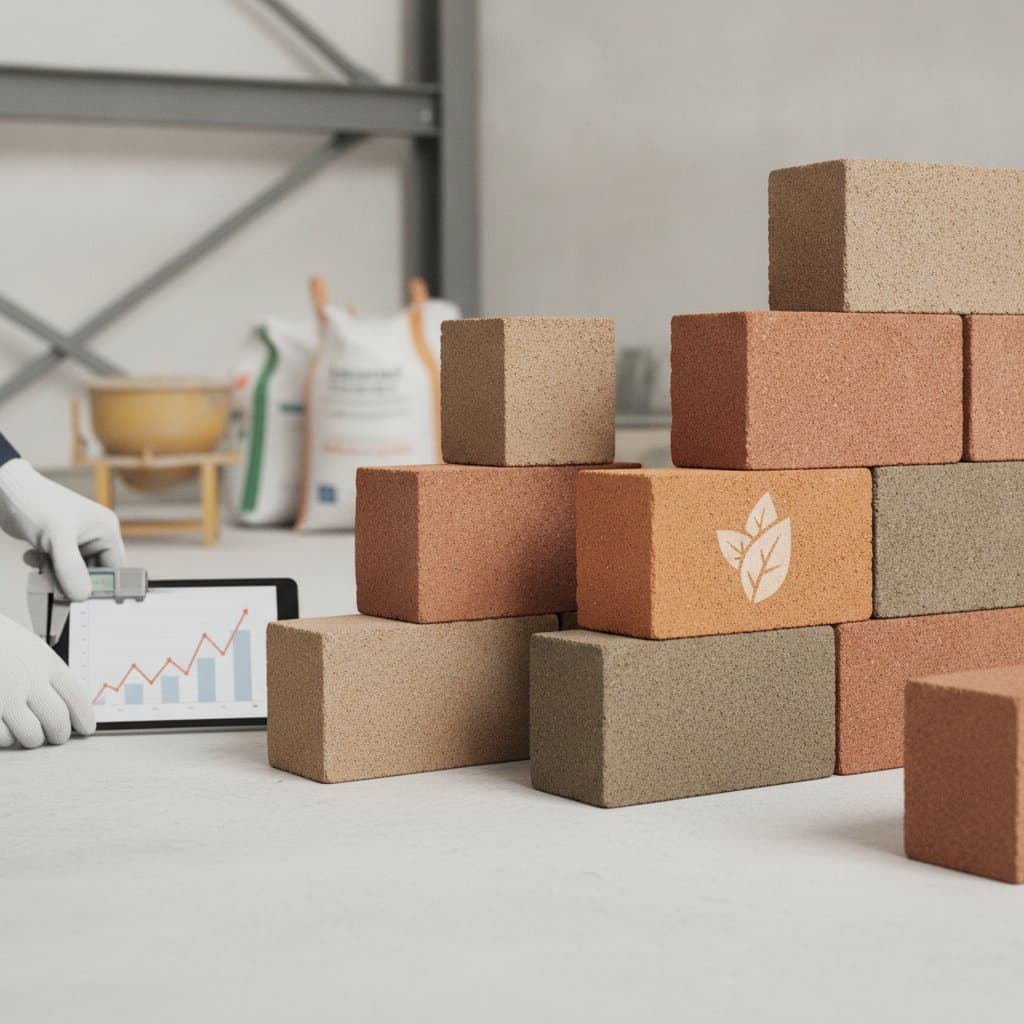
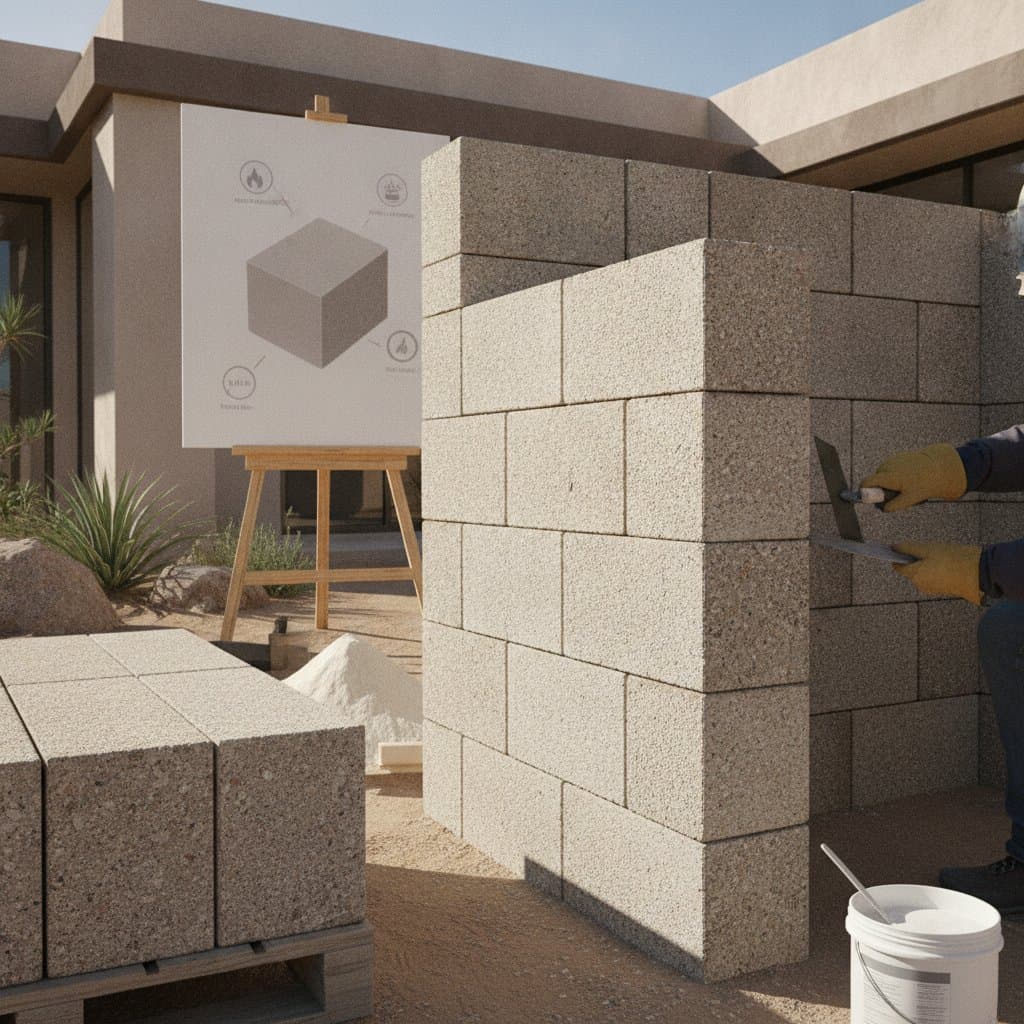
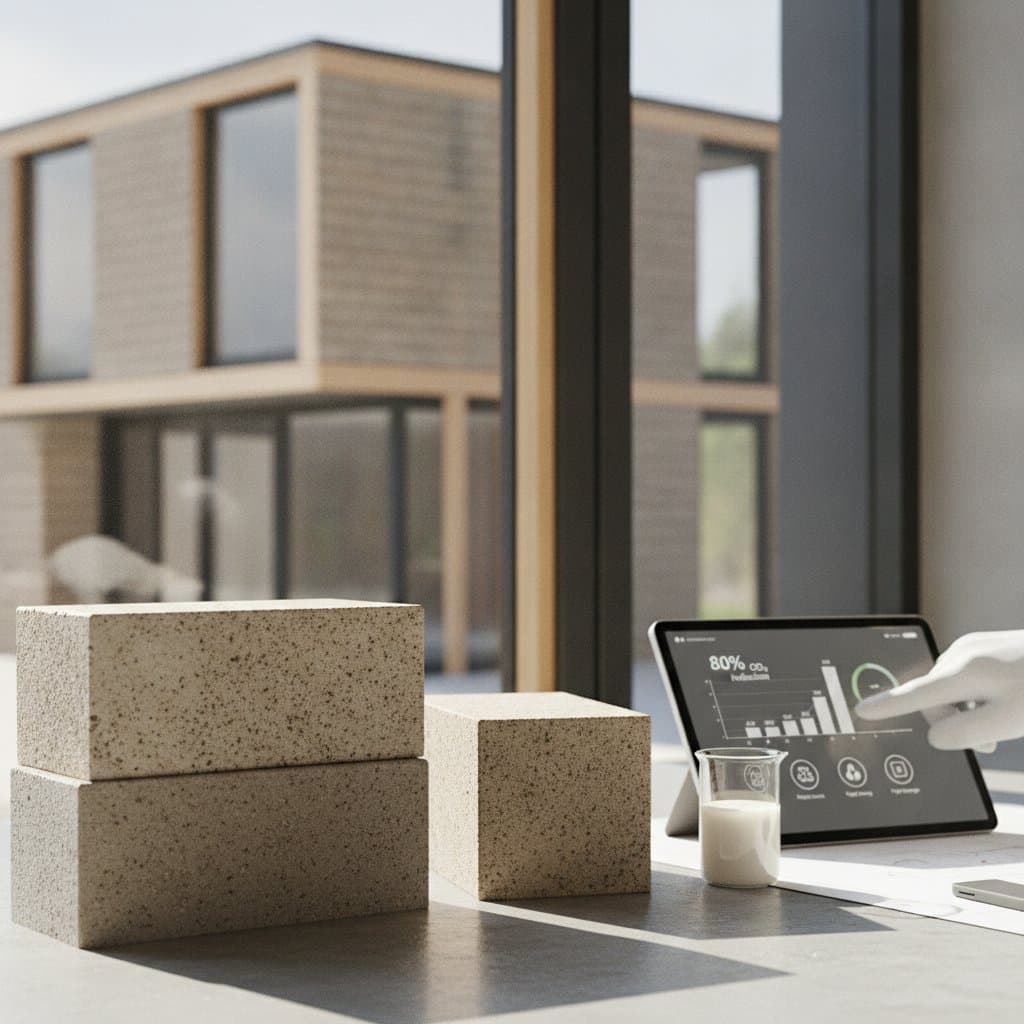
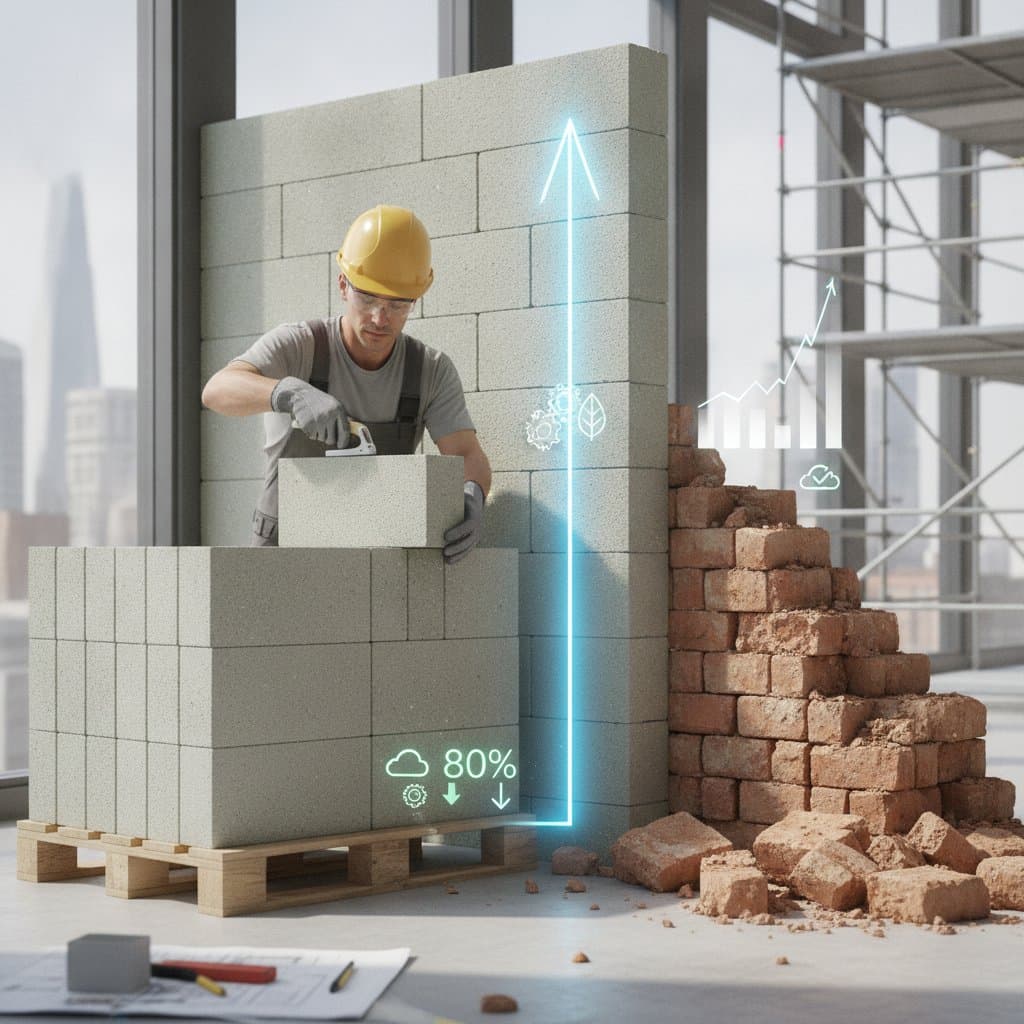
Zero cement geopolymer bricks achieve up to 80 percent lower carbon emissions while matching or exceeding the strength of conventional masonry. This guide covers material selection, step by step production, cost ranges, troubleshooting, and maintenance practices for builders seeking durable sustainable options.
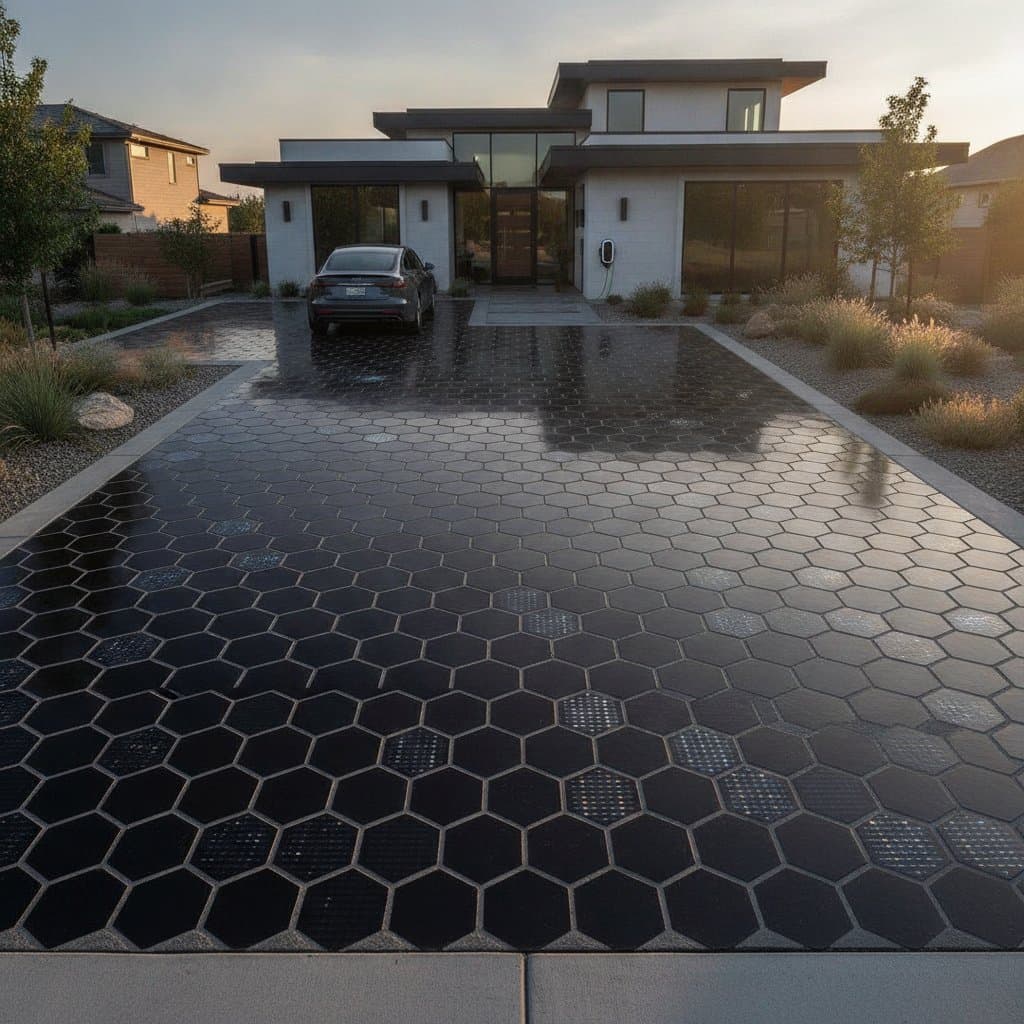
Transform your driveway into a clean energy source with solar pavers. These durable, load bearing units generate electricity while enhancing curb appeal. Learn how they work, what they cost, and how to plan, install, and maintain them for maximum efficiency, savings, and sustainability.
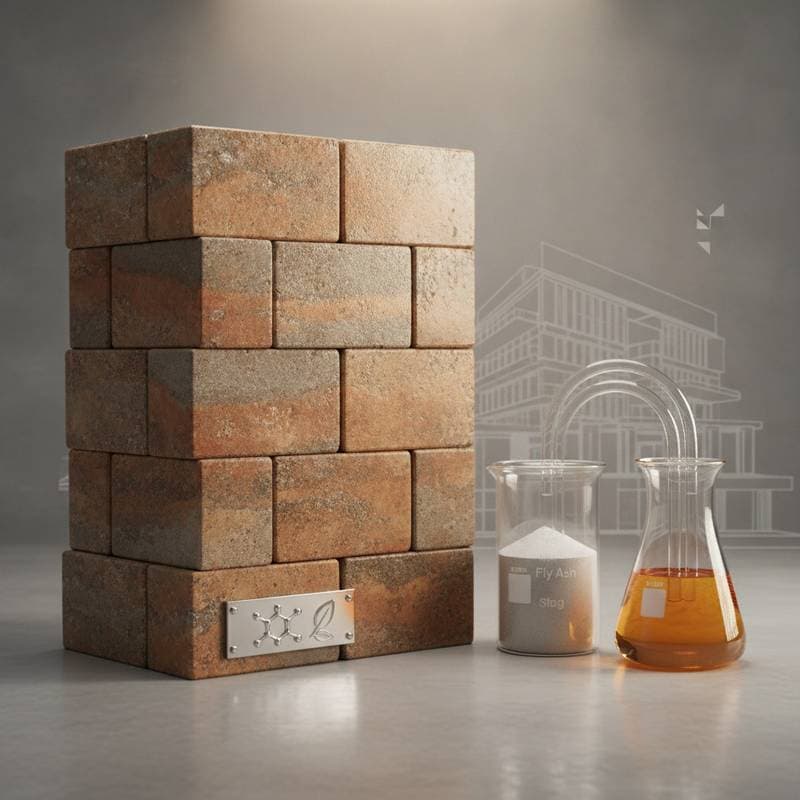
Geopolymer bricks deliver a cement-free masonry option that matches or exceeds concrete strength while cutting carbon emissions. Made from fly ash or slag, these units resist chemicals and weather extremes. Proper sourcing and installation unlock reliable long-term performance in residential and commercial walls.
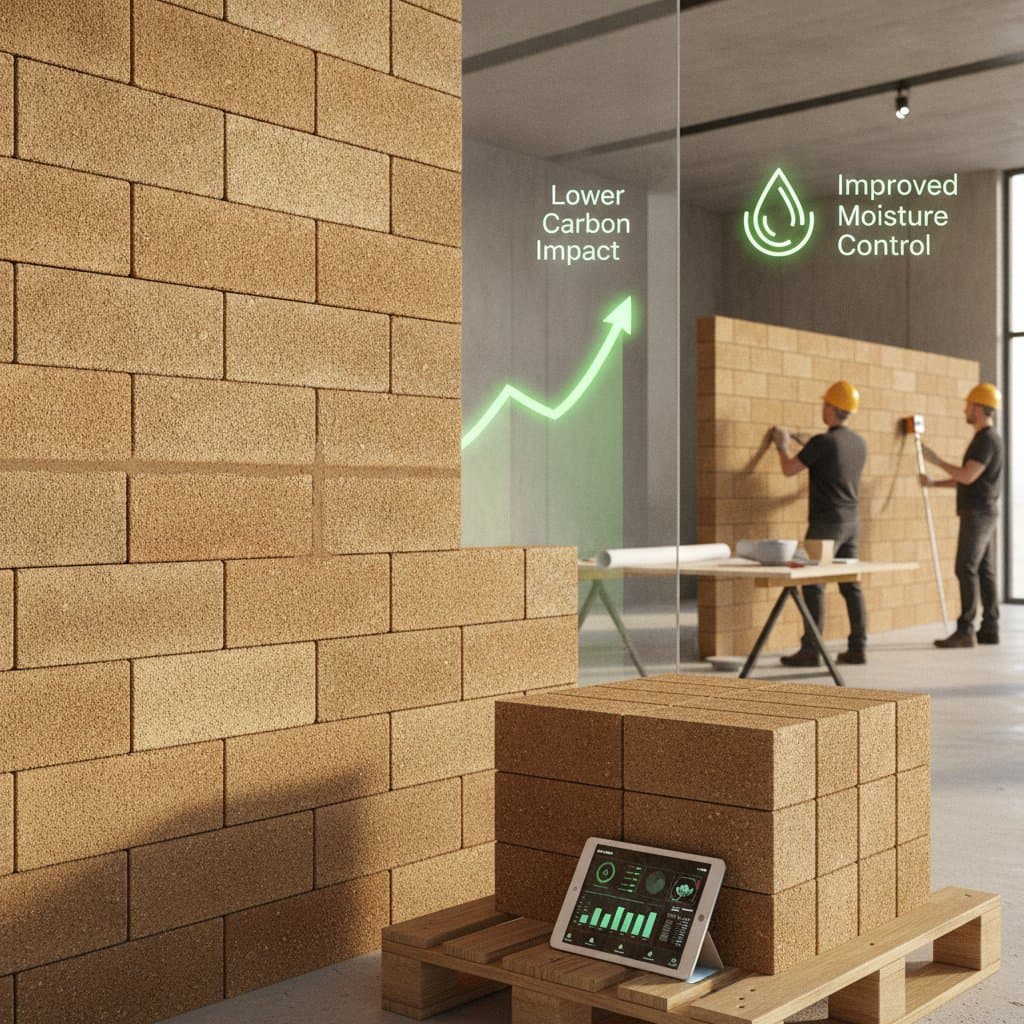
Zero-cement geopolymer bricks reshape sustainable masonry with lower carbon impact, faster curing, and improved moisture control. This guide explains how to assess existing walls, avoid costly red flags, coordinate skilled teams, and sequence repairs effectively to ensure durable, breathable structures that balance performance, sustainability, and long-term value.
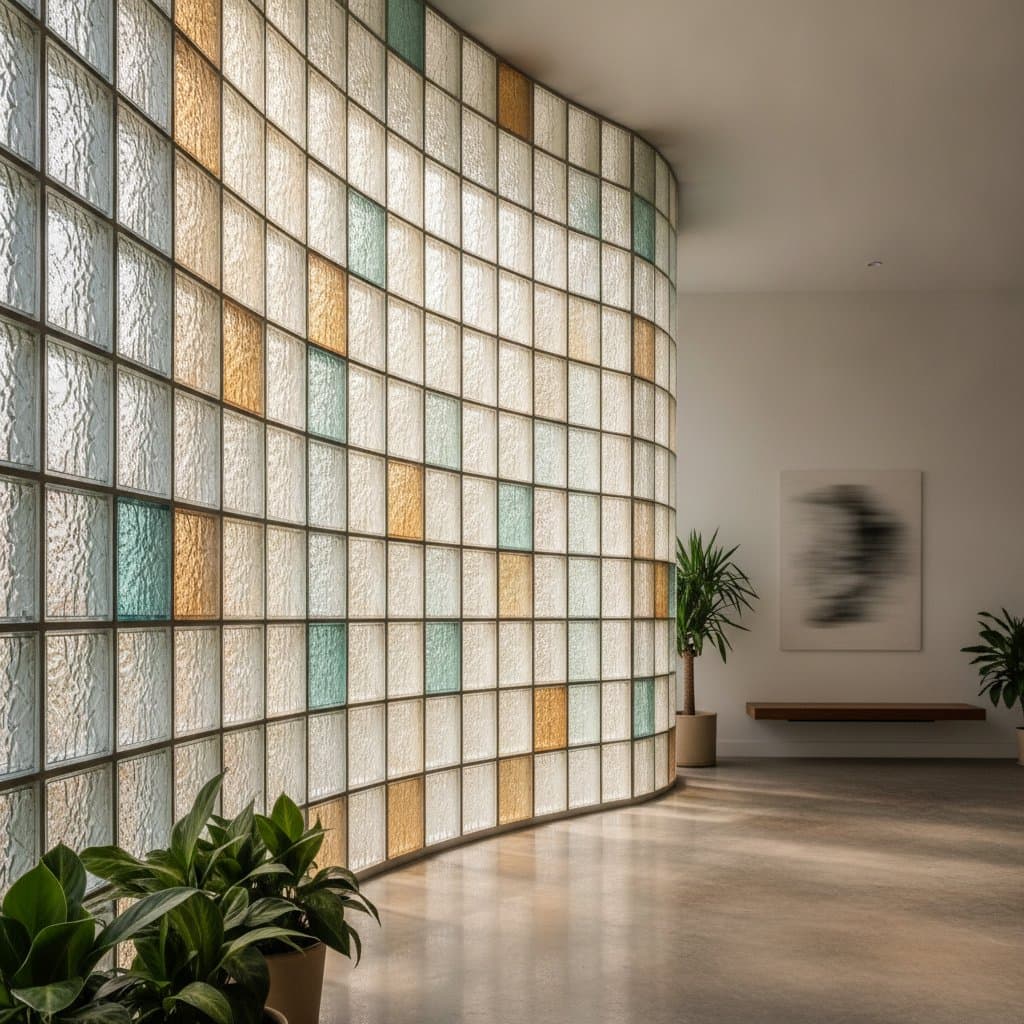
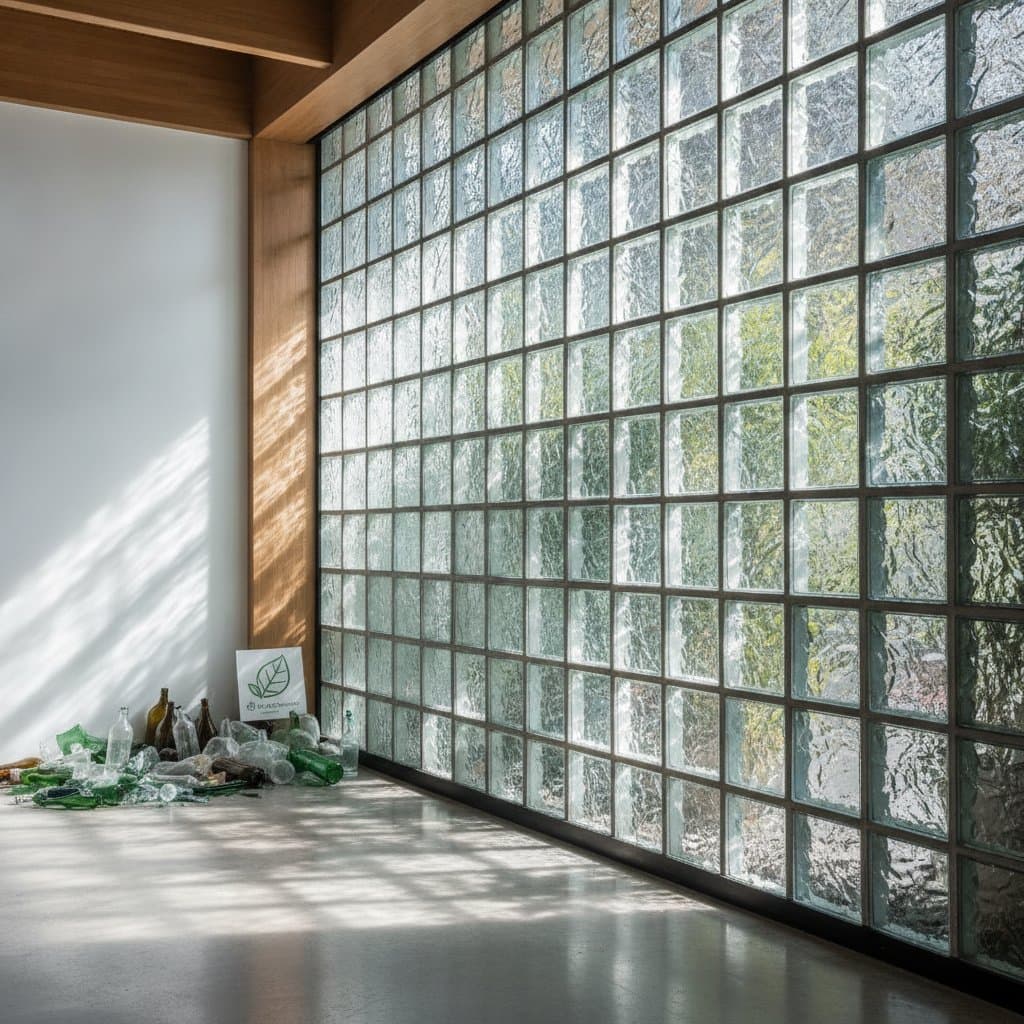
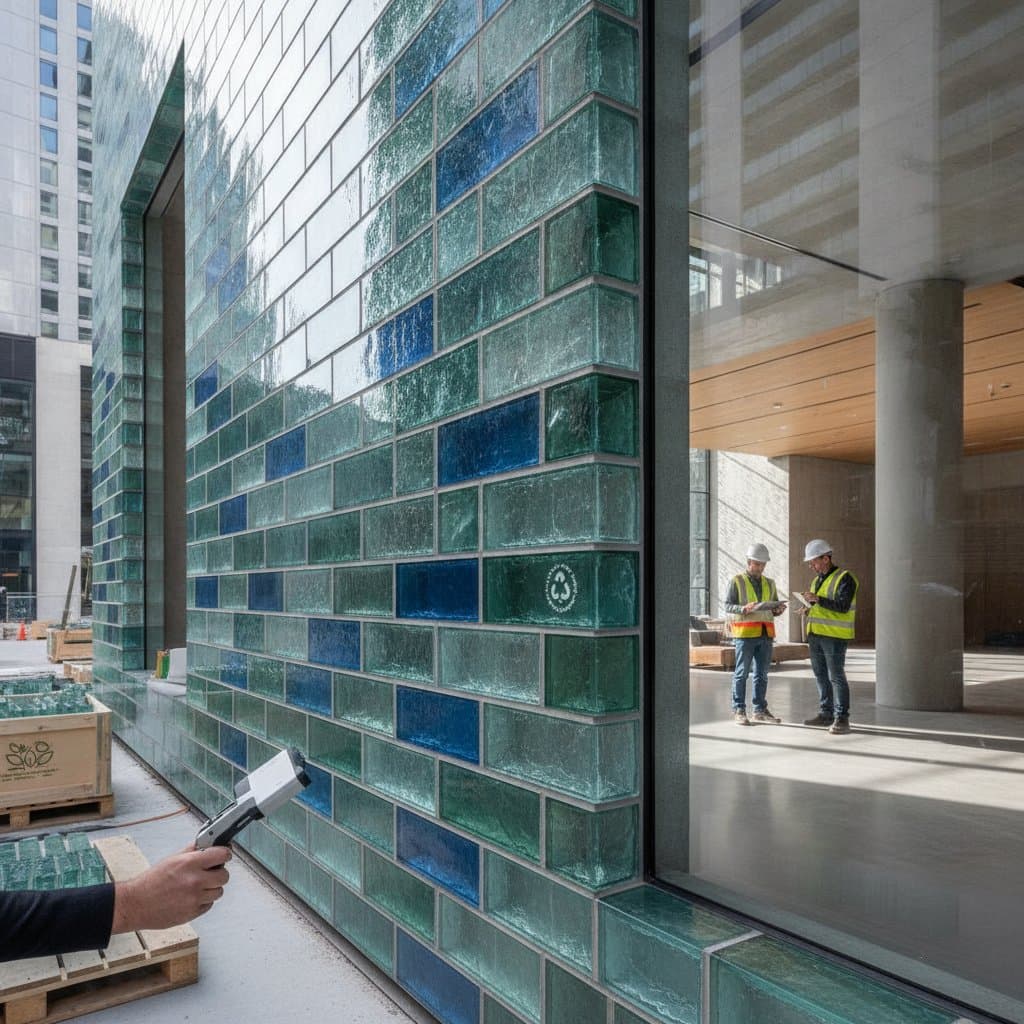
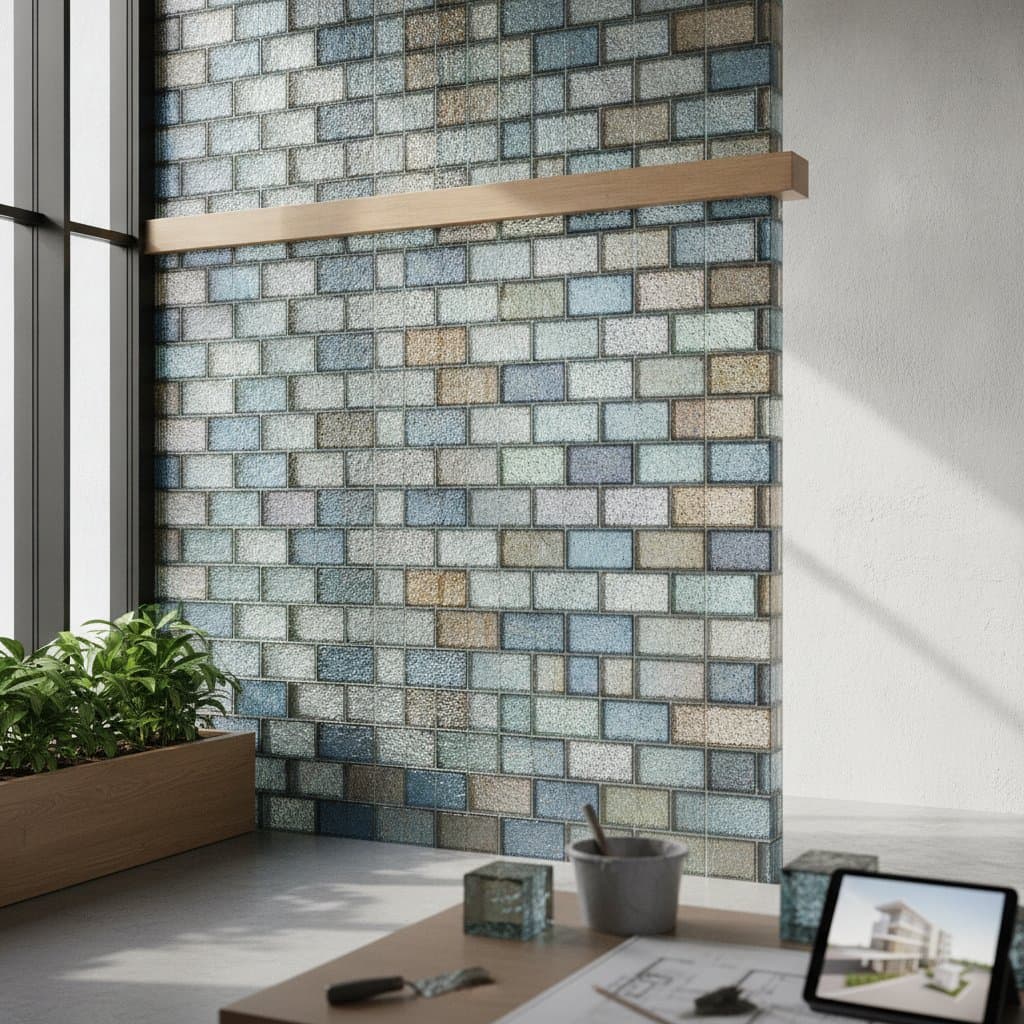
Recycled glass bricks convert discarded glass into strong, stylish building materials. They provide durability, low maintenance, and striking aesthetics while cutting landfill waste. Discover planning, installation, and upkeep strategies for energy-efficient structures.
Geopolymer bricks provide a zero cement route to durable, low carbon construction from industrial byproducts. They cure quickly, resist moisture, and lower energy demands, yet success requires quality control, consistent mixes, and proper detailing. Evaluate suppliers, prevent defects, manage costs, and achieve lasting sustainable masonry performance.
Solar pavers transform driveways into power-generating surfaces that combine masonry durability with clean energy production. Though costly upfront, they reduce roof clutter, add property value, and last decades with proper care. Learn how installation, maintenance, and layout planning turn hardscapes into efficient renewable energy sources.
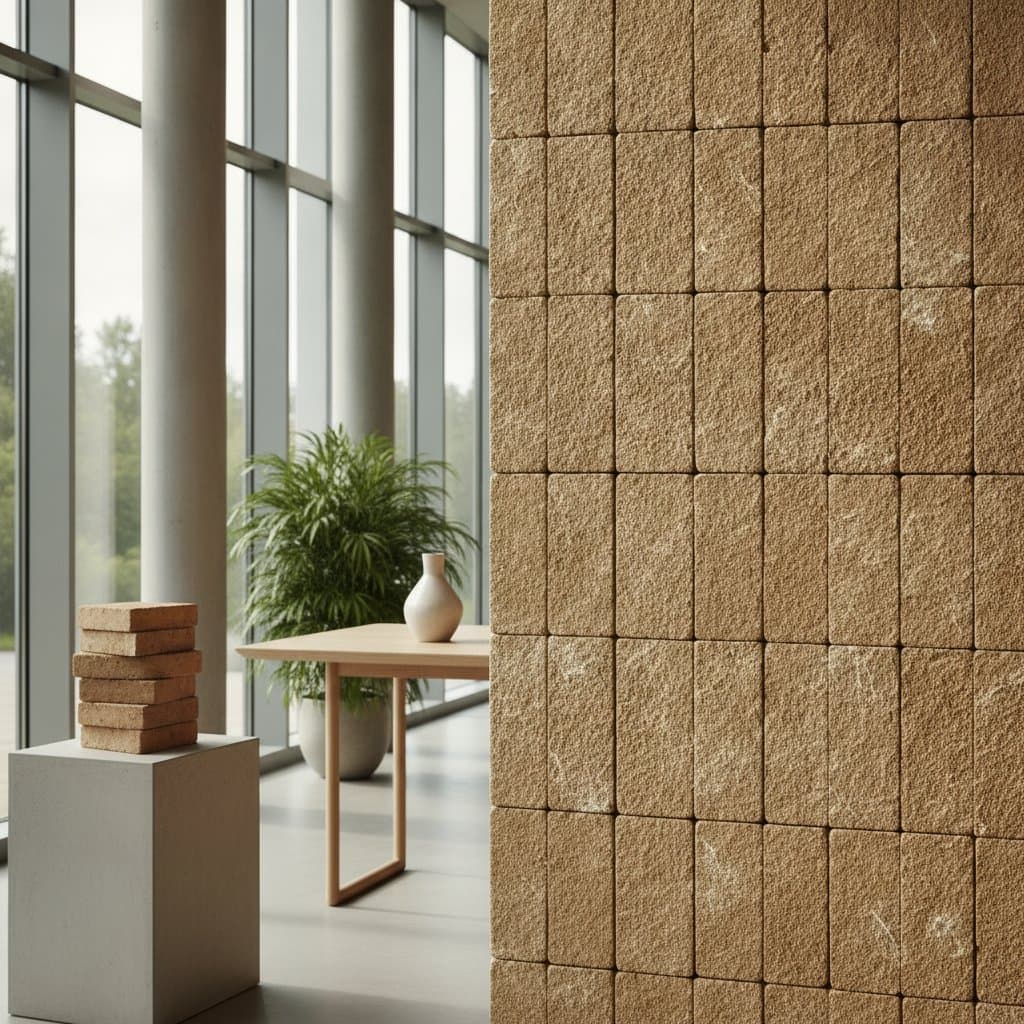
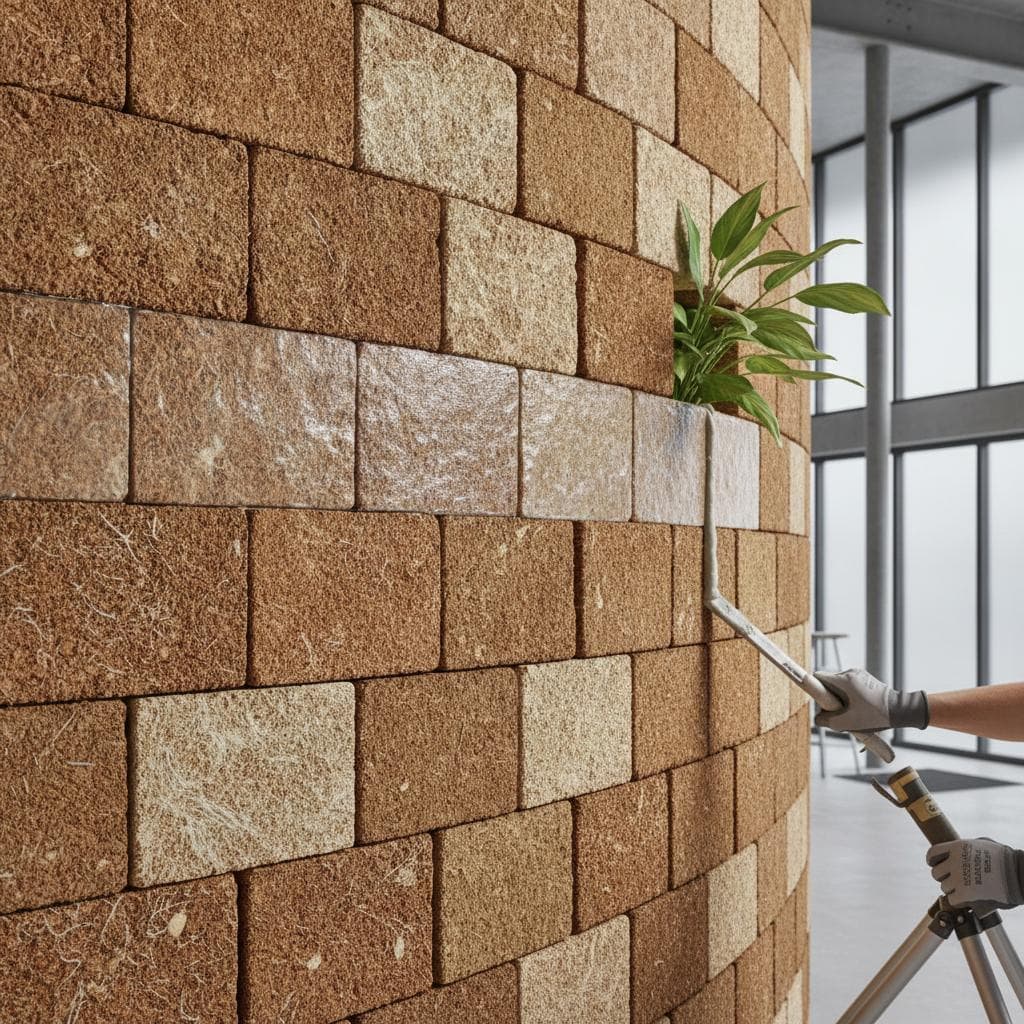
Mycelium bricks transform agricultural waste into lightweight insulating blocks through fungal growth. They deliver energy and carbon savings yet require strict moisture management, protective coatings, and added structural support. Proper detailing, testing, and upkeep allow these materials to serve as a practical eco-friendly masonry choice.
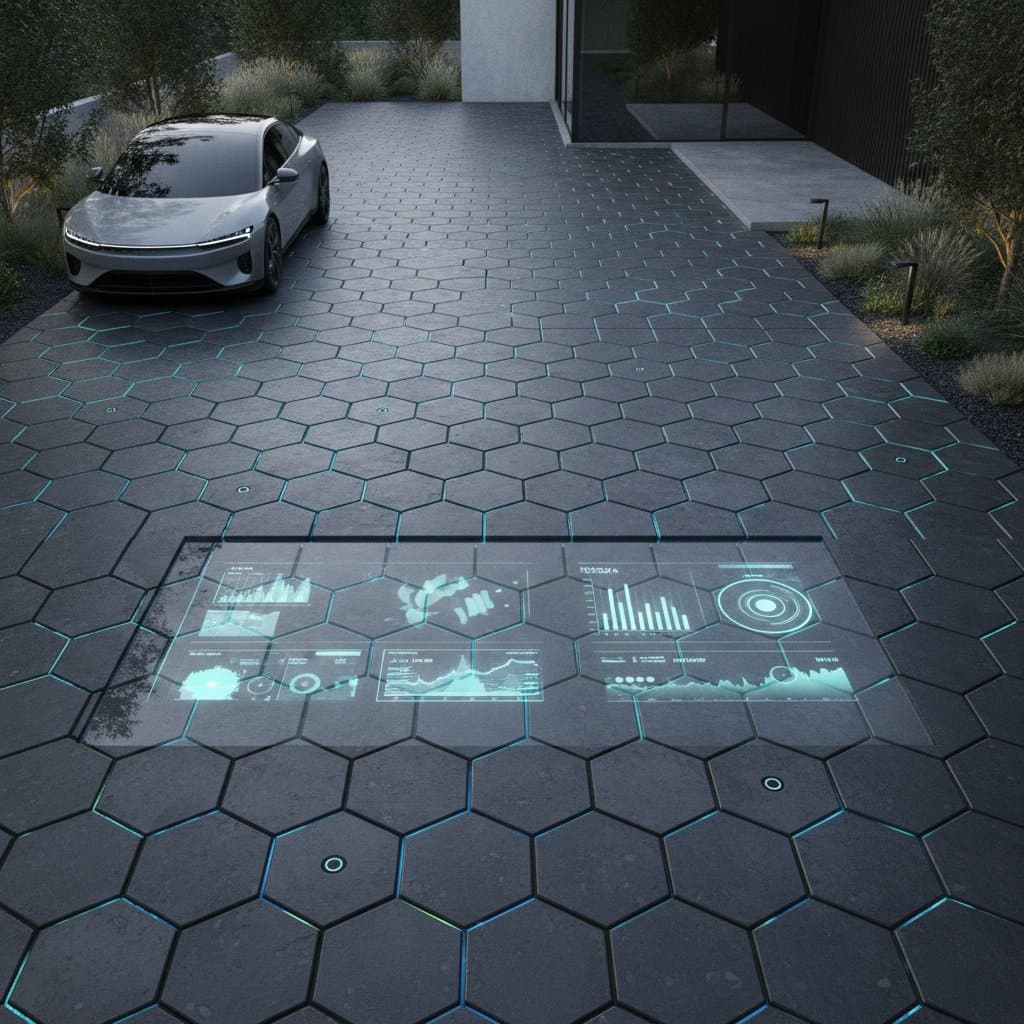
Smart pavers merge masonry with sensor technology to monitor temperature, moisture, and load. Careful planning, precise installation, and proper material choices produce reliable, sustainable paved surfaces.
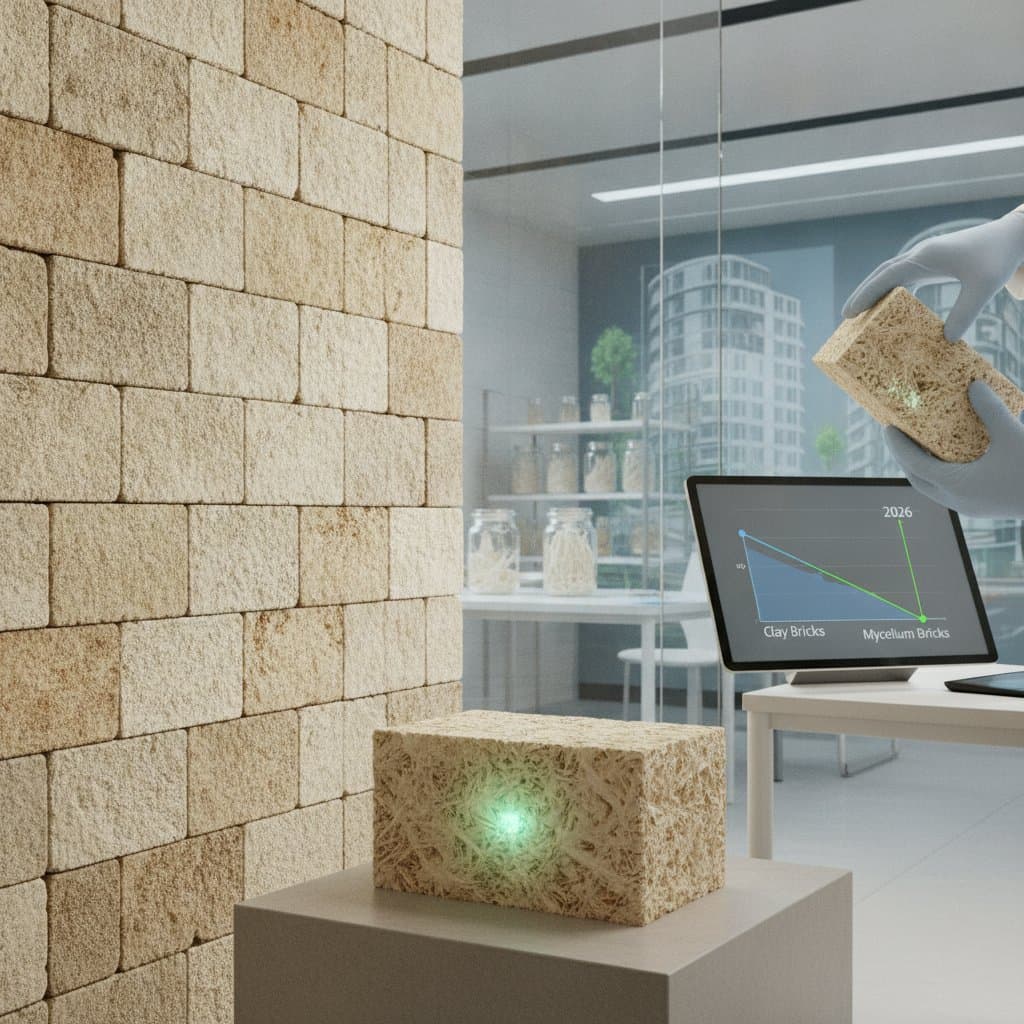
By 2026, mycelium bricks could transform construction with biodegradable, low-carbon alternatives to traditional clay masonry. Grown from fungal networks, these lightweight, insulating bricks cut emissions by up to 90 percent. Learn how they are cultivated, tested, and sealed to deliver strength, sustainability, and affordability for the next generation of eco-builds.
Geopolymer blocks deliver a sustainable, high strength alternative to traditional brick by curing without energy intensive kilns. Made from fly ash or metakaolin, they resist fire, moisture, and chemical damage. This guide covers site planning, material options, and step by step construction for skilled DIY builders and professionals.
Zero-cement geopolymer bricks deliver high strength, fast curing, and up to 80 percent lower carbon emissions. Produced from fly ash and slag, they support durable, cost-effective, and environmentally responsible masonry construction.
Recycled glass bricks stand out in 2026 as a sustainable option that merges waste reduction with modern aesthetics. They conserve resources while providing durable, light-transmitting walls. Success requires verified content levels, expert installation, and thorough planning to deliver lasting architectural value.
Geopolymer bricks are redefining sustainable masonry by eliminating cement and utilizing industrial by-products like fly ash and slag. Offering high strength, rapid curing, and up to 90% lower carbon emissions, they combine performance with environmental responsibility. Learn how these zero-cement alternatives are reshaping construction standards for a durable, low-impact future.
Geopolymer blocks deliver higher compressive strength, reduced carbon emissions, and quicker production than clay bricks. Builders gain durability and sustainability advantages while managing cost and availability factors for residential and commercial projects.
By 2026, mycelium bricks grown from fungi and agricultural waste are reshaping sustainable masonry. Lightweight, insulating, and compostable, they offer a low-carbon alternative to concrete. Though still limited to non-load-bearing uses, ongoing testing and cost reductions signal a future where buildings literally grow, reducing waste and redefining eco-friendly construction.
Recycled glass bricks redefine sustainable design by combining eco-conscious construction with luminous beauty. This guide covers types, benefits, and installation methods to help homeowners create durable, light-filled walls that reduce waste.
Cement free geopolymer bricks lower emissions and improve durability when curing, mortar selection, and moisture control follow precise protocols.