
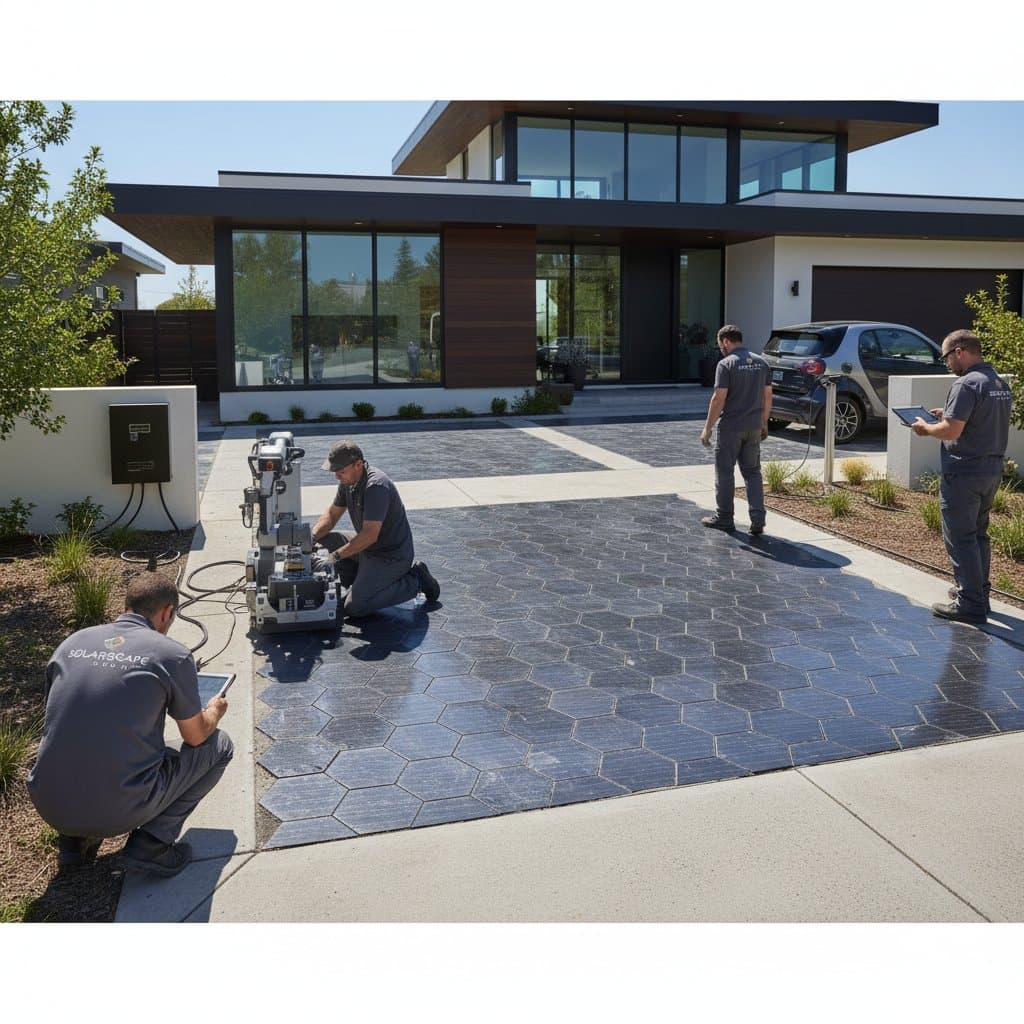
Solar Pavers: Driveways That Generate Clean Energy
Solar pavers merge essential residential features: a durable driveway and a mechanism for producing clean electricity. These modular units incorporate photovoltaic cells directly into the paving material. Installation mirrors that of conventional pavers, yet these surfaces transform sunlight into usable electrical power to supply homes or electric vehicles.
As components of an expanding category of energy-producing landscape elements, solar pavers repurpose underutilized areas into valuable assets. Homeowners gain an opportunity to lower energy expenses without the need for rooftop installations. This approach maximizes space efficiency while contributing to broader sustainability efforts.
Advantages and Drawbacks
Solar pavers offer several compelling benefits alongside certain limitations. Understanding both aspects helps in evaluating suitability for specific properties.
Advantages
- Generate renewable energy from surfaces already in place, such as driveways or pathways.
- Enhance visual modernity with a sophisticated, technology-infused appearance.
- Alleviate structural demands on roofs, ideal for properties with constrained rooftop areas.
- Feature modular construction that permits simple replacement of individual damaged units.
- Integrate seamlessly with traditional pavers to create customized decorative arrangements.
Drawbacks
- Incur higher initial expenses compared to standard paving materials.
- Demand precise waterproofing for all electrical connections to prevent failures.
- Exhibit reduced efficiency relative to inclined rooftop panels due to horizontal orientation and potential shading.
- Face performance impacts from accumulations like snow, dirt, or vehicular abrasion that hinder sunlight absorption.
- Lack extensive historical performance records in high-traffic environments over decades.
Durability and Upkeep
Reputable solar pavers endure for 20 to 25 years in electrical output, matching the longevity of traditional masonry alternatives. Protective surfaces consist of tempered glass or resilient resin composites engineered to withstand wear from foot traffic and vehicles.
Routine maintenance preserves both functionality and appearance. Follow these steps to ensure optimal performance:
- Clean surfaces monthly by rinsing away dirt and debris to optimize sunlight penetration.
- Steer clear of aggressive chemicals or metal-edged tools for snow removal, which risk surface scratches.
- Conduct yearly examinations of wiring connections to detect and address any moisture penetration.
- Replenish joint sand as needed to counteract erosion and sustain structural integrity.
When a unit sustains damage, removal involves lifting it from the underlying bed, detaching the electrical connector, and securing a replacement. This process minimizes disruption to the overall installation.
Site Preparation and Installation Essentials
Installing a solar paver driveway requires foundational groundwork akin to any interlocking paver project, augmented by provisions for electrical infrastructure. Proper planning prevents common pitfalls and ensures reliable operation.
Consider these critical elements during the preparation phase:
- Assess sunlight exposure to confirm the site receives unobstructed direct sun for the majority of daylight hours, free from overhanging trees or structures.
- Establish a gentle slope of approximately 1 inch per 8 feet to direct water runoff away from the home's foundation.
- Prepare a stable sub-base of compacted crushed stone, extending 6 to 8 inches deep in zones supporting vehicle weight.
- Apply a uniform 1-inch layer of coarse sand as the bedding material to level the units.
- Install electrical conduits beneath or adjacent to the base prior to final compaction to facilitate wiring runs.
- Determine placements for inverters, junction boxes, and optional battery systems before commencing any excavation work.
Contact local utility location services to mark underground lines prior to any digging activities. Professional consultation with certified installers can refine these steps based on local soil conditions and regulations.
Design Configurations and Aesthetic Choices
Solar pavers typically arrive as square or rectangular modules measuring 8 to 12 inches per side. Certain manufacturers provide hexagonal variants or assortments for intricate patterns that blend form and function.
Explore these prevalent arrangement strategies:
- Complete Coverage: Outfit the full driveway expanse with solar units to achieve peak energy production capacity.
- Accent Patterns: Incorporate solar pavers into linear bands, borders, or focal points alongside conventional pavers for visual interest.
- Dedicated Charging Areas: Cluster modules proximate to parking spots or electric vehicle charging stations to prioritize targeted power delivery.
Opt for textured surfaces to improve slip resistance, particularly in wet conditions. Frosted or opaque finishes can conceal the embedded cells, yielding a cohesive, uniform driveway aesthetic.
Troubleshooting Typical Issues
Even well-installed systems may encounter occasional challenges. Prompt identification and resolution maintain efficiency and extend service life.
Surface Hazing: This often results from fine scratches or leftover cleaning residues. Address it by washing with plain water and a gentle soap solution, eschewing abrasive substances.
Dislodged Units: Inadequate sub-base compaction or depleted joint sand frequently causes instability. Excavate the affected zone, recompress the foundation, and reinstall the pavers securely.
Output Declines in Specific Sections: Inspect plug connections for signs of water damage or corrosion. Substitute faulty wiring and apply sealed junction enclosures to restore connectivity.
Drainage Problems: Water accumulation signals improper grading or obstructed joints. Clear debris, adjust levels, and verify flow to eliminate standing pools.
Regular monitoring during the first year post-installation helps familiarize owners with system behaviors and preempts minor issues from escalating.
Viable Alternatives
For scenarios where solar pavers prove impractical due to financial constraints or suboptimal sunlight, alternative solutions exist to advance clean energy goals.
- Rooftop Photovoltaic Arrays: Deliver superior efficiency rates and more economical per-watt pricing, though they require suitable roof geometry.
- Solar Canopies Over Parking: Furnish shaded parking alongside electricity generation, leaving ground surfaces unaltered.
- Conventional Pavers with Embedded Conduits: Establish infrastructure for subsequent solar additions, offering flexibility for phased implementations.
- Permeable Paving Systems: Enhance stormwater management and pair effectively with adjacent solar installations for comprehensive environmental gains.
Selection hinges on balancing upfront investments, visual impacts, and anticipated energy returns. Evaluate each option against personal priorities for sustainability and property enhancement.
Steps to Implement Your Solar Driveway
A solar paver installation transcends mere surfacing; it establishes an unobtrusive energy hub within your outdoor space. While the investment demands careful consideration, returns include reduced utility dependence and elevated property worth through contemporary innovation.
Initiate the process by mapping sunlight patterns across your site, evaluating soil stability, and reviewing electrical integration feasibility. Engage qualified professionals to tailor the design to your household's energy profile, ensuring a seamless blend of practicality and eco-conscious progress.