
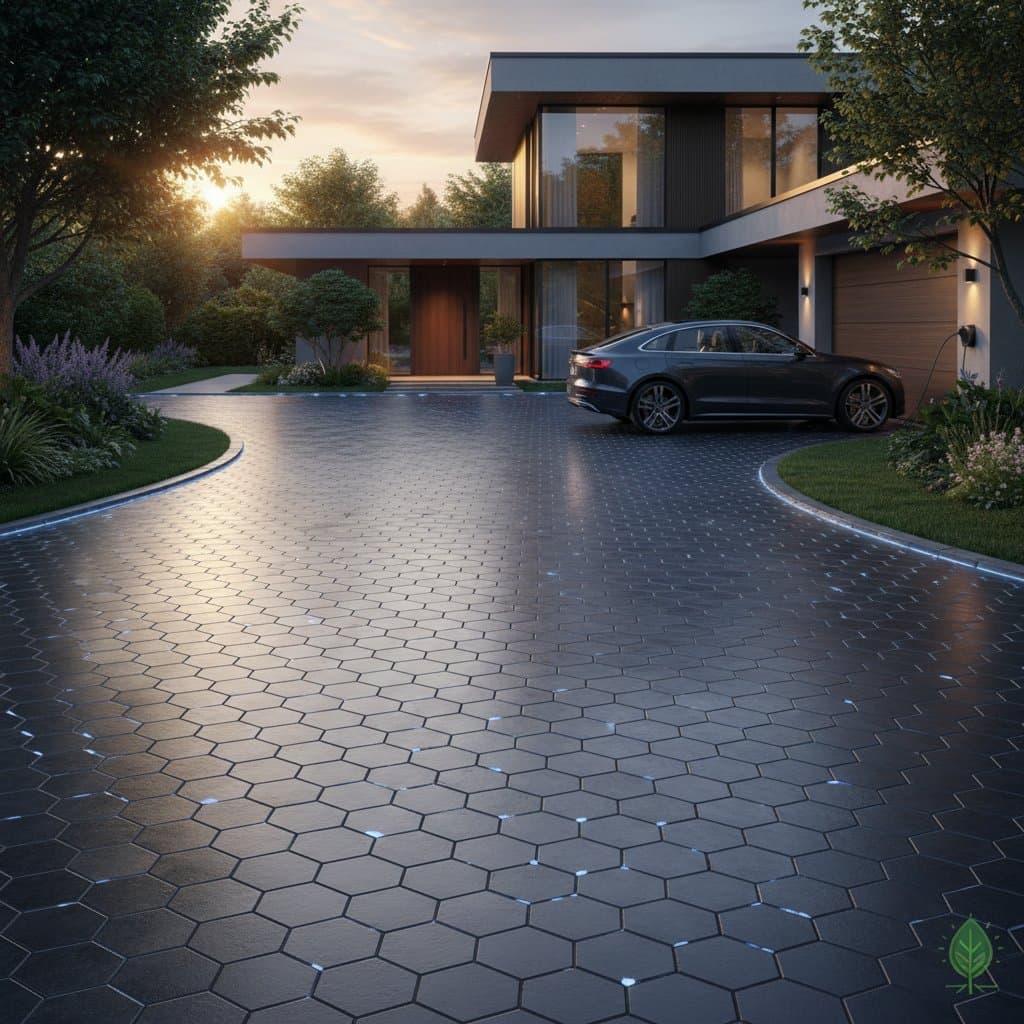
Solar Pavers: Driveways That Harvest Sunlight for Home Power
Skill Level: Advanced DIY with professional electrical support
Physical Demand: Moderate to high
Helpers Needed: At least one additional person for lifting and alignment
Constructing a solar paver driveway combines innovative renewable energy with robust outdoor construction. Integrated photovoltaic cells within the pavers capture sunlight and transform it into usable electricity for household needs. The finished surface serves dual purposes: it withstands vehicle traffic while producing clean power.
Such a driveway elevates property value, trims electricity expenses, and introduces a contemporary aesthetic element. Effective execution hinges on thorough planning, exact installation techniques, and collaboration with a licensed electrician for all electrical aspects. Experienced DIY enthusiasts can manage the paving process, but professionals must oversee energy system integration to comply with safety regulations.
Key Choice: Balancing DIY Efforts with Professional Expertise
Skilled individuals familiar with landscape projects can handle excavation, base preparation, and paver placement. These tasks demand precision to ensure stability and proper drainage. However, electrical components require specialized knowledge.
Professionals must manage wiring, inverter installation, and grid connections to adhere to local codes and prevent hazards. Attempting these elements without certification risks system failure, safety violations, and voided warranties. Consult local authorities early to understand permitting requirements for solar installations.
Selecting the Right Materials
Choosing appropriate solar pavers influences efficiency, durability, and visual harmony. Evaluate factors such as traffic load, budget, and design preferences. Each option balances performance with practical considerations for long-term satisfaction.
Glass-Faced Solar Pavers
- Advantages: Superior energy conversion rates, elegant finish, extended durability up to 25 years
- Disadvantages: Higher upfront cost, increased weight, vulnerability to impact damage
- Price Range: Premium
- Required Skill: Advanced
- Upkeep: Minimal; routine cleaning suffices
- Ideal Application: High-visibility driveways prioritizing style and output
Glass-faced pavers offer transparency that allows light to reach cells effectively. They integrate seamlessly with modern architecture. Installers should use protective underlayment to mitigate cracking risks from heavy loads.
Concrete Composite Solar Pavers
- Advantages: Exceptional strength, realistic stone texture, easy integration with existing surfaces
- Disadvantages: Marginally lower efficiency, labor-intensive placement due to weight
- Price Range: Moderate
- Required Skill: Intermediate to advanced
- Upkeep: Regular; reseal every three to five years
- Ideal Application: Standard driveways enduring frequent vehicle use
These pavers mimic traditional materials while embedding solar technology. Their robustness suits suburban settings. Select models certified for load-bearing to handle cars and trucks without compromise.
Hybrid Resin Solar Pavers
- Advantages: Reduced weight for simpler handling, versatile patterning options
- Disadvantages: Prone to shifting if base is uneven, average lifespan under heavy stress
- Price Range: Budget-friendly
- Required Skill: Intermediate
- Upkeep: Regular inspections for wear
- Ideal Application: Lighter-duty paths or accent zones in driveways
Resin-based designs provide flexibility for curved layouts. They appeal to cost-conscious projects. Ensure even sub-base preparation to maximize stability and energy yield.
Detailed Installation Guide
Follow these steps methodically to achieve a secure, efficient solar paver driveway. Gather tools including shovels, levels, compactors, and safety gear beforehand. Allocate several days for the project, weather permitting.
-
Prepare the Site through Excavation. Clear the area of grass, debris, and old pavement to a uniform depth of 8 inches. Verify the slope directs water away from structures; adjust as necessary with fill material. Mark boundaries precisely to match your design.
-
Install Geotextile Fabric. Unroll the permeable fabric over the entire excavated zone and secure edges with stakes. This barrier inhibits weed growth and stabilizes the foundation by separating soil from aggregate layers.
-
Build the Gravel Foundation. Introduce 4 to 6 inches of angular crushed stone in 2-inch lifts. Compact each layer thoroughly using a plate compactor until it achieves a solid, even surface. This base distributes weight evenly and resists erosion.
-
Level with Bedding Sand. Distribute a 1-inch layer of coarse, washed sand across the gravel. Use screed boards and a straightedge to create a flat plane, checking with a level frequently. Avoid over-compression to maintain workability.
-
Position the Solar Pavers. Begin placement from the outermost edge, progressing inward row by row. Maintain uniform 1/8-inch joints and tap pavers into place with a rubber mallet. Align carefully to optimize solar exposure and structural integrity.
-
Link Electrical Components. As rows complete, attach the built-in wiring harnesses per the manufacturer's diagram. Label connections clearly and protect exposed leads with conduit. Defer full activation until professional review.
-
Secure Perimeter Edges. Position concrete or plastic restraints along borders and anchor them with spikes. This containment prevents lateral movement over time, especially under vehicular stress.
-
Fill and Stabilize Joints. Introduce polymeric sand into gaps using a broom, then compact lightly. Activate the sand by applying a fine water mist, allowing it to harden and bind the assembly.
-
Finalize Electrical Integration. Engage a certified electrician to route cables, install the inverter, and connect to your home's panel or battery storage. Conduct thorough testing for output, safety, and compliance with utility standards.
-
Apply Protective Sealing. Once cured, brush on a penetrating sealant recommended by the paver producer. This coating repels water, stains, and UV degradation, preserving both appearance and functionality.
Enhancing and Sustaining Your Solar Driveway
Refinements for Optimal Performance
Incorporate LED edge lights powered by the system for safe evening access. Pair with a digital monitor to view energy generation and consumption data via an app. Surround with permeable borders to manage runoff and add landscape flair.
These additions extend usability without complicating the core build. They align with smart home ecosystems for automated adjustments based on weather patterns.
Ongoing Maintenance Practices
Inspect the surface quarterly for cracks or loose pavers, addressing issues promptly to avoid escalation. Clean photovoltaic areas gently with a soft brush and mild soap to remove debris that blocks sunlight. Monitor electrical outputs annually through professional servicing to detect inefficiencies early.
Schedule resealing every two years, focusing on high-traffic zones. In snowy regions, use plastic shovels to clear accumulations without scratching cells. These routines ensure consistent energy production and surface longevity.
Pitfalls to Sidestep During Installation
Overlooking drainage leads to pooling water that undermines the base and corrodes wiring. Skipping compaction results in uneven settling and reduced solar alignment. Ignoring manufacturer tolerances for wiring can cause shorts or suboptimal performance.
Rushing joint filling before full curing invites sand washout. Failing to obtain permits delays activation and invites fines. Always cross-reference local codes and consult experts at pivotal stages to safeguard your investment.
Realizing Long-Term Benefits
A well-executed solar paver driveway delivers immediate energy savings and aesthetic upgrades. Over time, it contributes to reduced carbon footprints and heightened home resilience. This integration of form and function positions your property as a model of forward-thinking sustainability.