#alternative

Articles tagged with alternative

Featured image for Geopolymer Blocks: 300% Stronger Than Clay Brick

Geopolymer Blocks: 300% Stronger Than Clay Brick

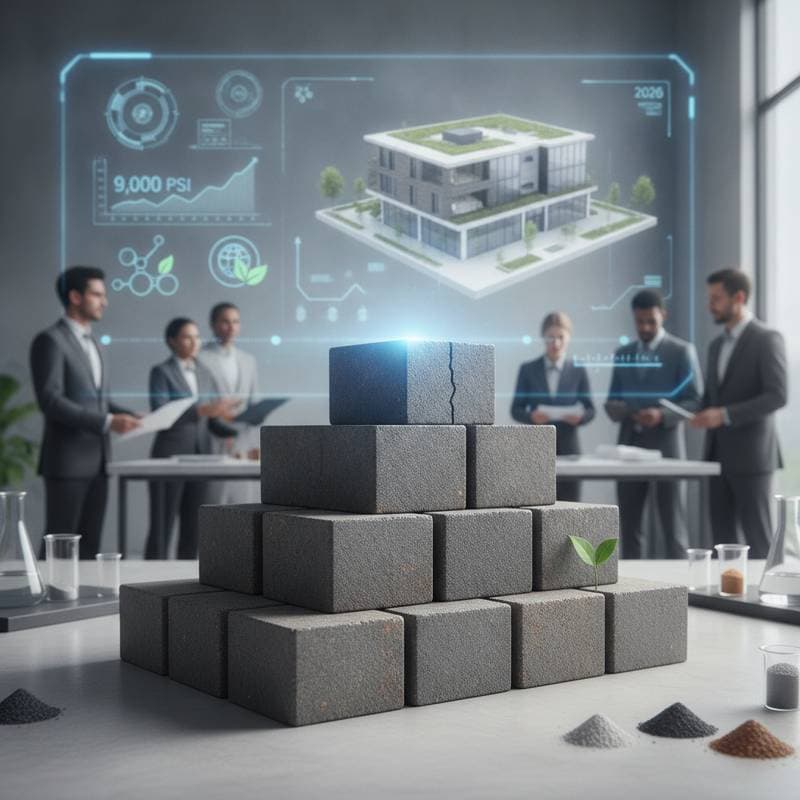
Geopolymer blocks achieve three times the compressive strength of traditional clay bricks by utilizing industrial by-products such as fly ash or slag as binders. These blocks reduce carbon emissions significantly and, despite a higher initial price, offer savings in labor and maintenance. Key to their success are appropriate curing processes, compatible mortar selections, and expert installation, resulting in robust and sustainable masonry solutions for contemporary construction.

6 min read
Featured image for Zero-Cement Bricks Cut Carbon Without Portland Cement

Zero-Cement Bricks Cut Carbon Without Portland Cement

Zero-cement bricks leverage geopolymer technology to sidestep Portland cement and achieve substantial carbon reductions. Success depends on uniform mixes, precise curing, and reliable sourcing. This overview details quality assessments, pitfalls to evade, expense management, and safe incorporation into resilient, green masonry endeavors.

6 min read
Featured image for Zero-Cement Bricks Cut Carbon Output by 80 Percent

Zero-Cement Bricks Cut Carbon Output by 80 Percent

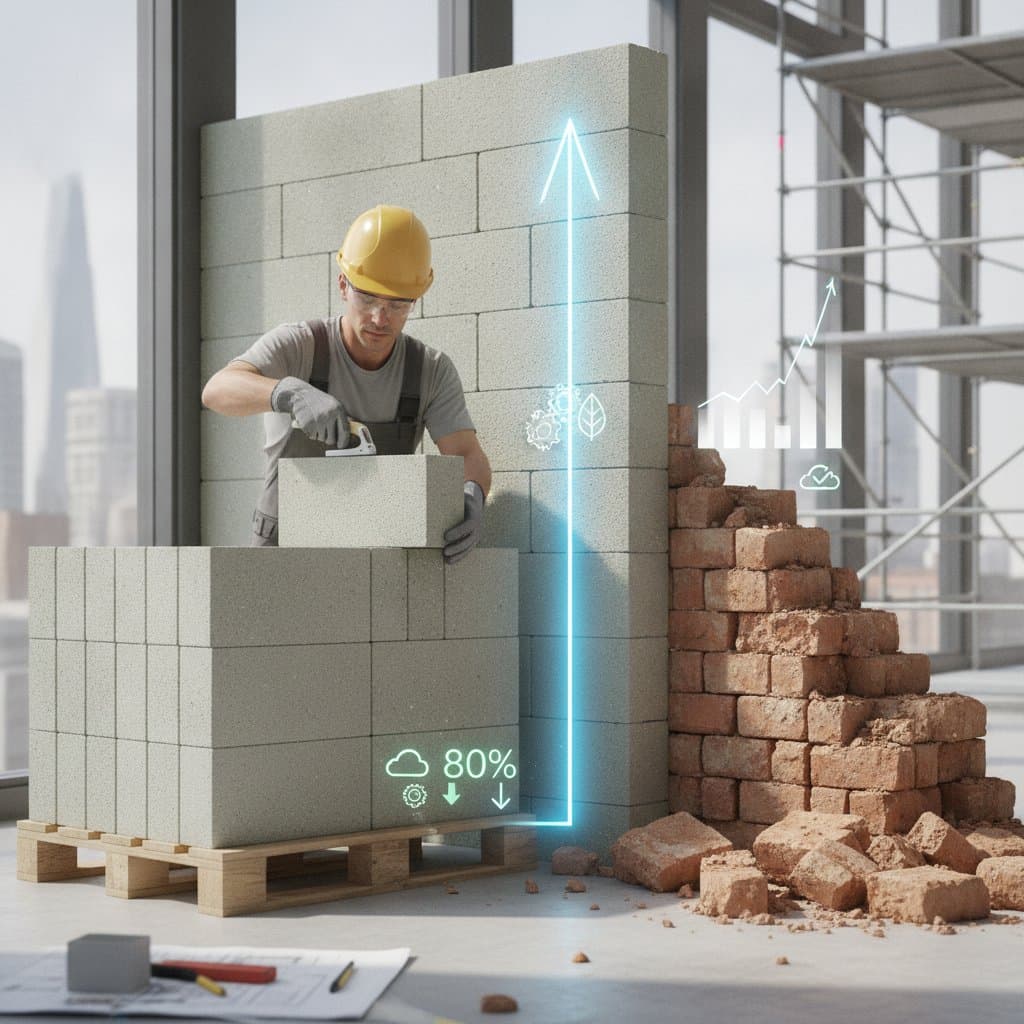
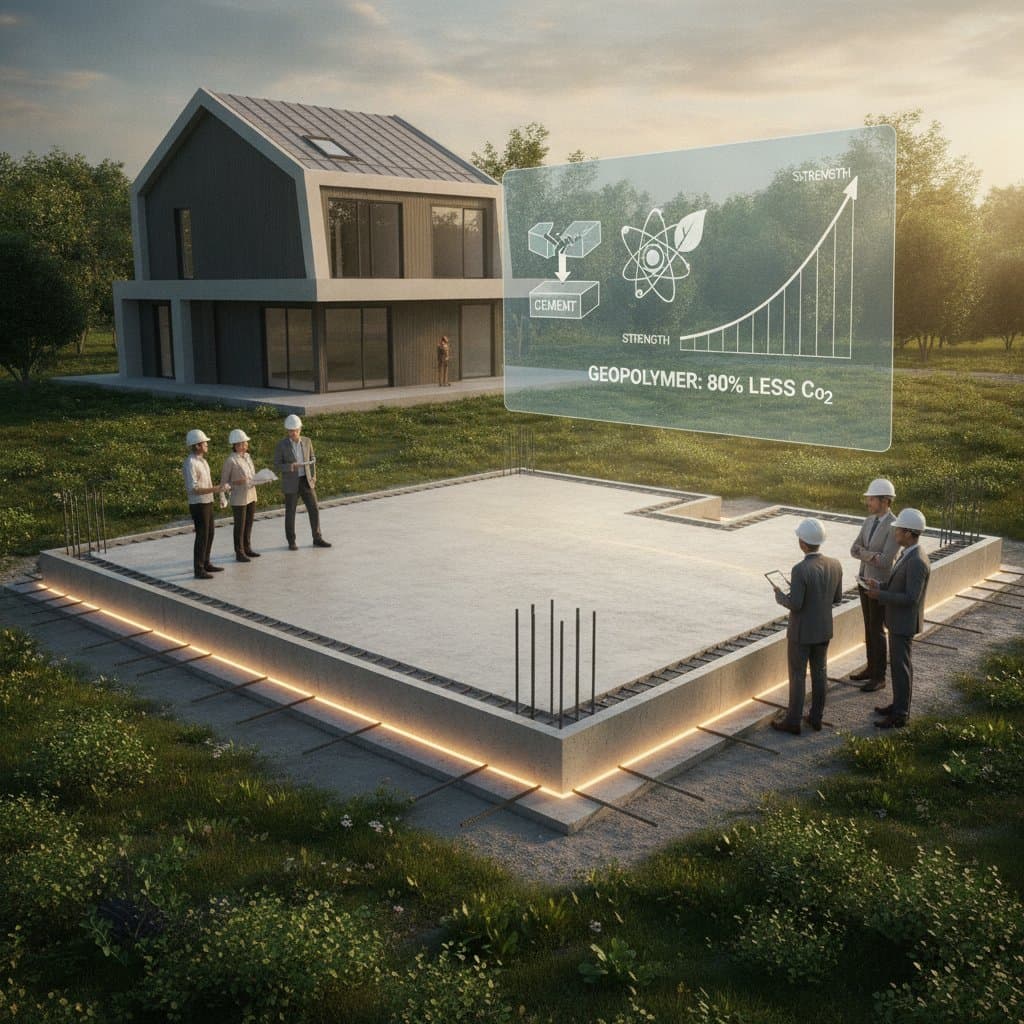
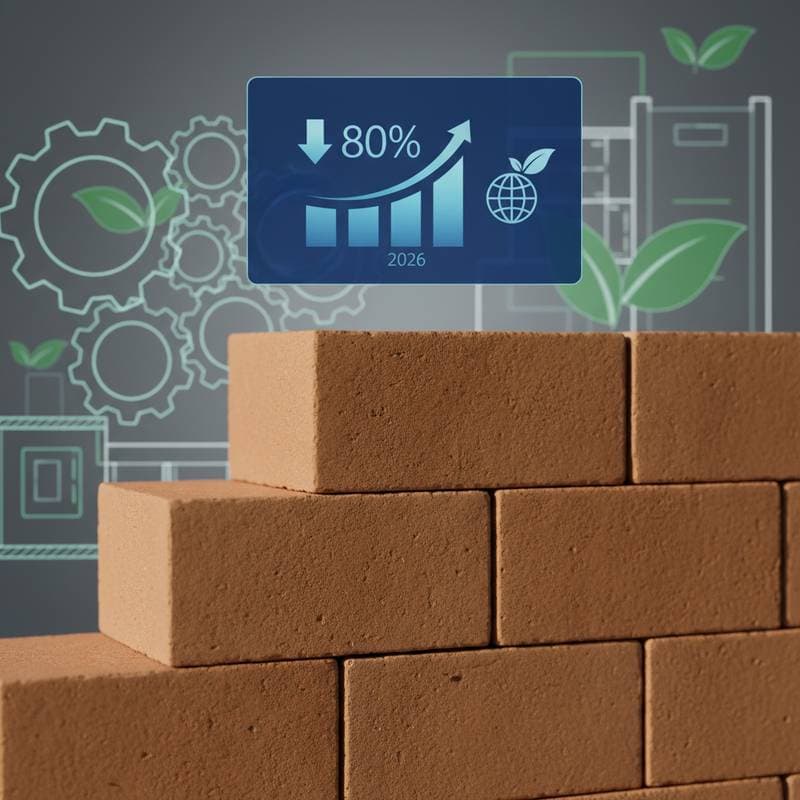
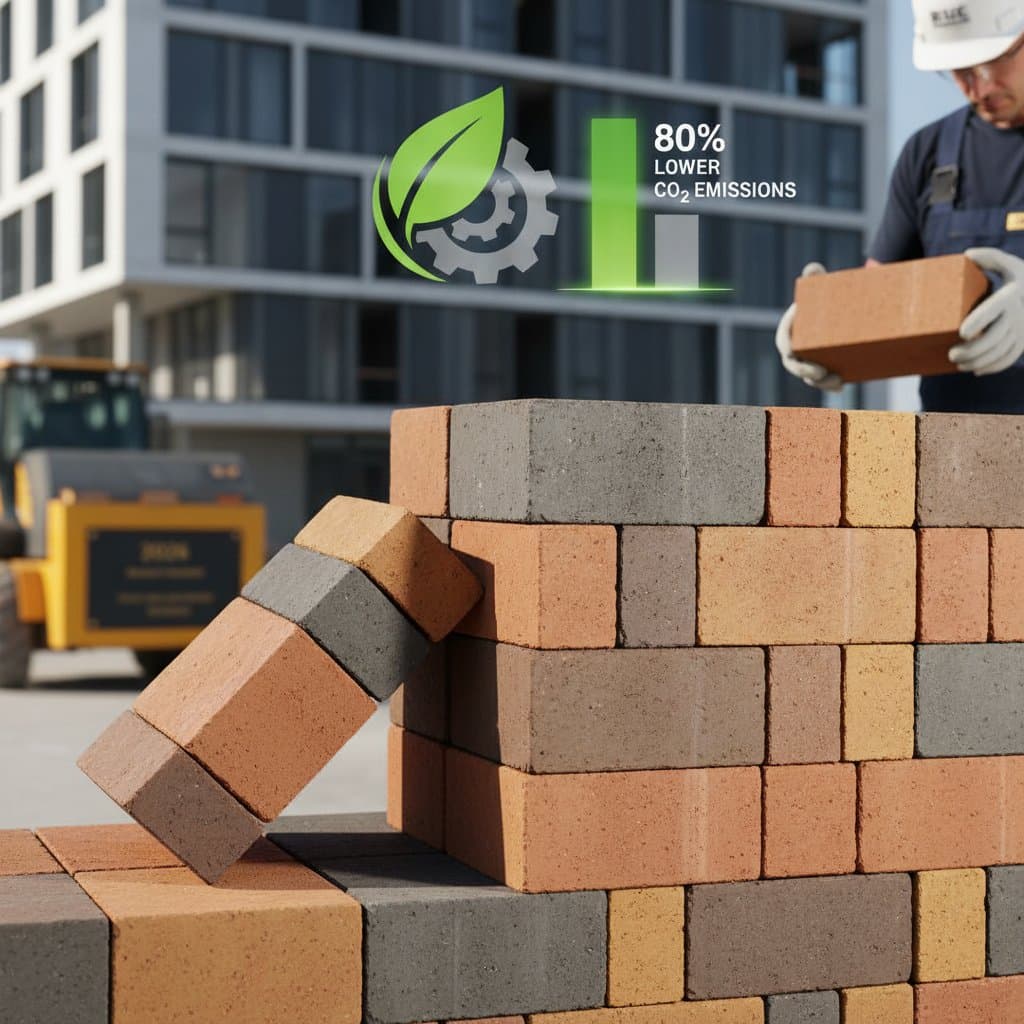
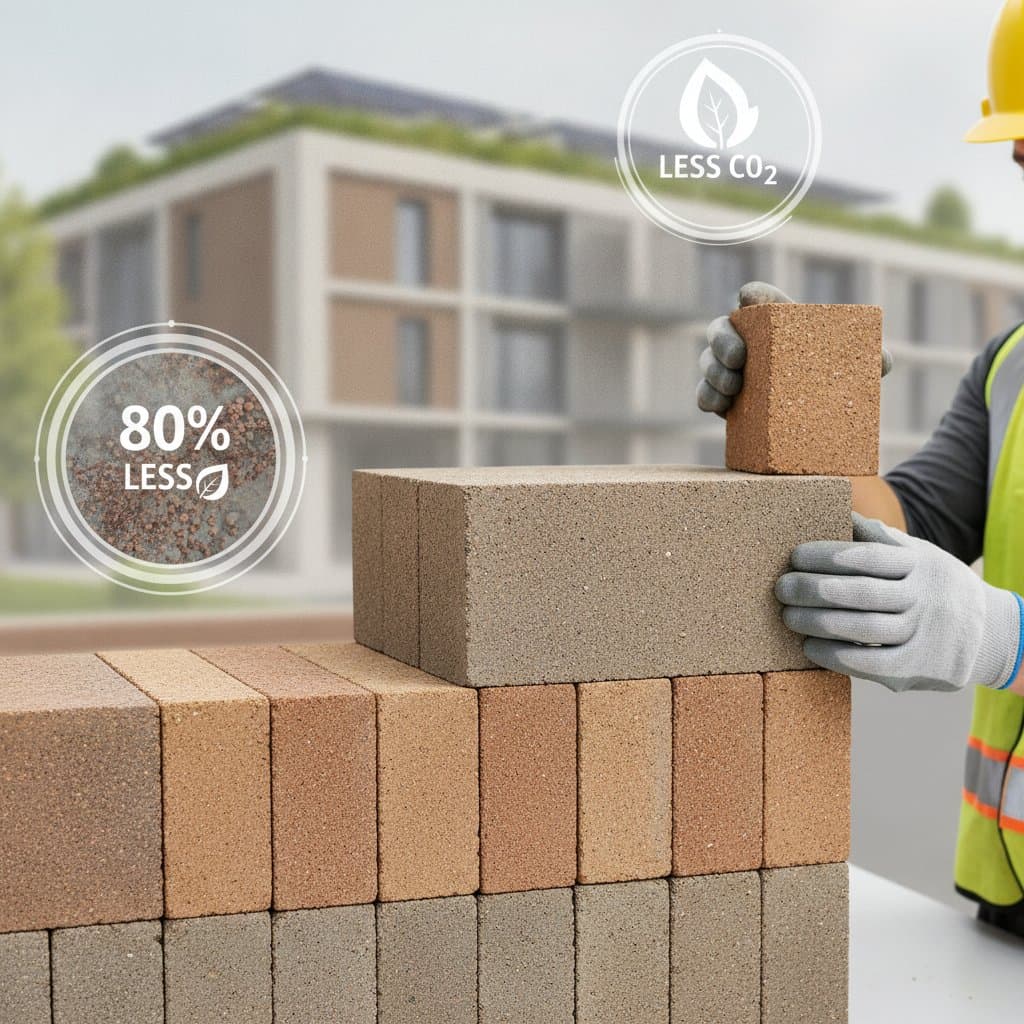
Geopolymer bricks, free of traditional cement, utilize industrial byproducts to deliver exceptional strength, quick curing, and an 80 percent reduction in carbon emissions. These innovative materials provide superior durability, thermal performance, and extended service life. As market access improves and building codes adapt, they stand ready to enhance construction sustainability and efficiency by 2026.

5 min read
Featured image for Cement-Free Blocks Cut Carbon Without Compromise

Cement-Free Blocks Cut Carbon Without Compromise

Geopolymer blocks provide a cement-free option for masonry, leveraging industrial byproducts to achieve robust strength and environmental benefits. These blocks demonstrate superior durability, fire resistance, and flexibility in design, transforming sustainable construction projects. Examine expenses, installation techniques, and performance metrics to understand their contribution to eco-conscious, enduring structures.

5 min read
Featured image for Zero-Cement Bricks Cut Carbon by 90 Percent

Zero-Cement Bricks Cut Carbon by 90 Percent

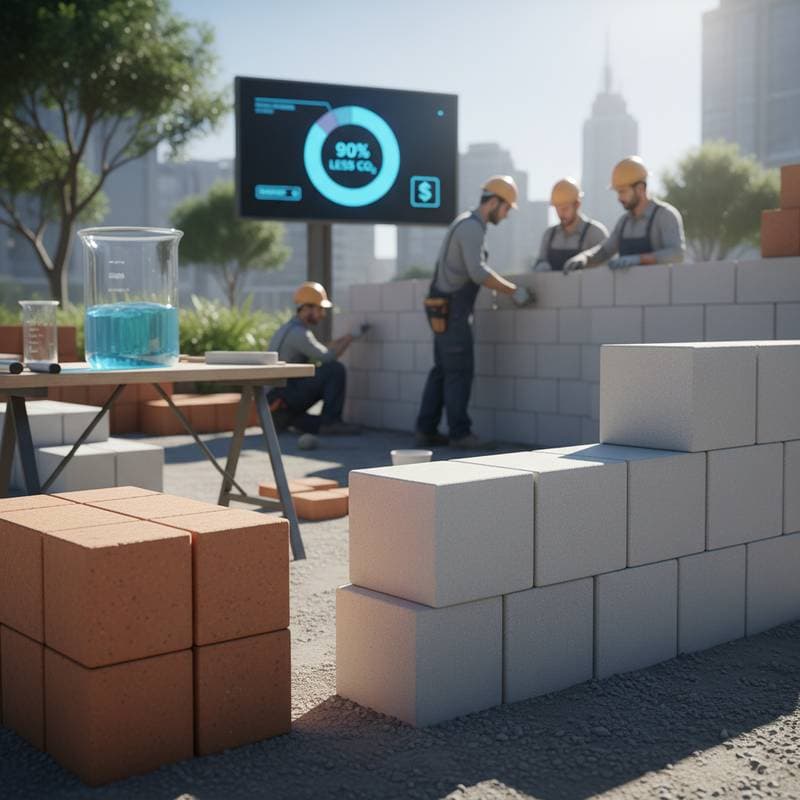
Zero-cement bricks utilize geopolymer binders derived from industrial byproducts to replace traditional cement, achieving up to 90 percent lower carbon emissions. These bricks provide exceptional durability, rapid curing, and longevity, positioning them as a key player in sustainable construction by 2026. This guide covers their costs, installation techniques, advantages, drawbacks, and the broader impact on masonry for builders and homeowners.

6 min read
Featured image for Zero-Cement Bricks Cut Carbon While Matching Concrete Strength

Zero-Cement Bricks Cut Carbon While Matching Concrete Strength

Zero-cement bricks, also called geopolymer bricks, redefine sustainable construction by substituting Portland cement with industrial by-products. These bricks achieve faster curing times, exceptional strength, and carbon emissions reductions of up to 80 percent. Although initial costs run slightly higher, their long-term durability, energy efficiency, and environmental benefits position them as a superior choice for forward-thinking builders.

5 min read
Featured image for Why Geopolymer Blocks Outlast Concrete by 300 Years

Why Geopolymer Blocks Outlast Concrete by 300 Years

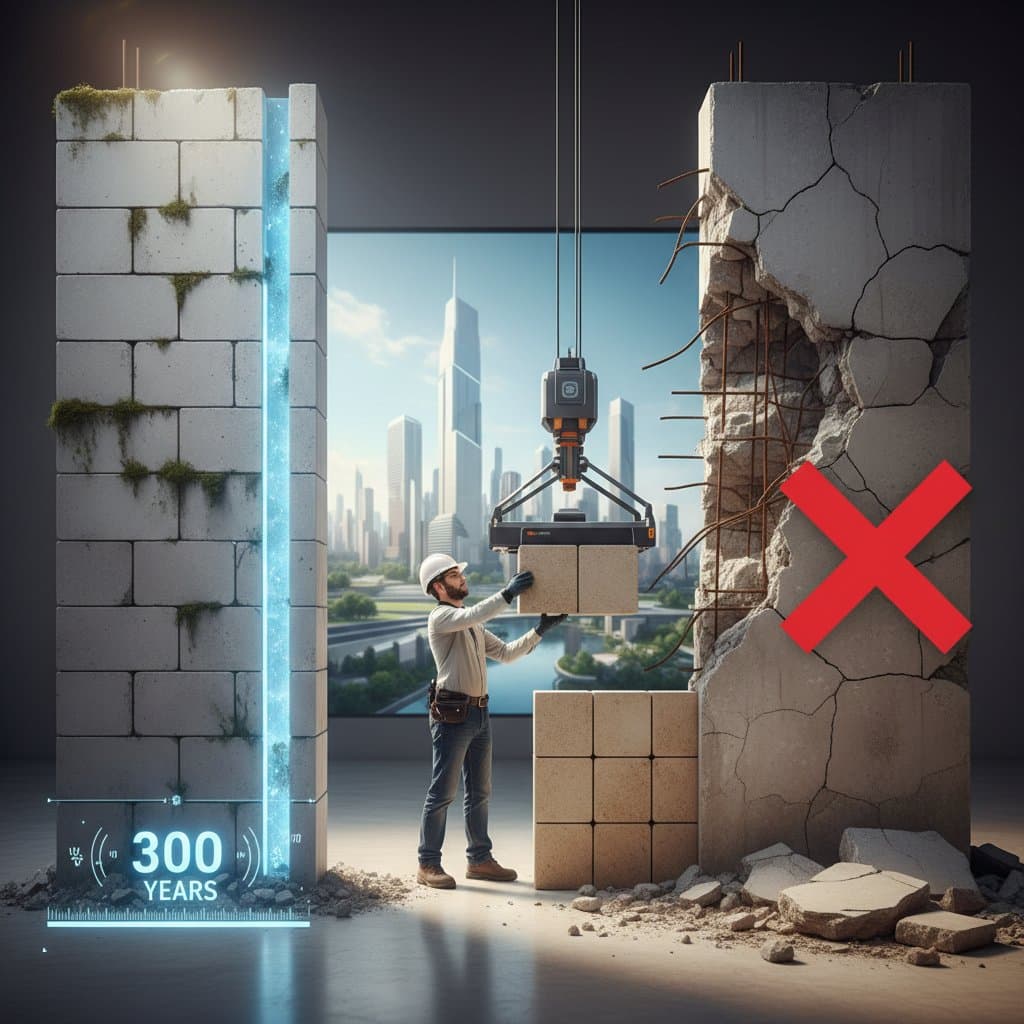
Concrete degrades quickly under environmental pressures, but geopolymer blocks resist water, salt, and heat effectively, delivering centuries of durability and reduced upkeep. Despite a modest initial cost increase, their energy efficiency, ease of installation, and superior performance position them as the ideal choice for sustainable construction.

5 min read
Featured image for Why Geopolymer Bricks Will Dominate Masonry by 2026

Why Geopolymer Bricks Will Dominate Masonry by 2026

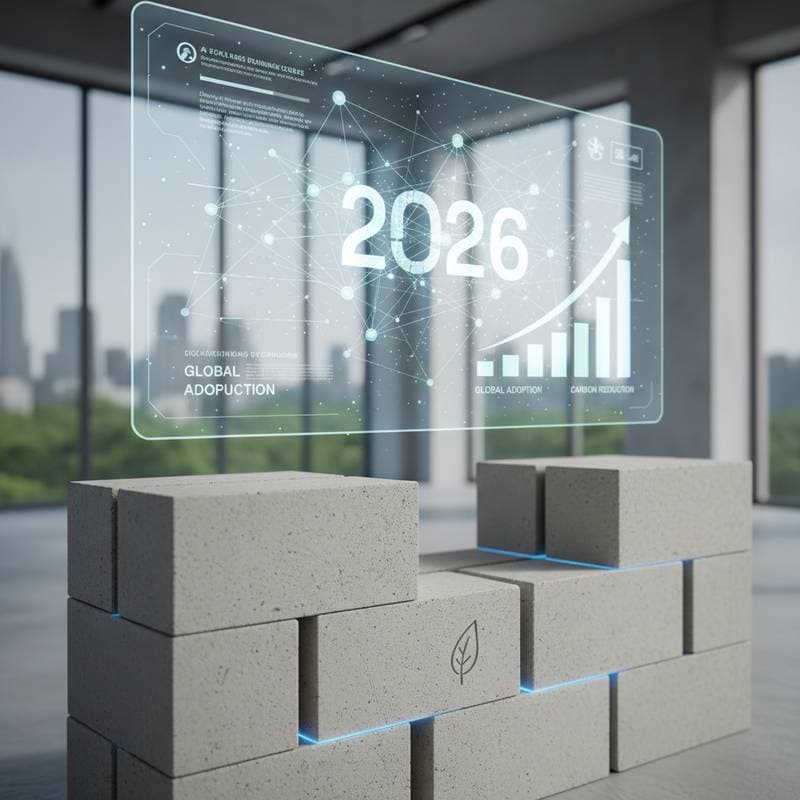
Geopolymer bricks transform masonry through exceptional strength, rapid curing, and carbon emissions reduced by up to 80 percent compared to conventional materials. Derived from industrial by-products, these bricks provide improved insulation, longevity, and economic benefits. With evolving building regulations, they position themselves to lead in sustainable building practices by 2026.

5 min read
Featured image for Zero-Cement Bricks Cut CO₂ by 90% and Cost Less

Zero-Cement Bricks Cut CO₂ by 90% and Cost Less

Zero-cement bricks leveraging geopolymer binders will transform the masonry sector by 2026. They deliver reduced costs, rapid curing, and emissions cuts of up to 90 percent. These bricks surpass traditional options in strength and longevity, making them ideal for eco-conscious builders and homeowners preparing for a greener future.

3 min read
Featured image for Zero-Cement Bricks Cut Emissions Without Losing Strength

Zero-Cement Bricks Cut Emissions Without Losing Strength

Zero-cement bricks transform masonry through sustainable geopolymer binders that replace traditional cement. These bricks provide comparable strength and longevity while minimizing emissions. This guide details their advantages, required materials, and a complete building process to help homeowners and builders adopt high-performance, environmentally responsible construction by 2026.

6 min read
Featured image for Zero-Cement Bricks Cut CO₂ by 80% While Matching Concrete Strength

Zero-Cement Bricks Cut CO₂ by 80% While Matching Concrete Strength

Zero-cement bricks leverage geopolymer technology to supplant Portland cement, slashing carbon emissions by up to 80 percent. These bricks provide exceptional strength, longevity, and resource efficiency for sustainable builds. This overview details planning, construction, and upkeep strategies for these game-changing materials set to influence masonry through 2026.

4 min read
Featured image for Zero-Cement Bricks Cut Emissions by Half in Masonry

Zero-Cement Bricks Cut Emissions by Half in Masonry

Zero-cement bricks utilize geopolymer binders derived from industrial byproducts to replace traditional cement, slashing emissions while delivering comparable strength and longevity. These bricks offer cost savings over time, superior performance, and seamless integration into green construction projects. This guide details their specifications, installation process, and key considerations for adopting them in 2026.

6 min read
Featured image for Zero-Cement Bricks Cut Carbon 60% by 2026

Zero-Cement Bricks Cut Carbon 60% by 2026

Geopolymer-based zero-cement bricks innovate construction with unmatched strength, rapid curing, and 60-80% reduced carbon footprint. Leveraging waste materials and advanced chemistry, they ensure durability, energy savings, and quick ROI, poised to lead eco-friendly building by 2026.

5 min read
Featured image for Zero-Cement Bricks Cut Emissions and Cure Faster

Zero-Cement Bricks Cut Emissions and Cure Faster

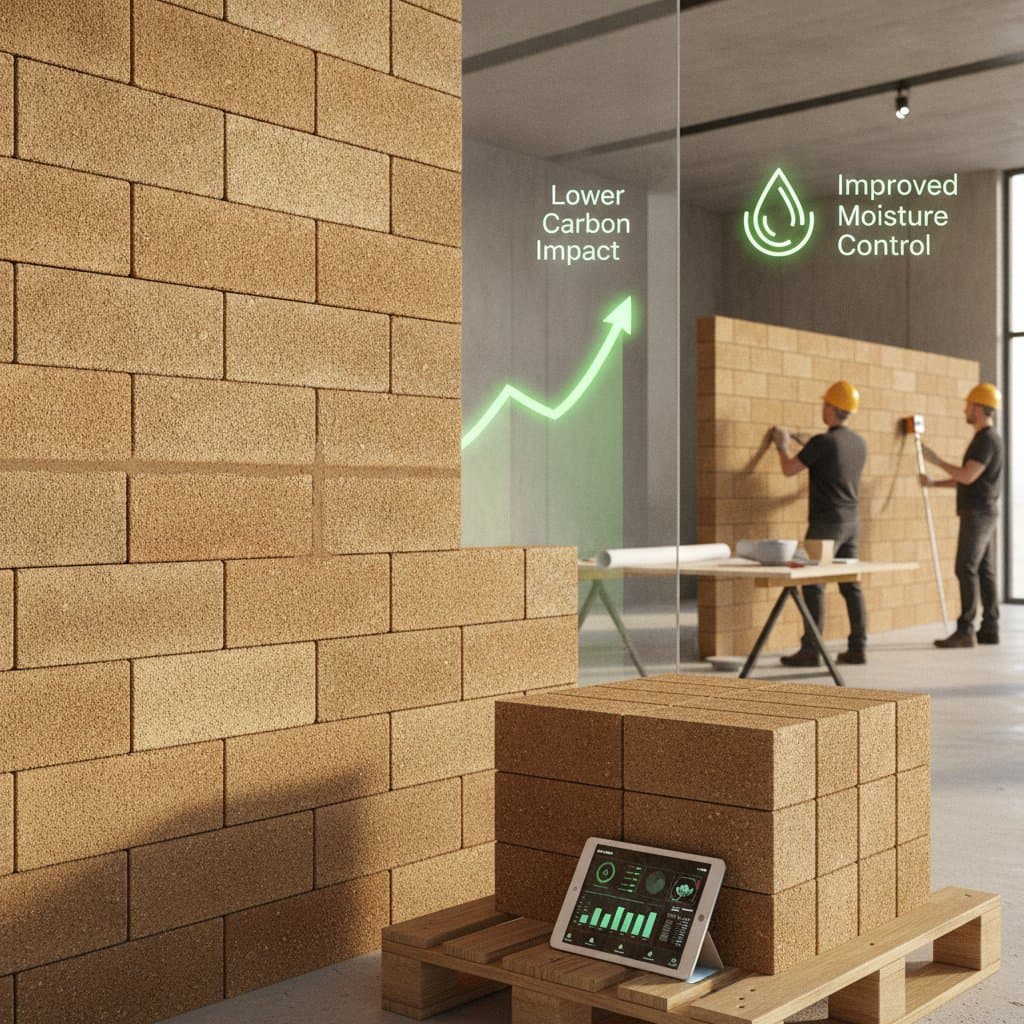
Zero-cement bricks transform masonry through reduced emissions, quicker curing times, and enhanced moisture resistance. Builders using geopolymer systems achieve greater durability and sustainability, provided they adapt to specialized mortars, drainage techniques, and curing protocols. Proper implementation ensures extended lifespan, minimal repairs, and a significant industry evolution by 2026.

5 min read
Featured image for Geopolymer Bricks Cut Carbon Without Cement

Geopolymer Bricks Cut Carbon Without Cement

Geopolymer bricks transform sustainable building by substituting cement with industrial waste materials, significantly reducing carbon emissions without compromising on strength or durability. Builders achieve enduring, environmentally responsible structures through meticulous planning, compatible mortars, and controlled curing processes. By 2026, these bricks may establish themselves as the preferred choice for ethical construction practices.

6 min read
Featured image for Zero-Cement Bricks Cut Carbon and Cure Faster

Zero-Cement Bricks Cut Carbon and Cure Faster

Zero-cement geopolymer bricks stand ready to redefine masonry practices by 2026. They deliver reduced emissions, quicker curing times, and enhanced durability. Builders face challenges in supply chains, moisture management, and material compatibility. Through careful planning and testing, these bricks offer enduring strength, lower maintenance needs, and a significant advance in sustainable building.

6 min read
Featured image for Geopolymer Bricks Cut Carbon Without Kiln Firing

Geopolymer Bricks Cut Carbon Without Kiln Firing

Geopolymer bricks offer a sustainable alternative to traditional masonry by using fly ash, metakaolin, or slag with alkaline activators for durable, low-emission structures. These bricks provide comparable strength without cement or firing, ideal for DIY garden projects or professional builds. Discover planning, material selection, and step-by-step guidance to create resilient walls for 2026 and future construction.

7 min read
Featured image for Geopolymer Blocks Cut Carbon and Outlast Brick

Geopolymer Blocks Cut Carbon and Outlast Brick

Geopolymer blocks transform construction practices by offering unmatched strength, longevity, and eco-friendliness. Derived from waste materials, they endure extreme conditions, cut emissions dramatically, and provide a cost-effective long-term option despite initial hurdles in availability and price.

6 min read