
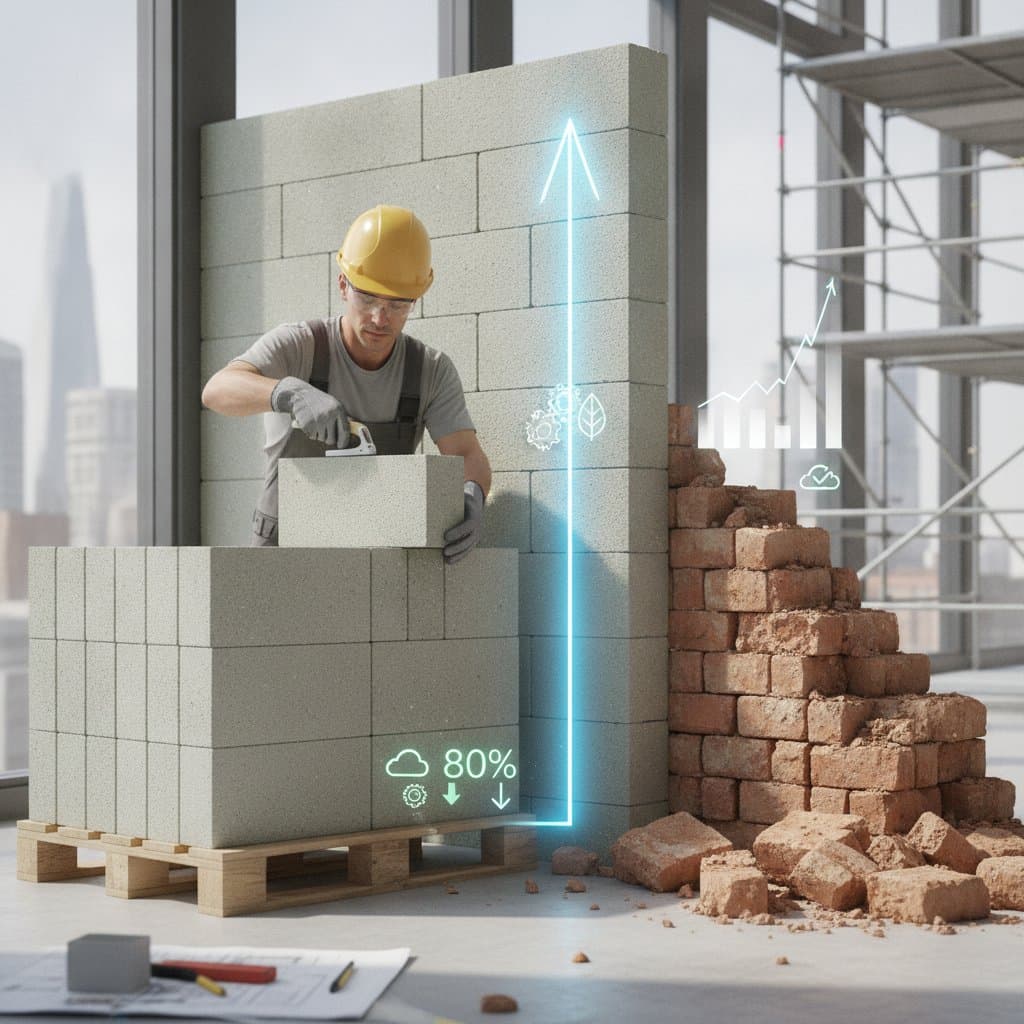
Geopolymer Blocks Offer Superior Strength for Construction Projects
Geopolymer blocks consist of industrial byproducts including fly ash, slag, or metakaolin combined with alkaline activators. The mixture hardens at ambient temperatures into a durable stone-like substance without any firing process. Builders increasingly select these blocks over clay bricks due to gains in compressive strength, reduced environmental impact, and accelerated production timelines.
Material selection influences project expenses, visual outcomes, and durability over decades. A clear grasp of geopolymer performance supports informed decisions for walls, outbuildings, or full residential builds.
Typical Cost Ranges
Geopolymer blocks generally cost between 2 and 4 dollars per square foot of wall surface. Total installed prices fall between 6 and 10 dollars per square foot once regional labor rates, wall thickness, and site layout enter the calculation.
Key cost factors include the specific mix design and origin of raw materials, block dimensions and density specifications, crew experience with the product, and transportation distance from the production facility. Clay brick installations often total 5 to 9 dollars per square foot yet demand additional mortar, more frequent joints, and extended labor hours. Large-scale projects frequently realize net savings through shorter installation periods and lighter foundation requirements.
Essential Specifications to Verify
Request documentation that confirms compressive strength of at least 6000 psi for typical load-bearing applications. Verify water absorption below 8 percent for exterior exposure. Determine the appropriate density classification for the intended structural role. Review thermal conductivity values that commonly range from 0.3 to 0.5 W/mK. Confirm standard dimensions such as 8 by 8 by 16 inches along with edge profiles suited to the layout pattern.
Step-by-Step Installation Process
- Establish accurate layout lines and verify square corners before the first course.
- Prepare a level base with a thin mortar bed or approved leveling compound.
- Position corner blocks first, then complete the course while maintaining level and plumb alignment.
- Apply the manufacturer-recommended polymer-modified mortar or joint compound.
- Continue stacking courses with vertical joints offset by half a block length.
- Tool joints flush or slightly recessed to achieve a clean finished appearance.
- Add reinforcement such as steel rods or mesh where structural plans require it.
- Shield fresh masonry from rain and intense sunlight during initial hardening.
Apply a vapor-permeable coating or sealer after full cure. Avoid solvent-based products that impede moisture transmission.
When to Proceed with DIY or Engage Professionals
Small garden walls or sheds below 4 feet in height on flat, well-drained sites suit experienced DIY builders. Single-story infill panels with straightforward access also fall within moderate skill levels. Multi-story load-bearing walls, curved designs, poor drainage conditions, or engineered reinforcement needs require licensed contractors.
Blocks cut readily with a masonry saw and carry weights comparable to standard concrete units. Always employ dust extraction, gloves, and eye protection during cutting or mixing operations.
Performance Across Climate Zones
In freeze-thaw environments the material demonstrates strong resistance to cycling damage when grade slopes away from the wall and vapor-open coatings are applied. Hot, arid conditions call for shade during curing to prevent surface cracks, while lighter block colors limit heat gain. Coastal installations tolerate salt exposure effectively yet benefit from silane or siloxane sealers. High-rainfall locations require generous roof overhangs and tightly tooled mortar joints.
Sustainability Benefits
Clay brick production relies on high-temperature firing that consumes substantial fuel and emits carbon dioxide. Geopolymer formation occurs through room-temperature chemical reactions that can lower embodied carbon by as much as 80 percent. Utilization of fly ash and slag diverts industrial waste from landfills. The resulting thermal mass helps stabilize indoor temperatures and reduces ongoing heating and cooling loads.
Safety and Regulatory Considerations
Contact utility locating services prior to excavation. Secure permits for any structural applications. Certain jurisdictions mandate engineering review for nontraditional masonry products. Control silica dust with wet cutting methods and protect skin and eyes from alkaline activators during on-site mixing.
Practical Techniques for Quality Results
Maintain consistent joint thickness between 3 and 10 millimeters. Use a rubber mallet for adjustments rather than metal tools. Verify alignment every second course. Protect new walls from precipitation for at least two days. Allow complete curing before finishes are applied. Select breathable sealers that permit vapor movement.
Long-Term Care Practices
Routine sweeping or rinsing prevents surface accumulation. Repoint only when mortar gaps become visible. Refrain from high-pressure washing or aggressive chemical cleaners.
Selecting Materials for Your Build
Compare supplier test data against project requirements and local code provisions. Obtain samples to evaluate texture and color under actual site lighting. Schedule material delivery to align with foundation readiness and crew availability.