#mycelium

Articles tagged with mycelium

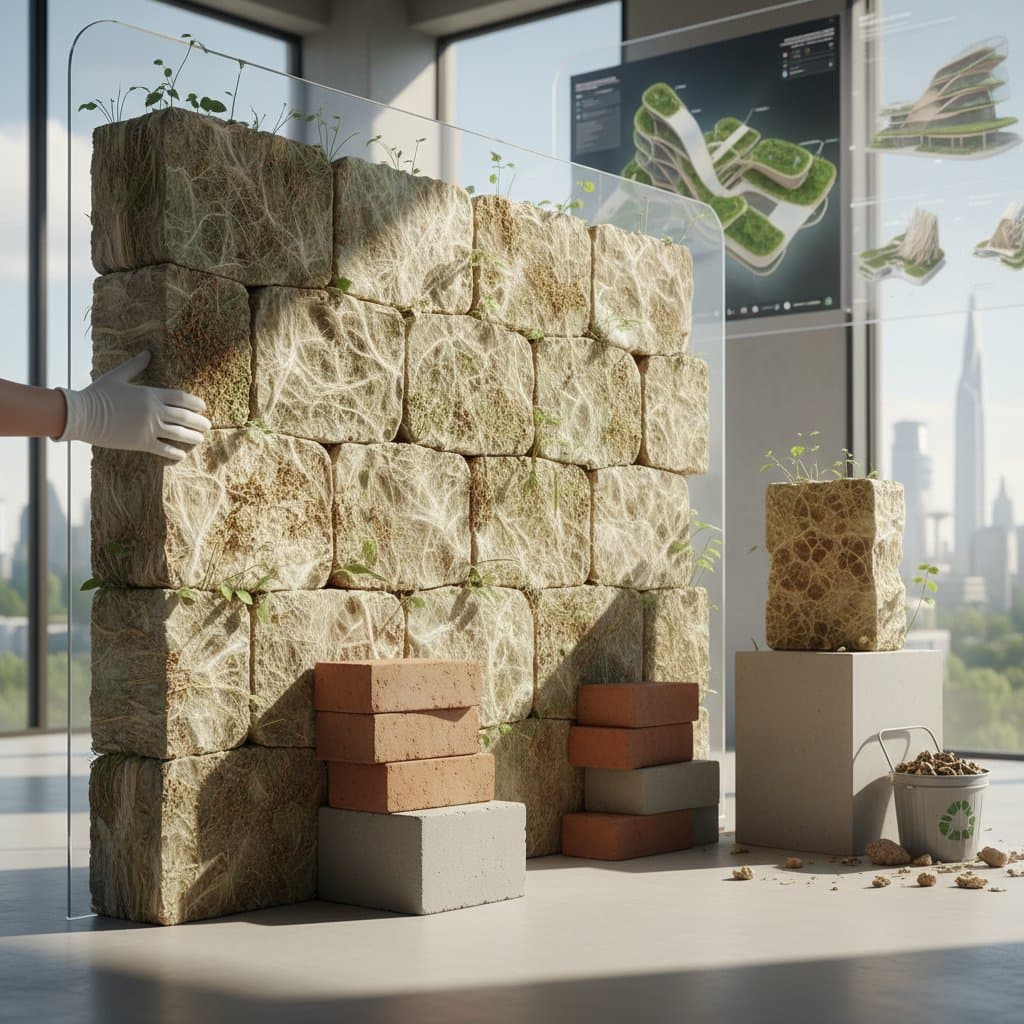
Featured image for Why Mycelium Bricks Cut Carbon Without Kiln Firing

Why Mycelium Bricks Cut Carbon Without Kiln Firing

Mycelium bricks transform sustainable building practices by leveraging fungal networks to create low-carbon, renewable materials. These lightweight, resilient units minimize energy consumption and ecological footprint. Effective implementation requires precise curing, moisture management, and collaboration with specialists to ensure reliability in construction applications.

6 min read
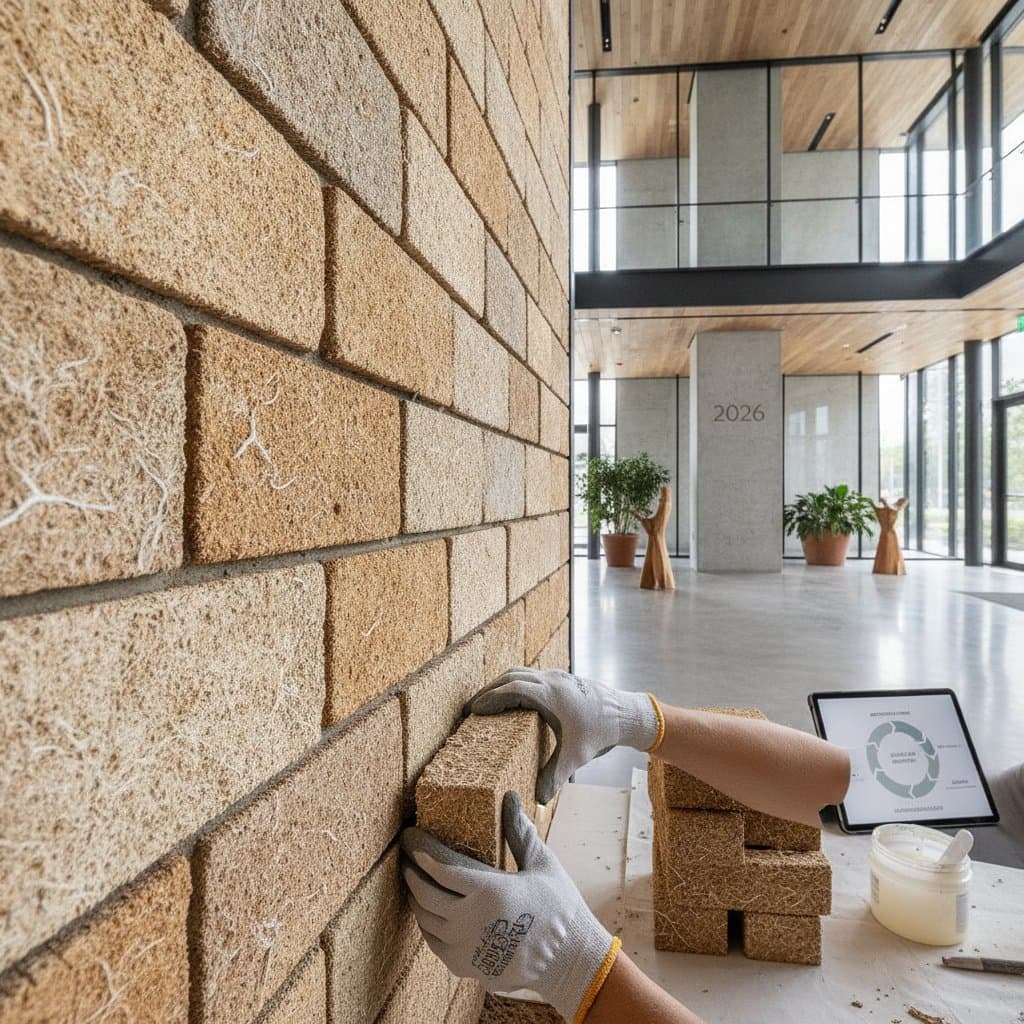
Featured image for Why Mycelium Bricks Outperform Traditional Masonry

Why Mycelium Bricks Outperform Traditional Masonry

Mycelium bricks, cultivated from fungal networks and agricultural byproducts, provide a compostable, energy-efficient substitute for concrete and clay. Their lightweight design, superior insulation, and natural decomposition make them ideal for green building, though considerations for strength and moisture are essential in advancing eco-architectural solutions.

5 min read
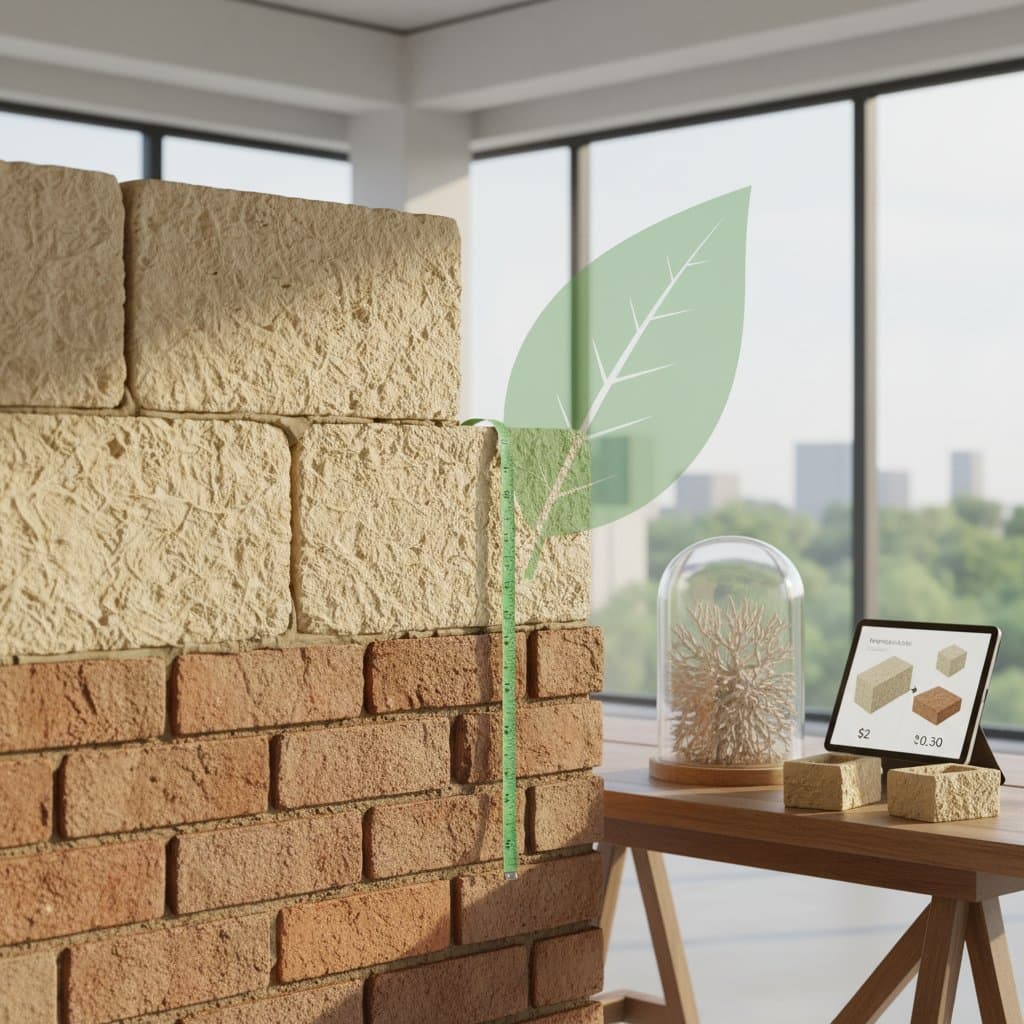
Featured image for Fungus Bricks Cost $2 vs Traditional Clay Masonry

Fungus Bricks Cost $2 vs Traditional Clay Masonry

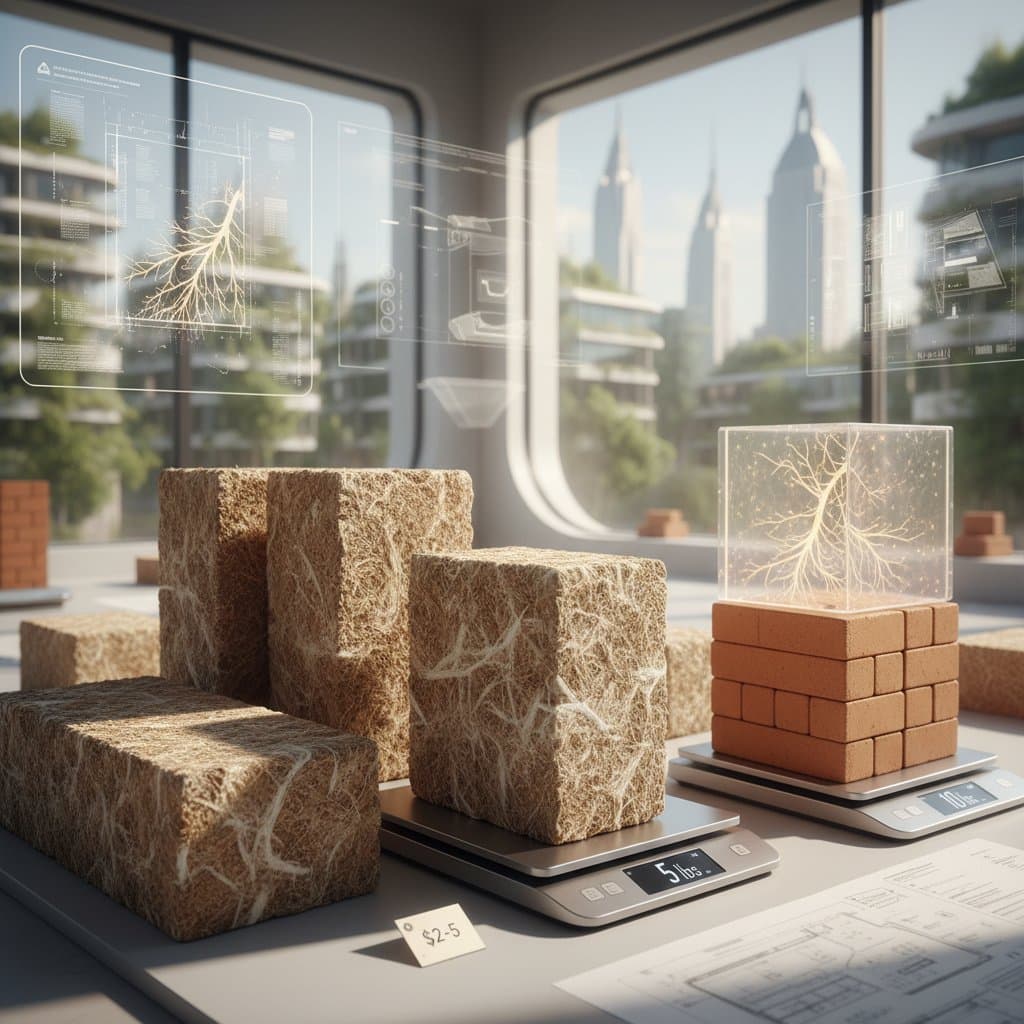
Fungus bricks, derived from mycelium and agricultural waste, present a lightweight, low-carbon substitute for conventional clay masonry. These bricks grow naturally without firing, deliver superior insulation, support composting at end-of-life, and yield substantial energy efficiencies. Ideal for non-load-bearing applications, they illustrate the potential of biological materials to redefine sustainable architecture.

5 min read
Featured image for Mycelium Bricks Grown from Fungus Cut Carbon Costs

Mycelium Bricks Grown from Fungus Cut Carbon Costs

Mycelium bricks, cultivated from fungal roots rather than fired clay, provide a renewable and biodegradable option for construction. These bricks lower carbon footprints, repurpose agricultural waste, and deliver superior insulation, although challenges in durability, moisture management, and affordability persist. Ongoing research and production advancements signal strong potential for global sustainable building practices.

6 min read
Featured image for Why Mycelium Bricks Beat Concrete on Weight and Waste

Why Mycelium Bricks Beat Concrete on Weight and Waste

Mycelium bricks utilize fungal networks and organic waste to create lightweight, low-carbon building units. These materials deliver sustainability, superior insulation, and acoustic advantages, yet require rigorous moisture management, permeable coatings, and precise installation. Through thoughtful design, rigorous testing, and expert collaboration, mycelium bricks can transform sustainable construction by optimizing durability, affordability, and ecological impact.

6 min read
Featured image for Mycelium Bricks: Low-Carbon Alternative to Fired Clay

Mycelium Bricks: Low-Carbon Alternative to Fired Clay

Mycelium bricks, cultivated from fungal networks on organic waste, present a renewable and low-emission choice over fired clay. They deliver insulation and compostability while cutting energy demands, though sealing against moisture and code adherence remain key. This overview covers fabrication, expenses, efficacy, and implementation for sustainable architecture.

6 min read