
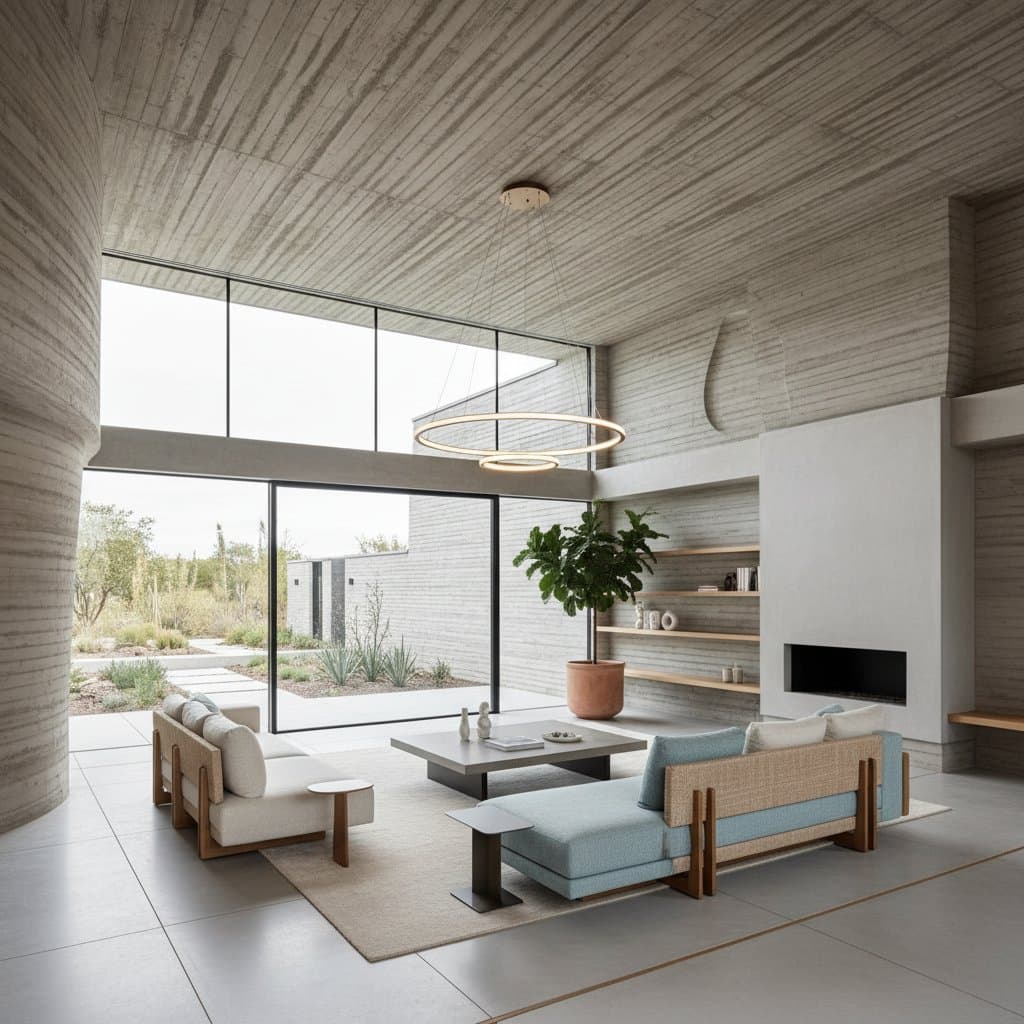
Understanding 3D Concrete Homes
3D concrete homes represent a significant advancement in residential construction. These structures emerge from large-scale automated printers that deposit layers of specialized concrete based on digital blueprints. This method eliminates much of the traditional framing process, substantially lowers labor expenses, and cuts down on material waste, yielding homes that stand strong and cost less to build.
The core of this technology involves a concrete mixture engineered for extrusion. It must flow easily from the printer's nozzle while setting rapidly to hold the weight of subsequent layers. The printer adheres to a detailed digital plan that outlines walls, doors, windows, and pathways for electrical and plumbing systems. Such accuracy ensures uniform construction quality and opens possibilities for innovative designs that prove challenging and expensive with standard techniques.
The Impact on Affordability and Efficiency
Conventional building relies on extensive manual work and faces volatility in material prices. In contrast, a 3D printer operates around the clock with a small team overseeing it, and it uses concrete more efficiently to avoid excess. These factors combine to reduce overall construction costs by 50 to 60 percent, bringing homeownership within reach for more families. Shorter build times further accelerate housing development in growing communities, all while upholding rigorous standards for safety and aesthetic variety.
This approach also addresses broader challenges in the industry. Labor shortages in remote or underserved areas become less critical, as the printer handles the bulk of the structural work. The resulting concrete walls offer inherent strength, providing better resistance to elements like wind and earthquakes compared to some traditional builds.
Ideal Applications for 3D Concrete Homes
This printing method suits a range of projects, from standalone family homes to compact apartment blocks and even temporary shelters for disaster recovery. It excels in regions plagued by skilled worker deficits or logistical hurdles in delivering heavy materials. The solid concrete exterior delivers superior thermal insulation and durability against harsh weather, which translates to lower utility bills over the home's lifespan.
For example, in coastal zones prone to storms, the seamless walls minimize vulnerabilities at joints. Urban developers find value in customizing layouts to fit irregular lots, maximizing space without added expense.
Planning Your 3D Concrete Home
Site Assessment Essentials
Start with a thorough examination of the building site. Test the soil for stability, evaluate drainage patterns, measure slopes, and confirm access routes for heavy machinery. The ground needs to bear the printer's rails or base without shifting. In cases of rocky outcrops or loose earth, consult a geotechnical specialist to engineer a stable foundation that prevents future settling issues.
Clear any obstacles like trees or debris early to streamline setup. Consider prevailing winds and sun exposure, as these influence the home's orientation for optimal energy efficiency.
Precise Measurements and Surveys
Conduct a detailed survey of the property footprint. Identify boundary lines, required setbacks from neighbors, and existing underground utilities. Feed this data into software to generate the digital model that guides the printer. Double-check all dimensions to avoid discrepancies; even minor inaccuracies can lead to material overuse or structural flaws during printing.
Use GPS-enabled tools for larger sites to capture elevations accurately. Document everything with photos and notes for reference throughout the project.
Navigating Regulations and Environmental Considerations
Review local zoning laws and secure necessary permits well in advance. Certain jurisdictions treat 3D-printed homes as innovative builds, which may demand extra engineering reviews or certifications. Always dial 811 to map out buried lines before any ground disturbance. If a homeowners association governs the area, verify their policies on alternative construction to sidestep disputes.
Incorporate eco-friendly practices from the outset, such as sourcing low-carbon concrete mixes. This not only complies with green building incentives but also appeals to environmentally conscious buyers.
Selecting the Right Materials
Choose components that align with your project's scale and location demands. Each option balances cost, performance, and ease of use.
- Standard printable concrete mix: Formulated for high fluidity and rapid curing, this base material extrudes smoothly and forms crack-resistant walls. It requires precise mixing to maintain consistency, with costs remaining reasonable for most budgets.
- Fiber-reinforced variants: Incorporate glass, steel, or polymer fibers to boost tensile strength. Ideal for earthquake-prone or windy areas, these mixes add a modest premium but enhance long-term resilience against impacts.
- Insulated hybrid blends: Embed lightweight beads or foam aggregates to lighten the structure and improve heat retention. They simplify energy-efficient designs, though walls might require a skim coat for a refined finish.
Test samples from suppliers to match the printer's specifications. Factor in local availability to reduce transport emissions and expenses.
Essential Tools and Preparation
Assemble the right equipment to ensure smooth execution. Rentals often prove cost-effective for one-off projects.
- 3D concrete printer: Opt for gantry-style or robotic arm models rated for your desired wall heights, typically up to 10 feet per layer. Verify compatibility with your digital files.
- Mixing and delivery systems: Industrial mixers maintain the concrete's viscosity; follow exact water-to-cement ratios from the material specs to prevent clogs.
- Alignment and measurement devices: Laser levels and plumb lines keep layers straight; digital calipers fine-tune small adjustments.
- Safety equipment: Equip the team with respirators, safety glasses, gloves, and steel-toed boots to handle wet concrete and machinery safely.
Allocate a buffer of 10 to 15 percent extra materials for test prints and unforeseen adjustments. Store everything in a shaded, dry area to preserve quality.
Step-by-Step Construction Process
Follow this sequence to build methodically and minimize errors.
- Foundation preparation: Pour and cure a reinforced concrete slab, ensuring it sits perfectly level to serve as the printer's stable platform.
- Printer assembly: Position rails or arms according to the manufacturer's diagram, securing them firmly to the foundation.
- Digital model integration: Upload the design file, double-checking coordinates for doors, windows, and conduits.
- Layered printing: Begin extrusion, pausing periodically to inspect for even flow and bonding between layers. Adjust speed if needed for optimal thickness.
- Curing and quality checks: Let the structure set for 24 to 48 hours, then examine for straightness and integrity before proceeding to roofing and interiors.
Throughout, maintain a log of printer settings and environmental conditions, like temperature and humidity, which affect curing rates.
Maintaining and Enhancing Your 3D Concrete Home
Once complete, proactive care ensures decades of reliable performance. Apply a penetrating sealant to outer walls every few years to repel water and prevent cracks. Regularly scan joints and bases for signs of wear, addressing issues promptly to avoid escalation.
Inside, apply drywall, stucco, or paneling over the printed surfaces for a polished look. Embed features like recessed lighting channels or vertical gardens during printing to personalize the space without retrofits.
Avoid pitfalls such as inadequate foundation prep or skipping calibration tests, which can compromise stability. For complex designs or uncertain sites, engage a structural engineer to review plans and oversee key phases. This investment safeguards your home's value and your peace of mind, delivering a resilient dwelling tailored to modern living.