#printed

Articles tagged with printed

Featured image for 3D-Printed Homes Cut Build Time to Days Not Weeks

3D-Printed Homes Cut Build Time to Days Not Weeks

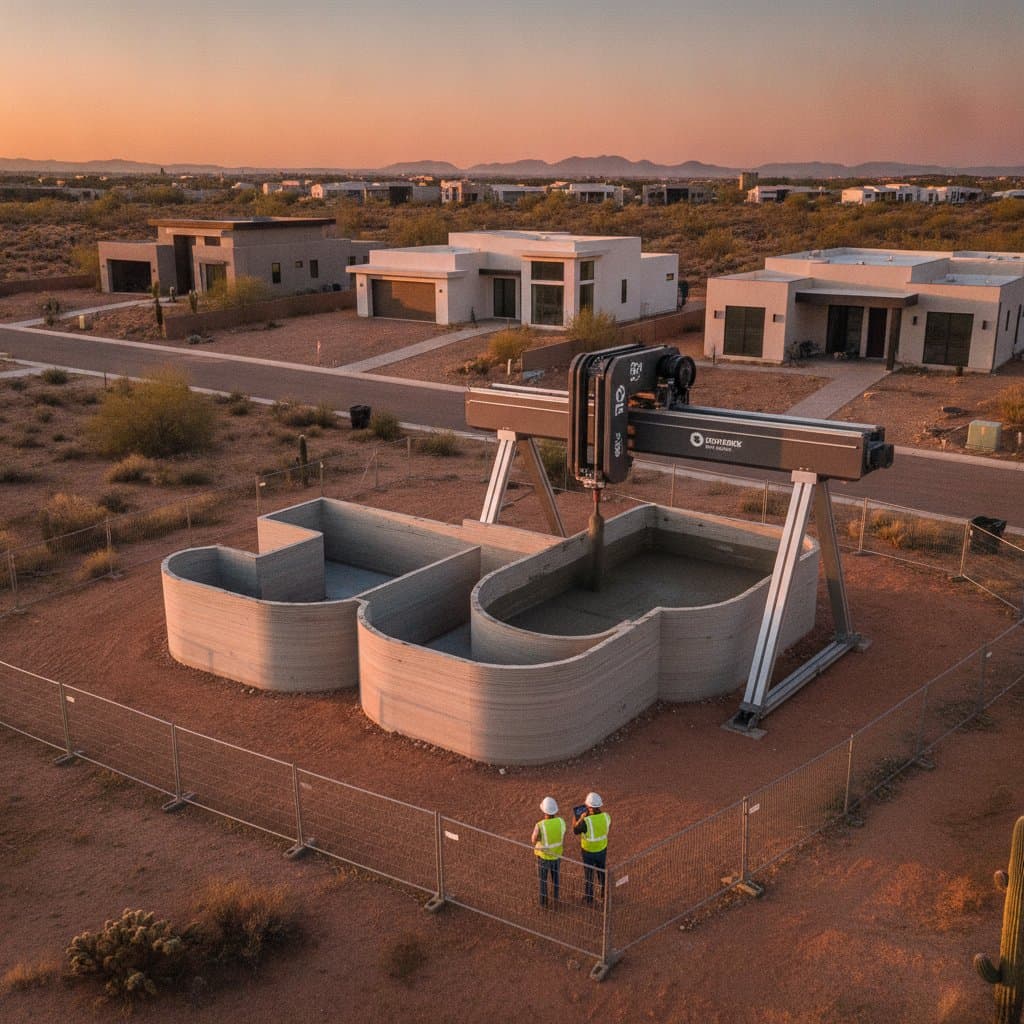
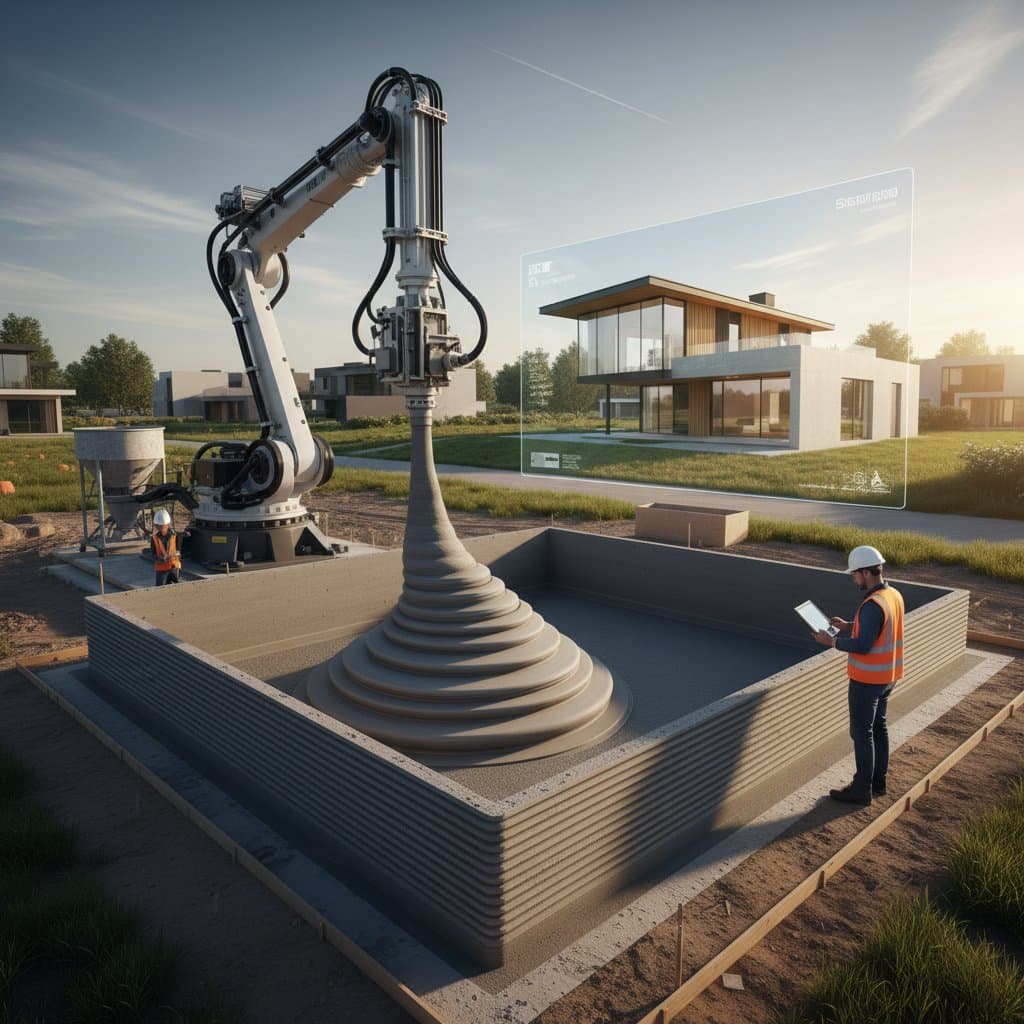
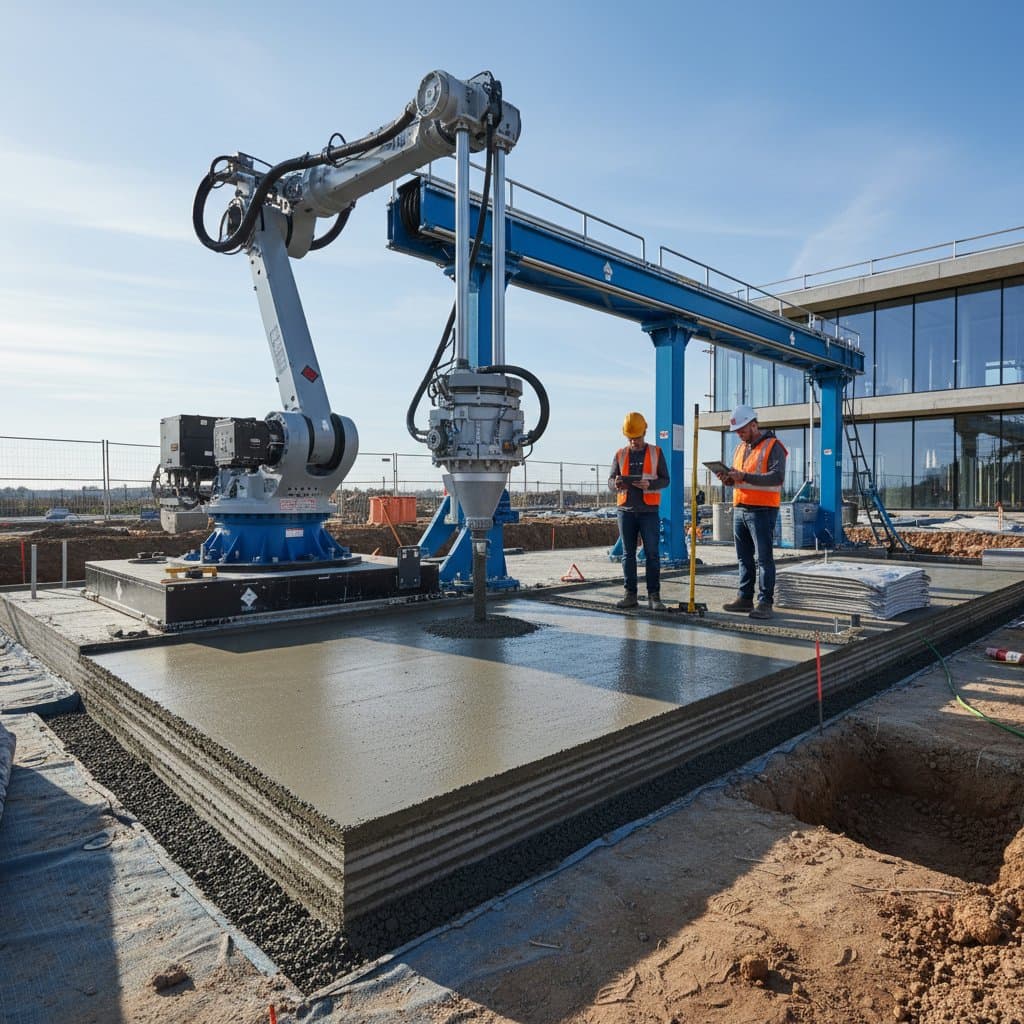
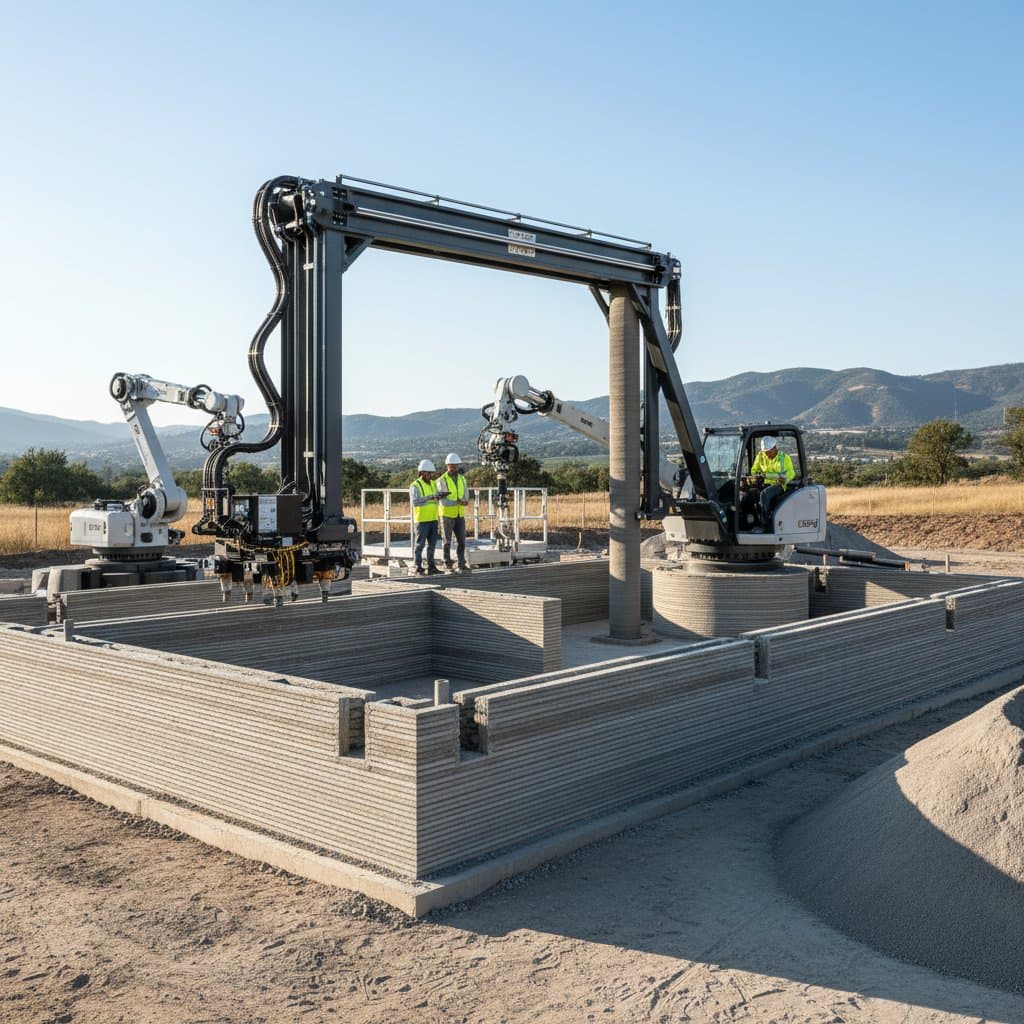
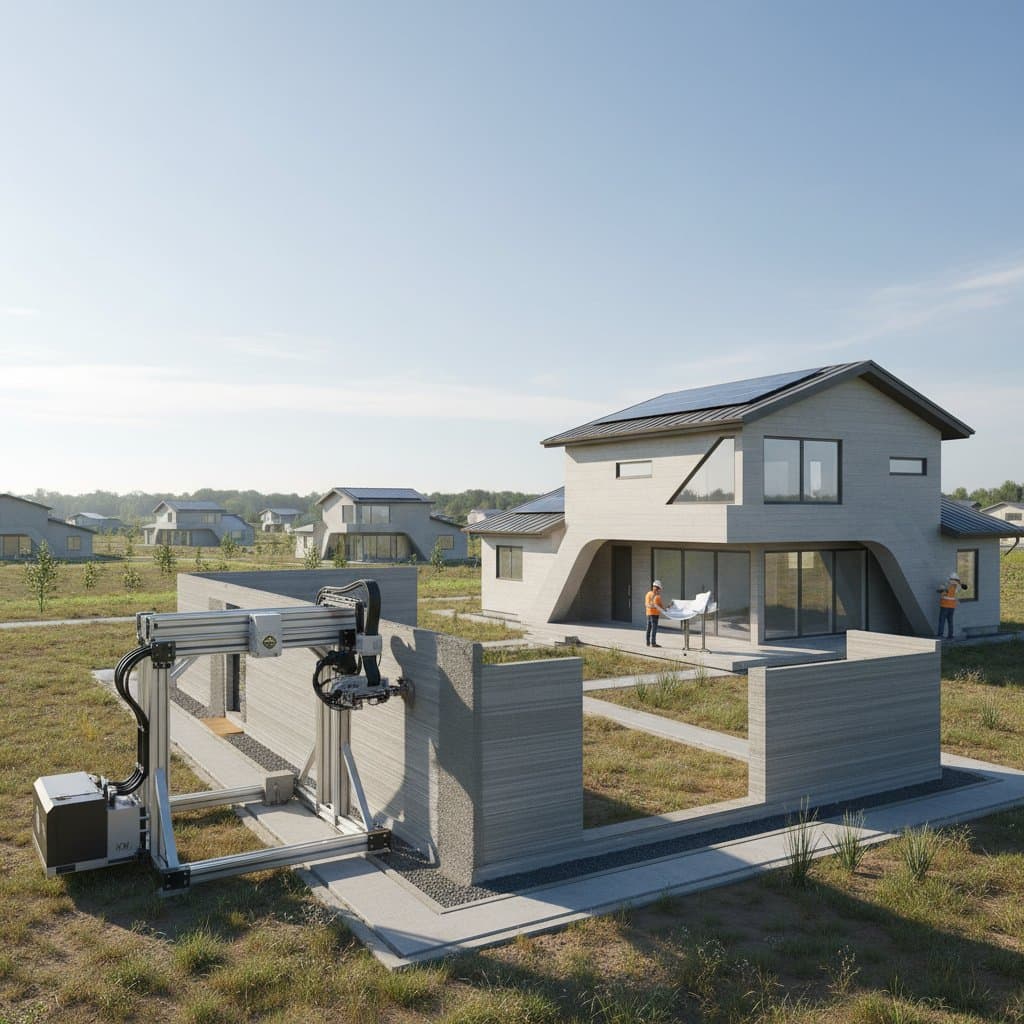
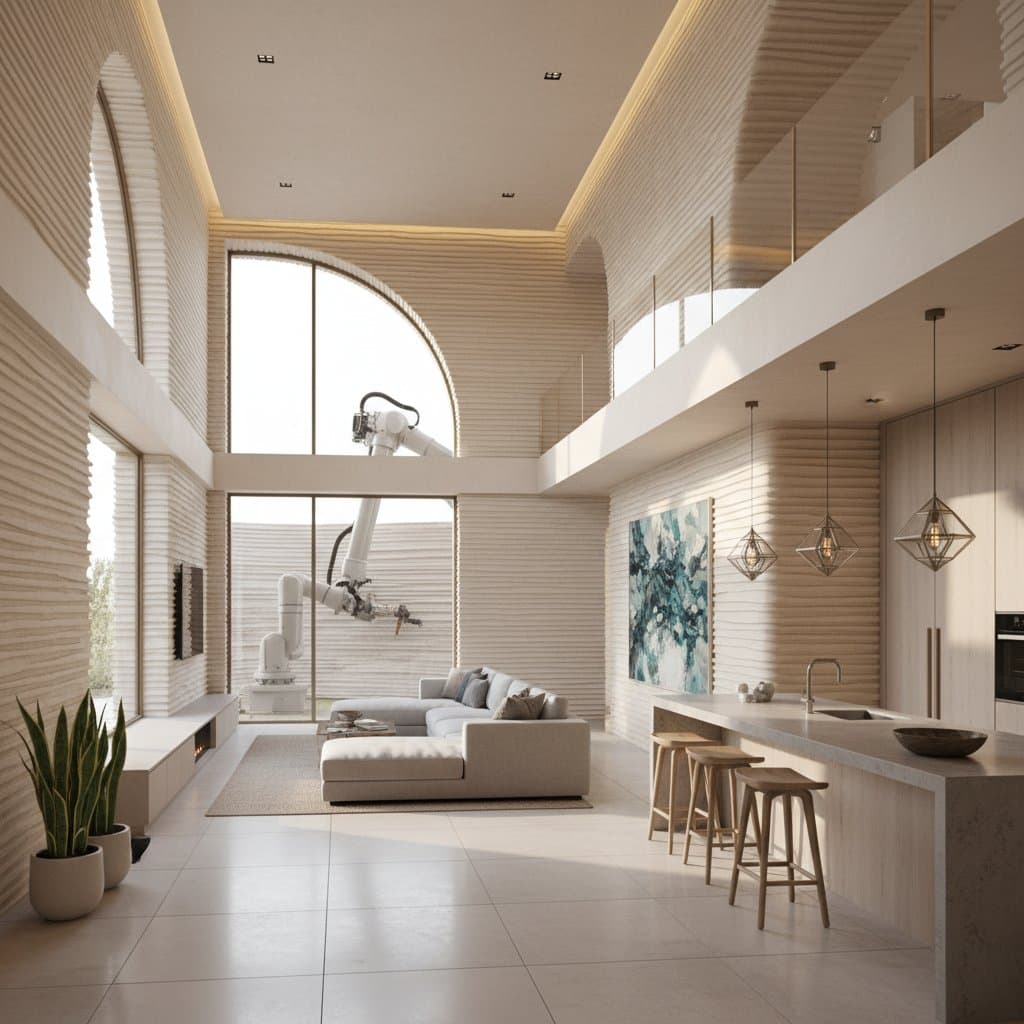
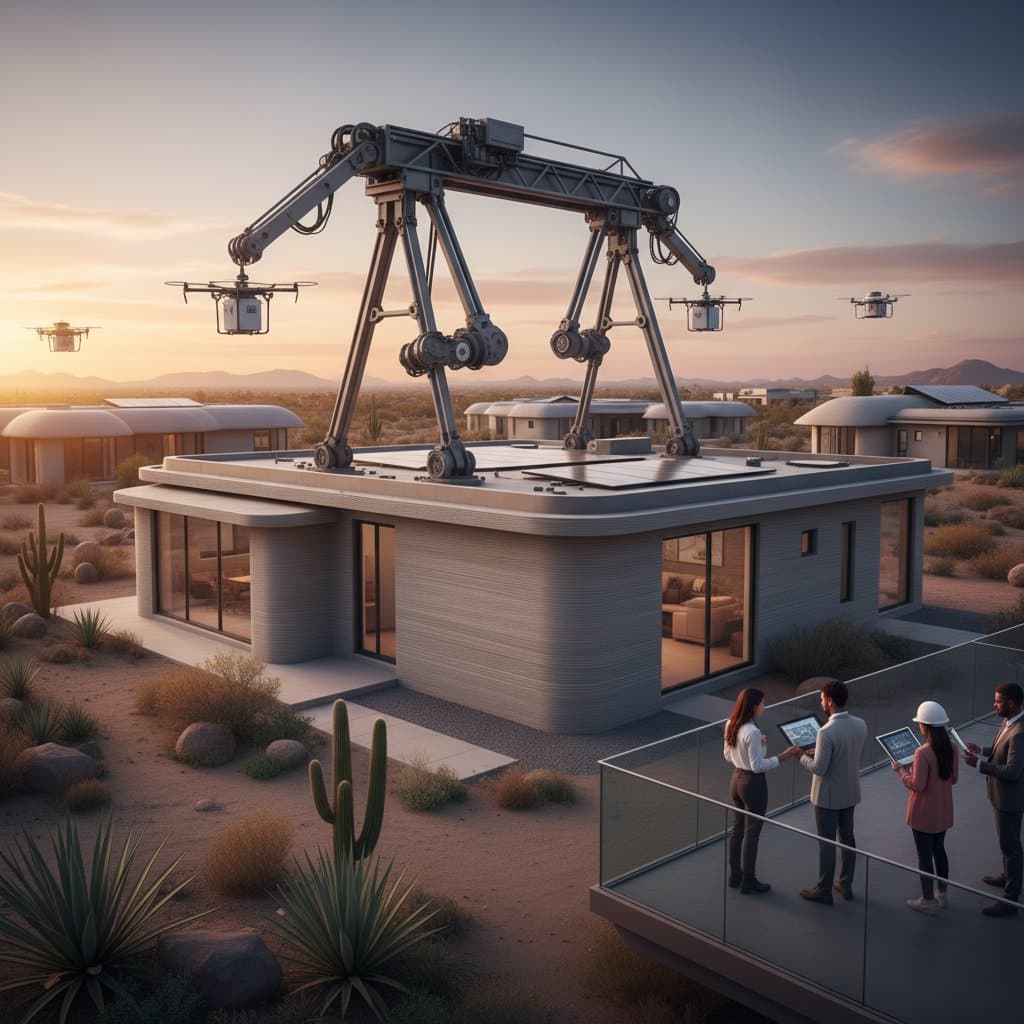
By 2026, 3D-printed concrete homes stand poised to redefine suburban construction through accelerated timelines, reduced waste, and creative architectural possibilities. Robotic printers layer concrete with precision, delivering robust, customizable structures that address labor shortages and environmental concerns. Although challenges like regulatory hurdles and skill gaps persist, this innovation promises to reshape housing affordability and community landscapes.

5 min read
Featured image for 3D Printing Cuts Foundation Time to 4-6 Days

3D Printing Cuts Foundation Time to 4-6 Days

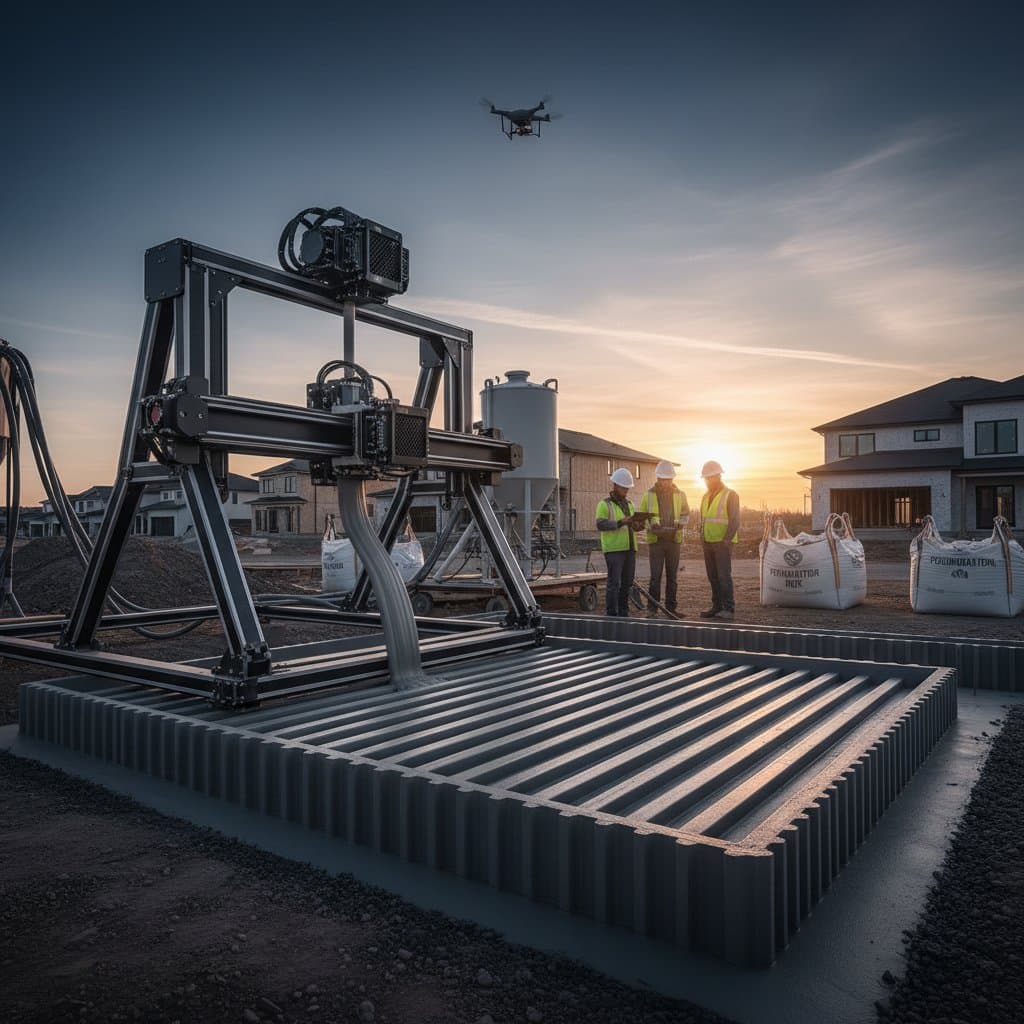
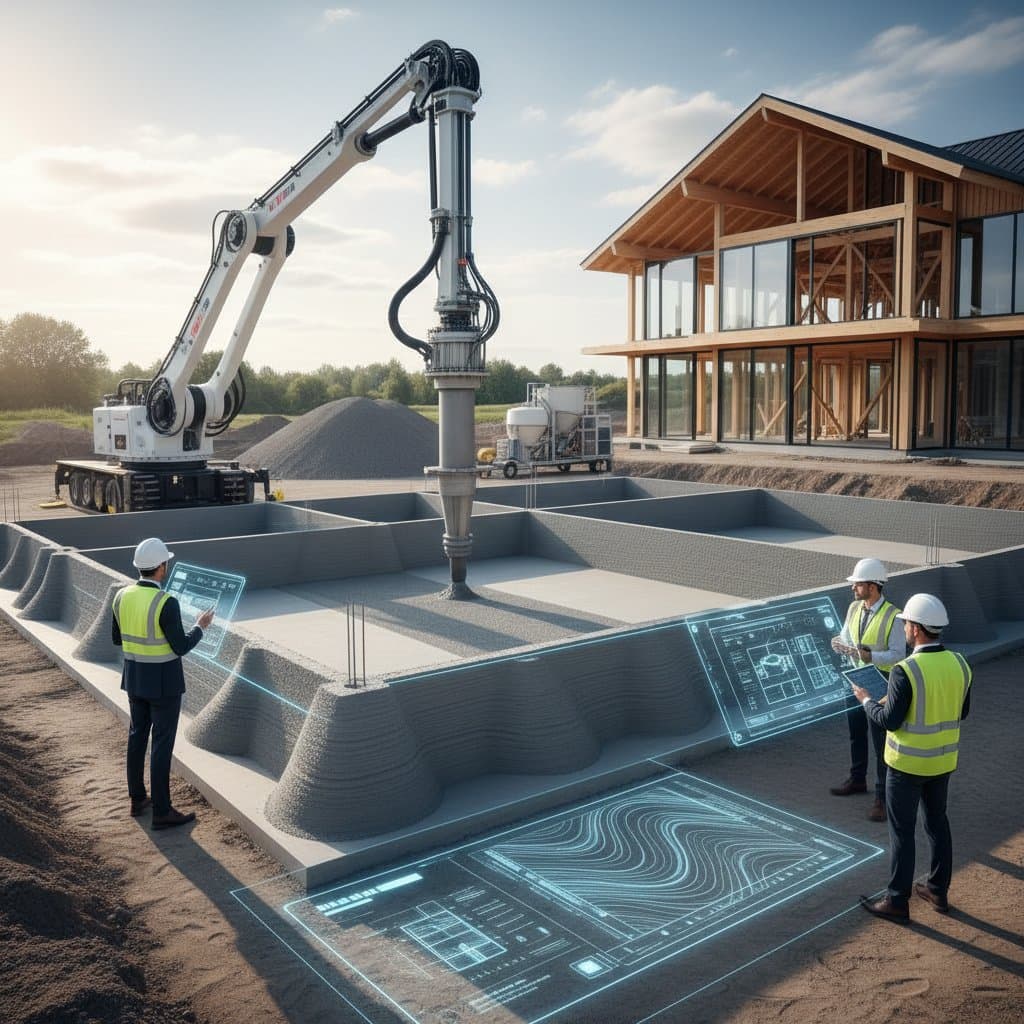
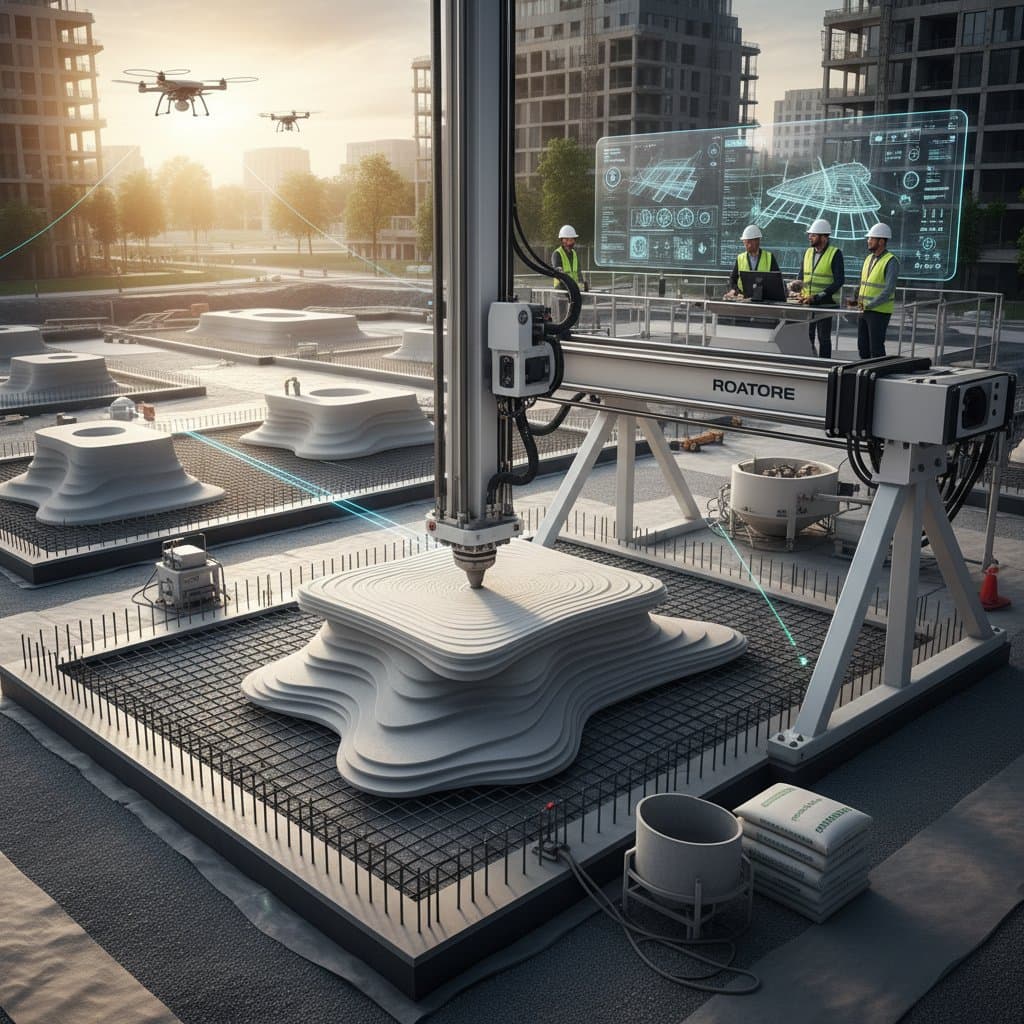
3D printing revolutionizes foundation construction by reducing build times by up to 60 percent, while improving precision, sustainability, and cost savings. This detailed guide examines necessary equipment, materials, and regulatory requirements, along with a step-by-step process, troubleshooting advice, and maintenance strategies to assist builders in determining if this advanced method suits their upcoming projects.

5 min read
Featured image for 3D Printed Foundations: Speed vs Structural Reality

3D Printed Foundations: Speed vs Structural Reality

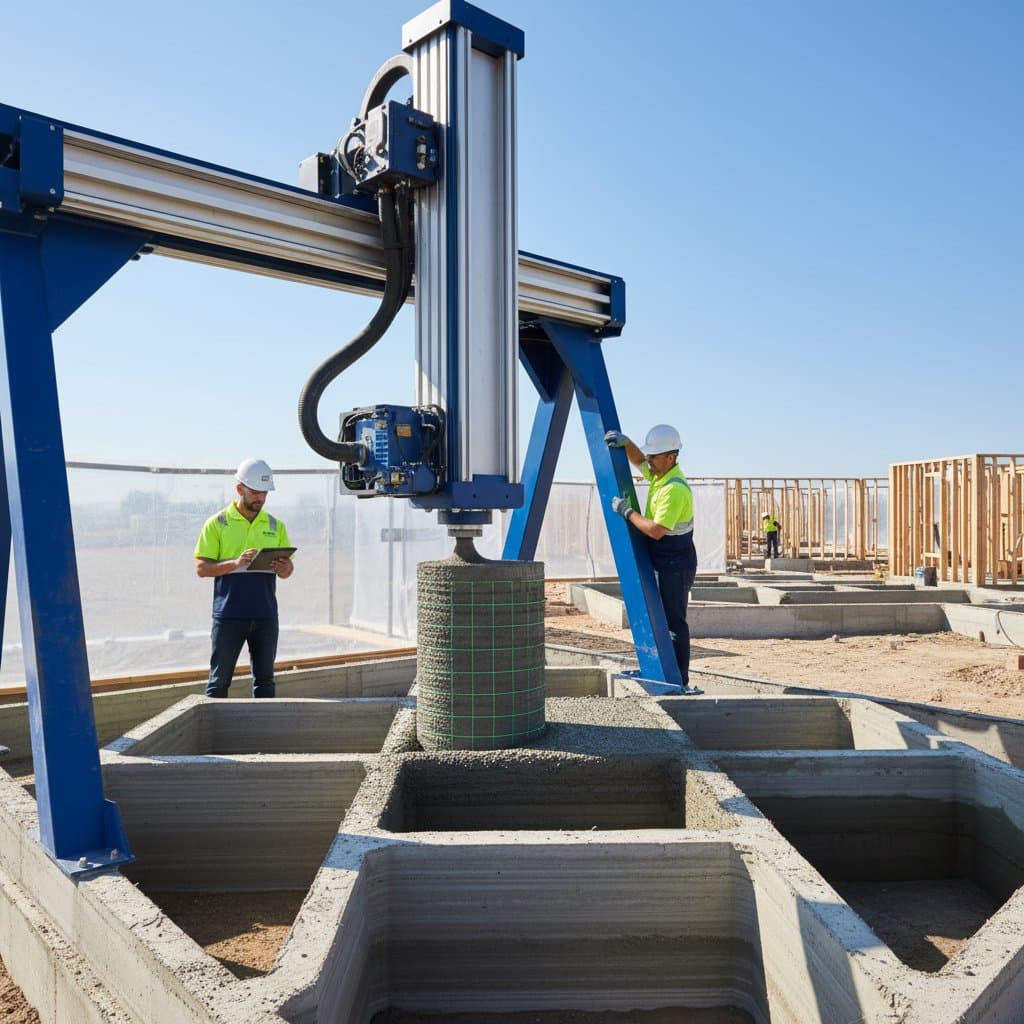
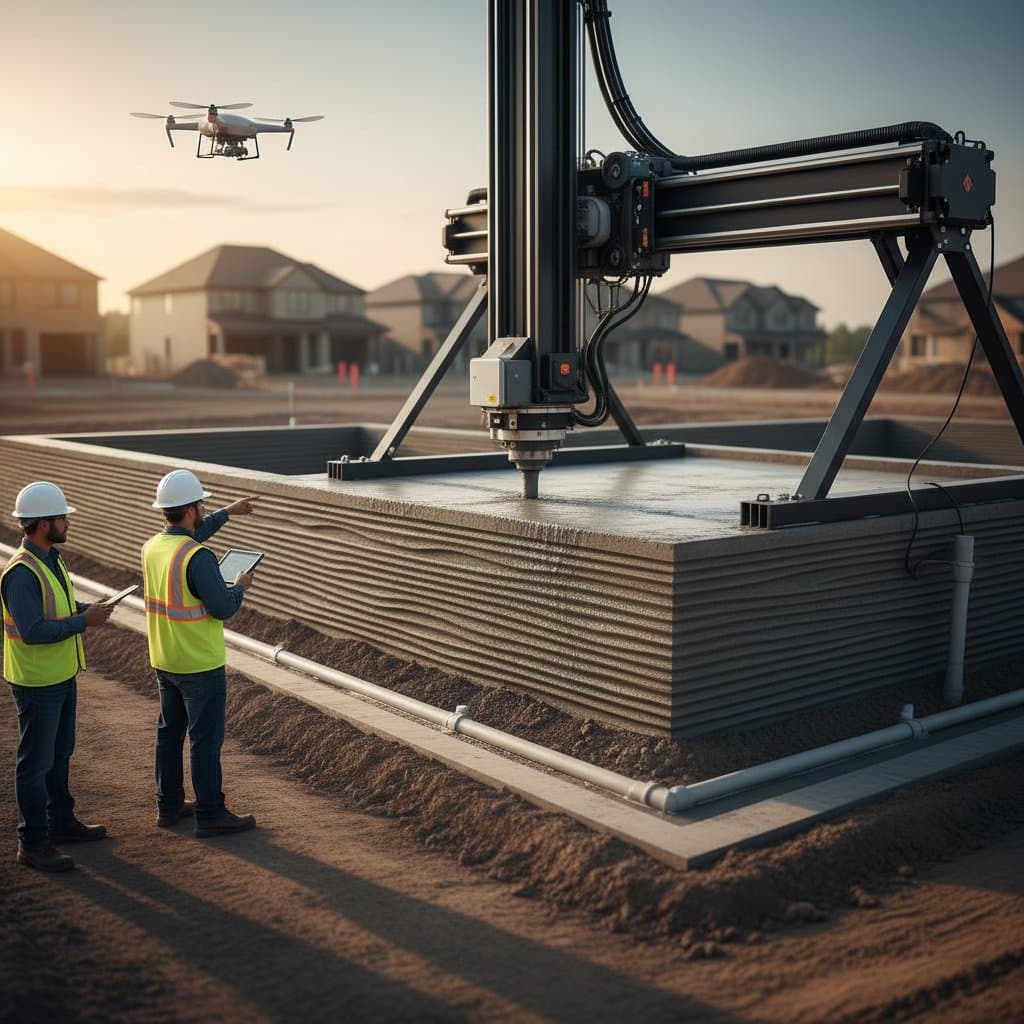
3D-printed concrete foundations promise speed and precision, completing in just 48 hours—but success depends on rigorous inspection, moisture control, and calibration. This guide reveals how to spot red flags early, manage costs, and coordinate teams so rapid construction doesn’t compromise structural integrity, durability, or long-term performance.

8 min read
Featured image for Why 3D-Printed Foundations Cut Build Time by 60%

Why 3D-Printed Foundations Cut Build Time by 60%

3D-printed foundations transform construction practices by substituting labor-intensive concrete pours with precise robotic printing. Robotic systems and specialized fast-setting concrete enable simultaneous form creation and base building, achieving 60 percent time savings, decreased material waste, and reduced overall expenses. Understand the role of digital precision, uninterrupted operations, and advanced materials in enhancing the pace and reliability of contemporary construction.

6 min read
Featured image for 3D-Printed Foundations Cut Build Time 60% by 2026

3D-Printed Foundations Cut Build Time 60% by 2026

By 2026, 3D-printed foundations will accelerate construction by up to 60 percent compared to traditional methods, lowering costs and enhancing accuracy. Effective outcomes require thorough soil preparation, proper drainage, and seamless collaboration among experts. Although the technology offers remarkable speed and efficiency, challenges like inadequate curing or imprecise calibration can undermine benefits. This guide details advantages, potential pitfalls, expenses, and proven practices for durable results.

6 min read
Featured image for 3D Printed Concrete Homes Coming in Two Years

3D Printed Concrete Homes Coming in Two Years

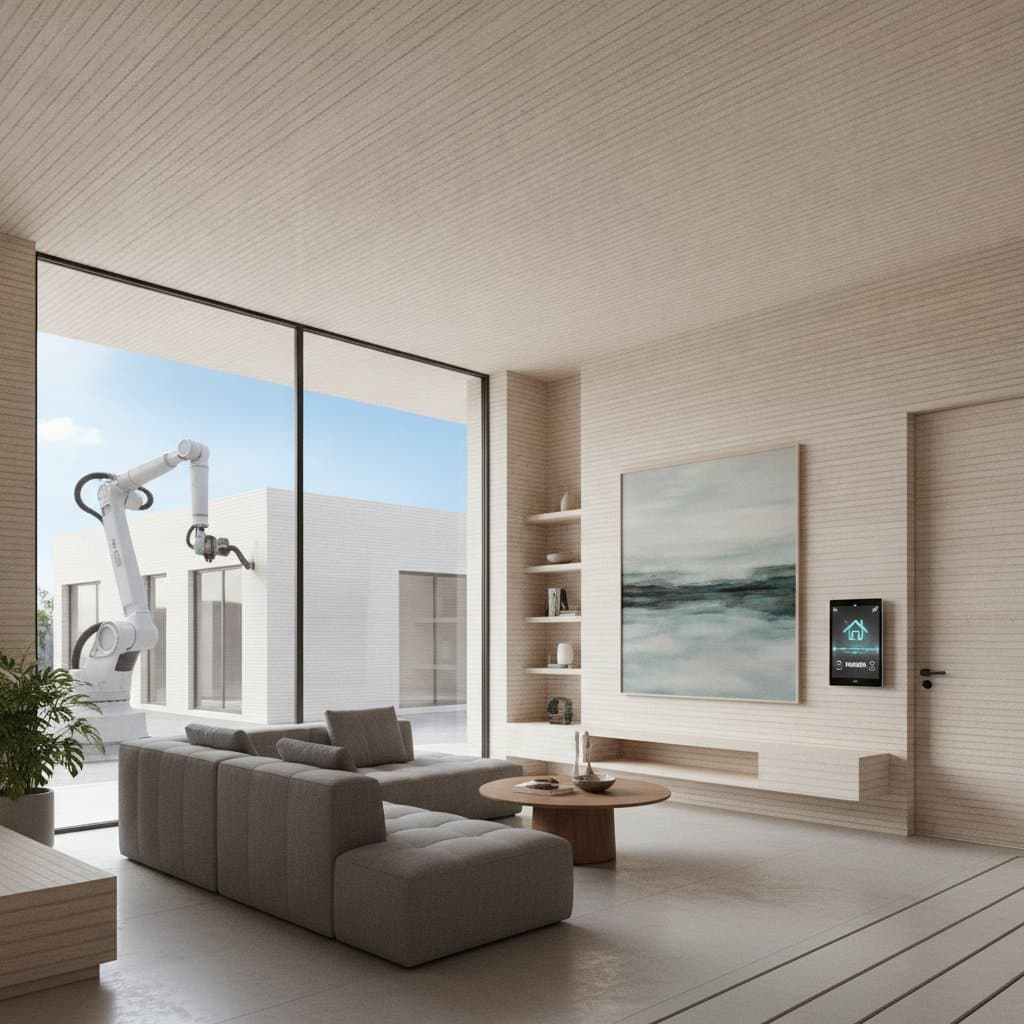
3D printed concrete reshapes residential construction through automated layering of cement, enabling homes to rise in days rather than weeks. This method cuts expenses, minimizes waste, and enhances sustainability. As technology advances, expect widespread adoption of durable, affordable housing by 2026, reshaping global communities.

7 min read
Featured image for 3D Concrete Printing: Speed vs Hidden Lifecycle Costs

3D Concrete Printing: Speed vs Hidden Lifecycle Costs

3D concrete printing offers rapid, efficient, and waste-minimizing home construction, yet its viability relies on meticulous planning. Key factors include soil analysis, drainage systems, regulatory adherence, and proper curing processes. While initial expenses involve equipment and finishing, long-term durability depends on ongoing maintenance. When executed properly, this technology can transform sustainable building practices.

7 min read
Featured image for 3D Printed Foundations Cut Costs in Half: What to Check First

3D Printed Foundations Cut Costs in Half: What to Check First

3D printed foundations offer remarkable efficiency, potentially cutting costs in half and doubling build speeds through precise, waste-minimizing techniques. However, achieving these benefits requires meticulous site preparation, thorough soil analysis, and a structured approach to integration. This guide provides practical steps to merge innovative printing with time-tested construction principles, ensuring foundations that stand strong, meet codes, and deliver long-term value.

7 min read
Featured image for 3D-Printed Homes Cut Build Time 70% with Robotic Concrete

3D-Printed Homes Cut Build Time 70% with Robotic Concrete

3D-printed homes transform the building industry by reducing construction durations by 70% via robotic concrete deposition. These automated processes ensure accuracy, longevity, and efficiency, despite hurdles in regulations, expenses, and aesthetics. Strategic oversight and expert involvement position these homes as viable, eco-friendly solutions for tomorrow's living spaces.

5 min read
Featured image for 3D Printing Cuts Foundation Time by 70 Percent

3D Printing Cuts Foundation Time by 70 Percent

3D printed foundations revolutionize construction by slashing build times by up to 70 percent. Automated systems deliver precision layering with sustainable concrete mixes, resulting in stronger structures built faster and with less environmental impact. This guide details site preparation, material selection, printing steps, and finishing techniques to help you implement this innovative approach.

6 min read
Featured image for 3D Printed Concrete Cuts Housing Costs and Build Time

3D Printed Concrete Cuts Housing Costs and Build Time

3D printed concrete transforms residential construction by automating the process with precision and efficiency. This method layers specialized concrete mixtures based on digital blueprints, which reduces expenses, minimizes waste, and shortens project durations. Builders achieve cost-effective, long-lasting, and personalized homes that combine cutting-edge technology with practical accessibility.

6 min read
Featured image for Why 3D-Printed Concrete Homes Cost 60% Less in 2025

Why 3D-Printed Concrete Homes Cost 60% Less in 2025

In 2025, 3D-printed concrete homes reduce construction costs by 60 percent through advanced automation, precise material use, and streamlined processes. Shells emerge in days rather than months, waste drops significantly, and labor demands decrease sharply. This innovation delivers robust, eco-friendly residences that adhere to rigorous building codes and reshape global housing practices.

6 min read
Featured image for Why 3D-Printed Homes Cut Concrete Costs 30%

Why 3D-Printed Homes Cut Concrete Costs 30%

3D-printed homes innovate construction by reducing concrete costs up to 30% through exact digital layering, slashed waste, and automated processes. Printers forgo formwork, accelerate timelines, and employ efficient mixes for durability. Learn how this advances housing affordability, eco-friendliness, and creative possibilities.

6 min read
Featured image for 3D-Printed Homes Built in 48 Hours for $150/Sq Ft

3D-Printed Homes Built in 48 Hours for $150/Sq Ft

In 2025, 3D-printed concrete homes deliver rapid construction, reduced waste, and enhanced durability. This comprehensive guide covers essential costs, planning strategies, material choices, permitting requirements, and the integration of digital design with robotic printing to build sustainable, customizable residences in less than 48 hours. Discover key considerations to guide your decision toward printing the ideal home.

6 min read
Featured image for 3D-Printed Homes Built in Days, Not Months

3D-Printed Homes Built in Days, Not Months

3D-printed concrete changes home construction by allowing durable, customizable houses to rise in days rather than months. Robotic systems deliver precision while using sustainable materials to cut waste, labor needs, and expenses. Through careful planning, calibration, and expert input, this method delivers quicker, more eco-friendly, and affordable homes by 2025.

6 min read