
Quick Overview
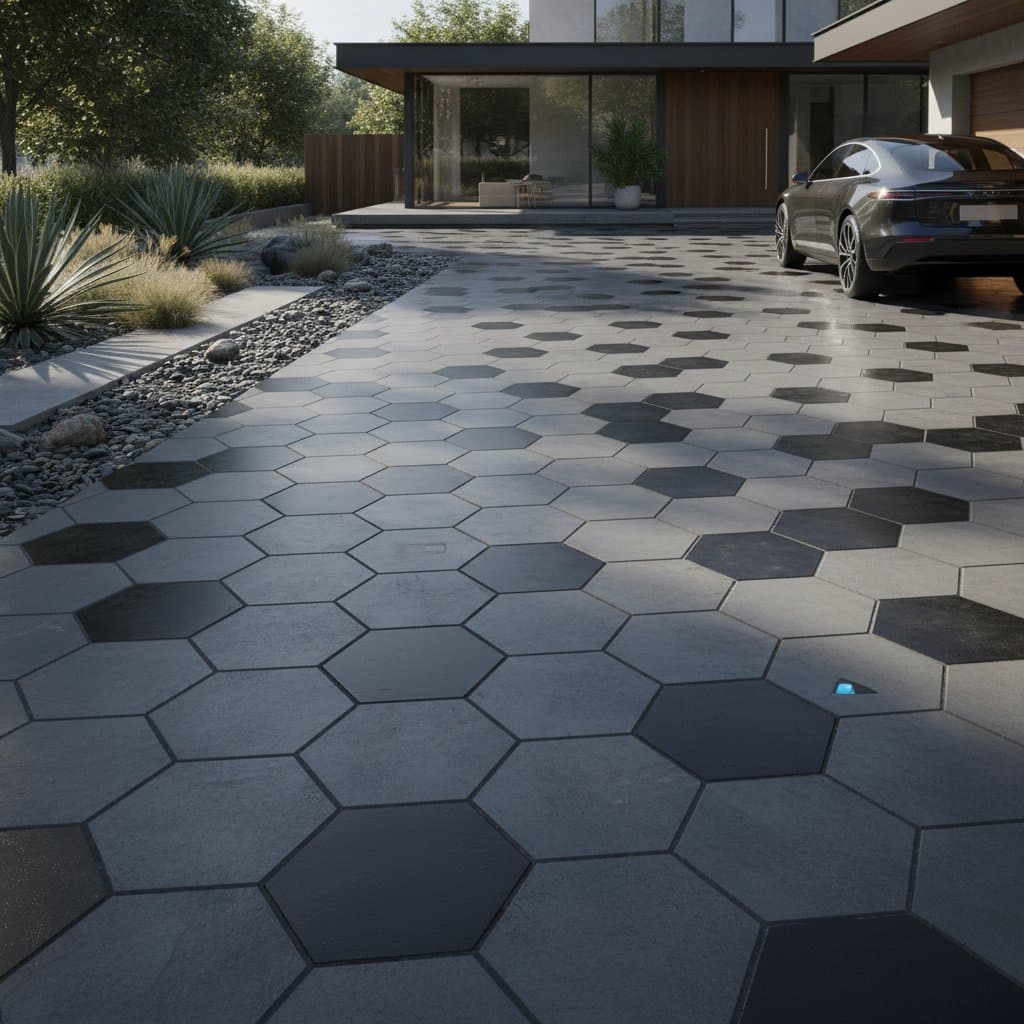
Solar pavers integrate photovoltaic cells into robust concrete units, transforming driveways and walkways into functional power generators. These units mimic the appearance of traditional stone or brick while capturing sunlight to supply electricity directly to the home. Although initial costs exceed those of standard concrete installations, the investment yields returns through lower utility bills and a reduced environmental impact. Key challenges include preventing moisture infiltration, ensuring secure wiring, and achieving level placement to avoid structural failures or diminished energy output.
Site Evaluation Essentials
Conduct initial assessments on-site to determine project viability before engaging professionals. Homeowners can perform these straightforward inspections to identify potential obstacles early.
- Evaluate the driveway's slope to ensure it directs water away from the house foundation. Accumulated water accelerates deterioration in both the concrete structure and embedded electronics.
- Observe shade patterns from morning through evening. Overhanging trees, chimneys, or adjacent buildings can significantly reduce sunlight exposure and energy production.
- Identify existing conduit routes from the garage or utility area to the electrical panel. An unobstructed path streamlines the connection process.
- Test the current pavement by tapping it with a hammer. Hollow sounds or spalled sections indicate unstable subgrade that requires remediation prior to solar paver placement.
- Inspect drainage around the driveway apron and street connection. Inadequate runoff risks submerging wiring channels or junction boxes during heavy rains.
- Probe soil conditions along the edges. Unstable fill material or encroaching tree roots may cause shifting that damages underground cabling over time.
These preliminary steps highlight whether the site demands grading adjustments, trenching, or foundational reinforcements before proceeding with photovoltaic integration.
Warning Signs to Watch For
Specific site conditions can escalate expenses and complicate the project significantly.
- Active cracks in the foundation that widen or shift due to seasonal moisture fluctuations.
- Persistent water pooling adjacent to the garage entry.
- Intrusive tree roots beneath the existing slab.
- An electrical system operating at or near full capacity, leaving no margin for new circuits.
- Evidence of uneven settling or frost-induced heaving in the driveway.
- Insufficient direct sunlight for the majority of daylight hours.
- Reliance on unproven products lacking local service networks or available spare parts.
When multiple indicators appear, halt planning and address underlying infrastructure stability first to mitigate future complications.
Common Remedies and Estimated Expenses
Standard concrete driveways typically cost a few dollars per square foot. Solar pavers command prices four to seven times higher, influenced by manufacturer, photovoltaic efficiency, and integration complexity. Additional expenses arise from wiring, inverters, and control systems. Labor rates increase because each paver requires precise, sealed electrical connections.
Preparation tasks frequently encompass:
- Excavation and subgrade compaction, comparable to conventional driveway work.
- Trenching for conduits from the driveway to the main electrical panel, ranging from several hundred to thousands of dollars based on run length.
- Installation of waterproof junction boxes and control components, adding a few hundred dollars.
- Optional battery storage for enhanced energy independence during outages.
Avoid cost-cutting measures such as mounting panels atop aging concrete, which conceal drainage problems and promote water trapping that leads to freeze-thaw damage. Projects often expand unexpectedly due to unforeseen electrical upgrades or site grading needs. Verify panel capacity and local permitting early to prevent delays.
Options for Existing Surfaces: Repair or Full Replacement
For installed solar paver systems, repairs typically involve swapping out individual units or resealing joints to restore integrity. If moisture penetrates the wiring or the module's backplane separates, full replacement proves more reliable. Internal corrosion in sealed units progresses rapidly once initiated.
On conventional driveways, opt for replacement when cracks penetrate the full slab depth or drainage directs toward the structure. Stable surfaces may benefit from overlay techniques or targeted solar sections. Many homeowners initiate with a limited area, such as the garage-adjacent zone or parking pad, to test performance before a complete overhaul.
Assembling the Project Team and Timeline
A structured approach minimizes costs and avoids setbacks. Engage an electrical contractor experienced in residential solar and exterior wiring first. Follow with a concrete expert skilled in structural pavers that support vehicle loads. For driveways interfacing with public areas, consult a civil engineer to validate grading and drainage adherence to regulations.
Incorporate an architect or designer to optimize conduit paths and enclosure placements, balancing accessibility with aesthetics. The general contractor oversees excavation, concrete work, and paver assembly. Professional oversight increases the budget by ten to twenty percent yet averts costly corrections from coordination lapses.
Streamline vendor selection through concurrent evaluations rather than sequential hires. Review references, scrutinize itemized bids, and confirm insurance coverage prior to any payments. Select providers offering warranties for module swaps and performance monitoring.
Strategic Focus Areas
Prioritize elements that deliver the greatest long-term value.
- Establish proper grading and drainage to safeguard the entire installation.
- Lay conduits and route wiring ahead of paver placement.
- Integrate a monitoring setup to log energy production and flag underperforming units.
- Select snow removal techniques that preserve surface integrity without scratching or displacing components.
- Apply a durable sealer to minimize stains and simplify routine cleaning.
Defer lower-impact features like custom color blends, expansive layouts exceeding practical needs, or integrated lighting that hinders upkeep. Maintain a straightforward design to promote enduring functionality.
Planning the Budget and Installation Sequence
Follow a methodical progression to optimize efficiency.
- Resolve water management and soil stability concerns upfront.
- Assess and plan electrical capacity along with wiring paths.
- Prepare and compact the subgrade to resist frost upheaval.
- Position conduits, junction boxes, and drainage lines.
- Place solar pavers with accurate alignment and joint sealing.
- Conduct thorough performance evaluations prior to finalizing seals or permitting vehicle access.
This order reduces the need for revisions and shields electrical elements from damage. Refrain from setting photovoltaic units until slope and compaction are confirmed. Investing in a solid foundation outweighs the expense of subsequent fixes.
Safeguarding Long-Term Performance
Post-installation care treats the system as a high-precision asset. Maintain cleanliness with gentle methods, such as soft-bristled brooms or low-pressure water rinses, to clear debris without aggressive chemicals. After winter freeze-thaw events, examine joints for separations or raised edges. Regularly review inverter and monitoring data to verify output aligns with expectations. Address dips in production by inspecting for new shading or accumulations before diagnosing wiring issues. Consistent vigilance ensures sustained energy benefits and structural durability.