
Key Decisions Before Installation
Assess local sunlight availability, driveway slope for drainage, and grid connection options prior to installation. These factors influence system efficiency and regulatory compliance. Professional consultation ensures alignment with site conditions and long-term performance.
How Solar Pavers Function
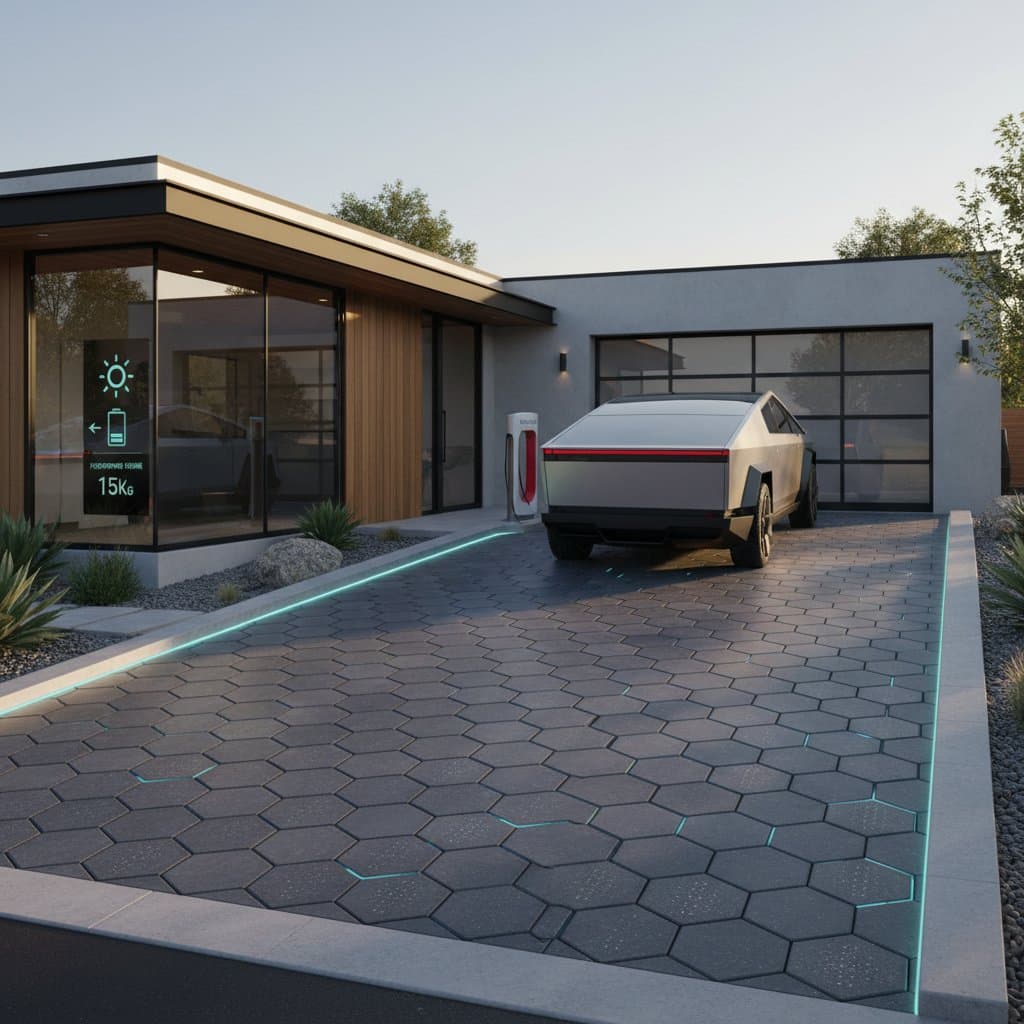
Solar pavers integrate photovoltaic cells into robust paver materials such as tempered glass, concrete, or composite resin. Built-in wiring channels link to an inverter that transforms sunlight into electricity suitable for household use. This design allows driveways to generate power while supporting daily traffic.
Two primary system types exist:
- Integrated solar pavers: Photovoltaic elements embed directly into the paver surface for a uniform appearance and enhanced longevity.
- Overlay systems: Traditional pavers receive solar panels or tiles on top, permitting individual replacements for damaged components.
These pavers withstand vehicular pressure up to 8,000 PSI, ideal for driveways and parking zones. Textured surfaces prevent slips, and integrated LED lights provide illumination during low-light conditions.
Planning and Permit Essentials
Determine if local authorities view solar pavers as renewable energy setups or structural hardscaping. Certain regions mandate electrical permits alongside building approvals. Review utility policies on net metering to understand grid ties and credits for surplus power.
Conducting a Site Assessment
Engage a specialist for a thorough evaluation that encompasses:
- Sun exposure analysis: Map potential shade from trees, structures, or neighboring properties.
- Drainage evaluation: Verify that water flows away from electrical connections to avoid pooling.
- Soil testing: Address clay-heavy soils with extra compaction or stabilizing materials.
- Conduit planning: Map the most direct, secure path to the home's electrical panel.
Driveways exceeding a 5-degree incline benefit from slope modifications or added drainage features. These adjustments promote uniform solar capture and safeguard against erosion.
Essential Materials and Tools
Select solar pavers with a minimum output of 250 W/m² and certifications for load-bearing outdoor applications. Prepare a 4- to 6-inch base of compacted crushed stone for foundational support. Include a 1-inch sand bedding layer for precise leveling.
Additional items include:
- An inverter to shift DC to AC power.
- Protective electrical conduits against environmental hazards.
- Sealants and joint fillers to block moisture and secure alignment.
- Safety equipment such as gloves, protective eyewear, and insulated implements for electrical tasks.
Site Preparation Steps
Excavation and Grading
Clear away current surfaces and dig to accommodate base layers plus paver thickness. Establish a 1 to 2 percent slope to facilitate water drainage.
Base Compaction
Distribute crushed stone in 2-inch increments, then compact each with a plate compactor. This method distributes weight evenly and minimizes future shifts.
Conduit and Junction Installation
Position waterproof conduits in sub-base trenches, directing them to the inverter site. Clearly indicate paths before burying to simplify future access.
Bedding Layer Application
Evenly apply a 1-inch layer of coarse sand atop the base. Refrain from excessive compaction to allow pavers to settle naturally.
Step-by-Step Paver Installation
Laying and Wiring
Place pavers according to the planned layout, attaching wiring as installation advances. Confirm that all connections seal tightly and orient correctly.
Alignment Verification
Employ a straightedge and level to maintain uniform joints and overall slope. Adjustments at this stage prevent operational issues.
Joint Filling
Introduce polymeric sand or fine gravel into gaps, then apply light compaction to stabilize the assembly.
Electrical Hookup
Hire a certified electrician to link the array to the inverter and grid. Test voltage and resistance prior to energizing the system.
Testing for Optimal Performance
Observe operations for 48 hours in peak sunlight. Utilize inverter apps or software to validate output against projected figures. Examine joints for moisture entry or subsidence, addressing discrepancies promptly.
Resolving Typical Challenges
- Reduced output: Wash surfaces with mild soap and water to eliminate contaminants like dirt or residues.
- Water accumulation: Adjust low spots and reinforce joint barriers.
- LED malfunctions or wiring errors: Examine boxes for dampness; swap out compromised seals without delay.
- Damaged pavers: Extract and replace units with manufacturer tools, then restore electrical links meticulously.
Ongoing Maintenance Practices
Routine care involves quarterly rinsing to clear dust and debris. Conduct biannual checks on electrical components for signs of deterioration. Systems retain 90 percent efficiency over 20 years with diligent attention. Steer clear of de-icing salts, which harm seals and impair solar transparency.
Adapting to Winter and Regional Climates
In cold regions, opt for pavers with thermal-resistant materials to endure freeze-thaw cycles. Install snow-melting features tied to the system for safer winter access. In humid or coastal areas, prioritize corrosion-resistant wiring and enhanced sealing to combat salt air exposure.
Weighing DIY Against Professional Help
Experienced individuals manage excavation, basing, and paver setting to cut labor expenses by 35 percent. Electrical connections, regulatory adherence, and inverter configuration require licensed professionals. Errors here risk warranty invalidation and electrical dangers.
Steps to Launch Your Solar Driveway
Solar pavers fuse eco-innovation with practical paving, elevating driveways to energy-producing features. Proper execution yields bill reductions, value appreciation, and progressive energy habits. Start with sunlight audits, regulatory reviews, and expert guidance to realize these advantages.