
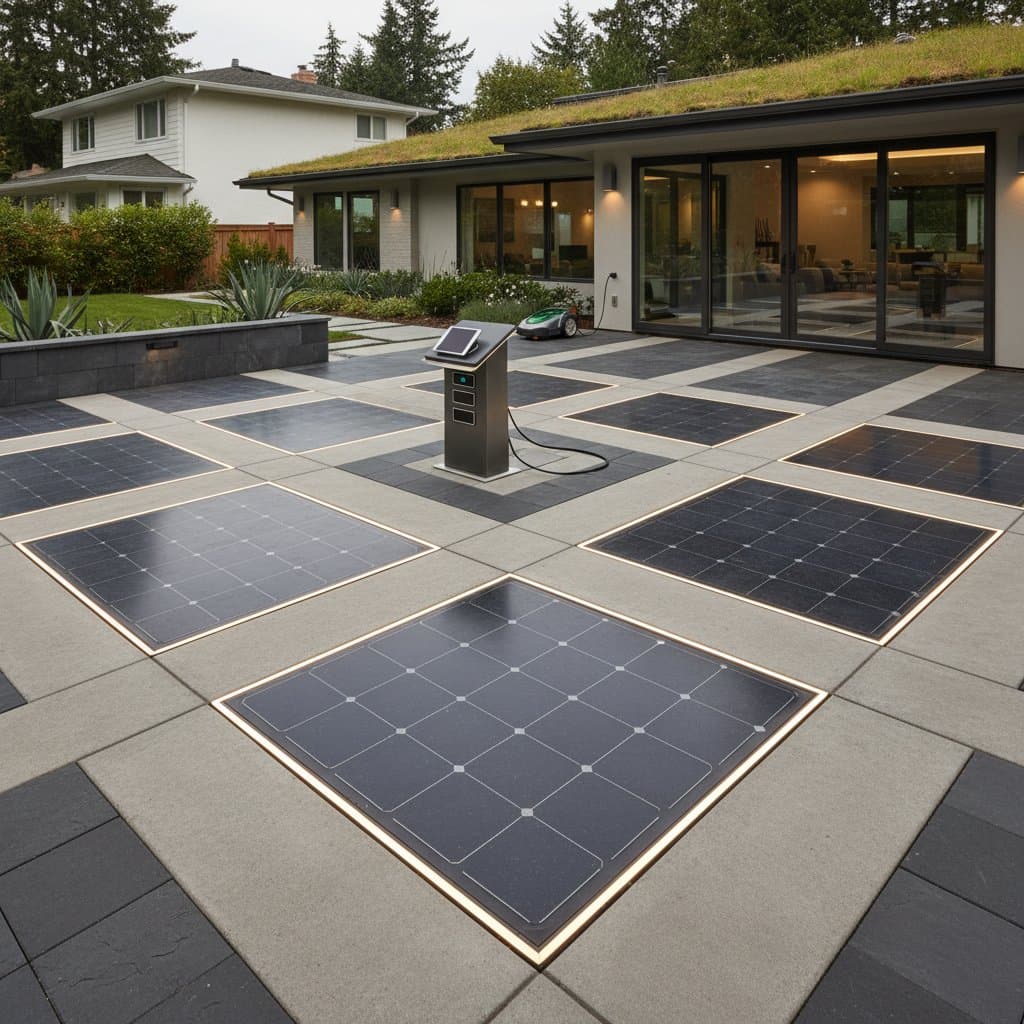
Solar Pavers: Integrating Hardscaping and Renewable Energy
Solar pavers represent an innovative fusion of traditional landscaping and modern renewable energy solutions. These durable tiles capture sunlight to generate electricity, powering outdoor features such as lighting and small devices. Homeowners gain both aesthetic appeal and functional sustainability in their outdoor spaces.
This approach allows for seamless integration into patios, walkways, and driveways. By replacing conventional pavers, individuals create energy-generating surfaces that reduce reliance on grid power. The result is a yard that contributes to environmental goals while enhancing daily usability.
Understanding Solar Pavers
Solar pavers consist of photovoltaic cells embedded within robust, weather-resistant materials like concrete or porcelain. Each paver functions as a mini solar panel, converting sunlight into usable electricity through an integrated system of wiring and batteries. Manufacturers design these units to withstand foot traffic, varying climates, and heavy loads, ensuring longevity in high-use areas.
The technology draws from advancements in solar panel efficiency, adapted for ground-level applications. Outputs typically range from 10 to 50 watts per paver, depending on size and sunlight exposure. Systems connect multiple pavers to a central controller that manages energy distribution and storage.
Key components include the solar cell layer, a protective top surface, and underside conduits for cables. Installation requires compatibility with existing drainage and sub-base structures. This setup positions solar pavers as a practical upgrade for any paved outdoor area.
Design Choices for Your Outdoor Space
Selecting the right solar pavers involves considering aesthetics, functionality, and site-specific factors. Options vary in color, texture, and size to match existing hardscapes, from sleek gray concrete mimicking stone to vibrant tiles for modern designs. Prioritize slip-resistant surfaces for safety in wet conditions.
Layout planning determines energy yield and visual flow. Arrange pavers in grids or patterns that maximize sun exposure, avoiding shaded spots under trees or overhangs. Integrate them with non-solar pavers for cost efficiency, dedicating high-traffic zones to standard materials.
Customization extends to system capacity. Calculate needs based on intended uses, such as illuminating pathways or charging garden tools. Consult layout diagrams to ensure even energy distribution across the installation.
Aesthetic Integration Tips
- Choose pavers with neutral tones to blend with natural surroundings.
- Experiment with modular designs for curved walkways or irregular patios.
- Pair with low-voltage lighting fixtures that connect directly to the paver system.
These choices elevate the overall landscape while optimizing performance.
Step-by-Step Installation Guide
Proper installation ensures optimal performance and durability. Begin by assessing the site: measure the area, evaluate soil stability, and check for underground utilities. Obtain necessary permits if local regulations require them for electrical work.
Prepare the base layer with gravel and sand for drainage and level support. Excavate to a depth of four to six inches, compact the sub-base, and install edging to secure the pavers. This foundation prevents shifting and water pooling over time.
Place the pavers according to your design plan. Connect wiring between units using provided junctions, routing cables to a central inverter or battery bank. Secure all connections with waterproof seals to protect against moisture.
Detailed Installation Steps
- Mark the installation area and clear debris from the surface.
- Dig and level the trench, adding a two-inch layer of sand for fine adjustments.
- Lay the first row of pavers, tapping them into place with a rubber mallet.
- Interconnect solar components, testing voltage at each step with a multimeter.
- Fill joints with polymeric sand to lock the layout and enhance stability.
- Integrate the system with home power or standalone batteries, following manufacturer specifications.
Final testing involves exposing the setup to sunlight and verifying output. Professional assistance benefits complex projects involving grid tie-ins.
Safety Essentials for DIY Installation
Safety forms the cornerstone of any solar paver project. Wear protective gear including gloves, safety glasses, and sturdy footwear to guard against sharp edges and heavy lifting. Work in well-lit conditions and avoid installing during inclement weather.
Electrical precautions prevent hazards. Disconnect power sources before handling wires, and use insulated tools to avoid shocks. Ground the system properly to mitigate risks from faults or surges.
Structural integrity demands attention to load-bearing capacity. Ensure the sub-base supports vehicle weight if installing in driveways. Regularly inspect for cracks or loose connections post-installation to maintain safe operation.
Common Safety Checks
- Verify paver ratings for pedestrian and vehicular traffic.
- Install ground fault circuit interrupters for all electrical components.
- Educate household members on avoiding exposed wires during setup.
Adhering to these measures minimizes accidents and extends system lifespan.
Maximizing Benefits and Long-Term Maintenance
Solar pavers deliver ongoing value through energy savings and environmental impact. They power LED lights for evening ambiance, reducing electricity bills by up to 20 percent in sunny regions. Excess energy charges batteries for nighttime or cloudy day use.
Maintenance involves simple routines. Sweep surfaces regularly to remove debris that blocks sunlight. Clean photovoltaic areas with mild soap and water annually, avoiding abrasive materials that could scratch the surface.
Monitor system performance via built-in indicators or apps if available. Replace batteries every five to seven years and inspect wiring for wear. These practices sustain efficiency and reliability over decades.
Investing in solar pavers transforms ordinary yards into efficient, eco-conscious havens. Homeowners enjoy enhanced property value alongside practical energy independence. Start planning your project to step into a brighter, greener future.