
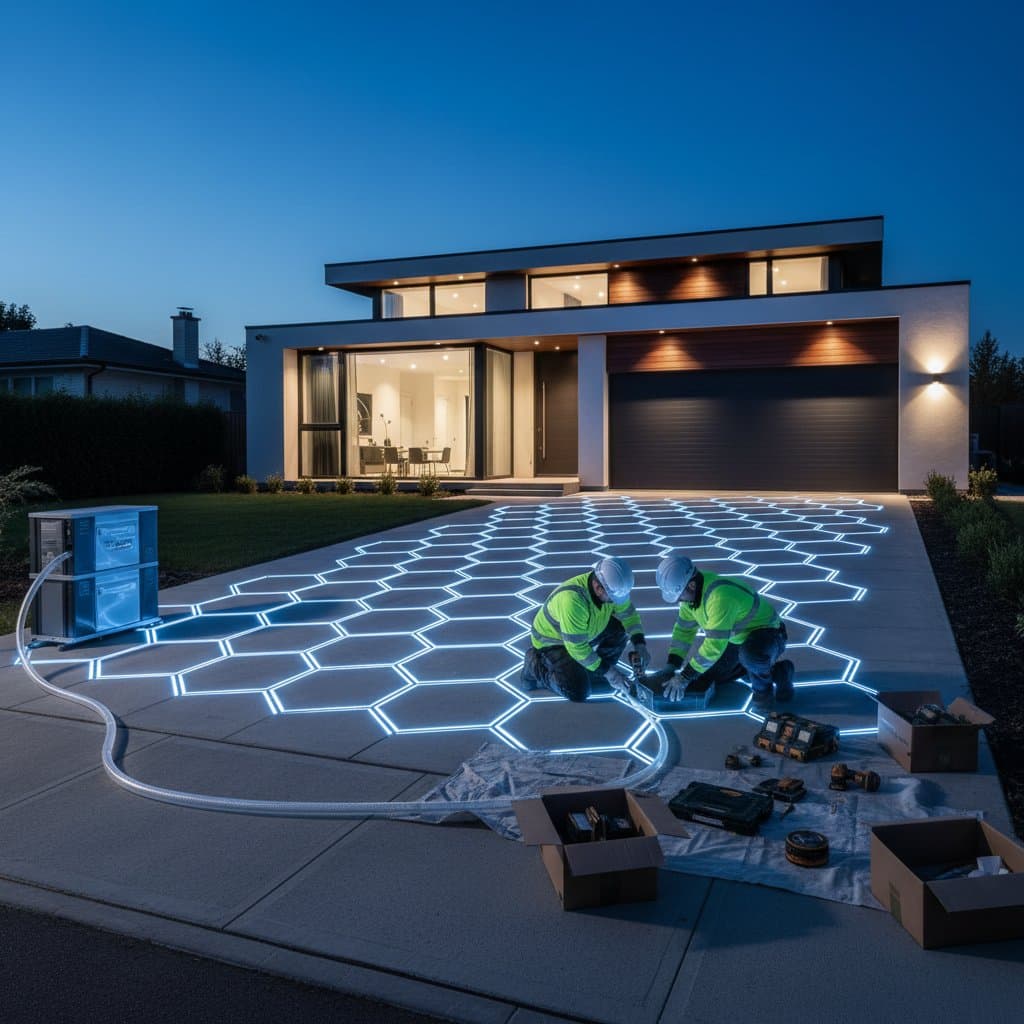
Introduction to Solar Pavers
Solar pavers represent an innovative fusion of renewable energy and functional landscaping. These specialized tiles embed photovoltaic cells within durable surfaces, capturing sunlight to power embedded LED lights. Homeowners and property managers increasingly adopt them to create illuminated walkways, driveways, and patios without relying on traditional grid electricity.
The appeal lies in their dual role: they serve as stable paving materials while generating clean power. Constructed from high-strength concrete, porcelain, or composite materials, solar pavers withstand heavy foot traffic and vehicular loads. Their integration of technology allows for customizable lighting patterns, from subtle glows to brighter beams, enhancing nighttime visibility and curb appeal.
Beyond aesthetics, solar pavers contribute to environmental goals by reducing reliance on fossil fuels. Each installation offsets a portion of household energy use, potentially lowering utility bills over time. As solar technology advances, these pavers become more efficient, making them a forward-thinking choice for modern outdoor spaces.
Key Benefits of Solar Pavers
One primary advantage of solar pavers involves energy independence. By converting sunlight directly into electricity for lighting, they eliminate the need for external wiring or power sources. This setup minimizes installation complexities and avoids ongoing electricity costs associated with conventional outdoor lights.
Safety improvements stand out as another benefit. Well-lit pathways reduce tripping hazards and deter intruders, providing peace of mind for families. The consistent glow from LEDs ensures even illumination without dark spots, particularly useful in larger areas like driveways.
From a design perspective, solar pavers offer versatility. Available in various sizes, colors, and textures, they blend seamlessly with existing landscapes. Some models include smart controls for dimming or motion activation, adding convenience and modernity to any property.
Sustainability forms the core of their value. Solar pavers promote eco-friendly practices by harnessing renewable resources. Over their lifespan, which often exceeds 20 years, they prevent thousands of kilowatt-hours of grid energy consumption, supporting broader efforts to combat climate change.
Understanding Costs and Budgeting
Initial costs for solar pavers vary based on material quality, size, and features. Basic models start at around 50 dollars per square foot, including the solar cell and LED components. Premium options with advanced controls or higher luminosity can reach 100 dollars per square foot or more.
For a standard 200-square-foot driveway, expect total expenses between 10,000 and 20,000 dollars. This figure encompasses materials, base preparation, and labor if applicable. Factors such as site accessibility and soil conditions influence the final price.
Long-term savings offset the upfront investment. With no electricity bills for lighting, payback periods typically range from 5 to 8 years, depending on sunlight exposure and usage. Additionally, potential incentives like tax credits for renewable energy installations can further reduce net costs.
When budgeting, consider ancillary expenses. These include underlayment materials for stability and optional accessories like timers or sensors. Consulting local suppliers helps identify bulk discounts or financing options tailored to residential projects.
Design and Planning Considerations
Effective design begins with assessing your space. Measure the area precisely and evaluate sunlight patterns throughout the day. South-facing orientations maximize energy capture, while shaded zones may require alternative solutions or fewer pavers.
Select pavers that match your aesthetic vision. Neutral tones suit minimalist designs, whereas textured surfaces add character to rustic settings. Ensure compatibility with existing drainage systems to prevent water pooling, which could damage components.
Integration with smart home systems enhances functionality. Many solar pavers connect via apps for remote monitoring and adjustments. Plan for scalability, allowing future expansions without disrupting current layouts.
Professional consultations prove valuable during planning. Landscape architects can optimize layouts for both beauty and efficiency. They also advise on permits, especially in areas with strict building codes for outdoor electrical features.
Installation Process
Proper installation ensures longevity and performance. Start with site preparation: clear debris, level the ground, and install a compacted gravel base at least 4 inches deep. This foundation supports weight and facilitates drainage.
Lay the pavers in a staggered pattern, similar to traditional paving. Secure them with sand or polymeric joint fillers to prevent shifting. Connect solar modules using provided wiring kits, ensuring waterproof seals at junctions.
Test the system post-installation. Expose pavers to sunlight and verify LED activation at dusk. Adjust orientations if needed to optimize charging. Full operation typically begins after 24 hours of direct exposure.
DIY or Professional Installation
Individuals with construction experience may tackle smaller projects, such as garden paths under 100 square feet. This approach saves 25 to 35 percent on labor, but requires tools like levels, tampers, and multimeters. Follow manufacturer guidelines meticulously to avoid voiding warranties.
Larger installations, particularly driveways, demand professional expertise. Contractors handle electrical integrations, load-bearing assessments, and compliance with local regulations. Their involvement prevents costly errors and ensures structural integrity over decades.
Troubleshooting Common Issues
Even reliable systems encounter occasional problems. Addressing them promptly maintains efficiency and extends lifespan.
| Problem | Likely Cause | Recommended Action |
|---|---|---|
| Dim or flickering lights | Dirty solar panels or weak battery | Clean surfaces thoroughly and check battery voltage with a multimeter |
| Pavers not lighting | Faulty connector or damaged LED | Inspect and replace connector or affected paver module |
| Uneven illumination | Partial shading or inconsistent orientation | Realign pavers to ensure uniform sunlight exposure |
| Water infiltration | Improper sealing or drainage | Examine gaskets for wear and regrade the base for better runoff |
Consult manuals for model-specific diagnostics. If issues persist, contact manufacturers for support.
Maintaining Your Investment
Routine upkeep preserves the system's effectiveness. Clean pavers monthly with mild soap and water to remove dirt that blocks solar intake. Avoid abrasive tools that could scratch surfaces.
Monitor battery health annually. Replace units showing reduced charge capacity, typically every 5 to 7 years. Trim nearby vegetation to maintain unobstructed sunlight access.
Schedule inspections every two to three years. Professionals check wiring integrity, control modules, and overall stability. Early detection of wear prevents larger repairs.
By adhering to these practices, solar pavers deliver reliable performance for years. Their low-maintenance nature complements busy lifestyles while delivering consistent energy savings.
Realizing Long-Term Value
Investing in solar pavers yields multifaceted returns. They enhance property value through modern, sustainable features that appeal to eco-conscious buyers. Daily use brings practical benefits, from safer navigation to reduced environmental impact.
As technology evolves, upgrades become straightforward. Modular designs allow component swaps without full replacements. This adaptability ensures your installation remains current and effective.
Ultimately, solar pavers transform ordinary surfaces into intelligent assets. They illuminate paths forward, both literally and figuratively, toward a greener future.