#geopolymer-bricks

Articles tagged with geopolymer-bricks

Featured image for Geopolymer Bricks Cut Cement and Carbon from Masonry

Geopolymer Bricks Cut Cement and Carbon from Masonry

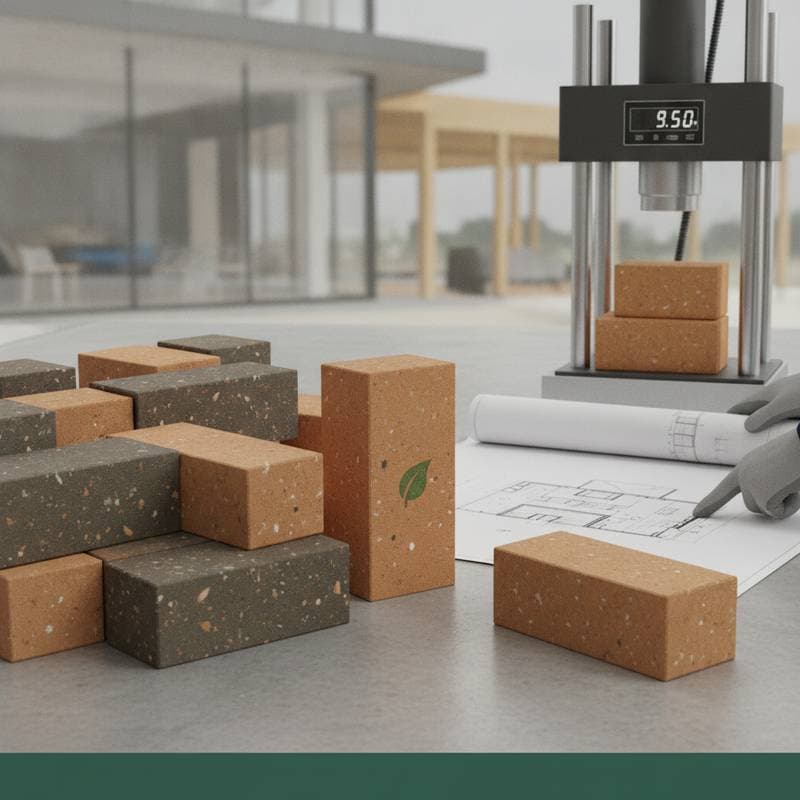
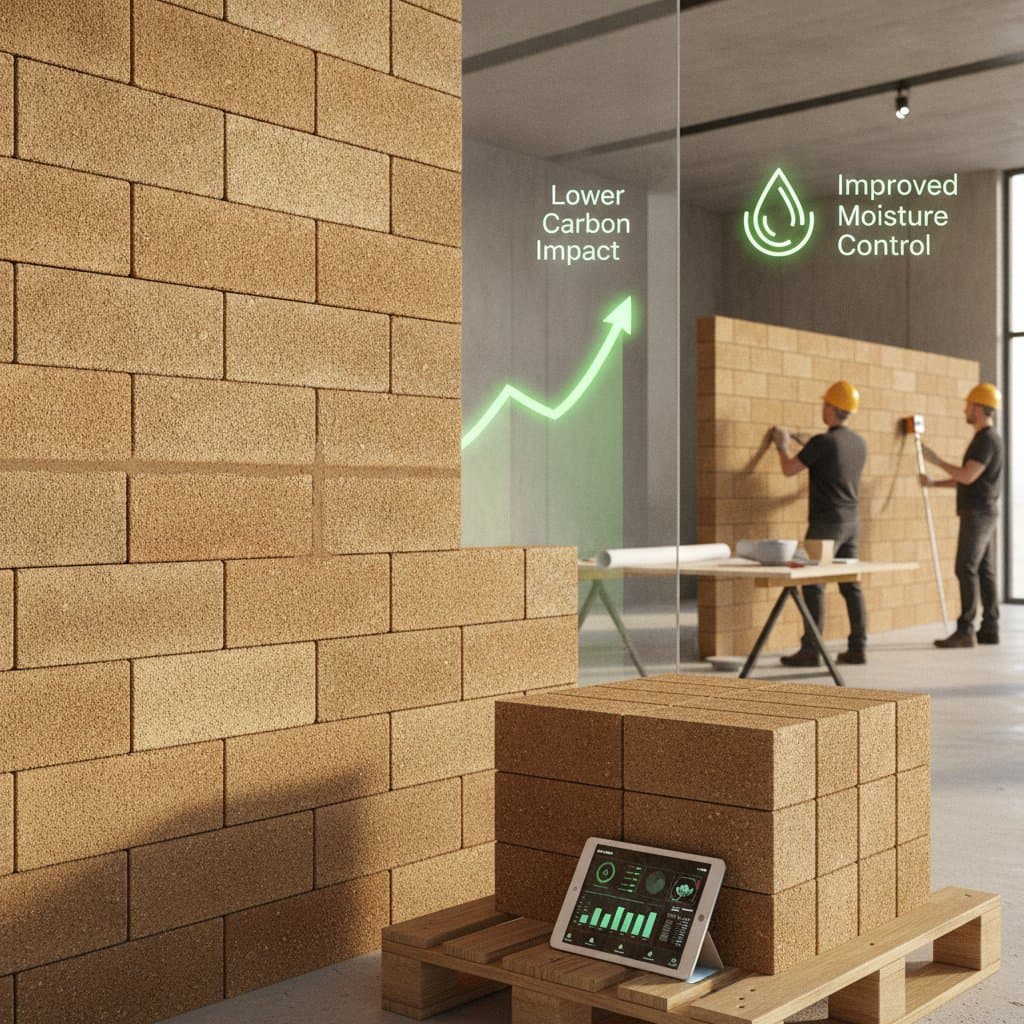
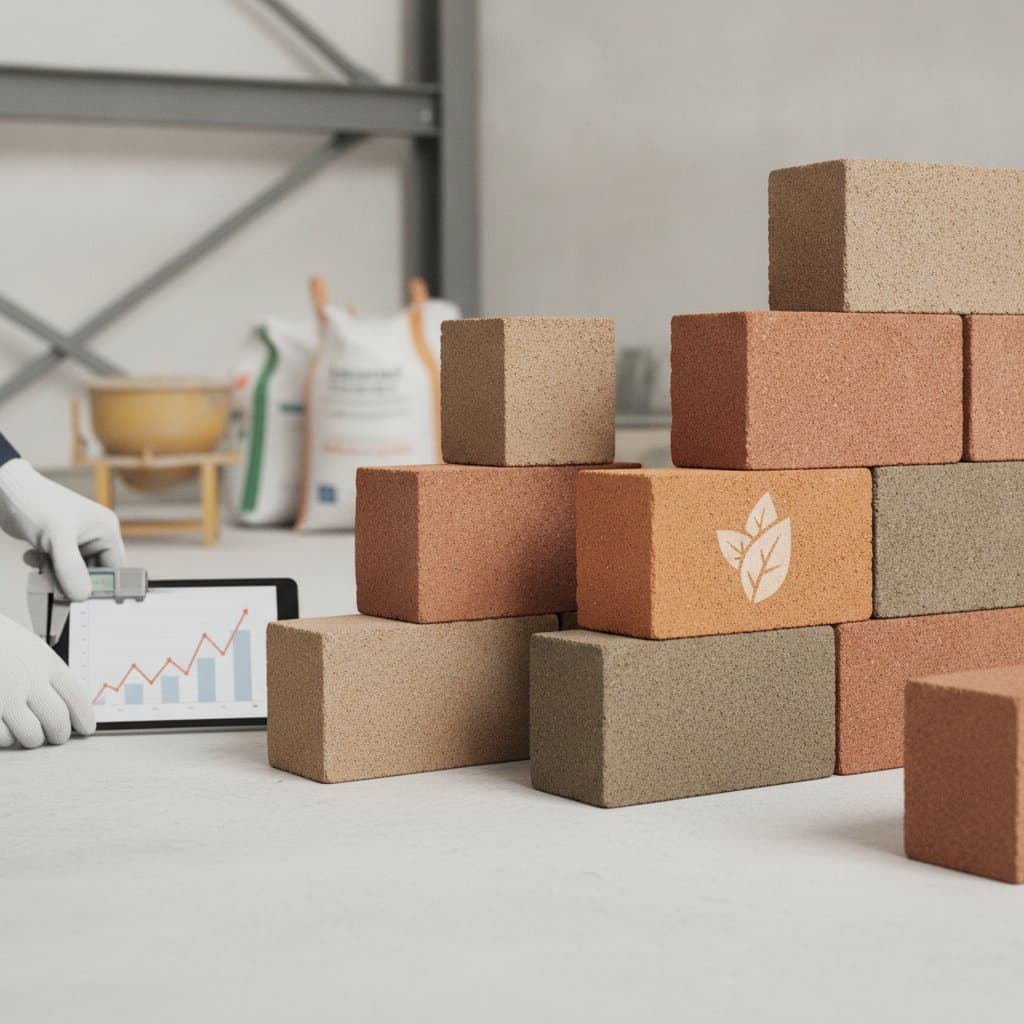
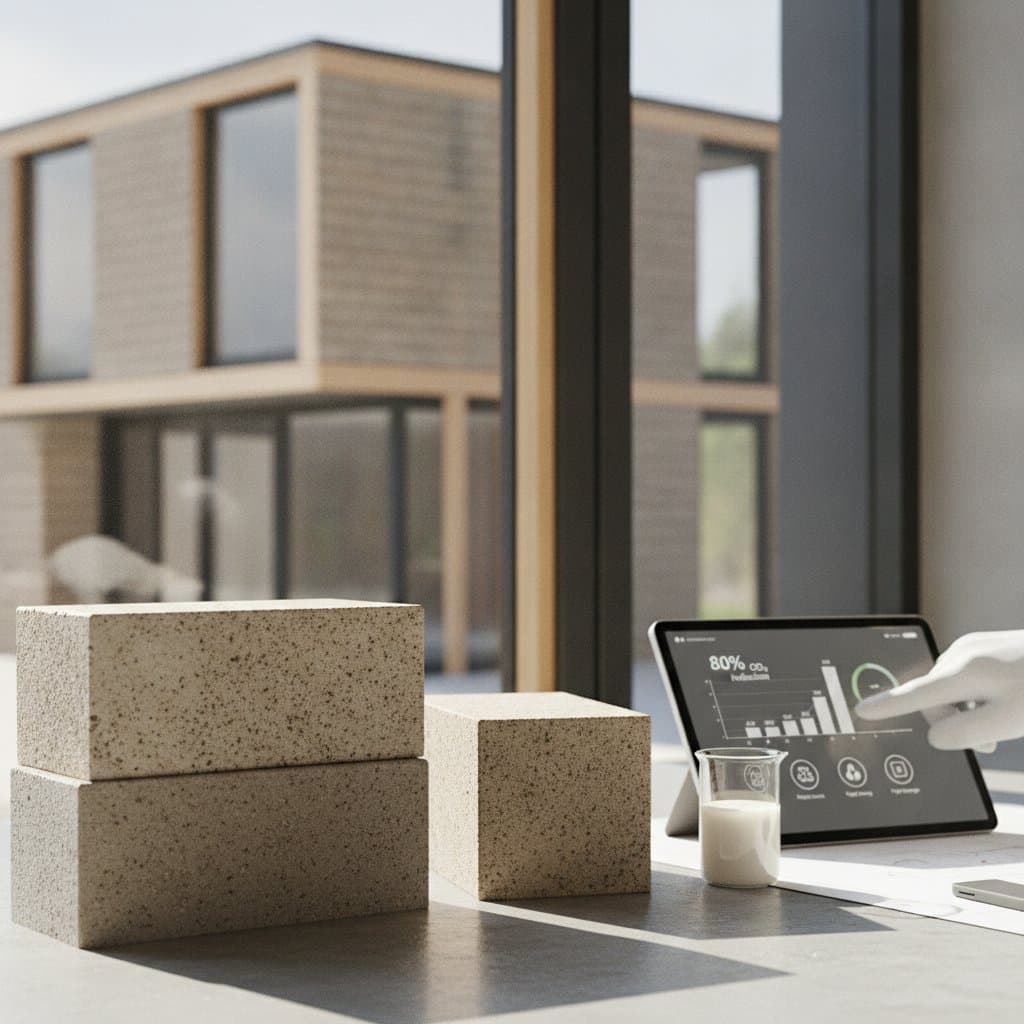
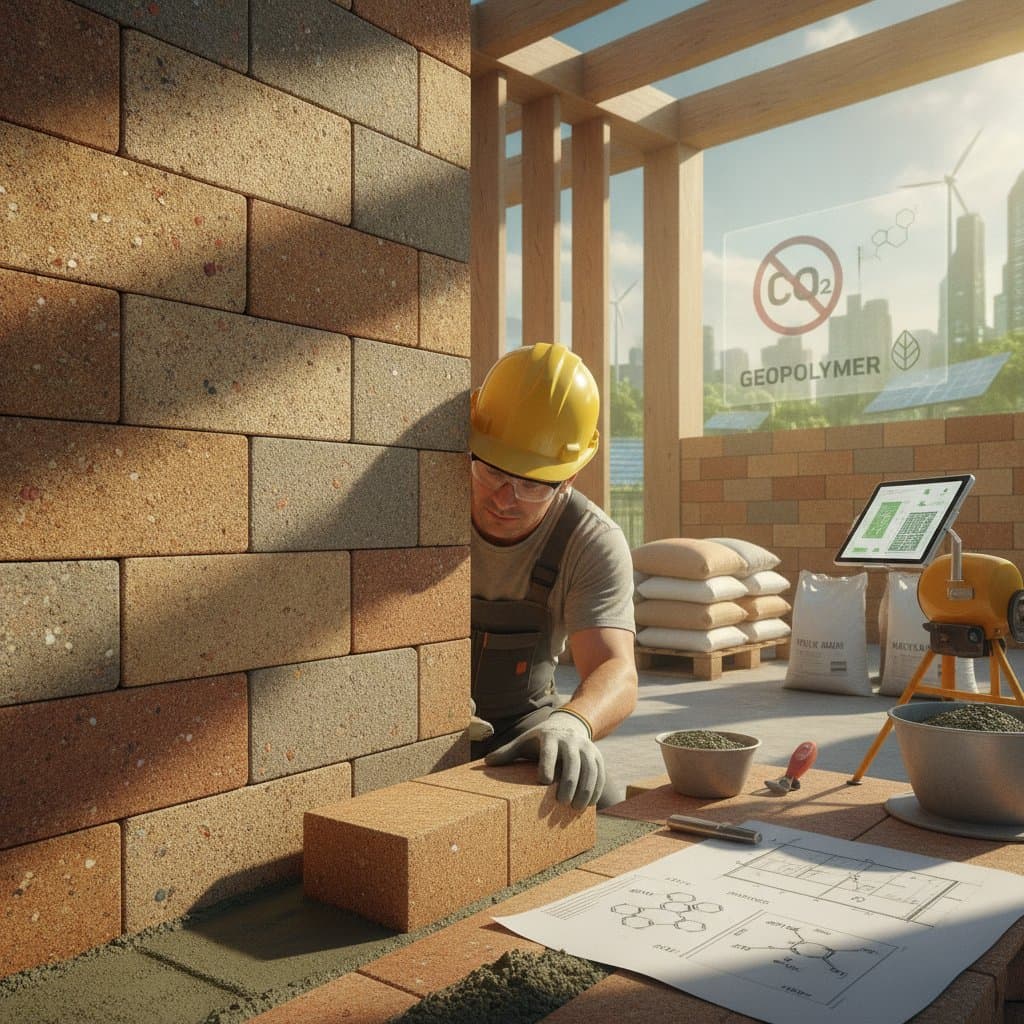
Geopolymer bricks utilize industrial byproducts to replace cement, thereby reducing carbon emissions while delivering strength comparable to traditional bricks. Effective implementation depends on proper curing, moisture management, and supplier reliability. Field testing, precise installation sequencing, and suitable mortars help avoid failures. When handled with attention to their distinct properties, these bricks enable resilient, eco-friendly masonry.

4 min read
Featured image for Zero-Cement Bricks Cut Carbon Footprint in Half by 2026

Zero-Cement Bricks Cut Carbon Footprint in Half by 2026

Zero-cement bricks revolutionize sustainable masonry through geopolymer binders that dramatically lower carbon emissions and utilize industrial waste. These robust, versatile blocks match the strength and longevity of traditional concrete while offering superior environmental benefits. Despite initial cost and availability hurdles, their extended lifespan and minimal maintenance herald a shift toward greener construction practices by 2026.

6 min read
Featured image for Zero-Cement Bricks Cut Carbon Without Portland Cement

Zero-Cement Bricks Cut Carbon Without Portland Cement

Zero-cement bricks leverage geopolymer technology to sidestep Portland cement and achieve substantial carbon reductions. Success depends on uniform mixes, precise curing, and reliable sourcing. This overview details quality assessments, pitfalls to evade, expense management, and safe incorporation into resilient, green masonry endeavors.

6 min read
Featured image for Low-Carbon Bricks That Match Concrete Strength

Low-Carbon Bricks That Match Concrete Strength

Geopolymer bricks utilize industrial byproducts to replace Portland cement, delivering exceptional strength, longevity, and a reduced carbon footprint. While challenges include limited availability and regulatory hurdles, their competitive pricing, extended service life, and environmental benefits position them as a viable option for sustainable masonry. Examine the reasons why 2026 could herald a shift toward cement-free building practices.

5 min read
Featured image for Zero-Cement Bricks Cut Carbon With Same Strength

Zero-Cement Bricks Cut Carbon With Same Strength

Zero-cement bricks, known as geopolymers, substitute Portland cement with industrial byproducts such as fly ash and slag. This innovation reduces carbon emissions significantly while providing comparable strength and durability to conventional materials. With potential lifespans exceeding 75 years, these bricks address supply and mixing hurdles, positioning them for widespread adoption in sustainable building by 2026.

5 min read
Featured image for Zero-Cement Bricks Cut Carbon Output by 80 Percent

Zero-Cement Bricks Cut Carbon Output by 80 Percent

Geopolymer bricks, free of traditional cement, utilize industrial byproducts to deliver exceptional strength, quick curing, and an 80 percent reduction in carbon emissions. These innovative materials provide superior durability, thermal performance, and extended service life. As market access improves and building codes adapt, they stand ready to enhance construction sustainability and efficiency by 2026.

5 min read
Featured image for Zero-Cement Bricks Cut Carbon While Boosting Strength

Zero-Cement Bricks Cut Carbon While Boosting Strength

Zero-cement bricks leverage geopolymer technology to eliminate Portland cement, drastically reducing carbon emissions while increasing compressive strength by up to 40 percent. Made from industrial byproducts such as fly ash and slag, these bricks offer rapid curing, exceptional durability, and cost-effective sustainability, positioning them as the future standard in masonry by 2026.

5 min read
Featured image for Geopolymer Bricks Cut Carbon Without Sacrificing Strength

Geopolymer Bricks Cut Carbon Without Sacrificing Strength

Geopolymer bricks transform construction by substituting Portland cement with industrial byproducts, yielding a resilient, low-carbon option. They deliver exceptional compressive strength, fire resistance, and extended lifespan, positioning them as a viable sustainable choice despite initial costs and regulatory adaptations. Understand how these materials pave the way for environmentally responsible building and a shift away from traditional cement reliance.

6 min read
Featured image for Zero-Cement Bricks Cut Carbon Without Losing Strength

Zero-Cement Bricks Cut Carbon Without Losing Strength

Zero-cement bricks transform the construction landscape by substituting traditional cement with sustainable geopolymer binders derived from industrial byproducts. These bricks deliver comparable strength and superior longevity while significantly lowering carbon emissions, paving the way for eco-conscious masonry solutions by 2026. This guide details selection, installation, and upkeep strategies to integrate these advanced materials into resilient building endeavors.

6 min read
Featured image for Geopolymer Bricks: 200% Tougher Than Traditional Masonry

Geopolymer Bricks: 200% Tougher Than Traditional Masonry

Geopolymer bricks transform sustainable construction by providing up to 200% more strength than traditional masonry alongside significantly reduced carbon emissions. Crafted from industrial byproducts, these bricks withstand fire, moisture, and chemicals while enduring over 75 years. Discover how they integrate durability, affordability, and performance in resilient modern projects.

8 min read
Featured image for Zero-Cement Bricks Cut Emissions Over 50 Percent

Zero-Cement Bricks Cut Emissions Over 50 Percent

Zero-cement bricks utilize recycled industrial byproducts in place of Portland cement, dramatically reducing carbon emissions while providing strength and durability comparable to conventional masonry. Although initial costs and availability may differ by region, their extended lifespan, robust performance, and environmental advantages position them as a transformative option for eco-conscious construction. This guide covers essential planning, installation, and maintenance strategies for integrating this innovative material.

6 min read
Featured image for Geopolymer Bricks Cut Carbon Without Premium Costs

Geopolymer Bricks Cut Carbon Without Premium Costs

Geopolymer bricks utilize industrial byproducts to replace traditional cement, significantly reducing the carbon footprint of masonry while improving resistance to environmental stresses. These bricks achieve comparable strength and affordability to conventional options through careful sourcing, curing, and testing. They support sustainable construction by enabling long-lasting, low-maintenance buildings that perform reliably over time.

6 min read
Featured image for Zero-Cement Bricks Cut CO₂ by 80% in Construction

Zero-Cement Bricks Cut CO₂ by 80% in Construction

Zero-cement bricks transform sustainable construction by employing geopolymer binders from industrial by-products instead of Portland cement. They match traditional strength, cure faster, and slash carbon emissions by up to 80 percent. Through detailed planning, testing, and execution, these bricks enable robust, low-impact building solutions compliant with green standards.

5 min read
Featured image for Geopolymer Bricks Cut CO₂ by 80% at $1 Per Unit

Geopolymer Bricks Cut CO₂ by 80% at $1 Per Unit

Geopolymer bricks offer a cement-free alternative that reduces CO₂ emissions by up to 80%, costs as little as $1 per unit, and provides exceptional durability. Crafted from industrial byproducts like fly ash and slag, these bricks cure quickly and withstand harsh conditions for up to 100 years.

6 min read
Featured image for Zero-Cement Bricks Pass the Field Sound Test

Zero-Cement Bricks Pass the Field Sound Test

Zero-cement bricks transform sustainable construction by substituting traditional cement with geopolymer formulations that minimize environmental impact without compromising structural integrity. Key to their effectiveness include meticulous curing processes, humidity management, and reliable sourcing. Despite a modest premium in initial costs, their superior longevity, fire resistance, and ecological advantages position these innovative bricks as a strategic choice for progressive building projects.

7 min read
Featured image for Zero-Cement Bricks Cut Emissions Using Fly Ash

Zero-Cement Bricks Cut Emissions Using Fly Ash

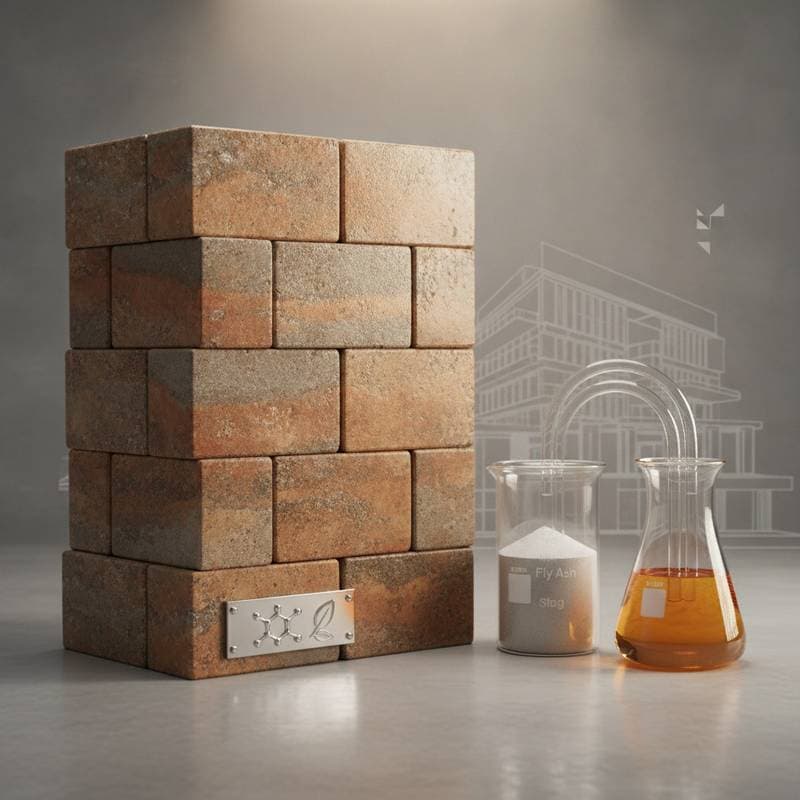
Zero-cement fly ash bricks leverage geopolymer technology to replace traditional cement, slashing emissions and conserving resources. These bricks provide comparable strength and versatility for walls, facades, and pavements, enabling sustainable builds that align with familiar masonry practices.

4 min read
Featured image for Zero-Cement Bricks Cut Carbon 60% by 2026

Zero-Cement Bricks Cut Carbon 60% by 2026

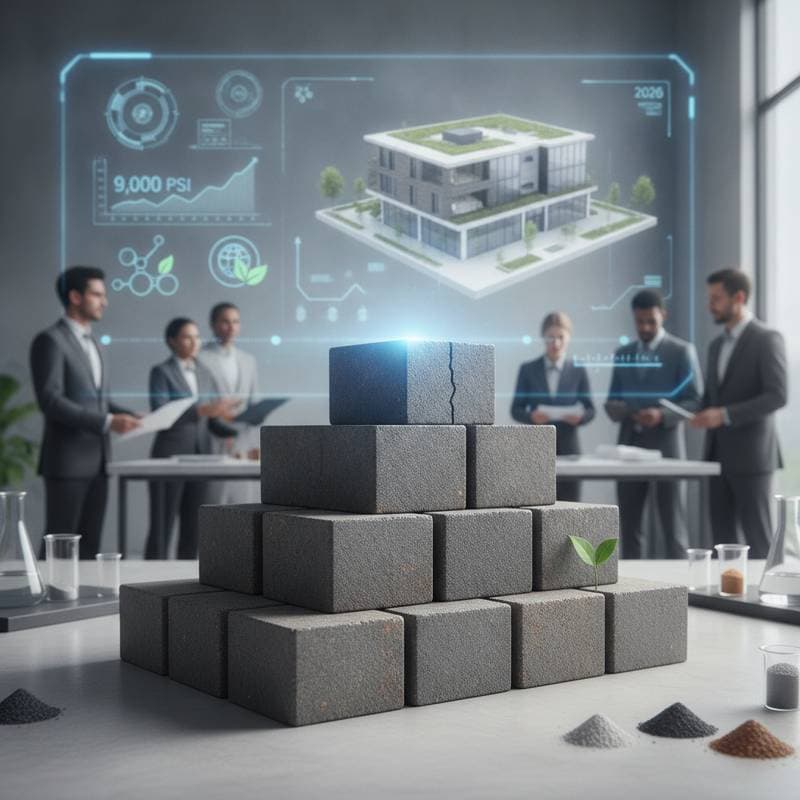
Zero-cement geopolymer bricks redefine sustainable masonry, offering 6,000-9,000 PSI strength, 24-48 hour curing, and 60-80% carbon savings. Crafted from fly ash and slag, they provide durable, affordable options that comply with standards and drive eco-conscious building trends into 2026.

6 min read
Featured image for Zero-Cement Bricks Cut Carbon by 90 Percent

Zero-Cement Bricks Cut Carbon by 90 Percent

Zero-cement bricks utilize geopolymer binders derived from industrial byproducts to replace traditional cement, achieving up to 90 percent lower carbon emissions. These bricks provide exceptional durability, rapid curing, and longevity, positioning them as a key player in sustainable construction by 2026. This guide covers their costs, installation techniques, advantages, drawbacks, and the broader impact on masonry for builders and homeowners.

6 min read