
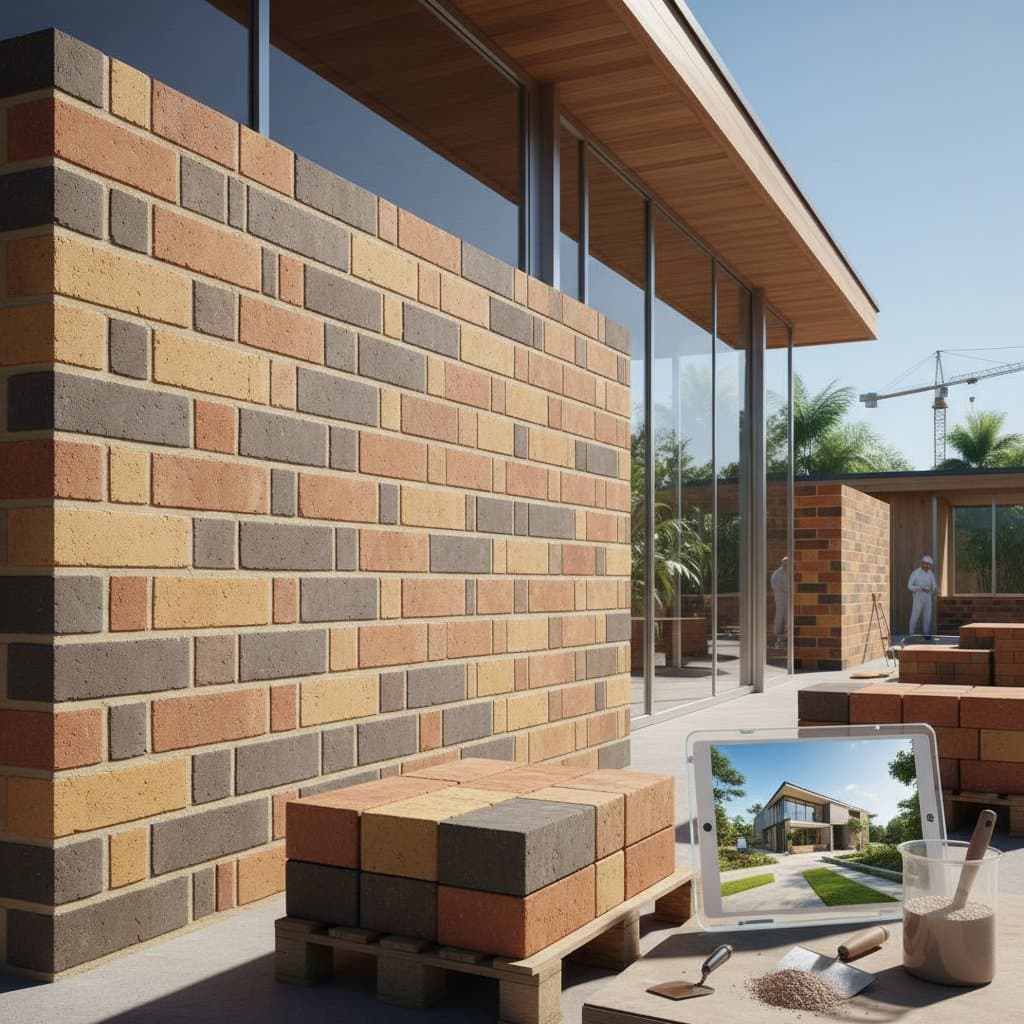
Zero-Cement Geopolymer Bricks Transform Masonry by 2026
Zero-cement geopolymer bricks replace traditional Portland cement with mineral-based binders. These units rely on aluminosilicate materials such as fly ash, slag, or metakaolin that react with alkaline solutions to create a stable matrix. The finished product delivers concrete-level performance without the associated carbon load.
Homeowners, builders, and designers now consider these bricks for walls, walkways, and facades. Their strength and sustainability profile position them as a practical option for residential and commercial work.
Pros and Cons
Pros
- Low carbon footprint. Production avoids Portland cement and therefore reduces carbon output substantially.
- High strength. Compressive values often meet or exceed those of standard concrete blocks.
- Chemical resistance. The material withstands salt and acid exposure common in coastal or industrial settings.
- Thermal stability. Bricks tolerate elevated temperatures and suit fire-prone regions.
- Durability. Service life extends for decades with minimal cracking or surface staining.
Cons
- Higher initial cost. Limited production keeps unit prices above conventional masonry.
- Limited local availability. Not every region has nearby suppliers or suitable raw materials.
- Special curing needs. Some formulations require controlled moisture and temperature during hardening.
- Unfamiliarity among inspectors. Approval may require test data and documentation.
- Variable finish. Natural mineral tones can differ between production batches.
Lifespan and Maintenance
A properly installed geopolymer brick wall lasts fifty years or longer. Annual inspections of joints and coatings reveal cracks or water intrusion early. Clean surfaces with mild detergent and a soft brush. Skip acid-based cleaners that can etch the finish. Apply sealer only where splash or staining risk is high.
Repoint worn joints with compatible mortar. Cement-rich mixes expand differently and should be avoided. Damaged units are replaced using standard masonry techniques.
Planning and Prep
Site work follows conventional masonry practice. Provide a stable, well-drained footing. Locate control joints at regular intervals in walls. Paving sections require a compacted gravel base four inches deep for foot traffic or eight inches for vehicles.
Verify these conditions before starting:
- Slope of at least one inch per eight feet to direct water away from the structure.
- Excavation depth that reaches local frost line in cold climates.
- Clear access for material delivery and equipment.
- Location of underground utilities.
Patterns and Options
Wall layouts include running bond, stack bond, and Flemish bond. Paving patterns such as herringbone or basketweave increase interlock. Select the pattern according to expected loads and desired appearance.
- Running bond lays quickly and presents a straightforward look.
- Herringbone resists shifting under traffic.
- Stack bond creates clean lines that demand precise alignment.
- Basketweave suits decorative patios.
Color choices range from natural gray to red, brown, or buff based on mineral content. Manufacturers can add pigments for batch-to-batch consistency.
Common Failures and Fixes
Cracking usually results from poor base compaction or rapid drying. Rebuild affected areas on a compacted foundation.
Efflorescence appears as white salt deposits. Remove it with clean water and a soft brush, then improve drainage.
Color variation stems from inconsistent mixing or moisture exposure. Blend units from several pallets during installation.
Joint erosion follows use of incompatible mortar or concentrated water flow. Repoint with geopolymer-compatible material.
Spalling in freeze-thaw zones occurs when water absorption exceeds rated limits. Confirm freeze-thaw performance data before purchase.
Alternatives
When geopolymer bricks are unavailable or exceed budget, evaluate these substitutes:
- Fly ash concrete blocks retain some cement yet lower overall carbon content.
- Recycled glass masonry units provide distinctive appearance with moderate environmental gains.
- Compressed earth blocks minimize energy use but require weather protection.
- Traditional clay brick is widely available yet demands more firing energy.
- Autoclaved aerated concrete offers light weight and insulation but lower bearing capacity.
Each option balances strength, insulation, and sustainability differently. Geopolymer bricks combine high durability with strong environmental performance.
Pro Tips for Success
Order five to ten percent extra material to cover cuts and breakage. Store pallets dry and covered to prevent moisture uptake. Use only compatible mortar to maintain bond strength. Record batch numbers to ensure color and strength consistency. Retain product data sheets for permit review and future property documentation.
Selecting Geopolymer Bricks for Your Project
Zero-cement geopolymer bricks combine structural performance with reduced emissions. Homeowners gain durable walls and surfaces that lower environmental impact. Contractors adopt new mixing and curing routines that deliver long-term value. Contact local suppliers to review compressive strength, absorption rates, and color options before final selection.