
Why 3D-Printed Homes Reduce Concrete Costs by 30 Percent
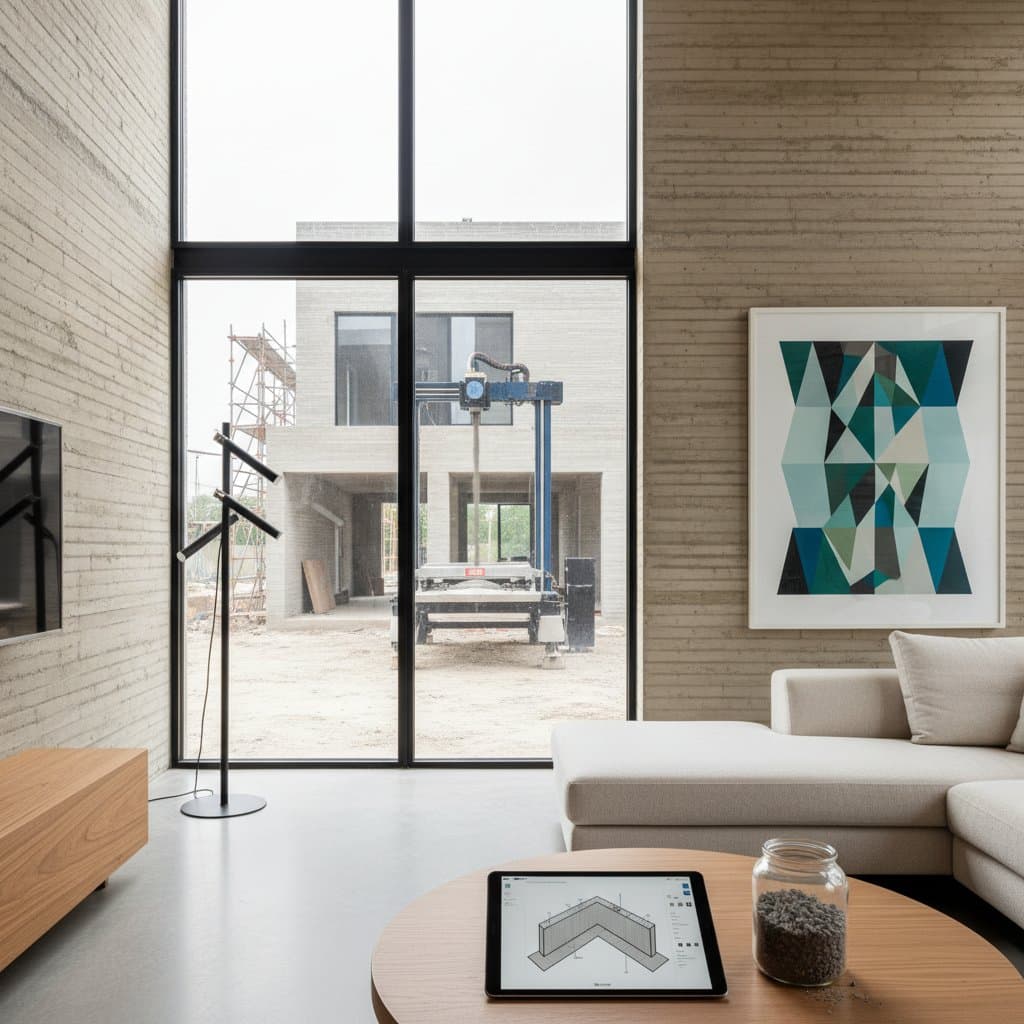
3D-printed homes employ robotic printers to deposit concrete in precise layers, forming walls and structural elements directly from digital blueprints. This approach bypasses traditional methods such as pouring concrete into molds or assembling blocks. The printer extrudes a specialized cement mixture along a predefined path, which leads to accelerated construction timelines, minimized material waste, and decreased labor expenses.
This innovative technique has progressed beyond experimental stages into viable residential applications. Construction professionals, developers, and urban planners observe these developments with interest. Initial implementations demonstrate potential savings of up to 30 percent in overall concrete expenditures.
Primary Factors Driving Cost Reductions
1. Minimized Material Waste
Traditional concrete casting frequently demands additional material to compensate for form imperfections and site irregularities. In contrast, 3D printing adheres strictly to digital specifications for each layer, which can reduce waste by 50 percent or greater. This precision ensures that only the required volume of concrete is used, directly lowering procurement and disposal costs.
For instance, on a standard 1,000-square-foot home project, conventional methods might generate 10 to 15 percent excess material. Printing eliminates such overruns by integrating real-time adjustments during the extrusion process.
2. Elimination of Formwork Requirements
Formwork represents a significant expense in conventional builds, involving materials like plywood and steel reinforcements, plus substantial labor for setup and dismantling. 3D printing obviates the need for these elements entirely. The printer functions as a self-supporting mold, constructing freestanding walls layer by layer.
This substitution not only cuts material costs by up to 20 percent but also shortens preparation phases. Teams can redirect resources to other critical tasks, enhancing overall project efficiency.
3. Decreased Labor Demands
Operating a 3D printer typically requires a small team of two to three individuals, compared to the ten or more workers needed for traditional concrete work. This streamlining reduces payroll, insurance premiums, and on-site management overhead. While specialized finishing remains manual, the automation handles the most labor-intensive structural phases.
In practice, a printing operation might complete the core shell of a home in hours, freeing personnel for installations like plumbing and electrical systems. Such efficiencies prove particularly valuable in regions facing skilled labor shortages.
4. Accelerated Construction Schedules
A compact residence can achieve its primary structure in under 48 hours of printer operation. Subsequent steps, including electrical wiring, roofing, and window placement, require human intervention, yet the foundational build occurs far more rapidly than standard timelines. Reduced on-site duration translates to lower costs for equipment rentals, temporary facilities, and interest on construction loans.
Projects that once spanned weeks for concrete phases now condense into days, enabling faster occupancy and revenue generation for developers.
5. Optimized Concrete Formulations
Mixtures designed for 3D printing incorporate lower cement ratios than those used in poured applications. Specialized additives enhance fluidity and interlayer adhesion, permitting thinner yet robust walls that comply with engineering standards. Since cement constitutes the priciest component of concrete, this formulation yields substantial savings.
Engineers often adjust aggregates and polymers to achieve a balance of workability and durability. For example, a printable mix might use 15 to 20 percent less cement while maintaining compressive strengths exceeding 4,000 psi.
Durability and Upkeep Considerations
Structures built with 3D-printed concrete exhibit longevity comparable to conventional poured homes, typically enduring 75 years or longer under routine maintenance. The continuous layering process forms a seamless, monolithic wall with few vulnerable joints.
Essential maintenance practices include:
- Regular inspections for cracks or surface deterioration.
- Gentle cleaning using mild detergents and low-pressure rinsing.
- Periodic resealing of unprotected surfaces every three to five years, especially if not covered by stucco or paint.
The reduced number of seams minimizes risks of water penetration, outperforming joint-heavy block constructions in humid climates.
Preparation and Site Readiness
Prior to initiating printing, the site demands thorough preparation. A flat, compacted gravel base serves as the standard foundation. Ensure proper drainage by grading the surrounding area to direct water away from the structure at a slope of one inch per ten feet.
Establish stable access routes for the printer and material delivery systems, avoiding overhead hazards like tree branches. Install any sub-slab utilities, such as pipes or conduits, beforehand to integrate seamlessly with the printed walls.
Compliance with local regulations is crucial. Verify zoning setbacks, foundation anchoring protocols, and required inspections. In areas treating 3D printing as novel, secure permits early to prevent project interruptions.
Design Versatility and Aesthetic Choices
The flexibility of 3D printing enables architectural forms that prove challenging or prohibitive with traditional formwork. Popular configurations encompass:
- Straight walls, which prioritize rapid execution and cost control.
- Curved elements, enhancing aerodynamic resistance and aesthetic intrigue.
- Hollow-core designs, accommodating insulation for superior energy performance.
- Textured ribs, providing inherent surfaces for subsequent finishes.
Select patterns aligned with budgetary constraints and environmental demands. Curved profiles offer advantages in high-wind zones, whereas insulated cores excel in varying temperature regions.
To implement, collaborate with software specialists to model designs in CAD programs. This step ensures printer compatibility and structural integrity from the outset.
Addressing Potential Challenges
Automation reduces errors, yet vigilance remains essential. Common issues and resolutions include:
- Layer delamination, stemming from pauses between depositions or suboptimal mix hydration; remedy by reprinting affected sections or applying adhesive mortars.
- Surface fissures, resulting from rapid evaporation; mitigate by maintaining moisture on walls for 24 hours post-printing.
- Extruder blockages, due to contaminants or imbalanced ratios; clear by flushing and recalibrating water proportions.
- Inconsistent elevations, from misaligned bases; verify printer setup and site leveling prior to commencement.
- Fragile junctions, addressed through reinforcing bars or additional layering at edges.
Conduct ongoing monitoring during operations to avert complications. Post-curing, seal minor fissures less than one-sixteenth inch wide using elastomeric sealants for lasting protection.
Comparative Building Methods
Alternative techniques may suit specific scenarios. Evaluate these options:
- Insulated concrete forms, featuring foam panels filled with concrete for enhanced insulation, though assembly proves time-consuming.
- Precast concrete panels, produced off-site for uniformity, offset by elevated shipping expenses.
- Structural insulated panels, comprising rigid foam between durable facings, offering lightness at the expense of impact resilience.
- Traditional masonry, facilitating straightforward modifications yet demanding extensive manual effort.
3D printing excels in scenarios requiring bespoke designs, limited workforce availability, or emphasis on swift, waste-efficient erection.
Expanding Adoption and Hurdles
The sector experiences steady growth, fueled by advancements in printer scale and material consistency. Persistent obstacles include:
- Regulatory frameworks that trail technological progress.
- Substantial initial investments, often exceeding several hundred thousand dollars for equipment.
- Scarce expertise, confined to select certified operators.
- Lending hesitancy, as appraisers adapt to valuing innovative structures.
These impediments diminish with accumulating evidence from successful installations, bolstering regulatory approvals and financial support.
Realizing Sustained Benefits
Embracing 3D-printed homes delivers enduring advantages in affordability and environmental stewardship. Homeowners gain access to resilient, customizable dwellings at reduced upfront costs. Developers benefit from streamlined operations and market differentiation. As the technology matures, it promises to democratize quality housing, fostering sustainable communities worldwide.