
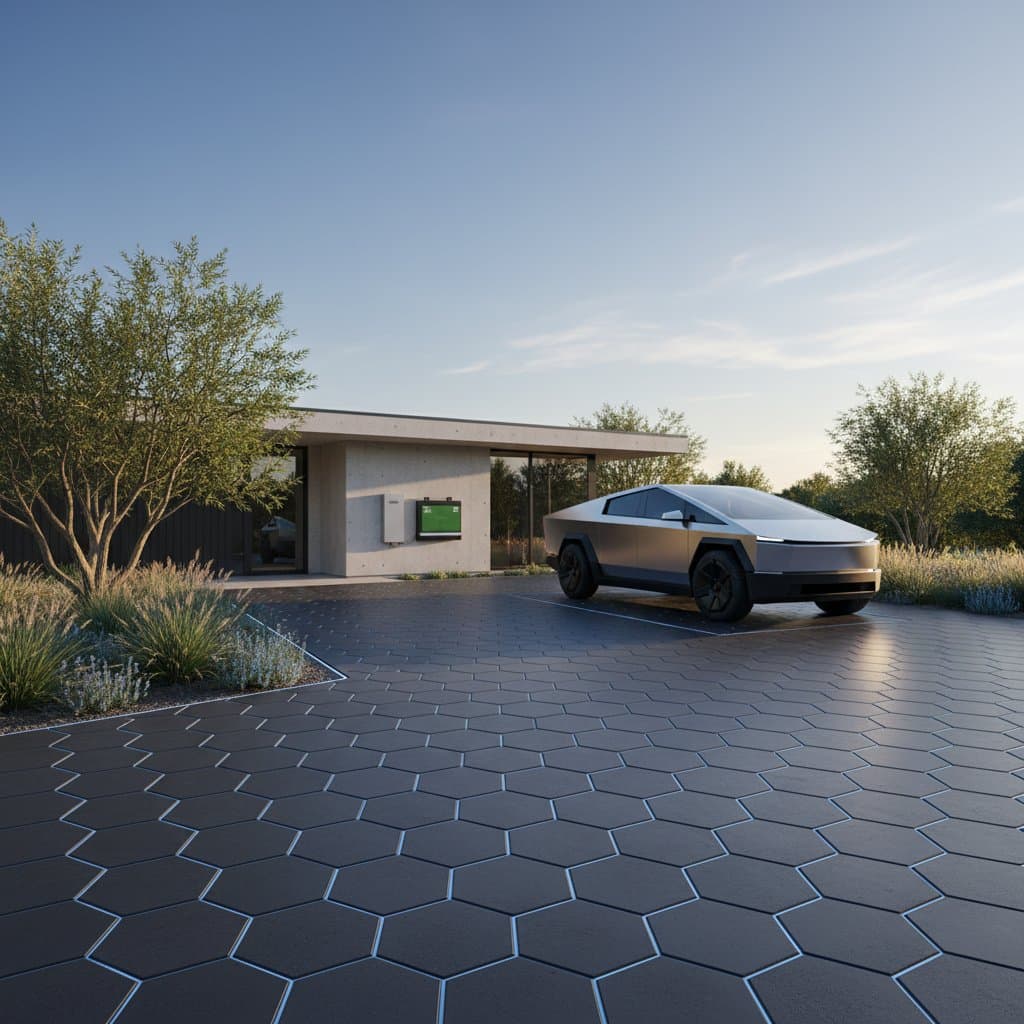
Solar Pavers: Driveways That Power Your Home
Skill Level: Advanced DIY with Required Electrical Assistance
Solar pavers offer a innovative approach to driveway construction by integrating photovoltaic technology into durable paving surfaces. These systems support vehicle weight while capturing sunlight to generate electricity for home use. Proper installation allows homeowners to offset a significant portion of energy consumption and decrease dependence on utility grids.
This project demands precision in planning and execution. Homeowners must manage site preparation, material handling, and basic assembly, but electrical components require professional intervention. Allocate time for thorough preparation, enlist assistance for labor-intensive tasks, and dedicate multiple days to the full process.
Key Decision: DIY Elements Versus Professional Expertise
Experienced individuals can manage excavation, base layering, and paver placement independently. However, photovoltaic wiring, inverter installation, and grid tie-ins necessitate certification to meet safety standards and building regulations. Engage a licensed electrician early to review plans and handle all electrical work.
For expansive driveways, sloped terrains, or areas supporting heavy vehicles, seek input from a structural engineer. This consultation verifies the adequacy of the sub-base design and ensures long-term stability under load.
Selecting the Right Materials
Solar pavers vary in design and performance to suit different aesthetic and functional needs. Evaluate options based on visual appeal, strength requirements, budget constraints, and exposure to sunlight. Each type integrates solar cells differently, influencing output and upkeep.
Option 1: Glass-Faced Solar Pavers
- Appearance: Sleek, glossy finish that highlights embedded solar cells.
- Durability: Excellent resistance to impacts, though prone to cracking from direct drops during handling.
- Cost: Higher initial investment due to advanced materials.
- Skill Level: Suited for advanced installers familiar with delicate components.
- Maintenance: Clean surfaces periodically to remove dust and maintain efficiency.
- Best Use: Contemporary driveways in sunny locations with minimal shading.
Option 2: Concrete-Integrated Solar Pavers
- Appearance: Seamless integration with traditional concrete pavers for a uniform look.
- Durability: Superior compressive strength to handle repeated vehicle traffic.
- Cost: Balanced pricing that offers good value over time.
- Skill Level: Accessible to intermediate DIYers with basic masonry experience.
- Maintenance: Apply sealant every few years to resist stains and weathering.
- Best Use: Traditional or mixed hardscape designs requiring robustness.
Option 3: Hybrid Layout Systems
- Appearance: Combines solar and non-solar pavers for customized patterns.
- Durability: Varies by selected components; prioritize high-load options for driveways.
- Cost: Cost-effective by limiting solar coverage to optimal areas.
- Skill Level: Intermediate, with flexibility in layout planning.
- Maintenance: Focus cleaning on solar sections to preserve output.
- Best Use: Budget-conscious projects or decorative accents in partially shaded spots.
Purchase an additional 10 percent of materials to account for cuts, damages, and spares. Consult manufacturers for compatibility with local climate conditions and vehicle types.
Detailed Installation Guide
Follow these steps methodically to achieve a stable, efficient solar paver driveway. Begin with site assessment to confirm sunlight exposure and drainage patterns. Gather tools such as levels, compactors, and safety gear before starting.
-
Excavate the Site: Dig to a uniform depth of 8 inches across the driveway area. Clear away vegetation, roots, and loose soil to establish a solid foundation.
-
Compact the Subgrade: Use a plate compactor to firm the exposed earth. Achieve a stable surface that resists settling over time.
-
Build the Crushed Stone Base: Layer 6 inches of angular crushed stone, compacting in 2-inch increments. This provides drainage and load distribution.
-
Apply Bedding Sand: Distribute 1 inch of coarse sand evenly, then screed it level using straightedges. Avoid over-compression to maintain flexibility.
-
Install Electrical Conduit: Position PVC conduits for wiring runs under or adjacent to the base. Coordinate with your electrician to ensure proper routing and future accessibility.
-
Place the Solar Pavers: Position pavers starting from one edge, maintaining tight joints and checking levelness frequently. Adhere to manufacturer guidelines for cable integration and expansion gaps.
-
Attach Wiring Harnesses: Secure connections between pavers as per the system diagram. Halt at the inverter junction and await professional completion.
-
Fill Joints with Sand: Sweep polymeric sand into gaps, then vibrate or compact to settle it. This stabilizes the surface and prevents shifting.
-
Apply Protective Sealant: Coat the pavers with a manufacturer-recommended sealer to shield against moisture, oils, and UV degradation.
-
Finalize Electrical Setup: Allow the electrician to connect the inverter, perform system tests, and verify output. Conduct a load test with a vehicle once energized.
Throughout installation, inspect for level surfaces, consistent joint widths, and intact wiring. Address any issues immediately to avoid costly rework.
Maximizing Performance and Securing Lasting Benefits
Enhance your solar paver system with complementary features for optimal results. Integrate smart monitoring apps to track energy production and identify inefficiencies. Add LED pathway lighting powered by the panels to extend functionality into evenings.
Regular maintenance preserves output and longevity. Inspect for cracks or debris quarterly, and clean panels annually with mild soap and water. Monitor inverter performance and schedule professional checks every two years.
Over time, these installations yield substantial returns. Expect payback periods of 7 to 10 years through energy bill reductions and potential incentives. Beyond savings, solar pavers increase home appeal, supporting higher resale values in eco-conscious markets.