
Quick Overview
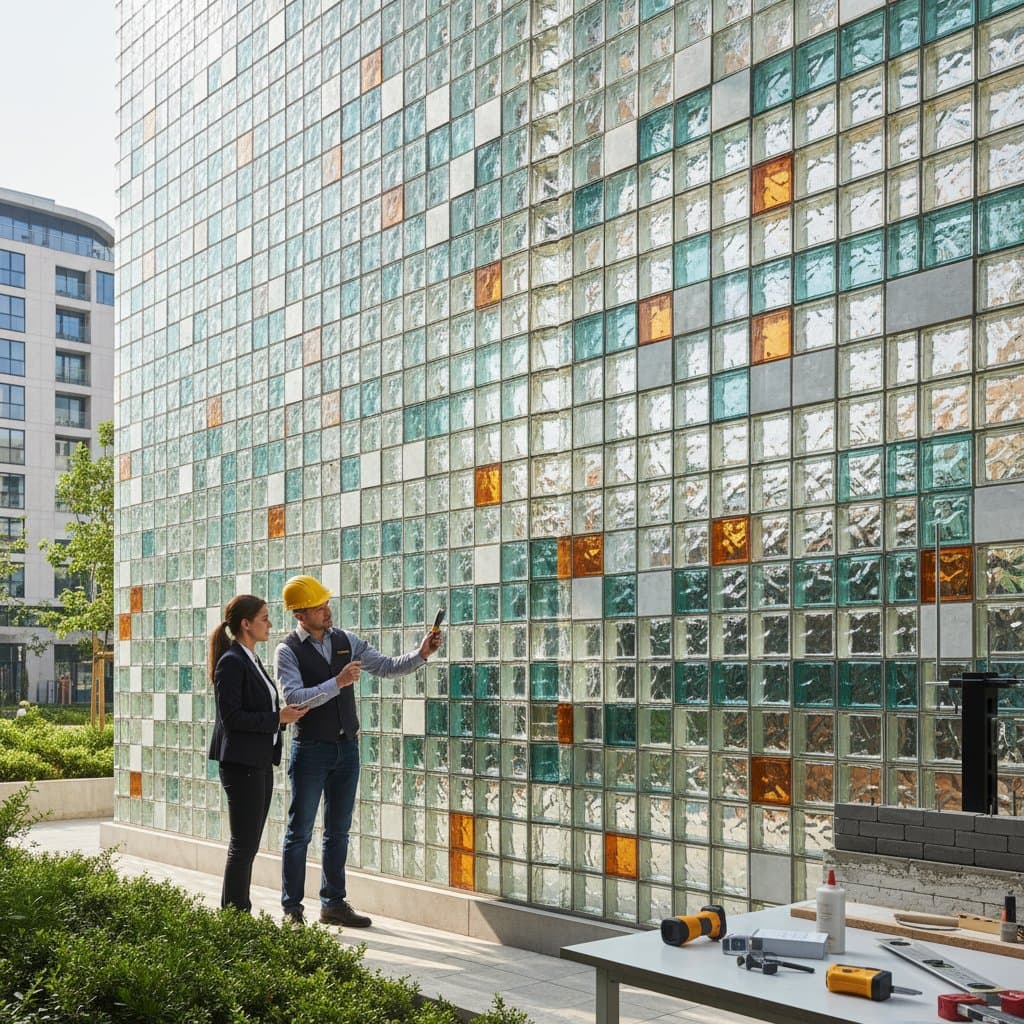
Recycled glass bricks represent an innovative masonry option that repurposes waste glass, such as bottles, into robust blocks capable of transmitting light. These materials diminish landfill contributions and lessen reliance on mined aggregates. Primary expenses arise from production processes, shipping, and the expertise needed for installation to achieve water resistance.
Site Assessment Essentials
Before selecting glass bricks for a project, conduct a thorough site inspection focusing on environmental exposure, water runoff patterns, and surface alignments. Unlike traditional clay or concrete bricks, glass variants interact with moisture in unique ways, requiring careful evaluation.
Begin with these fundamental on-site observations:
- Examine roof edges and parapets to confirm adequate overhangs and secure flashing installations.
- Inspect wall surfaces for any bowing, bulging, or fractures, particularly around doors and windows.
- Evaluate terrain gradients and zones prone to water splash to identify potential direct impacts.
- Review indoor areas for signs of moisture buildup or heat transfer issues.
- Assess mortar connections for firmness and uniform adhesion.
For existing installations, search for water marks within wall voids or clouding that indicates compromised barriers.
Critical Warning Signs
Identify these indicators early to avoid complications:
- Glass components showing edge fractures or surface separation.
- Mortar that erodes or detaches from the glass surfaces.
- Persistent moisture accumulation within the wall interior.
- Expansion fissures at junctions or where materials change.
- Inadequate seals around window tops or parapet edges.
- Stress-induced breaks near sources of intense heat.
Such issues often stem from flawed design elements or missing expansion accommodations. Water infiltration behind the system escalates repair expenses rapidly.
Common Repairs and Estimated Expenses
Address small joint issues using appropriate sealants, which incurs minimal charges comparable to basic masonry repairs per square foot. For more extensive work, such as reapplying mortar or substituting damaged units, costs may increase twofold or more.
In cases of internal clouding from moisture, introduce ventilation channels or partial reconstructions to incorporate drainage layers. Complete wall overhauls align with premium masonry rates, akin to luxury stone applications.
Opt for solutions that resolve root causes rather than superficial treatments like basic caulking, which can retain dampness and promote unseen deterioration in supports or frames. Always follow moisture trails to their origins prior to any corrective actions.
Deciding Between Repair and Replacement
Glass brick assemblies: Opt for replacement solely when adhesion or support mechanisms fail completely. Reapply grout or sealants if the connections remain intact but permit leaks.
Underlying framework: Retain sound base structures. Install protective flashing and drainage features before attaching new sections.
Border elements: Maintain corrosion-resistant metal or wooden accents. Apply finishes to ensure harmony with new sealing materials.
Insulation barriers: Incorporate supplemental thermal layers if moisture problems persist. Avoid enclosing wet components behind fresh installations.
Targeted preservation typically proves more economical than total reconstruction, assuming the assembly holds structural alignment.
Assembling the Right Team and Workflow
Engage a specialist in light-transmitting masonry from the outset. Such experts grasp optimal spacing, joint dimensions, and weight capacities more effectively than standard laborers.
Involve an architect to align project objectives for heat regulation and illumination prior to material procurement.
Secure input from a structural engineer to validate attachment points, especially if the glass elements bear structural demands.
For walls integrated into climate-controlled systems, consult an envelope specialist to evaluate moisture vapor transmission and water shedding configurations.
Expert oversight elevates initial investments but averts costly revisions due to leaks or misalignment.
Prioritizing Project Phases
- Establish moisture barriers through flashing and drainage provisions as the initial focus.
- Confirm load-bearing capacity and fixings before proceeding to surface treatments.
- Enhance rear insulation and airtight layers when access allows.
- Select joint materials in shades that blend with existing aesthetics for seamless integration.
- Postpone aesthetic enhancements like lighting until the system demonstrates dryness and security.
Planning Budget and Timeline
Initiate efforts with hydration control, followed by integrity evaluations. Advance to energy efficiency upgrades, then cosmetic completions.
Separate demolition from fresh assembly phases, given variations in positioning precision and drying periods.
Per-square-foot material pricing exceeds conventional brick options yet falls below bespoke stone. Benefits from natural lighting may recoup portions of the outlay across years.
Ensuring Long-Term Performance
Recycled glass bricks retain their brilliance and resilience with vigilant moisture oversight. Employ mild, pH-neutral cleaners, avoiding acidic substances. Perform annual reviews of joints for signs of degradation or sealant failure.
Maintain clear drainage systems like gutters and projections. Should internal fogging return, investigate ventilation deficiencies or insulation voids rather than attributing issues solely to the glass.
Consistent upkeep routines and routine inspections sustain the practicality and visual appeal of these sustainable bricks for generations.