
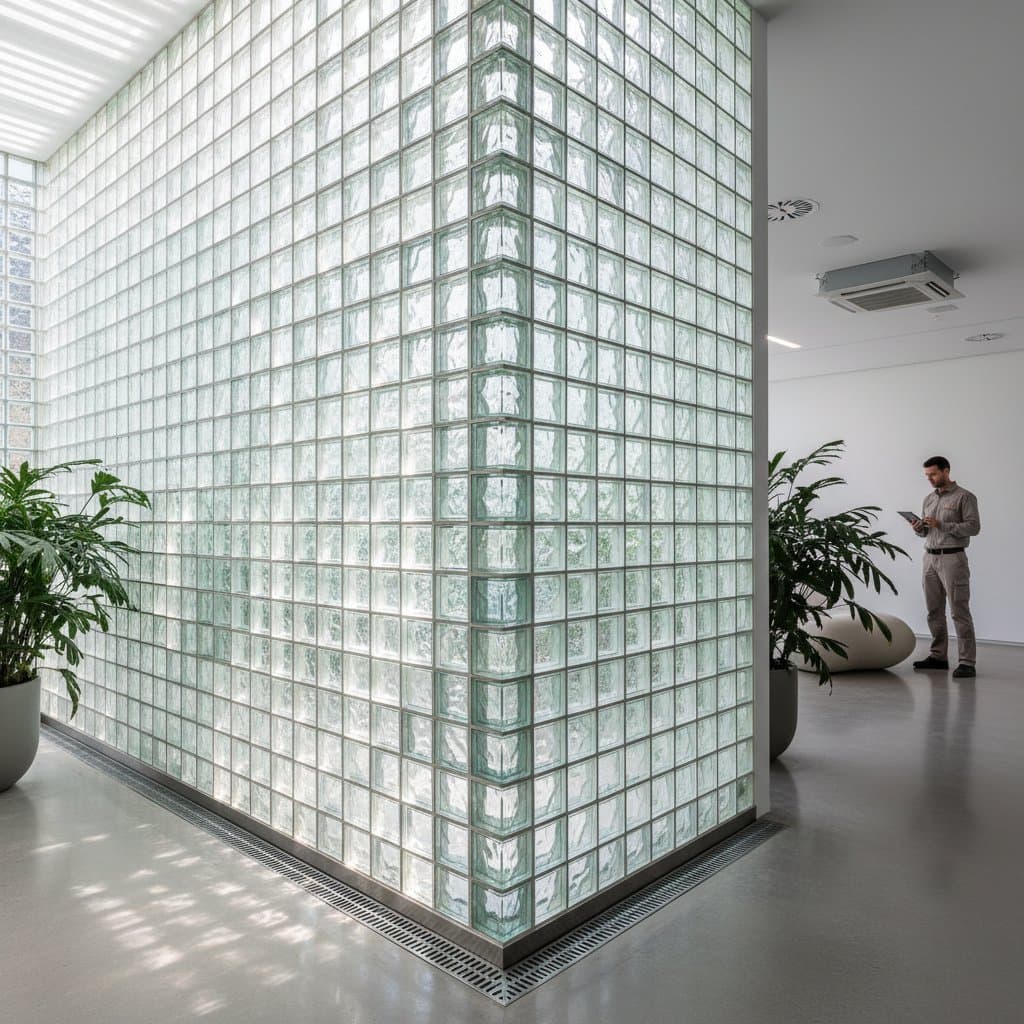
Why Recycled Glass Bricks Define Eco Masonry in 2026
Quick Overview
Recycled glass bricks transition from experimental options to essential elements in green construction. These materials reduce landfill contributions, limit the need for virgin resource extraction, and form robust structures that allow natural light to penetrate interiors. Key expenses stem from precise manufacturing processes, transportation logistics, and skilled installation techniques. The greatest challenge involves selecting substandard units that compromise bonding integrity or temperature regulation.
Essential Pre-Installation Checks
Evaluate the building envelope and environmental exposures prior to incorporating recycled glass bricks. Prioritize moisture management and structural integrity above all. Recycled glass walls, partitions, or panels function optimally in environments that remain dry, secure, and efficiently drained. Begin assessments with these steps:
- Inspect roof edges and flashing routes for evidence of water penetration.
- Examine masonry joints and mortar bases for signs of efflorescence or fractures.
- Survey existing walls for signs of bulging or subsidence that might impose undue pressure on glass components.
- Confirm that drainage mechanisms and downspouts direct water clear of the foundational layer.
- Measure interior humidity in areas designated for glass installations.
Address any deficiencies before procuring materials. Even the most eco-friendly products fail without effective moisture barriers.
Critical Warning Signs
Watch for these indicators of potential issues:
- Irregular mortar layers beneath current brick elements.
- Fractured or damaged recycled glass units resulting from mishandling.
- Absence of expansion joints in extended glass masonry spans.
- Application of silicone or sealants without appropriate primers or bond-breaker materials.
- Glass blocks exhibiting enclosed air bubbles or uneven coloration, indicating variable recycling processes.
- Wall configurations lacking weep holes or dedicated drainage layers behind the glass.
Such oversights establish concealed vulnerabilities that provoke fractures or moisture infiltration. Recycled glass excels in compressive loads yet proves fragile against lateral forces. Inadequate preparation amplifies these hazards exponentially.
Recommended Solutions and Approximate Expenses
Establish a solid foundation with a fortified framework or support grid for reliable installations. In modest interior applications, employ steel or aluminum channels to secure glass bricks via slim mortar layers or dedicated adhesives. Exterior applications demand reinforced mortar connections and corrosion-resistant stainless steel fasteners.
- Interior accent walls: Expect costs of 60 to 110 dollars per square foot, influenced by design complexity and unit depth.
- Exterior light-diffusing facades: Budget 120 to 200 dollars per square foot, accounting for added reinforcement and protective barriers.
- Bespoke recycled blends or colored variants: Anticipate a 15 to 25 percent premium for enhanced sorting and fusion oversight.
Opting for inferior alternatives, such as unrated glass blocks or weak mortar formulations, invites structural failures within initial years. Remediation then requires targeted removal, escalating project scope and negating initial economies.
Strategies for Repairs and Replacements
Recycled glass bricks suit replacements or enhancements in windows and openings where diffusion of light and privacy hold importance. Retain viable original frames to minimize disruption. Proceed with full substitution only if decay or deterioration exceeds salvage thresholds.
Avoid integrating glass units into roof surfaces or flashing zones. Reserve them for vertical walls, overhead clerestories, or light shafts that permit thorough sealing. Refrain from below-grade applications in foundation walls, as persistent dampness induces freeze-thaw damage to connections despite drainage efforts.
Interior dividers represent prime opportunities. These elements divide areas while distributing illumination evenly. Isolated cracks demand straightforward, contained repairs without widespread intervention.
Assembling the Right Team and Workflow
Engage an architect versed in masonry dynamics and glazing principles from the outset. A general contractor evaluates pricing and anticipates scheduling overlaps. Select installers with proven expertise in recycled glass systems, distinct from conventional block or tile work.
Involve a structural engineer early for load-bearing or expansive designs. Integrate electrical professionals to embed LED or fiber optic conduits within joints for integrated lighting effects. Concurrent planning streamlines timelines and curtails revisions.
Dedicated project oversight incurs 10 to 20 percent additional fees yet mitigates complications in intricate setups. Seamless trade interactions determine the success of these assemblies.
Prioritizing Project Scope
Target upgrades with substantial impact first, such as airtight seals, roof water management, and thermal insulation. These foundational improvements yield greater efficiencies than ornamental additions. With stability achieved, recycled glass masonry extends natural light further, boosting occupant well-being.
Postpone marginal enhancements, including comprehensive glass enclosures at lower levels or major overhauls driven solely by visuals. Emphasize resilient aesthetics. A targeted recycled glass feature revitalizes environments absent significant alterations.
Preserve heritage or stylistic elements where feasible. Recycled glass masonry complements rather than supplants authentic stone or brick finishes.
Budgeting and Phased Implementation
Organize tasks by interdependencies and potential pitfalls:
- Resolve all ingress points and drainage deficiencies.
- Confirm load-bearing wall robustness.
- Enhance electrical and plumbing routes intersecting wall areas.
- Incorporate insulation and vapor barriers for external configurations.
- Erect recycled glass masonry incorporating expansion allowances and durable sealants.
- Complete surface treatments and illumination setups last.
Misordered execution frequently inflates budgets twofold. Accessing completed sections for leak or conduit corrections proves costly and preventable.
Sustaining the Installation
Properly placed recycled glass bricks demand minimal upkeep. Clean mortar lines using gentle soap solutions, avoiding harsh acids. Annually review sealant edges for gaps or fungal growth. Promptly renew compromised areas to block subsurface moisture.
Observe fissures in neighboring masonry for signs of shifting. Glass rigidity transmits foundational adjustments straight to connections. As one Chicago mason noted, glass signals structural shifts earliest. Heed these alerts by re-evaluating site grading and water flow.
For embedded lighting, maintain service panels for component access. Light sources and fixtures outlast the masonry less reliably. Design for updates without compromising the assembly.
Enduring Advantages
Environmentally, the advantages prove compelling. Processing one ton of recycled glass averts fresh extraction and lowers melting energy demands. These bricks endure for generations and support disassembly for repurposing. They resist volatile emissions and ultraviolet breakdown, positioning them among the sturdiest construction choices.
Design-wise, they illuminate remote interiors while preserving seclusion and heat retention. In moist regions, they deter microbial and pest issues. Their carbon footprint undercuts alternatives like fired clay or poured concrete, especially from proximate recycling facilities.