
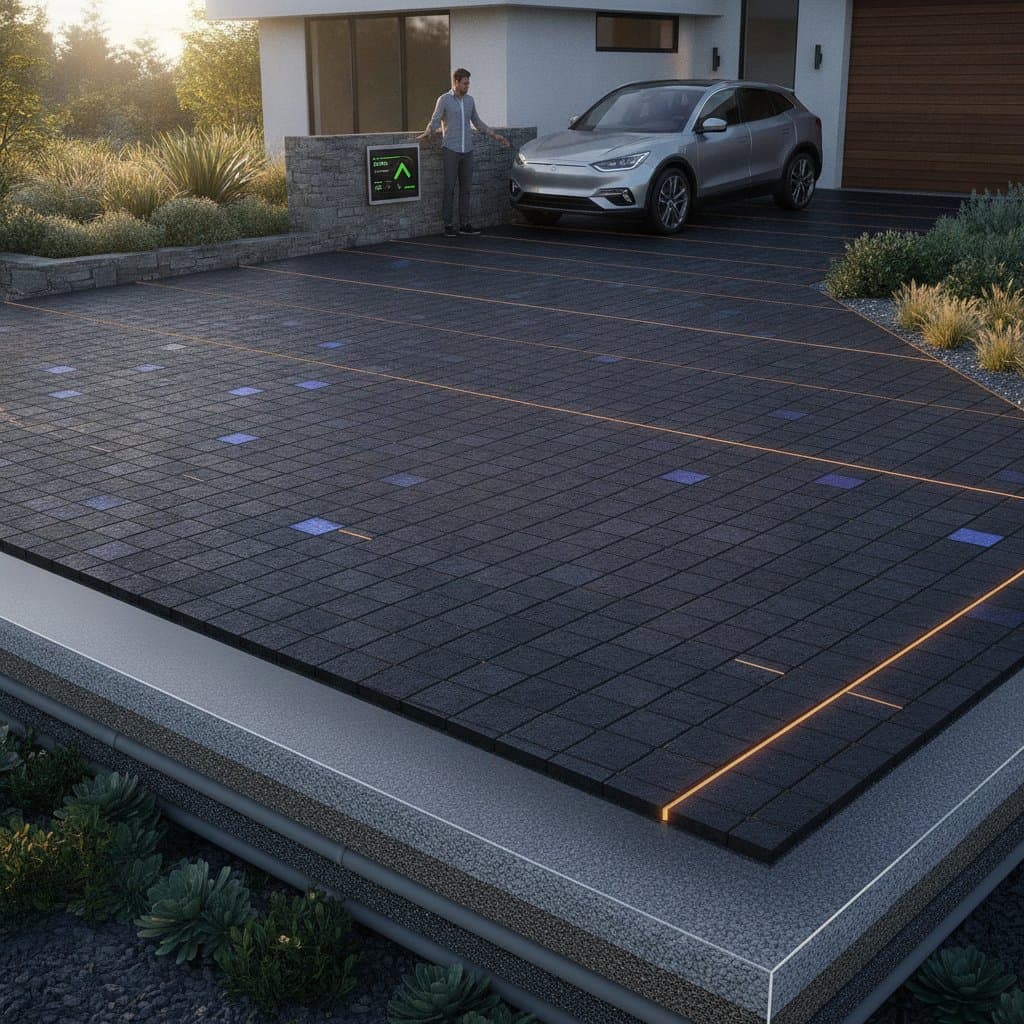
Site Assessment Essentials
Begin with a visual inspection of slope and drainage. Water must flow away from structures to prevent moisture damage to electrical components.
Track sun exposure throughout the day. Note any shadows cast by trees, fences, or buildings that could reduce energy production.
Examine the surface for cracks, soft spots, or standing water after rain. These indicate base instability that requires correction before installation.
Confirm spare capacity in the electrical service panel. Solar pavers connect to the same system as other photovoltaic arrays.
Identify conduit paths that minimize disruption to existing landscaping. Early planning avoids costly trenching later.
Conditions That Raise Risk
Certain site features increase preparation costs or reduce output. Expansive clay soils cause seasonal shifting that stresses modules and wiring.
Poor drainage near foundations leads to water intrusion in connectors. Mature trees that cannot be pruned create permanent shade.
Flood prone locations or regions with prolonged snow cover accelerate wear on seals and frames. Salt application for deicing corrodes metal components over time.
When multiple issues appear, compare total project costs against rooftop or carport alternatives.
Preparation Steps and Cost Factors
Site work begins with excavation and layered compaction. Stable soils require modest investment per square foot, while drainage upgrades add geotextile layers and adjusted depths.
Solar units cost substantially more than standard pavers. Quantity orders provide modest savings.
Electrical integration involves conduit, junction boxes, and inverter connections performed by a licensed electrician. Battery storage increases the budget further for off grid capability.
Avoid shortcuts such as inadequate base compaction. These lead to movement that damages circuits and requires expensive module replacement.
Existing Surface Decisions
Asphalt repairs succeed only when base layers remain dry and stable. Concrete with settlement cracks demands complete removal before new work begins.
Interlocking pavers allow partial conversion if the underlying base meets load and drainage standards. Electrical routing often dictates which sections can receive solar units.
Slope and water management remain priorities in every case. No photovoltaic surface performs reliably when water collects beneath it.
Project Team Coordination
An experienced paving contractor handles modular layout and base requirements. A solar integrator manages code compliance and moisture protection.
A soil aware inspector sets compaction targets. A landscape architect develops grading plans that direct runoff.
A general contractor maintains schedule alignment. An electrician completes final tie in and safety verification.
Professional oversight adds measurable cost yet prevents larger overruns from mismatched trades.
Installation Sequence
Complete drainage corrections first. Install swales, French drains, and extensions before any paving occurs.
Compact the base in layers and verify level. Route conduit ahead of surface placement.
Lay solar modules in zones with maximum exposure. Use matching nonsolar units in shaded or low traffic areas.
Connect the array after paving and sealing. Test sections individually before final joint filling.
Ongoing Care Practices
Remove leaves, dirt, and snow regularly with soft tools that protect glass surfaces. Flush joints during dry periods to clear abrasive grit.
Monitor for haze on panels, output drops, or visible settling. Address corrosion at connectors promptly.
A single failed module affects the entire string. Replacement succeeds best when matching units remain available.
Trim vegetation seasonally to maintain exposure. Recalibrate monitoring annually to compare actual and projected generation.
Investment Outcomes
Proper site preparation and sequenced installation produce consistent power from an otherwise unused surface. Annual inspections sustain performance and protect the initial outlay over decades of service.