
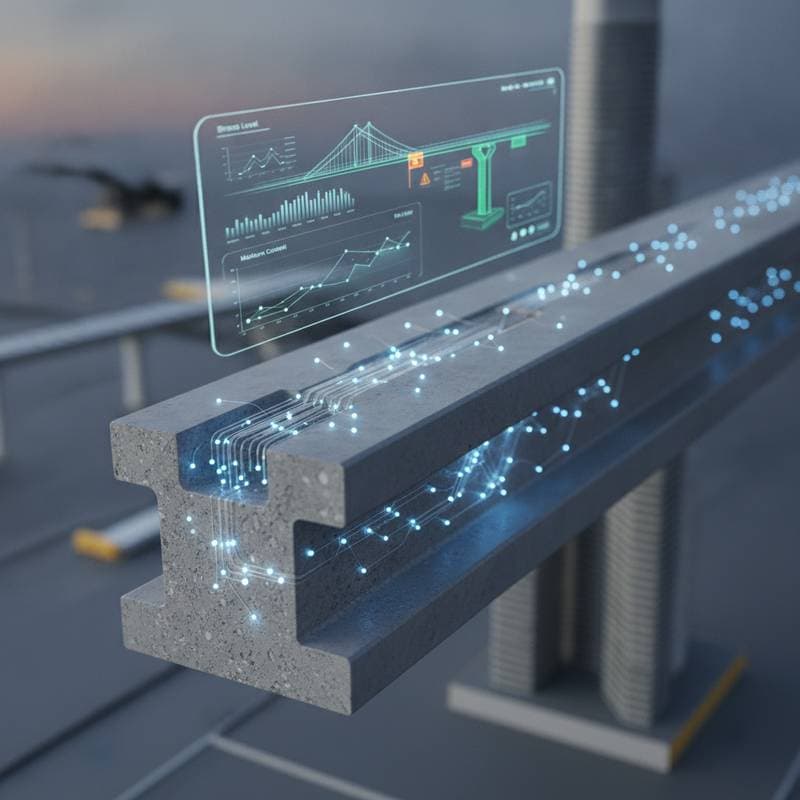
How IoT Sensors Let Smart Concrete Predict Structural Issues
Smart concrete is transforming the way buildings, bridges, and infrastructure are monitored and maintained. By embedding Internet of Things sensors directly into the concrete matrix, engineers can track performance data in real time and predict potential structural issues long before they become visible or dangerous. This technology is changing how durability, safety, and maintenance are managed across construction projects of all scales.
Key Considerations
- Cost range: Smart concrete systems add about 5 to 10 percent to initial project costs, with materials at 45 percent, labor at 35 percent, and equipment and integration at 20 percent.
- Sensor spacing: Devices are typically installed at 12 to 24 inch intervals, depending on structure type and stress zones.
- Data frequency: Sensors transmit readings every 10 to 30 minutes, allowing predictive analytics to detect early warning signs.
- Service life extension: Predictive monitoring can increase structural lifespan by 20 to 40 percent with proper maintenance.
- Decision factors: Project scale, environment, and safety requirements determine whether smart concrete is cost effective.
Planning for Smart Concrete Integration
Before installation, engineers must identify what performance characteristics need monitoring and determine whether smart concrete is justified by the structure function or environment.
Permit and Code Considerations
Most jurisdictions allow embedded sensors as part of concrete systems. Electrical and communication components might require additional inspection or documentation. Always consult local building departments to confirm compliance with structural monitoring standards and electrical safety codes.
Cost and Return Analysis
While initial costs are higher, the long term savings from predictive maintenance offset these expenses. Traditional inspection relies on periodic visual checks that can miss internal damage. Smart concrete detects internal stress or corrosion early, preventing catastrophic failures and reducing repair costs by as much as 30 percent.
Project managers should budget for sensors and transmitters at 25 to 60 dollars each depending on capability. Data platform subscriptions cost 200 to 600 dollars annually for cloud analytics. Installation labor runs 20 to 25 percent above standard concrete placement. The return on investment improves for large scale or critical infrastructure projects where downtime or failure carries significant financial or safety implications.
Executing the Installation Process
Embedding sensors into concrete requires coordination among the structural engineer, concrete contractor, and electrical technician.
Sensor Positioning and Calibration
Place sensors in pre marked positions using non conductive mounting brackets. Calibrate each unit before pouring to ensure baseline readings are accurate. Verify signal transmission through a handheld receiver.
Pouring and Consolidation
Pour concrete carefully around sensors to avoid dislodgment. Use a vibrator at low intensity to remove air pockets without disturbing placement. Confirm sensor cables or antennae remain accessible for post pour testing.
Data Connection and Testing
Once the concrete reaches initial set, connect sensors to the gateway hub or transmitter. Conduct a connectivity test to confirm each unit communicates with the monitoring platform. Record the baseline data for future comparison.
Curing and Protection
Maintain standard curing practices for 7 days under moist conditions. Protect exposed components from mechanical damage during finishing operations. After the curing period, verify that sensor readings remain stable.
Troubleshooting Common Challenges
Even advanced technology faces issues that require attention.
Signal Interference
Concrete can block wireless signals if sensors are placed too deep or near rebar clusters. Use mesh networks or surface antennas to maintain transmission reliability.
Calibration Drift
Over time, sensor readings may shift due to environmental conditions. Schedule recalibration checks every 12 months to preserve accuracy.
Power Limitations
Battery operated sensors may lose capacity in extreme cold or heat. Opt for energy harvesting models that use vibration or temperature gradients to recharge.
Maintaining Data Systems and Long Term Performance
Smart concrete demands ongoing management of both physical and digital components.
Regular Maintenance Tasks
- Inspect gateway enclosures quarterly for moisture or corrosion.
- Update firmware to maintain compatibility with cloud platforms.
- Check data integrity by comparing readings with manual inspections.
- Replace failed sensors within the first maintenance cycle to prevent blind spots.
Long term reliability depends on consistent data validation. Structures equipped with smart concrete generally require fewer invasive inspections and experience less unplanned downtime.
DIY Versus Professional Installation
Small scale residential projects can integrate basic sensor systems if the homeowner has electrical and concrete experience. For safety critical or large structures, professional integration is strongly recommended.
When DIY Is Viable
Projects under 500 square feet such as patios or driveways qualify. Passive self sensing concrete with no active electronics works well. User friendly mobile monitoring platforms must be available. DIY installations can reduce costs by 20 to 30 percent, but accuracy and reliability may suffer if placement or calibration is off.
When Professional Help Is Essential
Multi story buildings, bridges, or retaining walls require professional support. Projects needing structural certification or code compliance also demand experts. Complex wireless networks or multiple data gateways fall into this category. When hiring professionals, confirm they hold relevant structural or electrical licenses, carry liability insurance, and provide warranties for sensor performance.
Maximizing Long Term Value from Embedded Monitoring
Smart concrete with IoT sensors represents a leap forward in how structures are monitored throughout their life cycle. By delivering continuous, data driven insights, it helps engineers act before small cracks evolve into costly failures. For homeowners or builders planning new projects, evaluating whether smart concrete fits specific goals depends on budget, longevity expectations, and the criticality of the structure. When implemented correctly, this technology transforms maintenance from reactive repair work into intelligent, preventive management that keeps structures stronger for longer.