
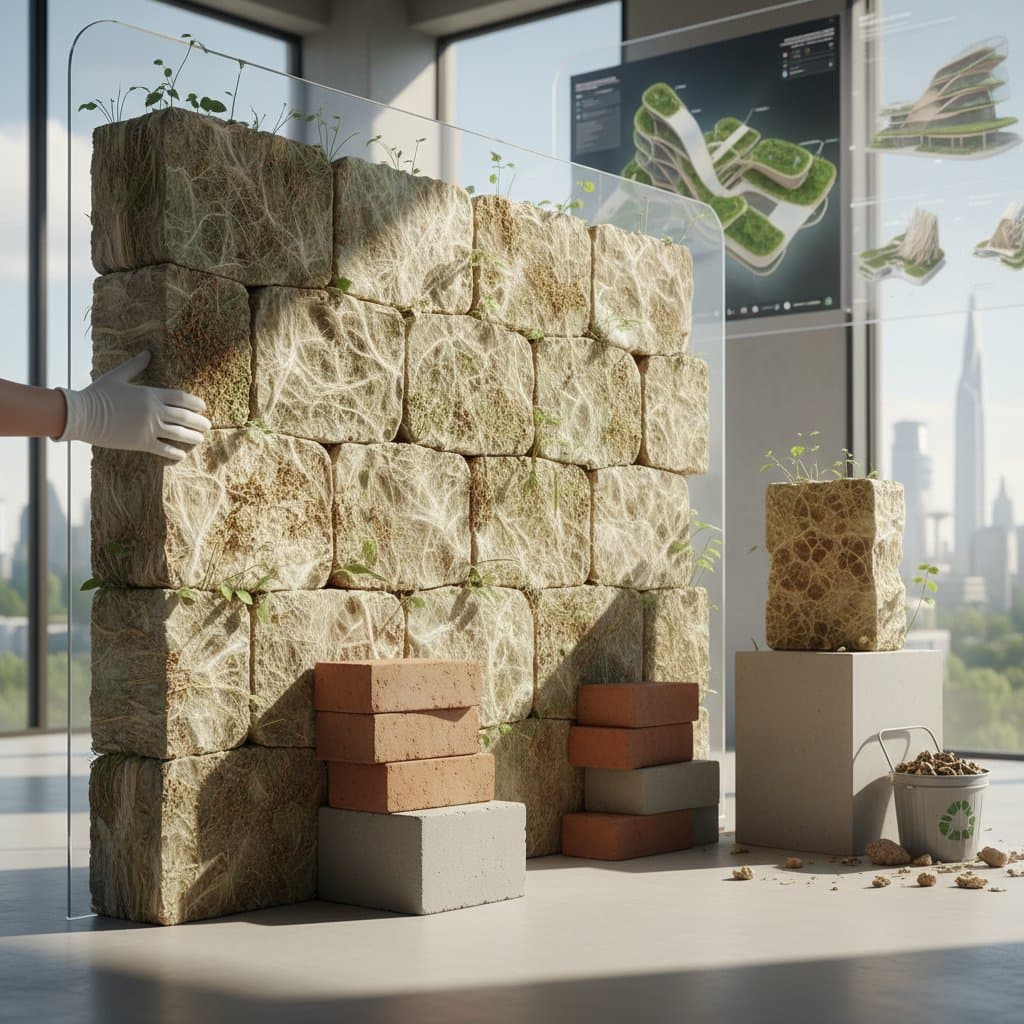
Why Mycelium Bricks Represent the Future of Sustainable Masonry
Mycelium bricks derive from the root-like structure of fungi, known as mycelium. This material binds agricultural waste, such as sawdust or straw, within molds to form solid, lightweight blocks. After drying, these bricks serve as viable alternatives to conventional masonry units. The process yields a biodegradable, low-carbon product that develops through natural growth rather than energy-intensive manufacturing involving heat or chemicals.
Builders, designers, and homeowners increasingly seek options beyond traditional materials like fired clay or concrete, which demand substantial energy. Mycelium bricks differ in composition and behavior from standard units. Builders must evaluate their performance characteristics, limitations, and specific handling requirements prior to incorporation into any structure.
Factors Influencing Costs
The market for mycelium bricks remains in development, which affects pricing. Raw material expenses typically range from $4 to $6 per square foot of wall surface for the bricks themselves. When factoring in installation, including protective coatings and framing or bonding systems, costs average $12 to $20 per square foot.
Expenses increase with demands for custom molds, additional insulation layers, or comprehensive sealing applications. Sourcing agricultural waste locally and conducting on-site growth processes can reduce overall costs. As production scales, prices should align more closely with those of lightweight concrete blocks, potentially lowering barriers to adoption.
Key Specifications to Evaluate
Before purchasing, review these essential properties to ensure suitability for the project:
- Density: Expressed in pounds per cubic foot, values generally fall between 12 and 20. Lower densities enhance insulation properties but compromise structural strength.
- Compressive strength: Ranges from 100 to 300 psi. For context, standard concrete blocks achieve approximately 1900 psi, highlighting the need for appropriate applications.
- Water absorption: Opt for products with less than 20 percent absorption by weight after 24 hours of immersion to promote longevity.
- Thermal resistance (R-value): Approximately R-3 per inch, surpassing many mineral-based masonry options.
- Fire rating: Verify compliance with ASTM standards or equivalents for flame spread and smoke development.
- Mold growth resistance: Ensure the bricks undergo heat treatment or chemical stabilization to inhibit fungal regrowth.
These metrics guide decisions on load-bearing capacity, environmental exposure, and integration with other building elements.
Step-by-Step Installation Guide
Proper installation maximizes the benefits of mycelium bricks while addressing their unique properties. Follow these steps for reliable results:
- Plan the layout and pattern. Sketch the wall dimensions, including height, openings, and mortar joint positions.
- Prepare the base. Compact a layer of gravel or pour a shallow footing, ensuring a level surface.
- Apply a moisture barrier. Install a waterproof membrane or coating on the foundation to prevent upward water migration.
- Set the first course. Position the initial row of bricks using low-cement mortar or a natural adhesive formulated for bio-based materials.
- Stack and align subsequent courses. Stagger joints for stability and maintain uniform spacing. Gently tamp each brick to secure it without excessive force.
- Incorporate edge restraints or frames. Add these elements to resist lateral movement or deformation over time.
- Apply a protective finish. Upon completion, coat the wall with a breathable sealant, limewash, or resin to repel water while allowing vapor transmission.
- Facilitate drying. Maintain ventilation in the area until internal moisture levels equilibrate.
Handle the bricks with care during placement, as their lighter weight and porosity demand less aggressive manipulation than concrete alternatives.
Deciding Between DIY and Professional Installation
For non-structural applications such as garden walls, planters, or interior accent panels, individuals can manage the project independently. The work involves minimal mess, with no cement dust or thermal hazards. Basic tools suffice: a hand saw for cuts, a level for alignment, and natural adhesives for bonding.
Engage a professional for more demanding scenarios:
- Projects bearing loads from roofs or floors.
- Sites prone to poor drainage or freeze-thaw cycles.
- Installations requiring building code approvals or engineered plans.
- Configurations needing precise fire or moisture barriers.
Experts adeptly integrate mycelium bricks with timber or steel frameworks, achieving structural compliance without sacrificing environmental advantages.
Considerations for Regional Climates
Performance varies by location, so adapt usage accordingly:
- Freeze-thaw regions: Select bricks certified for exterior use. Moisture entrapment can lead to expansion and surface degradation.
- Arid environments: These bricks excel here, benefiting from low humidity and moderate temperature fluctuations.
- Coastal zones: Combat salt exposure and persistent moisture with premium sealants and elevated foundations.
- Humid areas: Reserve for indoor applications or protected exteriors, incorporating ventilation spaces behind any cladding.
- Cold climates: Pair with supplementary insulation to mitigate condensation and optimize heat retention.
Local conditions also affect production timelines. When cultivating bricks on-site, monitor indoor humidity and airflow to ensure consistent quality.
Essential Checks When Purchasing
To avoid issues, verify the following with suppliers:
- Bricks receive full heat treatment or dehydration to halt fungal activity.
- Lab-tested data on strength and fire resistance aligns with project needs.
- Moisture content stays below 15 percent upon delivery.
- Dimensions remain uniform, often 8 by 4 by 2 inches, for seamless integration.
- Packaging shields against precipitation during transport.
- Account for 10 percent surplus to cover cuts and potential damage.
Request comprehensive data sheets detailing density, compressive strength, and absorption rates. For regulated builds, obtain certification suitable for code inspections.
Strategies for Optimal Results
Achieve the best outcomes with these practical recommendations:
- Conduct preliminary tests. Construct a small test wall to assess cutting, bonding, and overall handling.
- Manage moisture rigorously. Store bricks in dry conditions pre-installation and apply sealants promptly post-construction.
- Integrate complementary materials. Blend mycelium bricks with timber framing or clay plasters to enhance overall system performance.
- Promote airflow. Design bio-based walls with circulation provisions to maintain integrity.
- Vet suppliers thoroughly. Prioritize those demonstrating robust quality controls and transparent testing protocols.
Advancing Sustainable Construction Practices
Mycelium bricks bridge innovation and practicality in eco-conscious building. By addressing their specifications and installation nuances, projects gain durability alongside reduced environmental impact. This approach not only lowers carbon footprints but also inspires adaptive designs that harmonize with natural cycles, paving the way for resilient architecture.