
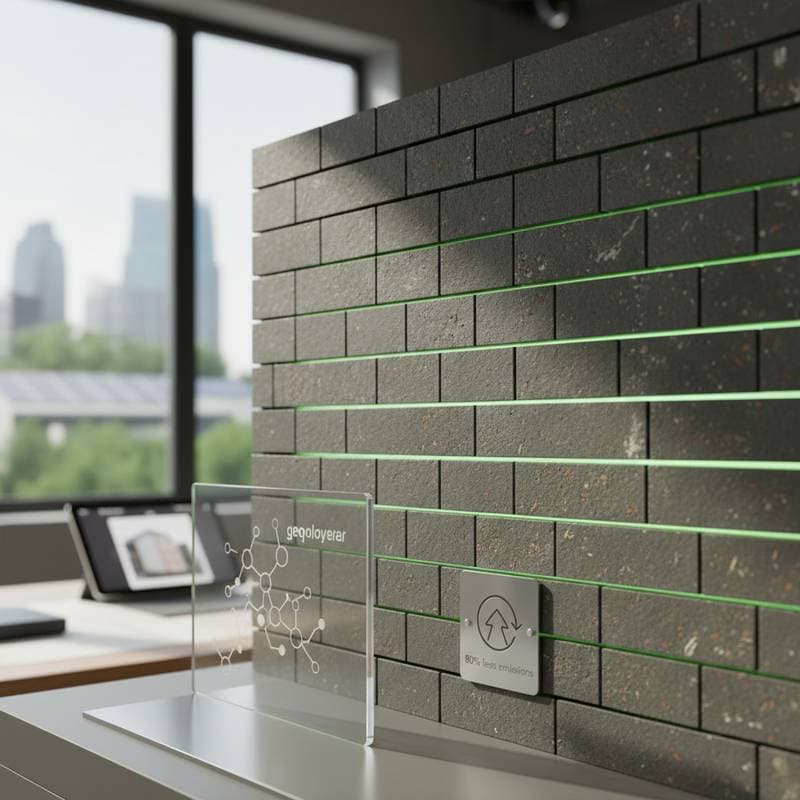
Zero-Cement Bricks: Driving Sustainable Masonry Forward in 2025
The construction sector faces mounting pressure to lower its environmental footprint while upholding rigorous standards for safety and longevity. Zero-cement bricks, commonly referred to as geopolymer bricks, stand at the forefront of this evolution. These materials substitute traditional cement with recycled industrial by-products, offering a viable solution for reducing carbon emissions without sacrificing structural integrity.
This article delves into the essentials of zero-cement bricks, including their composition, production process, advantages, and integration into various projects. Builders and homeowners alike can gain insights to make informed decisions that align with modern sustainability goals.
Essential Benefits and Specifications
Zero-cement bricks provide multiple advantages that appeal to environmentally conscious professionals. Their production process activates natural minerals through chemical reactions, resulting in a material that binds more efficiently than conventional cement.
Key specifications include:
- Emission Reduction: Production emits up to 80 percent less CO₂ than standard cement bricks, primarily by repurposing waste materials like fly ash and slag.
- Compressive Strength: These bricks achieve 5,000 to 8,000 pounds per square inch (PSI), matching or surpassing many concrete masonry units for load-bearing applications.
- Density and Weight: With a typical density of 100 to 120 pounds per cubic foot, they offer balanced weight for easier handling while maintaining stability.
- Thermal Properties: Enhanced insulation reduces energy needs for heating and cooling in finished structures.
- Curing Timeline: Full strength develops in 7 to 14 days under standard conditions, accelerating project timelines compared to longer cement curing periods.
These attributes make zero-cement bricks suitable for residential homes, commercial buildings, and infrastructure projects seeking certification under green building standards.
Preparing for a Zero-Cement Brick Project
Successful implementation begins with thorough planning to ensure compliance and efficiency. Start by reviewing local regulations, as many areas now approve geopolymer materials if they meet equivalent performance criteria to traditional options. Secure permits in advance, and consult structural engineers for load calculations in critical applications.
Sourcing Materials and Equipment
Reliable material selection forms the foundation of quality results. Focus on locally available by-products to minimize transportation emissions and costs.
Required components include:
- Base Binders: Fly ash, ground granulated blast-furnace slag, or rice husk ash, which supply the necessary silica and alumina for the geopolymer reaction.
- Activators: A precise mixture of sodium hydroxide and sodium silicate solutions to initiate the binding process.
- Aggregates: Fine sand and coarse gravel to enhance texture and prevent shrinkage during curing.
- Additives: Small amounts of water and superplasticizers to achieve optimal workability without excess moisture.
- Safety Equipment: Nitrile gloves, safety goggles, dust masks, and protective clothing to handle alkaline chemicals safely.
- Forming Tools: Reusable steel molds or wooden frames sized to standard brick dimensions, such as 8 by 4 by 2.25 inches.
Partner with certified suppliers who provide lab-tested materials to guarantee consistency across batches.
Budgeting and Cost Analysis
Initial expenses for zero-cement bricks range from 10 to 25 percent higher than traditional counterparts due to activator costs and specialized mixing. However, these investments yield returns through reduced energy use in production and minimal long-term repairs.
Breakdown of typical costs:
- Materials: 60 percent of the budget, with activators comprising the largest share at $0.50 to $1.00 per brick.
- Labor: 30 percent, varying by region but often lower for on-site mixing versus factory production.
- Equipment and Curing: 10 percent, including molds and controlled environments for initial setting.
For a standard wall, anticipate $5 to $7 per square foot installed, with savings amplifying in large-scale projects through bulk sourcing. Factor in potential rebates from green building incentives to offset upfront outlays.
Ensuring Quality During Production and Installation
Maintaining high standards prevents common pitfalls and ensures longevity. Test samples from each mix batch to verify performance before full-scale use.
Inspection Protocols
Regular checks safeguard against defects. Examine bricks for uniformity and resilience using these steps:
- Measure dimensions to confirm variations stay within 1/16 inch per side.
- Perform compressive strength tests on cured samples, targeting the 5,000 PSI minimum.
- Conduct absorption tests by submerging bricks in water; quality units absorb less than 10 percent of their weight.
- Inspect for visual flaws like cracks or efflorescence, adjusting mix ratios if issues arise.
During installation, align bricks precisely with mortarless or geopolymer-compatible joints to maximize adhesion and weather resistance.
Long-Term Care for Geopolymer Masonry
Once in place, zero-cement bricks demand little intervention, thanks to their inherent resistance to weathering and pests. Focus on preventive measures to preserve appearance and function over decades.
Annual maintenance routines involve:
- Joint Evaluation: Scan mortar lines for gaps wider than 1/8 inch and apply compatible sealants as needed.
- Cleaning Procedures: Use a soft brush and pH-neutral detergent to remove dirt; steer clear of harsh chemicals that could degrade the surface.
- Moisture Management: Ensure site grading directs water away from walls, and install weep holes in retaining structures to facilitate drainage.
With diligent care, these bricks support structures lasting over 75 years, often outperforming clay or concrete alternatives in humid or seismic zones.
Choosing Between DIY and Professional Approaches
For non-structural elements like retaining walls or patios, experienced DIY enthusiasts can handle production and laying with proper preparation. Savings of 20 to 30 percent on labor become feasible if you invest in a portable mixer and reusable molds upfront.
Larger or load-bearing projects benefit from certified masons who understand geopolymer nuances, such as activator timing and joint reinforcement. Always prioritize safety training to mitigate risks from chemical handling.
Advancing Sustainability Through Geopolymer Innovation
Adopting zero-cement bricks extends beyond material selection; it fosters a holistic commitment to eco-friendly practices. By diverting industrial waste from landfills and curbing emissions, builders play a pivotal role in combating climate change. These bricks not only enhance project resilience but also position properties as models of forward-thinking design, appealing to buyers and regulators alike.