
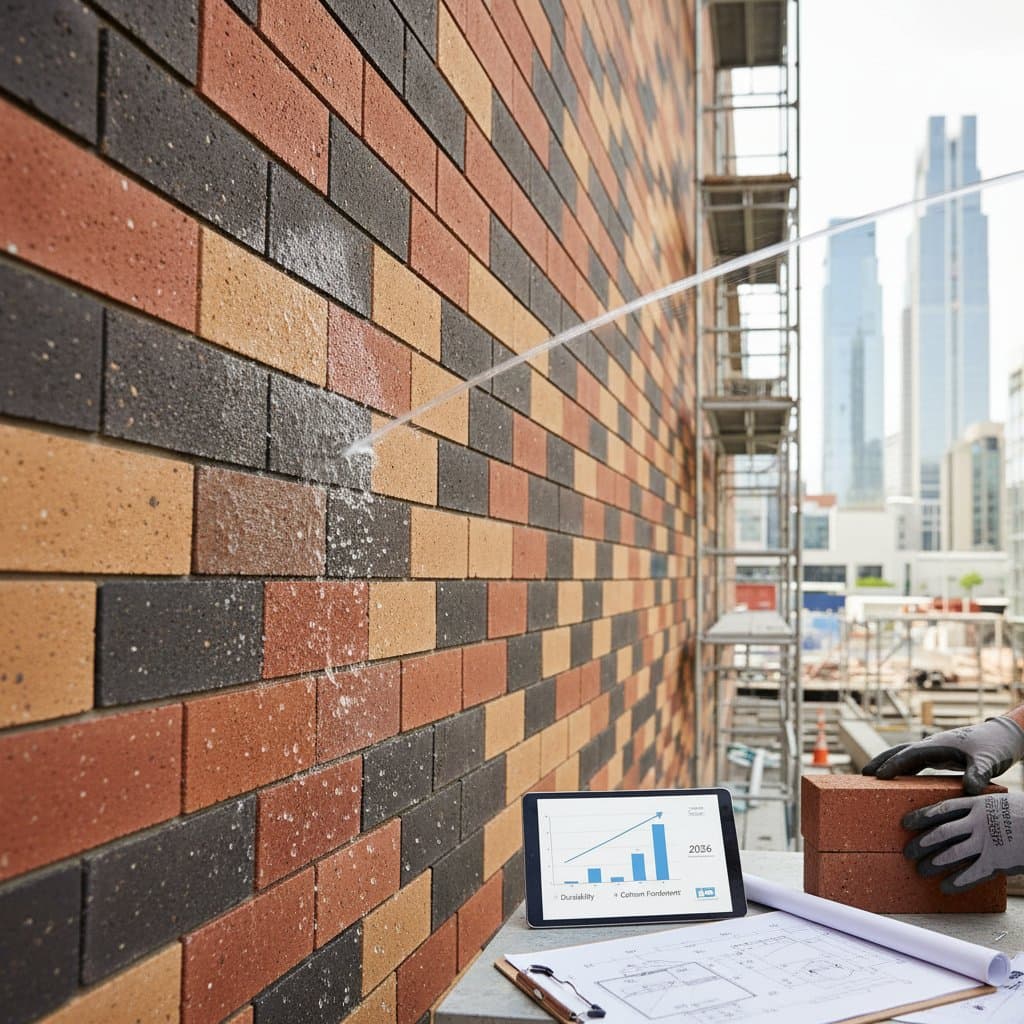
Zero-Cement Geopolymer Bricks Set to Transform Masonry by 2026
Introduction to the Shift
Cement-free masonry transitions from laboratory experiments to practical construction sites. Geopolymer bricks solidify without Portland cement, delivering reduced carbon emissions and superior performance in humid environments. Builders encounter hurdles such as initial expenses, quality variations, and regulatory approvals. Those who conduct early field trials balance costs effectively while establishing reliability.
Why Zero-Cement Bricks Matter
Portland cement production generates substantial carbon emissions through limestone calcination. Geopolymer bricks utilize industrial byproducts like fly ash or slag to form robust aluminosilicate bonds at ambient temperatures. This process lowers emissions and enhances resistance to acids, salts, and freeze-thaw cycles. For masonry applications, these bricks reduce long-term expenses and minimize repair needs.
The advantages extend beyond environmental benefits. Geopolymer bricks influence workability, setting times, and adhesion strengths. Field observations reveal distinct handling characteristics. One mason from Ontario noted, "The mix feels lighter, but once it sets, it grips the trowel joint tighter than cement." Such insights underscore the value of hands-on training over promotional materials.
Field Performance and Durability
Initial installations in diverse climates demonstrate strong outcomes. Geopolymer bricks exhibit minimal shrink cracking and retain color without protective coatings. Their dense structure limits water absorption compared to traditional fired-clay bricks. In areas where cement-based systems deteriorated from freeze cycles, geopolymer joints remained secure.
Material variability poses challenges, as fly ash reactivity differs by source. Each production batch requires verification for strength and setting duration. Reputable suppliers provide mix certificates and performance data for every run. From a upkeep perspective, these walls demand fewer mortar repairs, as the brick outperforms the joints. Choose mortars with matching vapor permeability to prevent cracking or separation.
Design and Aesthetic Integration
Architects appreciate the expanded color options and refined surface finishes of geopolymer bricks. Pigments integrate uniformly, avoiding calcium-related leaching or discoloration. In restoration projects, these bricks achieve closer matches to aged clay hues.
Dimensional accuracy supports precise jointing and efficient layouts. Masons may request textured surfaces for better handling, which manufacturers can customize during production. Ensure the finish promotes moisture evaporation and strong bonds. For partial replacements or renovations, evaluate samples alongside existing materials under natural lighting to verify visual harmony.
Site Assessments: What to Inspect
Evaluate construction sites proposing new masonry by examining stress points on current structures. These observations highlight opportunities for geopolymer advantages.
- Inspect wall alignments for bulging or tilting, indicating foundation issues or freeze-thaw damage.
- Examine roof edges and splash areas for discoloration or surface breakdown from water exposure.
- Check mortar lines for white salt deposits or crumbling, signaling internal moisture migration.
- Probe basements and crawl spaces for humidity or wet spots, revealing ambient moisture challenges.
- Review soil levels adjacent to walls to identify pooling risks at vulnerable seams.
- Analyze support routes over doorways and windows for fractures, denoting thermal or load shifts.
These evaluations predict material success prior to prototype construction.
Identifying Potential Risks
Certain indicators suggest elevated challenges with geopolymer adoption.
- Ongoing water penetration in current masonry.
- Absent or blocked drainage openings.
- Mortar that yields to tool pressure.
- Displaced bricks at edges or rooflines.
- Surface deterioration from sulfate exposure.
- Enclosed wall spaces or compressed insulation behind veneers.
- Uneven hardening or shading in product prototypes.
- Missing independent verification of strength or weather resistance from producers.
Multiple issues correlate with increased expenses or liability concerns. Consult a structural engineer and materials expert if several arise before proceeding.
Cost Estimates and Implementation Adjustments
Adopting geopolymer bricks alters material selections and workflow timelines. Expenses fluctuate with project size, yet patterns emerge.
- Materials: Initial units cost 15 to 25 percent more than clay or concrete blocks, with prices expected to decrease as production scales.
- Labor: Installation techniques resemble standard methods, though specialized mortars like polymer-enhanced or lime variants may require adaptation. Initial training contributes 1 to 3 percent to project totals.
- Preparation: Optimal adhesion demands clean, level bases; cleaning and smoothing adds approximately 50 cents per square foot.
- Curing: Ambient hardening eliminates heating needs but requires moisture management in the first week.
- Design Modifications: Mid-project changes to flashings, supports, and sealants may necessitate revisions, allocating 5 to 10 percent for updates if originally planned for cement systems.
Avoid superficial solutions, such as sealing porous blocks to imitate geopolymer traits, as they often retain vapors and cause early failures.
Repair Strategies Versus Full Replacement
For structures with existing masonry, choices between maintenance and overhaul hinge on integrity, water issues, and safety. Similar considerations apply to geopolymer integration.
- Stable Structures: Retain original bricks, refresh joints with suitable mortars, and trial geopolymer infills on minor areas. Opt for repairs over replacement absent persistent leaks.
- Moisture-Affected Walls: Prioritize exterior drainage improvements, including gutter extensions and site grading. If issues continue, deploy geopolymer in high-wear zones like base levels.
- Heritage or Ornamental Surfaces: Conserve authentic elements where feasible. Geopolymer options may align better in appearance than contemporary blocks, but verify breathability to prevent interface problems.
- Structural Overhauls: Conduct comprehensive load assessments before substitution. Certain geopolymer variants match or exceed concrete block strengths, though regional validations vary.
Follow this principle: Maintain when foundations hold firm and threats remain minimal; replace only if degradation or infiltration proves uncontrollable.
Assembling the Project Team
Introducing novel masonry impacts planning, sourcing, and oversight. Assemble key personnel from the outset.
- Inspector: Select an expert in legacy and composite systems to detect adhesion or curing anomalies promptly.
- Architect: Involve for reviews of insulation, barriers, and weatherproofing compatibility, as material shifts influence wall profiles and energy dynamics.
- General Contractor: Include in trial and prototype phases to manage timelines and avert errors from altered procedures.
- Engineer: Essential for weight-bearing or earthquake-prone designs, given variations in density and elasticity.
- Manufacturer Specialist: Rely on technical support for on-site guidance during inaugural applications, beyond sales input.
Concurrent reviews of designs, estimates, and prototypes streamline progress. Integrated management may increase budgets by 10 to 20 percent yet mitigates delays from unproven elements.
Prioritizing Application Areas
Target geopolymer bricks where benefits outweigh investments.
- Exposed Facades: Ideal for ground-level, rooftop, or marine settings prone to cement joint failures.
- Internal Supports: Suitable for partitions emphasizing load capacity and fire safety with limited dampness.
- Facade Renewals: Beneficial for weight savings that bypass foundation upgrades.
- Efficiency Enhancements: Pair with airtightness and thermal improvements to lower energy demands.
Postpone applications in low-impact zones, such as arid interior accents, where gains prove marginal. Safeguard functional legacy masonry.
Budgeting and Phased Execution
Structure projects to prioritize water handling, stability, and completion sequences.
- Manage Moisture: Resolve site grading, drainage systems, and roof discharges prior to wall interventions.
- Secure Foundations: Validate load paths and reinforcements before material trials.
- Construct Prototypes: Erect sample panels to assess setting, appearance, and adhesion.
- Execute Main Installation: Proceed from base levels upward, observing water flow patterns.
- Monitor Dryness: Employ meters to ensure surface stability before finishes.
- Apply Final Treatments: Seal or coat only after confirmed equilibrium.
Adhering to this progression prevents moisture entrapment and surface issues, safeguarding investments.
Navigating Risks and Regulatory Hurdles
Building authorities advance cautiously behind technological progress. Codes frequently cite cement benchmarks for strength and fire performance. Geopolymer variants require third-party equivalency proofs. In advance of broader standards, projects might rely on expert evaluations or site-specific validations for clearance.
Underwriters and guarantees evolve gradually. Certain providers view these materials as novel, potentially affecting coverage. Maintain thorough records of specifications, outcomes, and installation protocols to resolve future claims.
Upfront testing expenses add modestly to pioneers but avert substantial rework or fines.
Long-Term Care for Geopolymer Installations
Geopolymer walls endure well yet rely on vigilant water oversight post-construction. Regular inspections of drainage and seals prevent minor issues from escalating. Clean surfaces gently to preserve the matrix integrity, and monitor joints for early wear. With proper stewardship, these systems deliver decades of low-maintenance service, amplifying their environmental and economic value.