
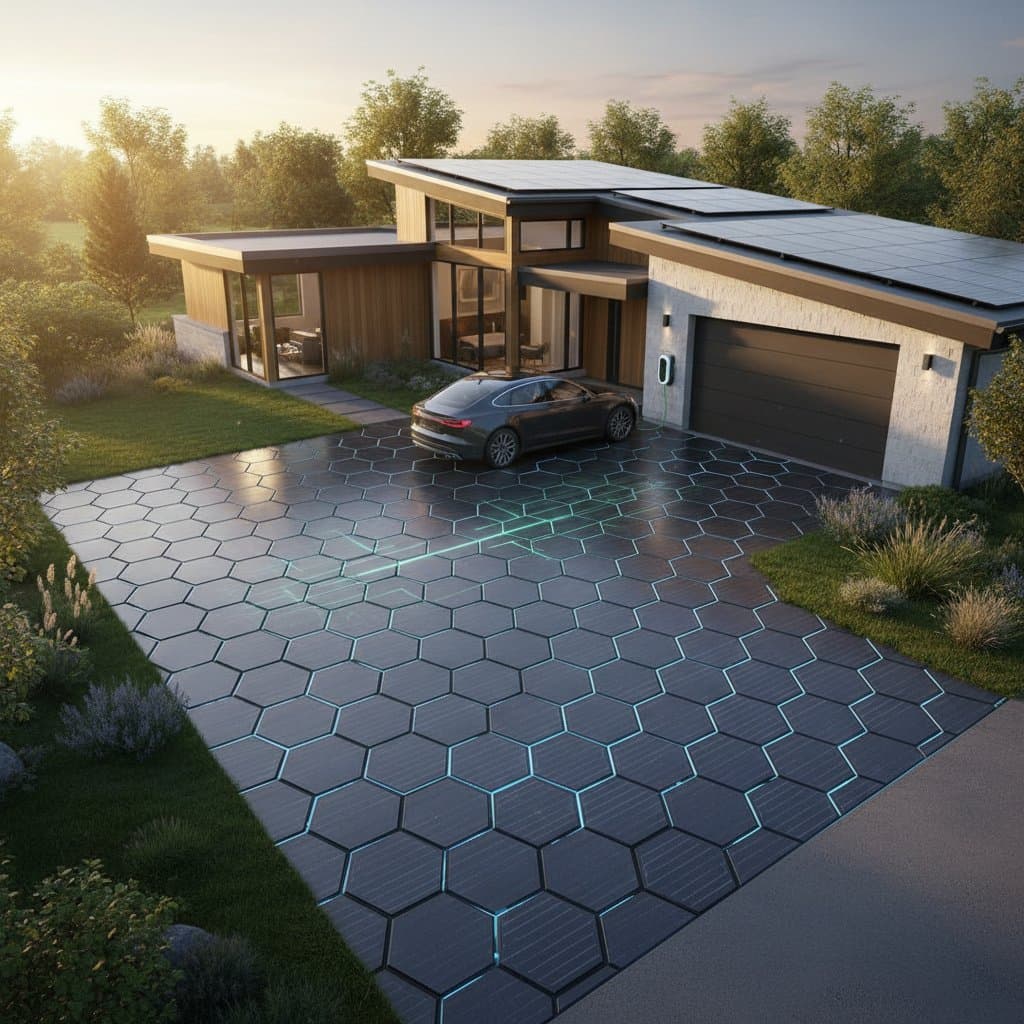
Planning and Permitting Essentials
Homeowners must verify local building and electrical permit requirements before starting a solar driveway project. Jurisdictions often classify these installations as combined structural and electrical systems, so adherence to zoning setbacks and grid interconnection standards is crucial. Reach out to your municipal building department early to outline the approval process and avoid delays.
Assessing Site Conditions
Evaluate the driveway's solar exposure and orientation to maximize output. South-facing locations with unobstructed sunlight deliver optimal results, potentially generating over 3,000 kWh annually for a standard 400-square-foot driveway. In areas with intermittent shade from trees or buildings, incorporate microinverters or power optimizers to enable independent module performance and reduce overall efficiency losses by up to 25 percent.
Addressing Soil and Drainage Needs
Stable, well-drained soil forms the foundation for a reliable solar driveway. For clay-heavy soils prone to expansion, add 6 to 8 inches of compacted gravel to mitigate frost heave and prevent water accumulation under the panels. Design the slope at 1 to 2 percent to channel runoff away from electrical components and into existing drainage systems, ensuring long-term protection against erosion.
Estimating Costs and Securing Funding
Expect installation expenses of $22,000 to $35,000 for a typical two-car driveway, influenced by regional labor rates and material choices. Utility companies and government programs frequently provide solar incentives or tax credits that cover 25 to 30 percent of the investment. Consider low-interest loans for energy upgrades or solar leases to spread payments, making the upfront cost more manageable while preserving eligibility for rebates.
Preparing the Site and Installing the Base
Thorough site preparation guarantees the driveway's durability and electrical performance under daily use.
1. Clearing and Grading the Area
Begin by removing old asphalt or concrete surfaces completely. Excavate to 8 to 10 inches deep to accommodate the gravel base and panel depth, then grade the ground to a 1 to 2 percent slope that promotes effective water drainage and prevents pooling.
2. Building and Compacting the Base
Apply crushed stone in 2-inch layers, compacting each one thoroughly with a plate compactor for even density. Verify levelness across the entire area to avoid uneven settling. The finished base should withstand vehicle loads without shifting more than a quarter inch, providing a solid platform for the panels.
3. Routing Electrical Conduits
Install protective conduits for wiring prior to panel placement, burying them at least 12 inches below the surface. Include waterproof junction boxes at key intervals for easy access during inspections or repairs. This setup safeguards connections from environmental damage and simplifies future maintenance tasks.
Ensuring Quality and Testing Performance
Post-installation testing confirms the system's readiness and efficiency. Use a digital multimeter or dedicated monitoring app to measure initial output, targeting 15 to 20 percent efficiency based on the selected panel technology. Document these baseline figures to track degradation over time and identify issues early.
Conduct a full visual inspection of seals, joints, and wiring for any gaps or weaknesses. Test surface stability by driving a vehicle across it, noting any flex in the panels exceeding 1/16 inch, which may indicate insufficient base compaction requiring immediate correction. These steps verify safe operation and compliance with performance expectations.
Ongoing Maintenance for Peak Performance
Solar driveways require minimal intervention compared to conventional paving, yet regular upkeep sustains their energy yield.
-
Quarterly Cleaning: Sweep away debris like dirt, pollen, or fallen leaves to maintain maximum sunlight absorption and prevent efficiency drops of up to 10 percent.
-
Annual Professional Check: Examine wiring for wear, reseal edges as needed, and test the inverter for faults to catch problems before they escalate.
-
Winter Snow Management: Clear accumulations with soft plastic tools to avoid scratching the panel surfaces; allow natural melting for light coverage to minimize labor.
-
Module Lifespan: Plan for replacing individual panels after 20 to 25 years, guided by the manufacturer's warranty terms and output monitoring data.
Factors such as quality installation, effective drainage, and local weather influence durability. Systems receiving proper attention often maintain 80 percent of original efficiency after 20 years, delivering consistent returns on investment.
Weighing DIY Against Professional Installation
Experienced homeowners might handle modular solar paver assembly themselves, potentially saving 20 to 25 percent on labor. However, integrating the electrical components demands a licensed electrician's expertise to ensure safety and code compliance. Errors in wiring or foundational work can lead to costly repairs, diminished output, or voided warranties.
Situations Requiring Expert Involvement
Professionals are indispensable for grid-tied electrical setups that synchronize with home power systems. They also handle structural engineering for driveways supporting heavy vehicles, navigate permitting hurdles, and document everything to uphold manufacturer guarantees. Choose contractors with verified credentials, including state licensing, liability insurance, and a portfolio of completed solar installations.
Request bids that detail specific brands, inverter specifications, and projected yearly energy production, typically 3,000 to 4,000 kWh for average setups. Compare at least three proposals to secure competitive pricing and aligned expertise.
Implementing Your Solar Driveway Project
Blending solar panels with driveway design creates a seamless union of utility and renewable power generation. Homeowners gain the ability to harvest energy from underutilized space, slash monthly bills by offsetting 50 to 70 percent of household use, and integrate green features into their outdoor areas. Focus on detailed site analysis, skilled execution, and vigilant care to realize these benefits fully. As panel efficiencies improve and prices drop, solar driveways emerge as an accessible way to power daily life sustainably, one paved square at a time.