
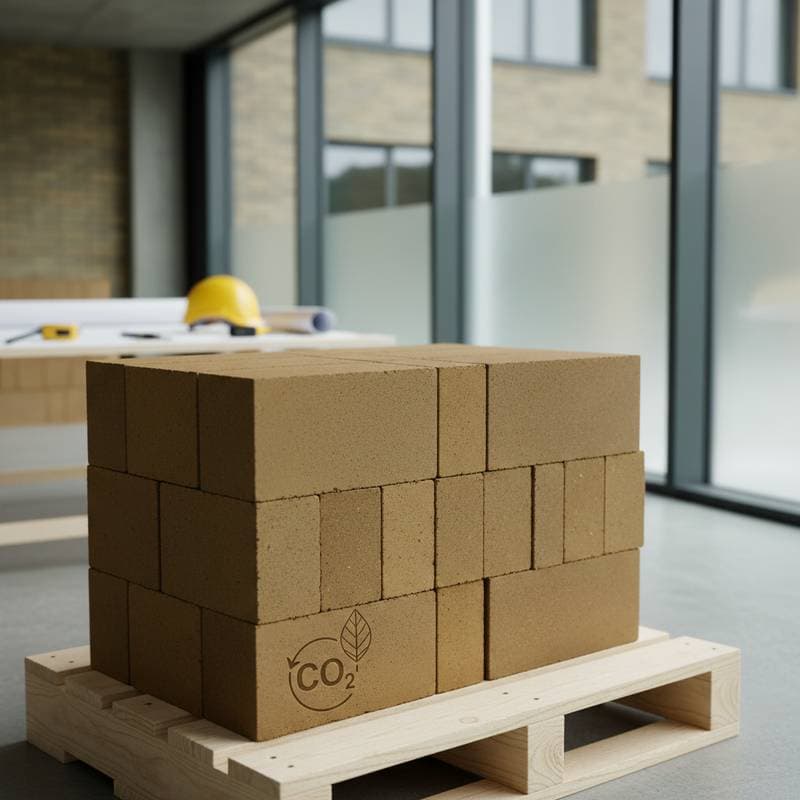
Zero-Cement Bricks: Revolutionizing Sustainable Masonry
Zero-cement bricks represent a significant advancement in masonry units, produced without the use of Portland cement. Instead, they incorporate alternative binders like geopolymers or byproducts from industry, including fly ash, slag, and calcined clay. These components form strong bonds through chemical reactions that avoid the high-carbon limestone clinker typical in traditional production, resulting in materials that emit up to 80 percent less carbon dioxide during manufacturing.
This innovative approach alters perspectives on constructing walls, pathways, and structural elements. Builders achieve comparable strength and longevity to conventional bricks while minimizing environmental impact. In many cases, these bricks demonstrate enhanced performance over time, resisting wear better than standard options and supporting broader goals for sustainable development.
Understanding Production Costs
The price of zero-cement bricks generally spans from $1.00 to $2.50 per unit, influenced by factors such as dimensions, surface finish, and the scale of local manufacturing. When factoring in mortar and labor for installation, expect costs between $8 and $14 per square foot for typical wall projects. These figures reflect current market conditions, where regional availability plays a key role.
Several elements drive these expenses. The source and quality of binders, like fly ash or slag, directly impact pricing based on supply chains. Processes such as heated or steam curing introduce additional energy requirements that elevate production costs. Transportation distances add to the total, given the weight of the bricks, and specialized finishes, including smooth surfaces or custom colors, command premiums.
Compared to traditional clay or concrete bricks, zero-cement varieties often carry a 10 to 30 percent higher initial price tag. However, long-term financial benefits emerge through decreased maintenance needs and superior durability, potentially offsetting the upfront investment within a few years. For large-scale projects, bulk purchasing and local sourcing can further narrow the cost gap.
Key Specifications to Evaluate
Selecting the right zero-cement bricks requires careful review of technical attributes to ensure suitability for your project. Prioritize compressive strength exceeding 5,000 psi for load-bearing wall applications, as this guarantees structural integrity under pressure. Water absorption rates below 10 percent prove essential for exterior exposures, preventing moisture-related degradation.
Durability against freeze-thaw cycles holds particular importance in colder regions; seek units rated for exposure class F to withstand seasonal changes without cracking. Uniform dimensional tolerances facilitate precise jointing and a professional appearance, while consistent color batches from a single production run maintain aesthetic uniformity. Always request detailed test reports aligned with ASTM standards or international equivalents to verify these properties.
Beyond basic metrics, consider thermal performance and fire resistance, which often surpass those of cement-based bricks. These specifications not only confirm compliance but also highlight the material's advantages in energy-efficient and safe construction.
Step-by-Step Installation Guide
Successful installation begins with thorough planning. Outline the wall line or paving layout and verify all measurements to avoid adjustments later. This preparation sets the foundation for accuracy and efficiency.
Next, ready the base by excavating the area and compacting the subgrade firmly. Incorporate a layer of gravel or sand to provide stability and drainage, especially for ground-level applications. Proper base preparation prevents settling issues that could compromise the structure.
Prepare mortar or adhesive using formulations compatible with zero-cement bricks, such as low-cement or geopolymer types. Lay the first course level and aligned with string lines for precision. As you build subsequent courses, stagger the joints and regularly check plumb and level to maintain straightness.
Finish by tooling the joints to create a weather-resistant profile that directs water away. For the initial days, cure the assembly by keeping it moist or protected to control drying and enhance bond strength. In paving projects, add edge restraints, fill joints with sand, and ensure a slight slope for effective water runoff.
Deciding Between DIY and Professional Installation
Certain projects lend themselves well to do-it-yourself efforts. Consider tackling small-scale endeavors like garden walls, planters, or patios covering less than 100 square feet. These work best on level, well-drained sites using straightforward running bond patterns, where basic tools suffice.
However, professional expertise becomes necessary for more demanding scenarios. Structural or load-bearing walls require certified masons to meet safety codes. Sites with challenging soil conditions, poor drainage, or complex designs involving curves, steps, or retaining features demand skilled handling.
For areas larger than 200 square feet, or when local regulations mandate permits and engineering drawings, hiring professionals ensures compliance and quality. Geopolymer mortars and precise curing techniques benefit from experienced application, reducing risks of errors that could affect longevity.
Adapting to Regional and Climate Conditions
Tailor your approach based on local environmental factors to maximize performance. In cold regions, select bricks with proven freeze-thaw resistance and seal joints thoroughly to block water infiltration during winter. This precaution safeguards against expansion damage from ice formation.
Hot and dry climates call for protective measures during curing, such as covering fresh masonry to retain moisture and prevent cracking from rapid evaporation. Coastal areas exposed to salt require bricks with elevated sulfate resistance to endure corrosive conditions without deterioration.
Regions with heavy rainfall benefit from design elements like drip edges or protective caps on wall tops to manage water flow. Regardless of location, meticulous attention to drainage and joint integrity remains crucial. Neglecting these details can lead to premature failure, even with high-quality materials.
Essential Tips for Project Success
To streamline your build, order 10 percent more bricks than calculated to account for cuts, breakage, and waste. Store materials on pallets under protective cover, away from direct ground contact, to avoid contamination or damage. When cutting, employ dust suppression methods and equip yourself with eye and respiratory protection for safety.
Before any excavation, contact utility services to mark underground lines and prevent accidents. Verify local permitting requirements or homeowners association rules early in the planning phase. Maintain records of batch numbers and mix proportions for reference in future maintenance or repairs.
Upon completion, allow full curing before adding finishes or sealers, typically a period of several weeks depending on conditions. These practices not only enhance outcomes but also contribute to the overall safety and satisfaction of the project.
Preserving Durability Over Time
Zero-cement bricks demand minimal ongoing attention, yet proactive care significantly prolongs their service life. Regularly trim back vegetation to stop roots or vines from retaining moisture against the surface, which could foster mold or erosion. Annually inspect downspouts and surrounding drainage to ensure water diverts effectively away from the masonry.
Address any loose or damaged units immediately by replacing them, thereby halting the progression of cracks through the assembly. For cleaning, opt for gentle methods like soft brushing with mild solutions, avoiding high-pressure washing that might erode surfaces or joints.
These routines support decades of dependable use in walls, patios, or other features. The combination of inherent strength and thoughtful upkeep translates to sustained value, lower repair costs, and a reduced environmental burden throughout the structure's lifespan.
Embracing Sustainable Building Choices
Zero-cement bricks integrate robustness, visual appeal, and ecological responsibility into modern construction. Homeowners embarking on new builds or renovations find in these materials a reliable means to lessen carbon footprints without sacrificing quality. As adoption grows, they pave the way for widespread shifts toward greener practices in the built environment.