
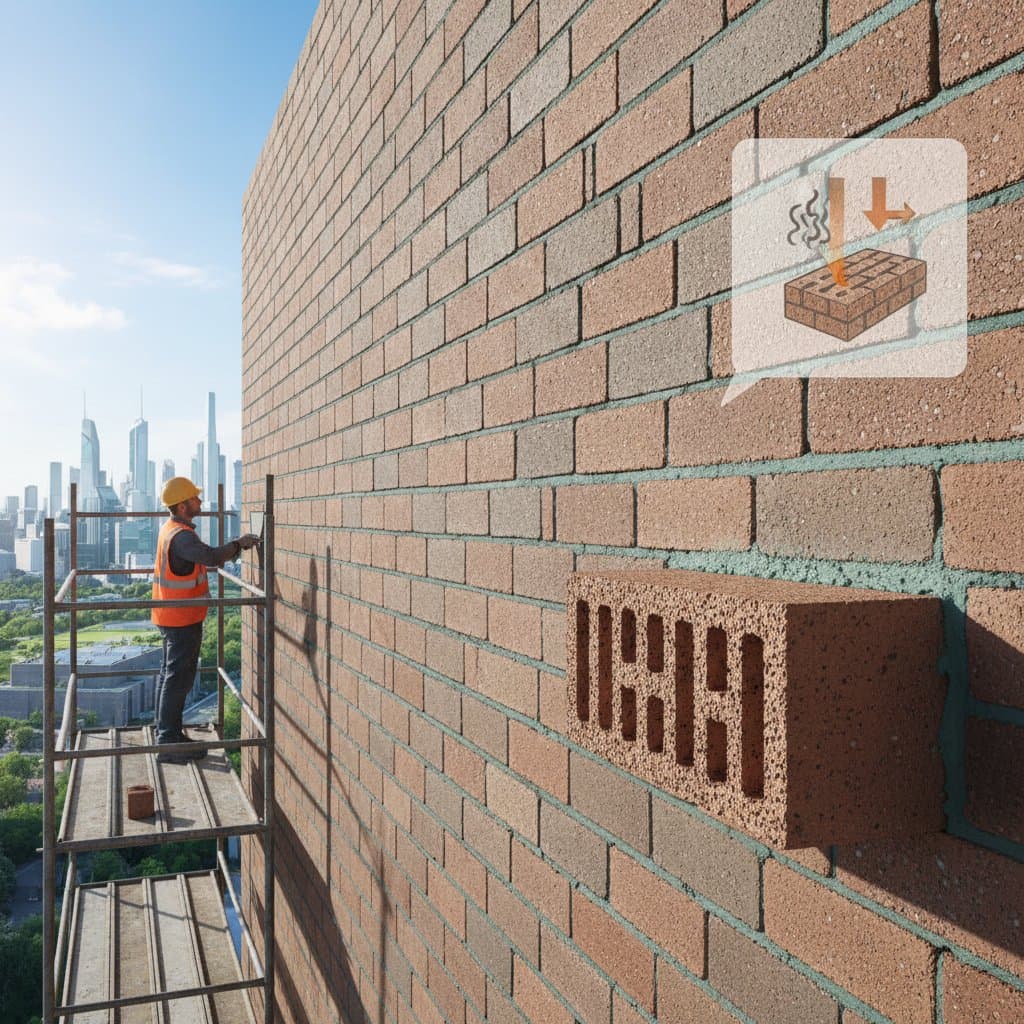
Introduction to Geopolymer Bricks
Geopolymer bricks represent a breakthrough in sustainable building materials. Unlike conventional clay or concrete bricks, they form through the reaction of industrial by-products like fly ash and slag with alkaline activators. This process creates a durable binder that mimics the properties of cement but with far less environmental impact.
These bricks gain attention for their ability to cut heat transfer by 45 percent compared to standard masonry. Such thermal performance lowers energy needs for heating and cooling in buildings. Builders and homeowners alike value their strength, which often exceeds 5,000 pounds per square inch, and their resistance to fire, chemicals, and weathering.
In 2025, geopolymer bricks address pressing demands for greener construction. They reduce carbon emissions by up to 90 percent during production, as they avoid the high-energy kilning required for clay bricks or the limestone calcination in cement. This shift supports global efforts to lower the construction sector's footprint, which accounts for nearly 40 percent of worldwide emissions.
Key Benefits of Geopolymer Bricks
Geopolymer bricks offer multiple advantages that enhance both performance and sustainability. Their low thermal conductivity minimizes heat flow through walls, leading to cooler interiors in summer and warmer ones in winter. This efficiency can reduce HVAC system loads by significant margins, translating to lower utility bills over time.
Strength forms another core benefit. These bricks withstand compressive forces well beyond those of traditional options, making them suitable for load-bearing applications. Their composition also resists sulfate attack and alkali-silica reactions, common issues that degrade conventional concrete over decades.
Environmentally, the use of waste materials like fly ash from coal plants diverts landfill-bound by-products into valuable resources. Production requires ambient temperatures, eliminating the need for energy-intensive firing. As a result, geopolymer bricks support certifications like LEED and help projects meet stringent permitting requirements for green building.
Cost-wise, initial material expenses align closely with concrete bricks, often ranging from $0.50 to $1.00 per unit. Long-term savings arise from reduced maintenance and energy use. In regions with high electricity rates, payback periods for thermal upgrades can fall under five years.
Selecting the Right Geopolymer Bricks
Choosing appropriate geopolymer bricks involves assessing project-specific needs. Consider the intended use, whether for interior partitions or exterior facades. For load-bearing walls, select bricks rated for at least 3,000 PSI to ensure structural integrity.
Evaluate environmental exposure factors. In humid climates, opt for formulations with enhanced water resistance. Bricks designed for coastal areas incorporate additives that prevent salt ingress and corrosion.
Thermal properties matter for energy-focused designs. Look for products with U-values below 0.5 W/m²K to maximize insulation. Acoustic performance suits urban settings; select bricks with sound transmission class ratings above 45 for noise reduction.
Aesthetic versatility adds appeal. Manufacturers offer bricks in various colors through natural pigments or surface treatments. Textures range from smooth to rustic, allowing integration with diverse architectural styles. Verify that any additives maintain the geopolymer's chemical stability during curing.
Consult local building codes early. Some regions require third-party testing for alternative materials. Suppliers often provide documentation on compliance with standards like ASTM C90 for load-bearing masonry.
Preparing the Site and Materials
Thorough preparation sets the foundation for successful geopolymer brick projects. Start by gathering all necessary components to avoid delays during mixing and laying.
Essential Materials
Assemble a geopolymer binder suited to local conditions. Fly ash works well in moderate climates, while slag blends excel in colder areas for better freeze-thaw resistance.
Prepare alkaline activators, including sodium hydroxide and sodium silicate, in precise ratios as specified by the binder supplier. These solutions initiate the polymerization reaction that hardens the mix.
Incorporate aggregates such as fine sand or crushed stone to achieve desired texture and volume. Use clean, potable water to adjust consistency without introducing contaminants.
Equip yourself with personal protective gear: gloves, goggles, respirators, and long sleeves. These items shield against the caustic nature of activators.
Set up molds from steel or plastic, along with curing covers and thermometers. This equipment ensures uniform shaping and controlled hardening.
Site Setup Steps
-
Level the work area to create a stable base free from debris or pooled water. This prevents uneven settling during installation.
-
Designate a mixing zone with non-reactive vessels and mixers built for alkaline substances. Electric paddle mixers provide consistent blending.
-
Prepare a curing space that offers shade and ventilation. Maintain temperatures between 68 and 95 degrees Fahrenheit to optimize reaction rates.
Clear access paths for material transport. Stockpile bricks in a dry area to protect them from premature moisture exposure.
Installation and Quality Control
Installing geopolymer bricks follows standard masonry practices with a few adaptations. Mix the geopolymer mortar on-site for best adhesion, aiming for a workable consistency similar to traditional mortar.
Lay bricks in a running bond pattern for stability. Apply mortar joints of 3/8 inch thickness, tooling them smoothly to enhance weather resistance.
Monitor progress closely. Check alignment every three feet of wall height using a level and plumb line. Ensure courses remain even to avoid stress concentrations.
Inspection Protocols
Examine each brick batch for consistency in color, dimensions, and finish. Discard any with cracks wider than 1/16 inch or deformed shapes.
Test sample bricks for compressive strength, targeting the specified PSI. This step confirms suitability for structural use.
After assembly, inspect walls for mortar voids or curing irregularities. Apply a breathable sealant to joints in exposed areas to guard against rain or chemical exposure.
Document all checks. This record supports permitting and warranty claims, demonstrating adherence to best practices.
Maintenance for Longevity
Geopolymer bricks demand little upkeep, outperforming clay or concrete in resilience. Their dense structure repels moisture and inhibits mold growth.
Conduct annual visual surveys for cracks over 1/32 inch. Repair these promptly with a compatible geopolymer paste to prevent water infiltration.
Clean surfaces gently with mild detergent and a soft brush. Steer clear of acidic solutions, which could etch the binder.
Reapply breathable sealants every five to seven years in harsh environments. This protects against heavy rain or freeze-thaw cycles.
Watch for settlement signs, such as leaning walls or widening joints, especially in the first year. Address foundation shifts through professional reinforcement if needed.
With proper care, these structures endure 75 to 100 years. Their stability ensures lasting value and minimal environmental impact over time.
Professional Installation Versus DIY
Decide between DIY and professional help based on project scale and complexity.
Suitable DIY Projects
DIY suits non-structural elements like garden borders or interior dividers. Experienced builders save 25 to 40 percent on labor by handling mixing and laying. Factor in costs for tool rentals and curing setups, which offset some savings.
Start small to build familiarity with the material. Follow supplier guidelines meticulously to achieve reliable results.
Benefits of Professional Services
Engage experts for critical structures such as foundations or load-bearing walls. They possess specialized tools like calibrated mixers and curing ovens, plus certifications for code compliance.
Seek contractors experienced in geopolymer systems. Verify licensing, insurance, and warranties that cover materials and installation.
Professionals navigate permitting efficiently, often expediting approvals for innovative materials. Their expertise minimizes errors, ensuring the project's full thermal and structural potential.
Achieving Sustainable Results with Geopolymer Bricks
Integrating geopolymer bricks elevates any construction effort toward sustainability. Their thermal efficiency cuts energy use, while durability extends building life cycles.
Projects using these materials often qualify for incentives like tax credits or rebates. Collaborate with architects early to optimize designs around their unique properties.
As adoption grows, geopolymer bricks promise widespread transformation in masonry. Builders who embrace them contribute to resilient, low-carbon communities for generations ahead.