
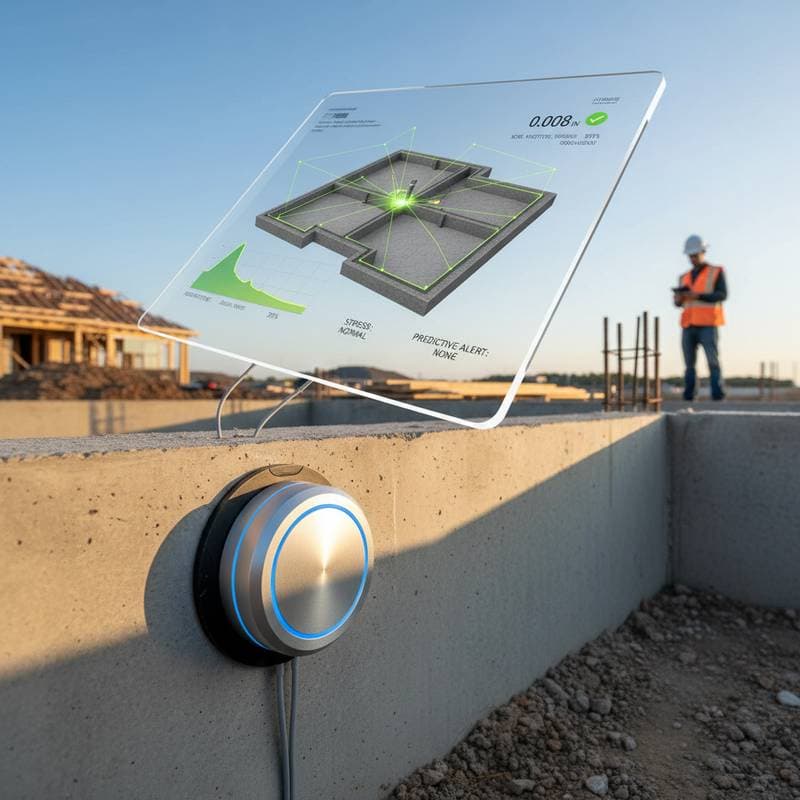
Planning for Smart Foundation Monitoring
Before installing IoT sensors, property owners must assess structural and environmental factors to select the optimal system. Key decision factors include local climate, soil composition, building size, and available budget. These elements guide the choice between wired and wireless configurations for reliable performance.
Evaluate Soil and Climate Conditions
Soil type influences foundation stability and sensor requirements. Clay-rich soils expand and contract with moisture, so high-sensitivity displacement sensors track subtle movements. Sandy soils remain generally stable yet require moisture and vibration sensors to identify erosion or washout risks.
Cold climates demand frost-depth monitoring to address freeze-thaw cycles that lift or shift foundations. In humid or coastal areas, sensors for moisture variations detect saturation in footing layers that could undermine support.
Determine System Type and Scale
IoT foundation monitoring systems divide into wired and wireless categories. Wired networks deliver consistent power and data transmission, suiting new construction projects or expansive facilities. Wireless networks simplify retrofits in existing residences and smaller commercial buildings.
For comprehensive coverage on larger foundations, position sensors 10 to 20 feet apart along critical zones. This spacing ensures detection of uneven settling across the entire structure.
Permits and Compliance
Local regulations may mandate permits for installations involving electrical connections or networked devices. Verify building codes to confirm compliance with electrical safety standards and data privacy rules. Professional consultation prevents delays and ensures legal adherence.
Step-by-Step Installation and Setup
Proper installation maximizes sensor accuracy and longevity. Follow these steps to integrate the system effectively.
1. Position Primary Sensors
Locate sensors at structural corners and central load-bearing areas to monitor settling hotspots. Drill pilot holes or secure mounting brackets to the foundation surface for stable attachment.
Select corrosion-resistant fasteners compatible with concrete or masonry materials. This approach secures sensors against environmental wear.
2. Install Moisture and Temperature Probes
Place probes in soil directly adjacent to the foundation perimeter. Encase them in protective conduits or sleeves to shield against soil shifts, pests, or root intrusion.
Position probes at varying depths to capture layered moisture profiles. This setup reveals how water movement affects overall stability.
3. Power and Network Configuration
Link wired sensors to a dedicated circuit equipped with surge protection devices. For wireless units, pair each with the central hub or gateway using manufacturer protocols.
Set data transmission intervals between 15 minutes and 1 hour, depending on monitoring needs. Test signal strength in all areas and synchronize devices with the dedicated software platform.
4. Calibrate and Test
Once sensors activate, establish baseline readings under normal conditions. Cross-verify these against manual leveling tools or laser scanning equipment to confirm precision.
Adjust for any initial discrepancies during this phase. Accurate calibration forms the foundation for reliable long-term data.
5. Activate Long-Term Monitoring
Program alerts for displacements exceeding 0.05 inches in differential movement. Include notifications for moisture shifts greater than 5 percent from established baselines.
Integrate these thresholds with mobile apps or email systems for immediate owner access. This enables swift responses to potential issues.
Troubleshooting Common Sensor Issues
Reliable systems occasionally face operational hurdles. Address them systematically to maintain performance.
Signal interference from thick concrete or metal reinforcements disrupts wireless transmissions. Deploy signal repeaters or opt for wired alternatives in challenging locations.
Calibration drift occurs due to prolonged vibrations or temperature fluctuations. Schedule recalibration every quarter or following significant seismic activity to restore precision.
Battery life in wireless sensors spans two to five years under typical use. Monitor voltage levels and replace units when they fall below specified thresholds.
Data anomalies, such as abrupt spikes, often stem from external factors like nearby construction or intense rainfall. Analyze environmental logs before interpreting results as structural concerns.
DIY vs Professional Installation
When DIY Installation Is Viable
Individuals proficient with basic tools and networking tasks can handle wireless sensor setups. The process demands moderate expertise and requires 6 to 8 hours of focused effort.
This option reduces overall expenses by 20 to 30 percent compared to professional services. Follow detailed manufacturer guides to achieve secure and functional results.
When to Hire Professionals
Engage certified experts for installations involving visible foundation cracks or irregular settlement. Complex soil profiles, such as expansive clays or elevated water tables, also warrant professional oversight.
Large or multi-story structures benefit from zoned sensor arrays managed by specialists. Wired integrations with power and data networks similarly require licensed technicians.
Select installers with credentials in structural monitoring and IoT systems, plus full insurance coverage. Budget $1,000 to $2,500 for thorough setup, calibration, and initial testing.
Integrating Monitoring into Ongoing Maintenance
Incorporate IoT sensors into routine property upkeep for sustained structural health. Continuous data streams inform timely interventions, averting escalation of minor issues into major repairs.
Over years of operation, accumulated insights assist engineers in enhancing design models and construction practices. Homeowners gain confidence through proactive oversight of foundation integrity.
Early warnings translate to reduced repair costs and extended building lifespan. This technology shifts maintenance paradigms toward prevention, securing long-term stability for residences and commercial properties alike.