
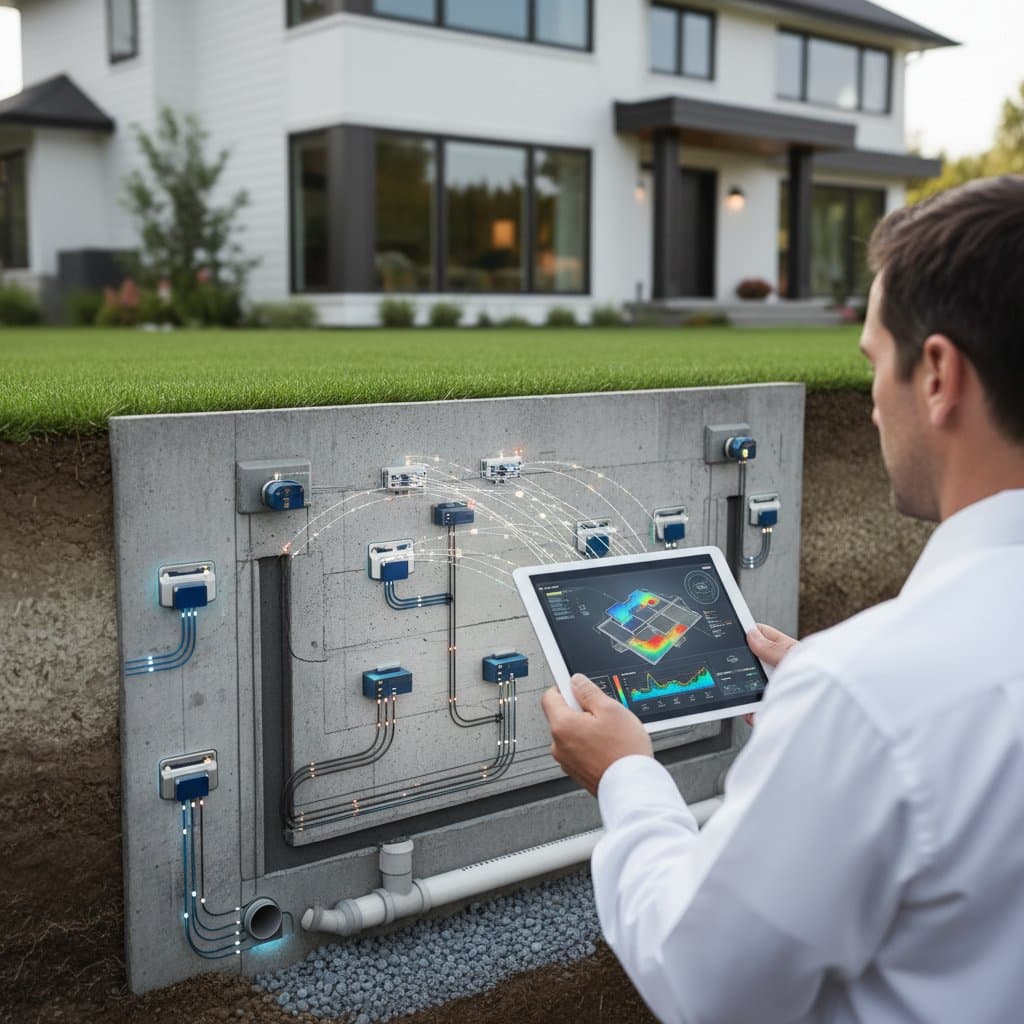
Smart Sensors Detect Foundation Shifts Before Cracks Appear
Foundation issues often develop gradually, with subtle movements that escape notice until cracks form or doors jam. Smart sensors change this dynamic by identifying changes early, sometimes years in advance of obvious damage. Key factors such as moisture levels, soil conditions, and building materials influence these shifts, yet proactive monitoring reduces the need for costly interventions.
Initial Inspection Steps
Begin with a thorough walkthrough of the property. Examine gaps along trim lines, windows that resist opening, and cracks that expand near corners. Test floor levels by rolling a marble across surfaces to detect slopes. Inspect the basement for moisture stains or efflorescence, signs of water intrusion. Observe gutters for clogs and soil separation from the foundation wall, indicators of potential subsurface movement.
Smart sensors enhance these manual checks by capturing precise data on tilt, vibration, and humidity. Placed at critical foundation locations, they establish a reference point for ongoing comparisons. This information highlights issues like seasonal soil expansion, hidden leaks, or inadequate drainage that threaten the building's integrity.
Warning Signs to Monitor
- Cracks running vertically or diagonally, exceeding the width of a coin
- Doors and windows misaligning after rainfall
- Persistent moisture in specific basement areas
- Separation in brick or stone mortar at ground level
- Frequent floor repairs or inconsistent finishing
- Sensor data indicating directional movement over time
- Water accumulation around downspouts or adjacent patios
Recommended Solutions and Estimated Expenses
Address detected movement by prioritizing drainage improvements and site grading. Diverting surface runoff typically costs between one thousand and three thousand dollars, varying with terrain and soil type. Gutters and downspouts require cleaning and extension for a few hundred dollars. Interior solutions like dehumidifiers or sump pumps range from one thousand to two thousand dollars and regulate subsurface humidity.
Persistent tilt or settling warrants a structural engineer's evaluation. Epoxy injections for minor cracks cost five hundred to two thousand dollars. Installing helical piers or underpinning begins at five thousand dollars per point and may surpass twenty thousand dollars for comprehensive perimeter reinforcement. Early detection minimizes expenses; steer clear of superficial treatments like foam injections that mask underlying problems without resolving drainage issues.
Preservation Strategies
Sensor Systems: Integrate permanent sensors from the outset of monitoring. Retain them unless damage or obsolescence occurs. The initial outlay yields savings through prevented escalations.
Foundation Components: Maintain existing concrete or stone where cracks remain stable. Apply epoxy or mortar patches as required. Replace segments solely if ongoing shifts, hydrostatic pressure, or deterioration compromise safety.
Drainage Infrastructure: Mend downspouts, adjust grading, and unclog lines prior to installing advanced waterproofing. Perimeter drain overhauls justify investment only after surface remedies fail to halt leaks.
Assembling the Right Team
Select an inspector experienced with historic foundations to set initial benchmarks. Involve a structural engineer for sensor analysis and solution design. A general contractor oversees grading, drainage, and masonry tasks. For technology integration, engage an IoT specialist to deploy sensors, connect them to a central interface, and configure notifications. Foster open dialogue across the team, as alterations in grading or utilities influence measurements; document modifications and reassess data post-implementation.
Dedicated project oversight increases expenses by ten to twenty percent but averts overlaps and errors. Simultaneous review of experts streamlines the process and ensures compatible approaches.
Prioritizing Interventions
- Manage water diversion around the perimeter.
- Secure the foundation and underlying soil.
- Repair cracks and halt progression.
- Modify electrical and plumbing post-stabilization.
- Apply finishes after months of stable readings.
Focus on high-impact measures such as exterior drainage, attic insulation, and envelope sealing. Defer low-value actions like surface patching without tackling root causes in moisture or soil.
Planning Budget and Timeline
Tackle water infiltration routes immediately, followed by structural reinforcement and grading adjustments. Enhance safety features next, then pursue efficiency gains. Complete aesthetic work last. Deviating from this sequence invites redundancy and inefficiency. Sensor tracking validates progress, signaling when phases achieve equilibrium.
Sustaining Foundation Health
Maintain active sensor operation and archive readings regularly. Analyze data every quarter, particularly following intense weather events. Swap batteries or adjust calibrations during routine upkeep. Prompt responses to alerts enable timely adjustments to drainage or soil conditions, averting broader structural concerns. Pair physical inspections with digital insights for comprehensive oversight.