
IoT Sensors Detect Foundation Problems Before Damage Starts
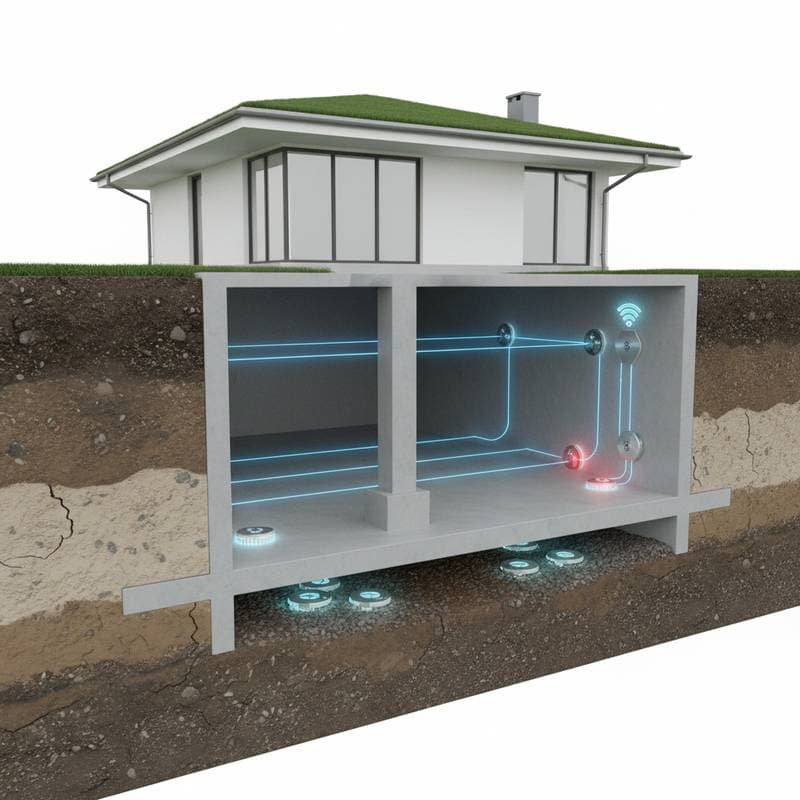
Smart foundations equipped with IoT sensors identify soil shifts, moisture changes, and pressure variations before structural damage occurs. Homeowners and builders gain continuous data that supports proactive decisions. This approach reduces repair expenses and extends building life.
Sensor Capabilities for Structural Monitoring
IoT systems track multiple indicators at once. Moisture sensors detect water infiltration and drainage issues. Soil pressure sensors identify lateral movement that signals slope instability. Temperature sensors record freeze-thaw cycles that expand soil volume. Vibration and strain gauges track settling, uplift, or seismic effects.
Each sensor sends readings through low-power wireless signals to a central hub or cloud dashboard. Algorithms compare new data against baseline values and trigger alerts when thresholds are crossed.
Value of Early Intervention
Foundation problems usually develop gradually through minor shifts or uneven moisture. Early identification allows correction of drainage, addition of reinforcement, or soil stabilization before integrity is lost. Timely action can lower repair costs by up to 70 percent compared with reactive fixes.
Site Preparation and Equipment Needs
Accurate data and long sensor life depend on proper preparation. Map the foundation footprint and mark critical points such as corners, load-bearing walls, and drainage zones.
Select these components for reliable performance:
- Pressure sensors to measure lateral soil loads.
- Moisture probes to track infiltration and evaporation rates.
- Temperature sensors to record ground fluctuations.
- A data hub to collect output and forward it to cloud platforms.
- Waterproof conduit to protect wiring from corrosion.
- A solar-assisted or low-voltage power supply.
- Protective enclosures rated IP68 for underground use.
Calibration and Data Review
After installation the system runs continuously and builds a digital record of stability. Recalibrate after the first 30 days to account for initial soil settling. Repeat every six months for homes and every three months for commercial structures.
Dashboards display trends through color-coded charts. Focus on patterns rather than single readings. A steady moisture increase near one corner, for example, can reveal a drainage fault before visible signs appear.
System Integration Options
Advanced setups link foundation data to structural health platforms, HVAC controls, or automated sump pumps. Threshold crossings can trigger automatic drainage activation or humidity adjustments without manual input.
Routine Maintenance Steps
Smart foundations need little attention yet benefit from scheduled checks. Inspect sensor housings for seal integrity. Verify continuous data transmission. Review alert logs for repeated patterns. Clean conduit ends and remove debris. Apply firmware updates on schedule.
Quality sensors last 10 to 15 years. Hubs and modules often operate longer with periodic updates. Replace any unit that shows erratic output or physical wear.
Keep site drainage clear to limit hydrostatic pressure. Trim vegetation away from sensor zones. Inspect grading each year so runoff moves away from the foundation.
Practical Recommendations
Embed sensors during the original pour to capture the most accurate baseline. Install duplicate units in critical zones for validation. Base alert thresholds on soil test results to limit false notifications. Combine moisture, pressure, and vibration readings for a complete view. Store data in both cloud and local backups for inspections or claims.
Sustained Performance and Resilience
Continuous monitoring supplies ongoing insight into subsurface conditions. The resulting records guide maintenance choices and prevent expensive repairs. Over time the system reveals site-specific patterns that refine drainage, insulation, and landscaping decisions. The ground will continue to shift, yet intelligent oversight converts potential vulnerability into lasting structural strength.