
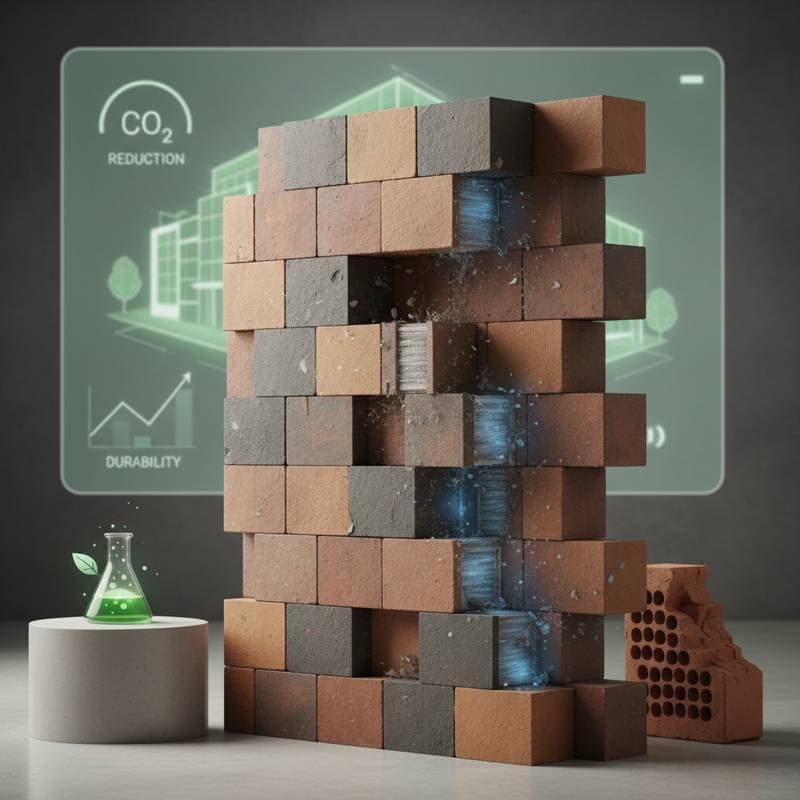
The Emergence of Zero-Cement Geopolymer Bricks in Modern Construction
Zero-cement geopolymer bricks represent a significant advancement in masonry technology. Builders create these units by combining industrial byproducts, such as fly ash or slag, with alkaline activators to form a robust geopolymer binder. This process eliminates the need for Portland cement, resulting in materials that exhibit high compressive strength, minimal environmental impact, and enhanced longevity.
As the construction industry faces increasing pressure to adopt greener practices, geopolymer bricks emerge as a viable solution. They reduce greenhouse gas emissions associated with cement production, which accounts for a substantial portion of global carbon output. Moreover, these bricks demonstrate superior performance against thermal extremes, chemical exposure, and mechanical wear when compared to conventional fired clay or concrete blocks.
Understanding Production Costs
The cost of geopolymer bricks varies based on several factors, with material prices typically ranging from 0.80 to 1.50 dollars per unit. This range accounts for differences in brick dimensions, composition ratios, and the origin of source materials. When factoring in installation, including compatible mortar and skilled labor, expect expenses between 8 and 14 dollars per square foot.
Key elements influencing these costs include the quality and availability of fly ash or slag, as well as the procurement of alkaline activators like sodium silicate or sodium hydroxide. Production methods also play a role: factory-produced bricks benefit from controlled environments, while on-site casting may lower transportation fees but requires precise oversight. Curing techniques, whether ambient air drying or steam acceleration, further affect pricing, as does the distance materials must travel to the job site.
Although upfront expenses might exceed those of traditional bricks, the advantages become evident in reduced curing periods and minimal long-term maintenance. Over the lifecycle of a structure, these savings position geopolymer bricks as a financially sound investment for sustainable projects.
Essential Specifications for Selection
Selecting the right geopolymer bricks demands attention to technical specifications to ensure suitability for specific applications. Prioritize compressive strength of at least 6,000 psi to support load-bearing walls effectively. Water absorption rates below 10 percent prove crucial for exterior use, preventing moisture-related degradation.
Density typically falls between 120 and 140 pounds per cubic foot, contributing to structural stability without excessive weight. For energy-efficient designs, seek thermal conductivity values around 0.3 to 0.5 W/m·K, which help maintain comfortable indoor temperatures. In regions prone to freezing, verify freeze-thaw certification to avoid cracking during winter cycles.
Uniform dimensional tolerances facilitate precise joint alignment, reducing installation errors. Always verify that the bricks meet regional building codes and environmental regulations, consulting supplier documentation for detailed performance data.
Step-by-Step Installation Guide
Installing geopolymer bricks follows familiar masonry principles, with adaptations to accommodate their unique chemistry. Begin by planning the layout: use chalk lines to mark courses and dry-lay the initial row to assess alignment and fit.
Prepare mortar carefully, opting for geopolymer-compatible formulations or low-cement alternatives that bond effectively without compromising the bricks' integrity. Lay the foundation course with precision, using levels to establish a plumb base that guides subsequent layers.
For upper courses, stagger joints vertically to distribute loads evenly, while maintaining uniform mortar thickness of about 3/8 inch. Tool the joints firmly to create a weather-resistant seal that directs water away from the structure.
After completion, initiate curing by covering the wall with damp burlap or plastic sheeting for a minimum of 24 hours to preserve moisture and promote binder activation. Clean the surface gently with soft brushes and low-pressure water to remove residue, steering clear of acidic cleaners that could react with the material.
When cutting bricks, employ tools equipped with dust suppression systems or water feeds to minimize airborne particles. Protective gear, including eye shields and respirators, remains essential during all cutting and grinding operations.
Deciding Between DIY and Professional Installation
Certain projects lend themselves well to do-it-yourself efforts with geopolymer bricks. Consider tackling small-scale endeavors, such as garden borders, low-height retaining walls under two feet, or straightforward decorative veneers.
These tasks allow enthusiasts to gain hands-on experience while keeping risks low. Success hinges on following precise mixing ratios and monitoring curing conditions to achieve reliable results.
For more demanding applications, engage professional masons. Structural elements, multi-level walls, intricate designs, or sites with challenging topography require expert knowledge. Professionals excel at safe handling of alkaline activators and ensure compliance with engineering standards, particularly where permits or inspections apply.
Adapting to Regional Climates and Conditions
Geopolymer bricks perform reliably across diverse environments, but tailoring choices to local conditions enhances outcomes. In colder climates, select variants with proven freeze-thaw durability and reduced water absorption to withstand ice expansion.
Coastal or arid hot zones benefit from the material's inherent resistance to saline corrosion and elevated temperatures, outperforming cement in longevity. Industrial settings with exposure to acidic pollutants or chemical vapors find geopolymer bricks particularly resilient due to their stable binder matrix.
High-precipitation areas necessitate robust detailing, including proper flashing and ventilation cavities, to manage water ingress. Review supplier-provided climate-specific data sheets to match bricks to your project's environmental demands.
Expert Recommendations for Optimal Results
To maximize project success, order 5 to 10 percent more bricks than calculated to accommodate cuts, breaks, and waste. Store alkaline activators in sealed containers, protected from humidity, to maintain their efficacy.
Conduct trial mixes on small scales to evaluate texture, color consistency, and ease of handling before full production. Employ non-reactive, non-metallic utensils for blending activators to prevent unintended chemical reactions.
Prior to any excavation, scan for underground utilities to avoid hazards. Refrain from applying loads or finishes until the structure achieves full cure, typically after seven days under standard conditions.
Meticulous preparation and adherence to best practices result in walls that endure for decades with minimal intervention.
Ensuring Long-Term Durability
Maintaining geopolymer brick installations requires routine vigilance to preserve their integrity. Regularly sweep surfaces to remove debris and inspect joints for signs of erosion or separation following seasonal changes.
Address minor cracks promptly with compatible repair mortars to prevent escalation into larger concerns. Clear drainage paths around the base to facilitate water runoff and inhibit moisture buildup.
Through these straightforward measures, structures retain their strength and aesthetic appeal, embodying the promise of sustainable innovation. Geopolymer bricks enable builders and homeowners to construct responsibly, balancing environmental stewardship with uncompromising performance.