
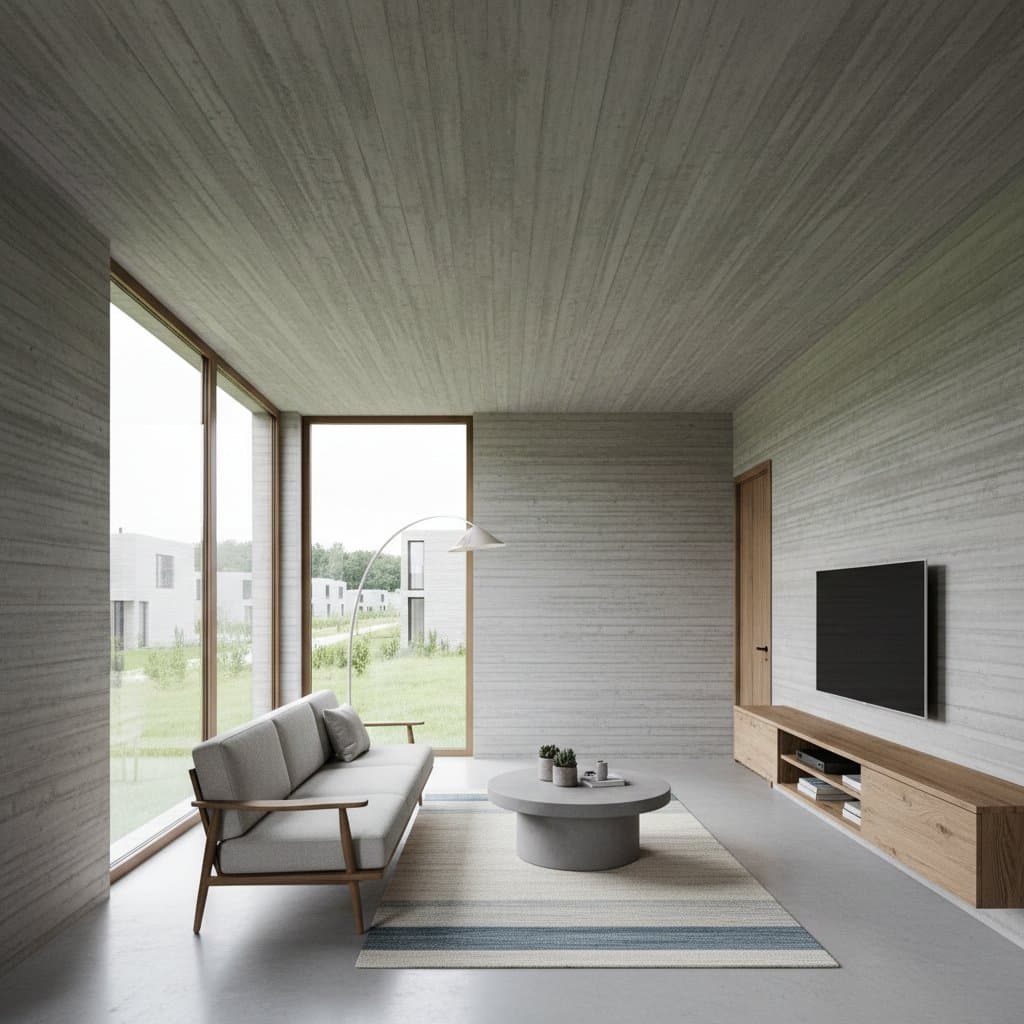
Introduction to 3D-Printed Concrete Homes
3D-printed concrete homes emerge as a transformative force in residential construction by 2025. These structures utilize large-scale robotic printers to extrude layers of specialized concrete, forming walls and foundational elements with remarkable efficiency. The result combines speed, reduced expenses, and enhanced sustainability, addressing pressing challenges like housing shortages and escalating material prices.
Traditional building methods often involve extensive manual labor, prolonged timelines, and substantial waste. In contrast, 3D printing automates much of the process, enabling crews to complete outer shells in as little as 24 to 48 hours for a standard single-family home. This approach not only cuts costs but also minimizes environmental impact through optimized resource allocation.
Homeowners and developers benefit from structures that integrate seamlessly with conventional finishing techniques, such as installing windows, doors, and interiors. As adoption grows, these homes prove their worth in diverse climates, from urban developments to rural settings, offering a blueprint for accessible living spaces.
The Printing Process Explained
The journey begins with digital design software that translates architectural blueprints into precise, printable models. Engineers use computer-aided design tools to generate layered geometries, ensuring every curve and angle aligns with structural requirements. This step allows for customization, from simple rectangular layouts to intricate, energy-efficient designs that maximize natural light and ventilation.
Next, the reinforcement method integrates steel rebar or composite fibers either during the printing phase or immediately after. Printers deposit concrete in continuous paths, embedding reinforcements where needed to enhance tensile strength and prevent cracking under load. This integration fortifies the walls against seismic activity, high winds, and daily wear, meeting or exceeding international building standards.
The printer itself operates like an oversized industrial arm, mounted on rails or a gantry system that moves along the building footprint. It mixes concrete on-site using aggregates, cement, and additives tailored for flowability and rapid setting. Each layer bonds chemically with the previous one, creating a monolithic structure that resists water penetration and thermal bridging.
This process shortens the timeline from concept to completion dramatically. Where conventional pours might take weeks, printing achieves the basic form in days, freeing teams to focus on non-structural elements like plumbing and electrical systems.
Site Preparation Essentials
Effective site preparation forms the foundation for successful 3D printing projects. Teams level the ground to within one-quarter inch across the entire print zone, using laser-guided tools for accuracy. This precision prevents uneven settling that could distort the emerging structure.
A compacted gravel base or a thin concrete footing slab anchors the build, distributing weight evenly and providing drainage. Contractors assess soil composition beforehand, incorporating geotechnical reports to address issues like expansive clays or poor bearing capacity. These measures ensure long-term stability without excessive excavation.
Access to utilities proves crucial for uninterrupted operation. Reliable water sources hydrate the concrete mix, while electrical power drives the printer's motors and controls. Planners coordinate with local providers to establish temporary connections, avoiding delays from infrastructure gaps.
Environmental factors influence scheduling as well. Ideal printing occurs between 50 and 90 degrees Fahrenheit, with enclosures or heaters available for cooler conditions. Wind speeds below 15 miles per hour and rain-free periods safeguard fresh layers from distortion, maintaining structural integrity from the start.
Ensuring Quality and Structural Integrity
Quality control stands as a cornerstone of 3D-printed construction, guaranteeing homes withstand time and elements. Concrete mixtures undergo rigorous testing to achieve uniform density, with each batch sampled for slump and air content. The final product targets compressive strengths of 4,000 to 6,000 pounds per square inch, verified through cylinder tests at regular intervals.
Curing demands careful management to foster strength development. Workers mist surfaces and cover sections with plastic sheeting for seven days minimum, retaining moisture and shielding from direct sun. This practice mitigates shrinkage cracks and enhances durability against freeze-thaw cycles.
Inspections combine visual checks with advanced techniques. Engineers scan for delamination between layers or hidden voids using ultrasonic devices. Thermal imaging reveals temperature anomalies that signal potential weaknesses, allowing corrections before applying finishes like stucco or insulation.
Post-print evaluations include load testing on sample sections to simulate real-world stresses. Compliance with codes such as those from the International Building Code confirms the home's safety, providing peace of mind for occupants and insurers alike.
Long-Term Maintenance Strategies
Owners of 3D-printed concrete homes enjoy low-maintenance living comparable to brick or block construction. Annual inspections focus on exterior surfaces, repairing any hairline cracks exceeding one-sixteenth inch with epoxy fillers. These proactive steps preserve the seal against moisture and pests.
Every five years, professionals reseal walls and foundations with penetrating treatments that repel water while allowing vapor escape. Roof systems receive attention too, with gutters cleaned biannually to direct runoff away from the base. Proper landscaping prevents soil erosion near the structure, maintaining foundational support.
The material's inherent qualities contribute to longevity. Dense layering offers superior thermal mass, stabilizing indoor temperatures and lowering energy bills by up to 30 percent. With initial curing and protective coatings, these homes endure over 100 years, outlasting many traditional counterparts.
Interior upkeep mirrors standard practices: dusting surfaces and ventilating to control humidity. The smooth, printed finishes accept paint or tile easily, simplifying updates and renovations as family needs evolve.
Exploring DIY Options and Professional Services
Enthusiastic builders find opportunities in smaller-scale 3D printing, such as accessory dwelling units or garden sheds. Trained individuals access compact printers for these projects, following online tutorials and safety protocols. Costs for entry-level equipment start around $10,000, making experimentation feasible for hobbyists.
Full residential homes demand professional expertise due to scale and regulations. Industrial printers range from $200,000 for ownership to $5,000 daily for rentals, justifying specialized firms' involvement. These experts manage permitting, site surveys, and integration with HVAC systems, ensuring seamless execution.
Homeowners partnering with pros save 40 percent on total budgets through efficient workflows. Firms provide end-to-end services, from 3D modeling to final walkthroughs, handling certifications that unlock financing and insurance options. This collaboration balances innovation with reliability.
Communities benefit from certified training programs that upskill local workers in printing operations. As technology matures, more regions establish standards, broadening access while upholding quality.
Embracing the Future of Affordable Housing
3D-printed concrete homes pave the way for equitable housing solutions in 2025 and beyond. By slashing labor costs and material waste, they enable faster deployment in high-demand areas, from disaster recovery zones to growing suburbs. Developers scale projects efficiently, constructing multiple units with shared equipment and reduced site disruption.
Sustainability drives further appeal, as printing uses 30 percent less concrete than poured methods, lowering carbon footprints. Integration with solar panels and smart systems enhances energy independence, aligning with global green building trends.
For individuals, this means attainable dreams of homeownership without prohibitive expenses. Policymakers and builders collaborate to incentivize adoption, fostering resilient communities. As barriers fall, 3D printing stands ready to redefine how societies shelter their populations.