
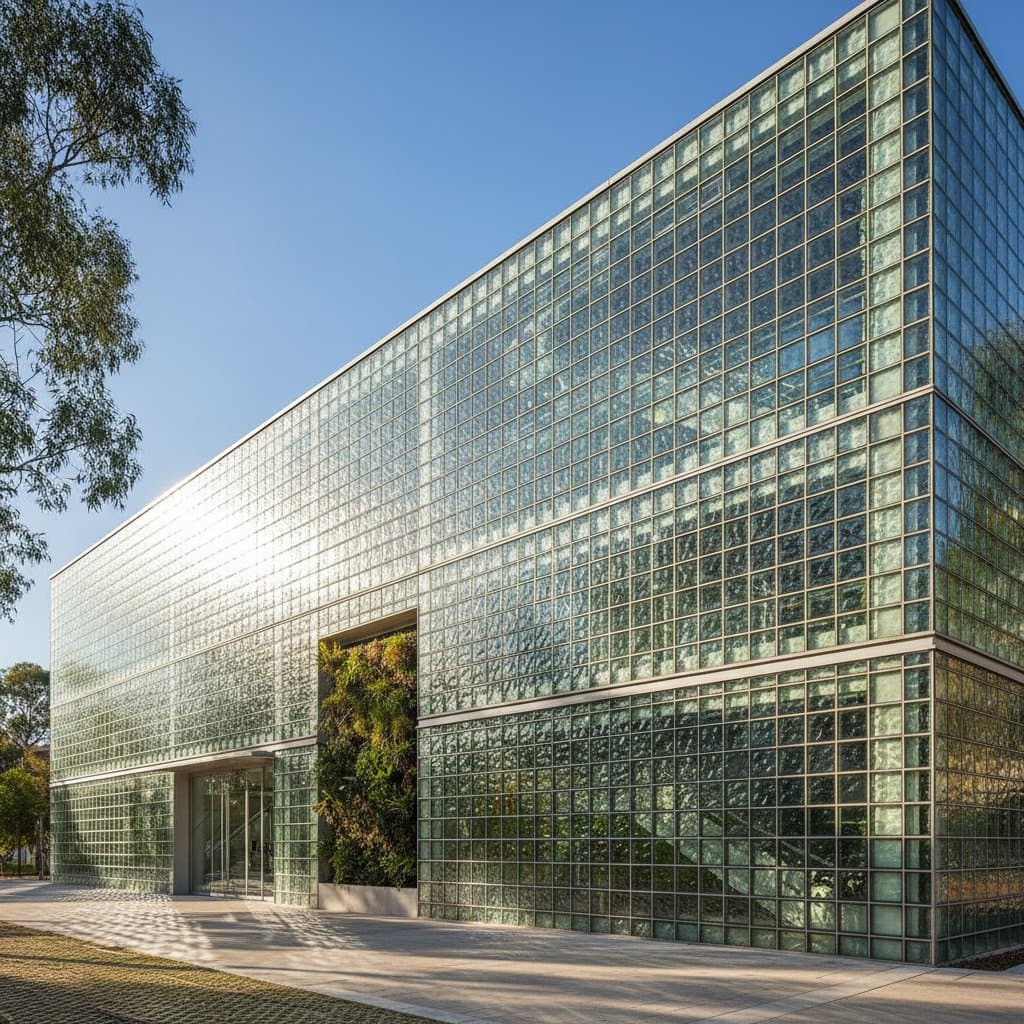
Why Recycled Glass Bricks Are Essential for Sustainable Builds
In an era where environmental impact shapes construction choices, recycled glass bricks emerge as a frontrunner. These innovative materials transform post-consumer glass waste into robust building components, reducing landfill contributions and conserving natural resources. Builders increasingly select them for projects that prioritize low carbon footprints without sacrificing performance or visual appeal.
The appeal lies in their multifaceted benefits. Recycled glass bricks require less energy to produce compared to traditional clay or concrete alternatives, slashing greenhouse gas emissions by up to 50 percent in some cases. Their translucent nature allows natural light to penetrate interiors, decreasing reliance on artificial lighting and further lowering energy use. Moreover, these bricks exhibit exceptional durability, resisting weathering and maintaining structural integrity over decades.
Architects value their design flexibility as well. Available in various colors and textures derived from recycled bottles and containers, they add a modern, luminous quality to facades, partitions, and feature walls. In residential and commercial settings, they create spaces that feel open and inviting while adhering to green building standards like LEED certification.
Environmental and Performance Advantages
Sustainability extends beyond production. Recycled glass bricks divert millions of tons of glass from landfills annually, supporting circular economy principles. Each brick incorporates up to 95 percent recycled content, minimizing the extraction of raw silica sand and reducing habitat disruption.
Structurally, they outperform expectations. With compressive strengths often exceeding 1,500 psi, they handle load-bearing applications effectively. Their non-porous surfaces repel water, preventing mold growth and ensuring longevity in humid climates. Fire resistance ratings up to two hours make them suitable for safety-conscious designs.
From an aesthetic standpoint, the bricks diffuse light softly, eliminating harsh shadows and enhancing ambiance. In eco builds, they serve diverse roles: as privacy screens in urban homes, accent walls in offices, or even flooring inserts for added sparkle. This versatility positions them as a staple in forward-thinking architecture.
Tools and Materials for Installation
Successful installation begins with the right equipment. Select tools that protect the material's integrity and ensure precise work.
- Rubber mallet: Use this for gentle tapping to position bricks without risking cracks on delicate glass surfaces.
- Wet saw with diamond blade: Employ this tool for clean, straight cuts when accommodating doors, windows, or irregular shapes.
- Mortar mixing tools: Include a hawk, trowel, and bucket to prepare a consistent mortar bed, typically a mix of Portland cement, lime, and sand.
- Level and plumb bob: These essentials verify alignment, preventing uneven settling that could compromise stability.
- Spacers and joint reinforcement: Plastic or metal spacers maintain uniform gaps, while wire ties or rods add lateral support.
- Protective gear: Don gloves, shatter-resistant eyewear, and long sleeves to shield against sharp edges and dust.
Pro tip: Purchase approximately ten percent more bricks than calculated to account for cuts, potential breakage, and layout adjustments. Source from certified suppliers to guarantee quality and recycled content verification.
Compliance and Safety Considerations
Before starting any project, review local building codes thoroughly. Regulations may specify fire ratings, maximum wall heights, and load-bearing capacities for glass brick installations. In certain areas, authorities treat these walls as glazing systems, requiring tempered or laminated units for enhanced safety.
Engage a structural engineer for designs exceeding standard non-load-bearing applications. If the project involves excavation for foundations or utilities, contact the local utility locating service, such as 811 in the United States, to mark underground lines and avoid hazards.
Prioritize worker safety throughout. Ensure adequate ventilation when mixing mortar, and secure work areas to prevent falls from elevated installations. These steps not only comply with standards but also protect participants and the final structure.
Step-by-Step Installation Guide
Follow this methodical process to achieve a professional result. Preparation sets the foundation for success.
-
Prepare the base. Construct a level footing using reinforced concrete or pressure-treated lumber. Verify flatness with a long level; any imperfections can lead to stress fractures over time.
-
Set the first course. Apply a consistent one-quarter-inch mortar bed across the base. Position bricks end to end, inserting spacers for even joints. Confirm level and plumb after placing each brick, adjusting as necessary.
-
Continue stacking courses. Proceed layer by layer, buttering both brick edges with mortar for strong bonds. Clean excess mortar from joints immediately to avoid hardened residue. Stagger vertical joints by half a brick to enhance overall stability and visual symmetry.
-
Incorporate reinforcing elements. In walls taller than three feet or spanning more than eight feet, insert stainless steel rods horizontally every second course. Embed them into the mortar for seamless integration and added tensile strength.
-
Complete the top and edges. Cap the top course with a mortar ledge or metal channel for a finished look. Seal perimeter joints with high-quality silicone caulk to block moisture entry and maintain airtightness.
-
Clean and allow curing. Once mortar hardens, gently wipe brick surfaces using a soft cloth and neutral pH cleaner. Refrain from acidic solutions that might etch the glass finish. Allow full curing for at least 28 days before exposing to heavy use.
Maintenance for Long-Term Performance
Preserve the brilliance of your recycled glass brick installation through routine care. Schedule annual inspections to identify and repair any joint cracks or sealant degradation. Apply fresh caulk where needed to sustain weatherproofing.
For cleaning, use mild soap and water with a non-abrasive sponge. This method removes dirt without scratching surfaces or eroding mortar. Steer clear of high-pressure washers, as they can dislodge joints and cause water damage.
In exterior applications, monitor weep holes at the base to ensure proper drainage. Clear debris promptly to prevent moisture buildup. With diligent upkeep, these bricks retain their clarity and strength, contributing to a structure that endures for generations while upholding eco ideals.
Realizing Sustainable Visions
Recycled glass bricks empower builders to craft environments that honor the planet. By integrating waste reduction with innovative design, they elevate projects from functional to inspiring. Whether enhancing a home's glow or defining a commercial landmark, these materials deliver enduring value. Embrace them to lead the shift toward greener construction practices.