
Why Zero-Cement Bricks Shape the Future of Masonry
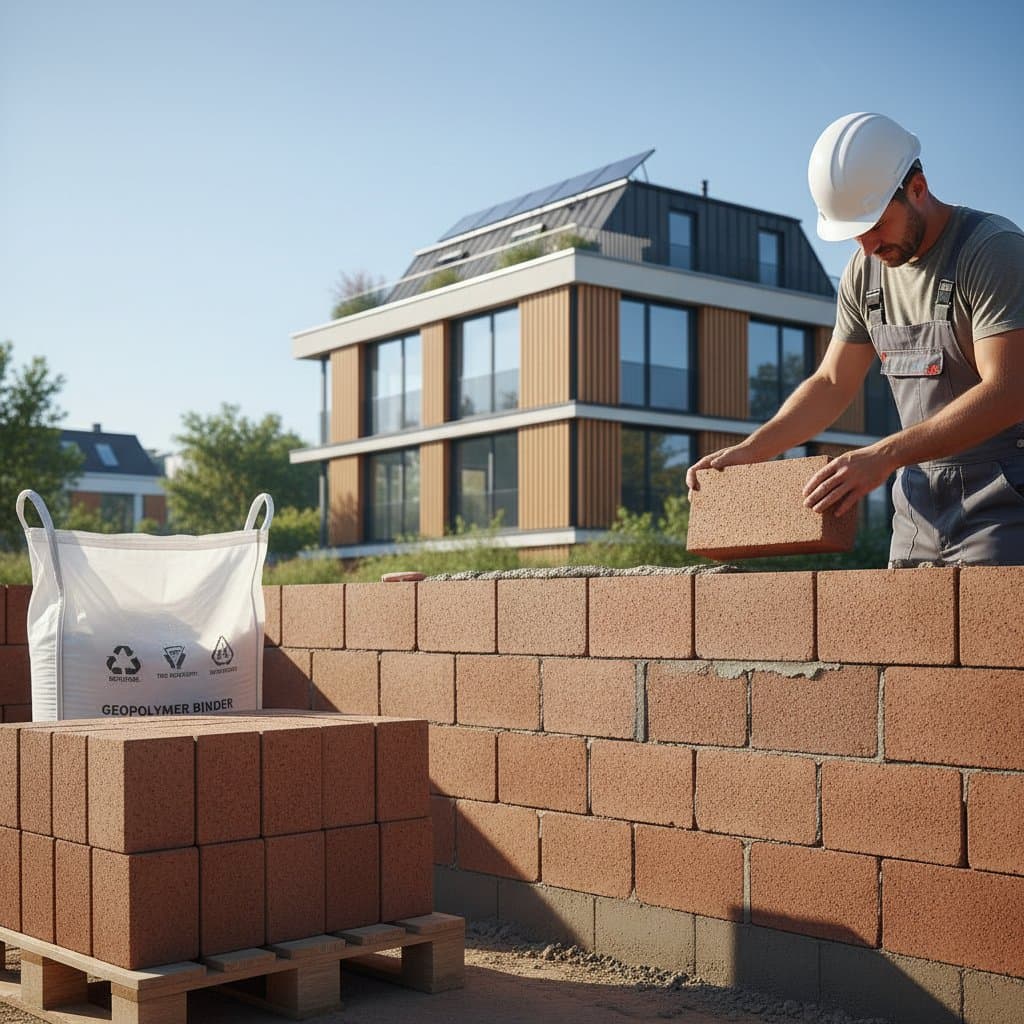
Zero-cement bricks mark a significant advancement in sustainable construction practices. Manufacturers produce them using local and recycled materials, which eliminates the need for high-emission cement production. These bricks maintain the strength and durability required for modern projects, positioning them as a viable option for environmentally conscious builders.
As production methods scale and further testing occurs, zero-cement bricks will become more accessible and cost-effective. Geopolymer technology binds the materials effectively, ensuring performance that rivals conventional options. Builders benefit from reduced carbon footprints without sacrificing structural integrity.
Preparing Your Project
Thorough preparation ensures successful installation of zero-cement bricks. Begin by evaluating key site characteristics to avoid common issues. Follow these steps to set a solid foundation for your masonry work.
Assessing the Site
Examine soil composition before procuring materials. Clay-based soils retain moisture, which can compromise drainage; sandy soils facilitate quick drainage but often require additional compaction for stability.
Verify that surface water flows away from the proposed masonry area to prevent pooling. Sites with gentle slopes simplify construction for novices, while steeper areas demand professional grading to achieve a level base.
Plan access routes for transporting heavy bricks and equipment. For walls exceeding knee height or those retaining soil, engage a structural engineer. Such structures face risks from soil pressure and water infiltration if not engineered properly.
Taking Measurements
Determine the wall's length, height, and thickness. Calculate the total volume by multiplying these dimensions, then divide by the volume of one brick to find the required quantity. Include a 10 percent allowance for cuts, breakage, and waste.
For paving applications or edging, compute the square footage and divide by the brick's exposed face area. Use stakes and string to outline the layout, confirming alignment and joint spacing in advance.
Environmental Factors
Zero-cement bricks require specific curing conditions unlike traditional cement products. Maintain moderate humidity and consistent temperatures during installation. Refrain from working in heavy rain or under extended direct sunlight.
Protect freshly laid bricks by covering them with damp burlap or plastic sheeting for a minimum of 24 hours. This practice promotes even curing and strengthens the final structure.
Tools and Materials
Select appropriate tools and materials to streamline the building process. Organize everything in advance to minimize disruptions. Focus on items compatible with geopolymer formulations.
Hand Tools
A masonry trowel spreads geopolymer mortar and applies it to brick ends, making it indispensable for wall construction.
Employ a brick hammer for trimming and shaping; a cold chisel serves as an alternative for smaller adjustments.
Use a level and plumb line to verify horizontal and vertical alignment throughout the project.
A measuring tape and chalk line assist in precise layout and consistent spacing.
Tap bricks into position with a rubber mallet to avoid damage from excessive force.
Power Tools
A paddle mixer ensures uniform blending of geopolymer components; rent one for extensive projects or purchase for frequent use.
An angle grinder equipped with a masonry blade delivers clean cuts on bricks.
Consider a wet saw for intricate pattern work, as it provides superior precision over dry methods.
Rental Equipment
For substantial volumes, rent a mortar mixer or small batch mixer to handle larger quantities efficiently.
A wheelbarrow or mortar pan supports manual mixing of smaller batches on site.
Clean all tools promptly after use. Geopolymer hardens quickly, complicating removal once set.
Materials List
Procure zero-cement bricks with a 10 percent surplus for contingencies.
Obtain geopolymer mortar mix or a compatible adhesive formulated for these bricks.
Prepare alkaline activator solution according to manufacturer specifications.
Keep clean water available for tool rinsing.
Stock damp curing covers like burlap or plastic sheeting to safeguard fresh installations.
Step-by-Step Building Process
Follow this sequence to construct reliable masonry with zero-cement bricks. Each phase builds on the previous to achieve a stable result. Proceed methodically to maximize durability.
Mixing the Geopolymer Mortar
Combine the dry geopolymer mix with the alkaline activator in the recommended proportions, typically using a paddle mixer for consistency. Add water sparingly to achieve a workable paste that holds its shape without slumping.
Mix for five to ten minutes until uniform, avoiding overworking which can introduce air bubbles. Test the mortar's adhesion by pressing a brick into a small sample; it should bond firmly without sliding.
Prepare batches as needed to prevent premature setting, which occurs faster than with cement-based mortars.
Laying the Foundation
Excavate a trench for the base, ensuring it sits below the frost line in cold climates. Compact the subsoil and add a gravel layer for drainage, then level with a bed of geopolymer mortar.
Place the first course of bricks in the mortar bed, checking alignment with a level every few units. Butter the ends of each brick with mortar before setting the next to create full joints.
Allow the foundation to cure partially before proceeding, typically 24 hours under protective covering.
Building the Wall
Apply mortar to the top of the foundation course and lay subsequent rows, maintaining a running bond pattern where bricks overlap by half their length. Use the plumb line to keep vertical faces straight.
Insert joint reinforcement every third course for taller walls to enhance stability. Cut bricks as necessary with the angle grinder to fit around openings or edges.
Step back periodically to inspect for level and plumb, adjusting with the rubber mallet if minor shifts occur.
Completing and Curing
Finish the top course with cap bricks or coping to direct water away from the structure. Tool the joints with a jointer for a weather-resistant seal once the mortar firms slightly.
Cover the entire wall with damp sheeting immediately after completion. Monitor curing for seven days, misting as needed to sustain humidity without saturation.
After the Build
Post-construction care extends the lifespan of zero-cement masonry. Address finishing and maintenance promptly to preserve appearance and function.
Finishing Touches
Seal exposed surfaces with a breathable product to repel moisture while allowing vapor escape. Tinted sealers deepen colors on decorative elements without adding shine.
Incorporate edging stones or coping for refined aesthetics and improved water shedding from joints.
Maintenance and Care
Conduct annual inspections to identify loose joints or buildup. Clean surfaces using mild detergent and a soft brush, rinsing thoroughly afterward.
Repoint any gaps with matching geopolymer mortar to maintain integrity. Steer clear of acidic cleaners, which erode the geopolymer matrix.
Enhancement Ideas
Integrate zero-cement bricks into landscaping with matching planters or benches for cohesive design. Install low-voltage lights to accentuate surface textures after dark.
Vary brick colors or patterns in pathways to create visual interest and guide foot traffic effectively.
Common Mistakes to Avoid
Inadequate base preparation results in settling and cracks over time.
Accelerating curing undermines bond strength and reduces longevity.
Deviating from specified mix ratios produces weak or non-adhesive mortar.
Neglecting alignment verifications leads to irregular walls that require rework.
Halt construction if leaning or joint separation appears; dismantle and relay affected areas with corrected leveling.